A bite can outlast the shark
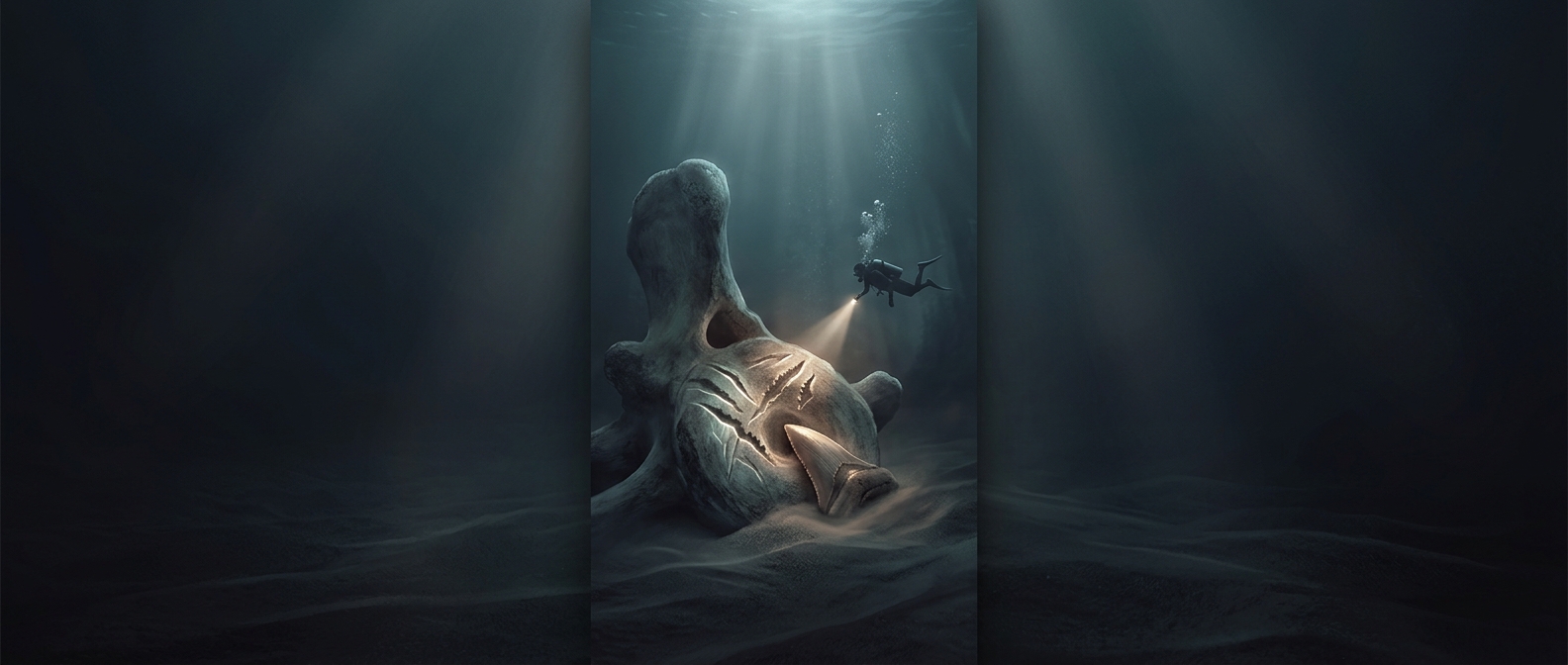
Megalodon’s skeleton was made mostly of cartilage, the flexible tissue found in a human nose and ears. Cartilage usually decays before it can become fossilized, so the shark itself is known chiefly from durable parts such as its teeth. A marine mammal’s bones, by contrast, could survive burial and preserve a different kind of evidence: cuts, gouges, or punctures left by those teeth.
Researchers compare the marks’ shape and spacing with the tooth forms known from megalodon fossils. That can help identify the likely attacker and show which parts of prey were bitten. The bone becomes a record of contact even when the predator’s body is absent.
What the marks can—and cannot—show
A fossil bite mark can support the conclusion that a large shark attacked or fed on an animal, but a mark alone may not reveal whether the animal was killed by the bite or bitten after death. Nor does every damaged bone preserve the full sequence of an encounter. The evidence is a fragment, not a complete scene.
Some bones also show healing around an injury, meaning the animal survived long enough for its body to begin repairing the damage. In those cases, the fossil records an attack that did not immediately end in a meal. A missing predator can still leave a vivid trace of how it interacted with its prey—etched into the prey’s bones.