Why Fossils Are So Rare
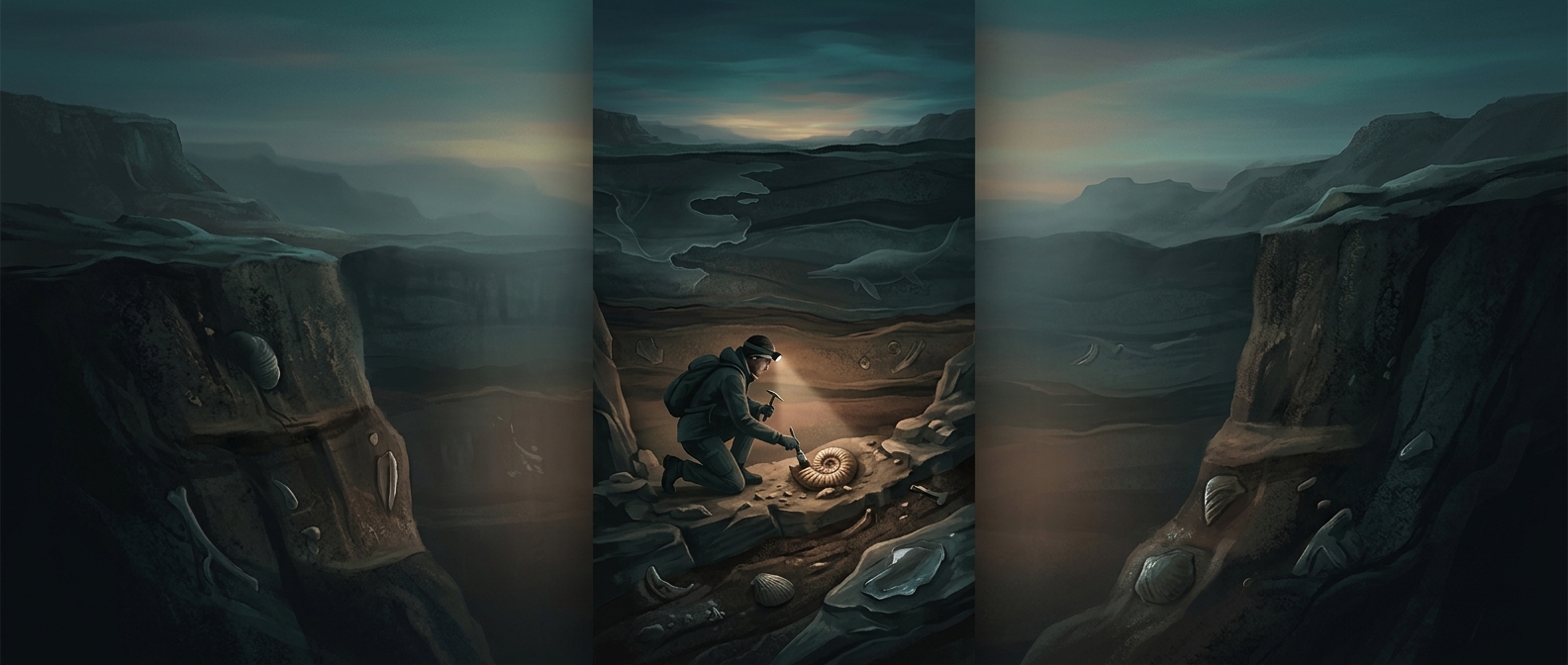
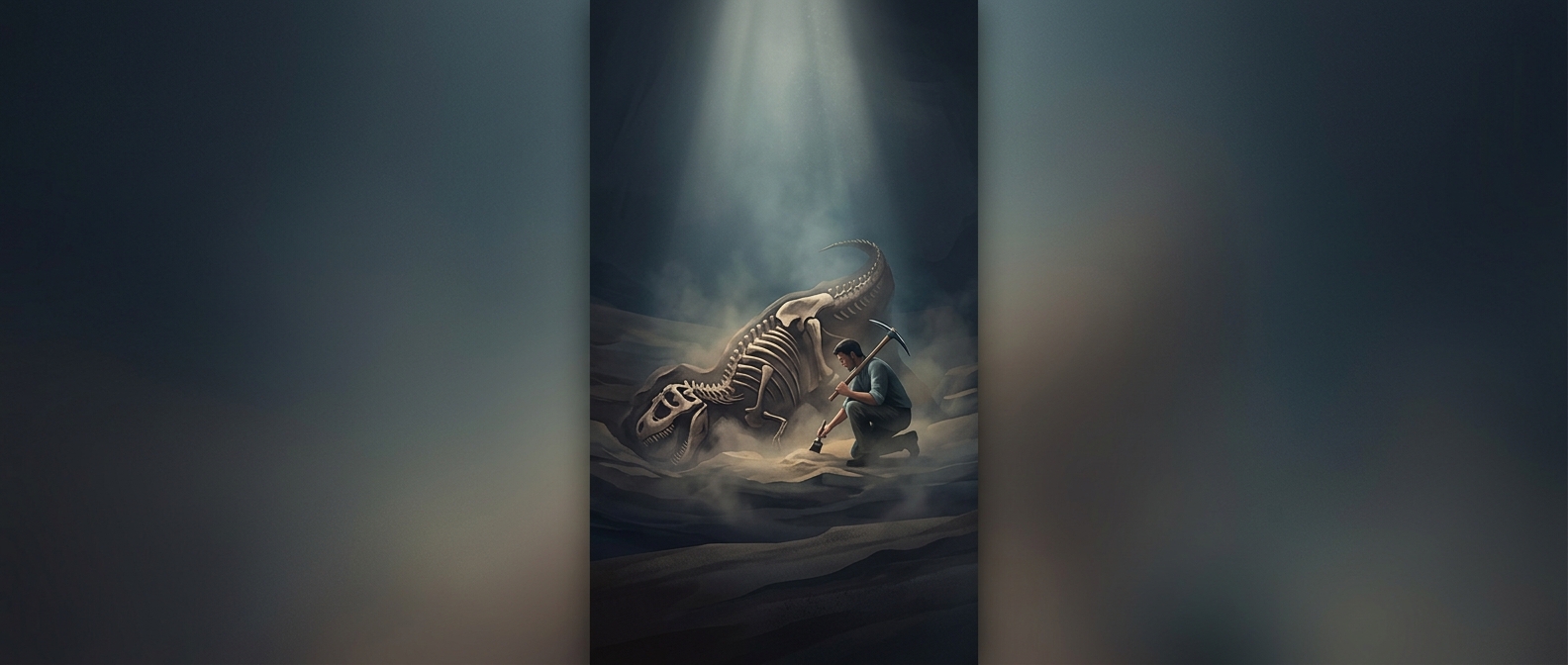
A dead animal’s remains face a race against scavengers, microbes, weather, and water. Soft tissues usually disappear quickly; even bones can be scattered, broken, or chemically dissolved. For fossilization to begin, remains generally need to be buried before those processes erase them. Sediment can cover a body in a river channel, lake bed, or other depositional setting, limiting disturbance and slowing decay.
Burial is a lucky start, not a guarantee. The sediment must persist rather than be washed away, and the buried remains must escape later heat, pressure, and chemical changes that could destroy them. This is why a fossil is not simply an old bone: it is evidence that a particular chain of events preserved something long enough for us to find it.
How Minerals Preserve a Trace
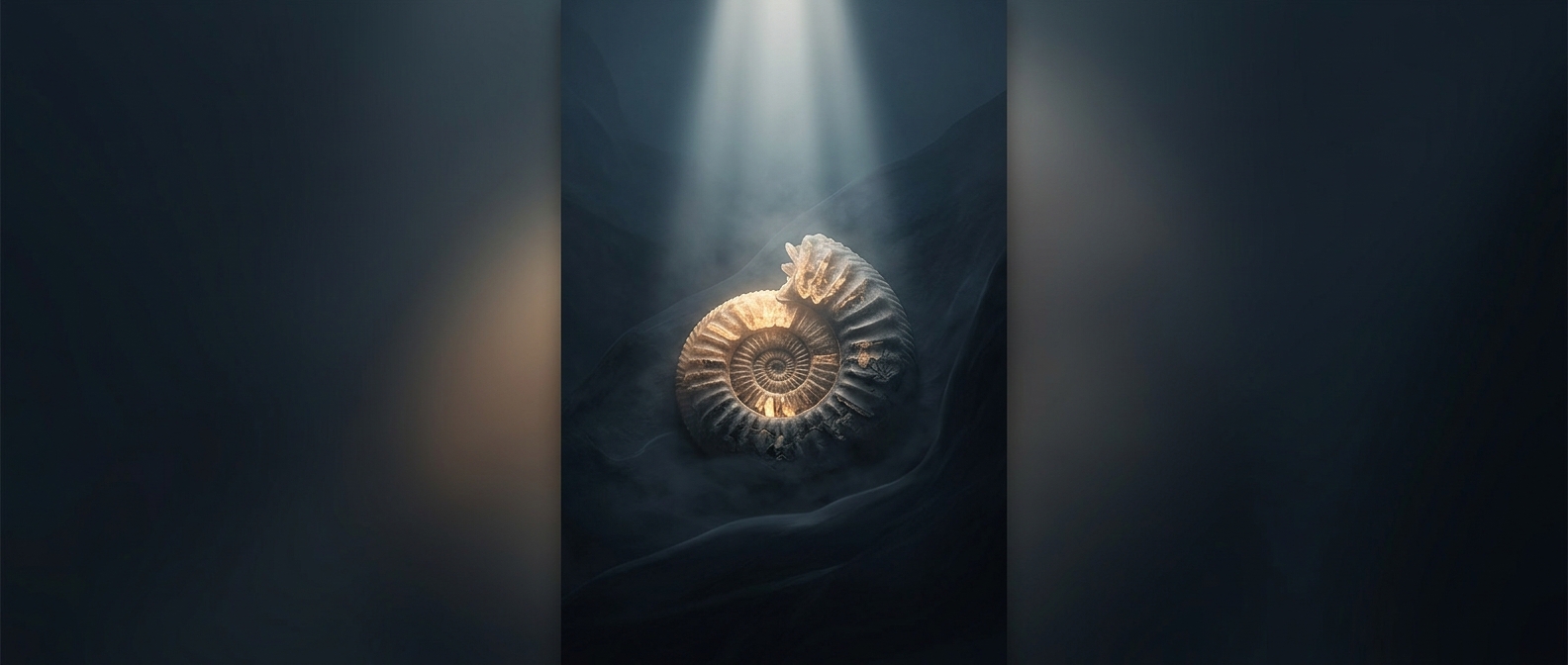
As groundwater moves through sediment, it can carry dissolved minerals into the remains. Minerals may fill tiny spaces in bone or wood, strengthening their structure; in other cases, minerals gradually replace the original material. The result can preserve a shape or internal detail even after much of the original substance is gone. These processes take place underground, often over long periods, and depend on the chemistry of the surrounding water and sediment.
Different parts of the same organism have very different odds. Hard parts such as shells, teeth, and bones are more likely to survive than skin or organs. A sudden layer of sediment might preserve a body, while an animal exposed on the surface may leave no recognizable trace at all.
The Fossil Record Is a Filter
That uneven preservation shapes what paleontologists can learn. Fossils are not a complete inventory of past life; they are the survivors of several filters: what was buried, what endured underground, and what was eventually exposed and discovered. The absence of a fossil does not necessarily mean an organism was absent—it may mean its remains never made it through that chain.