Burial gives minerals time to enter bone
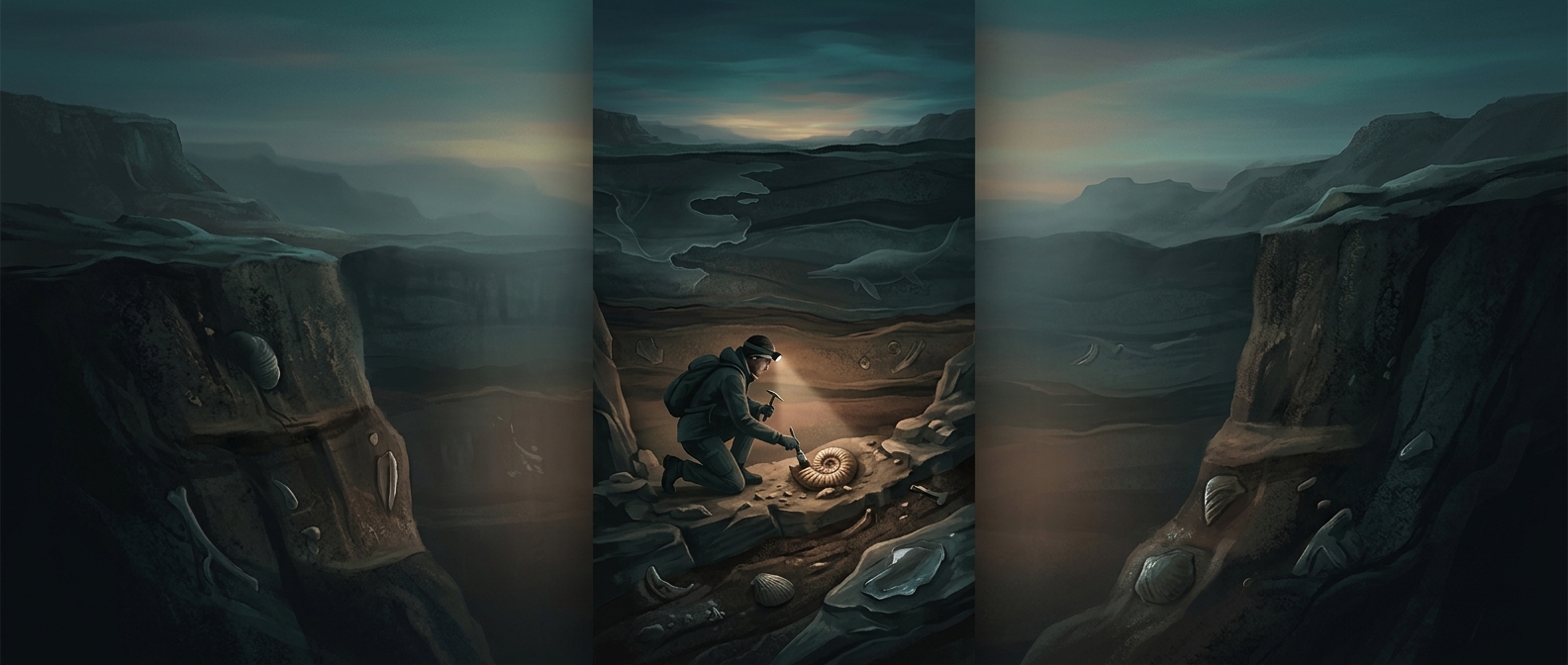
A newly buried bone is porous: its hard tissue contains tiny spaces and channels, not a solid block. Burial under sediment can shield it from scavengers and slow exposure to oxygen, while groundwater continues to move through the surrounding earth. That water carries dissolved minerals picked up from rocks and soil.
As the bone’s organic components break down, the water can leave mineral matter behind in its pores. This process, called permineralization, turns the bone into a mineral-filled structure while retaining its shape and many details of its internal texture.
“Turned to stone” can mean more than one thing
Minerals may also replace some of the bone’s original mineral material, molecule by molecule. The balance between filling empty spaces and replacing what was there varies from fossil to fossil, depending on the bone, the sediment, and the groundwater’s chemistry. That is why a fossil can preserve recognizable bone architecture without being chemically identical to the living dinosaur’s bone.
The change is gradual, not a single moment of petrification. If conditions allow minerals to accumulate and the surrounding sediment later hardens into rock, the fossil becomes part of a durable geological record. If the bone is exposed or destroyed before that happens, its shape may not survive.
The preserved shape is the remarkable part
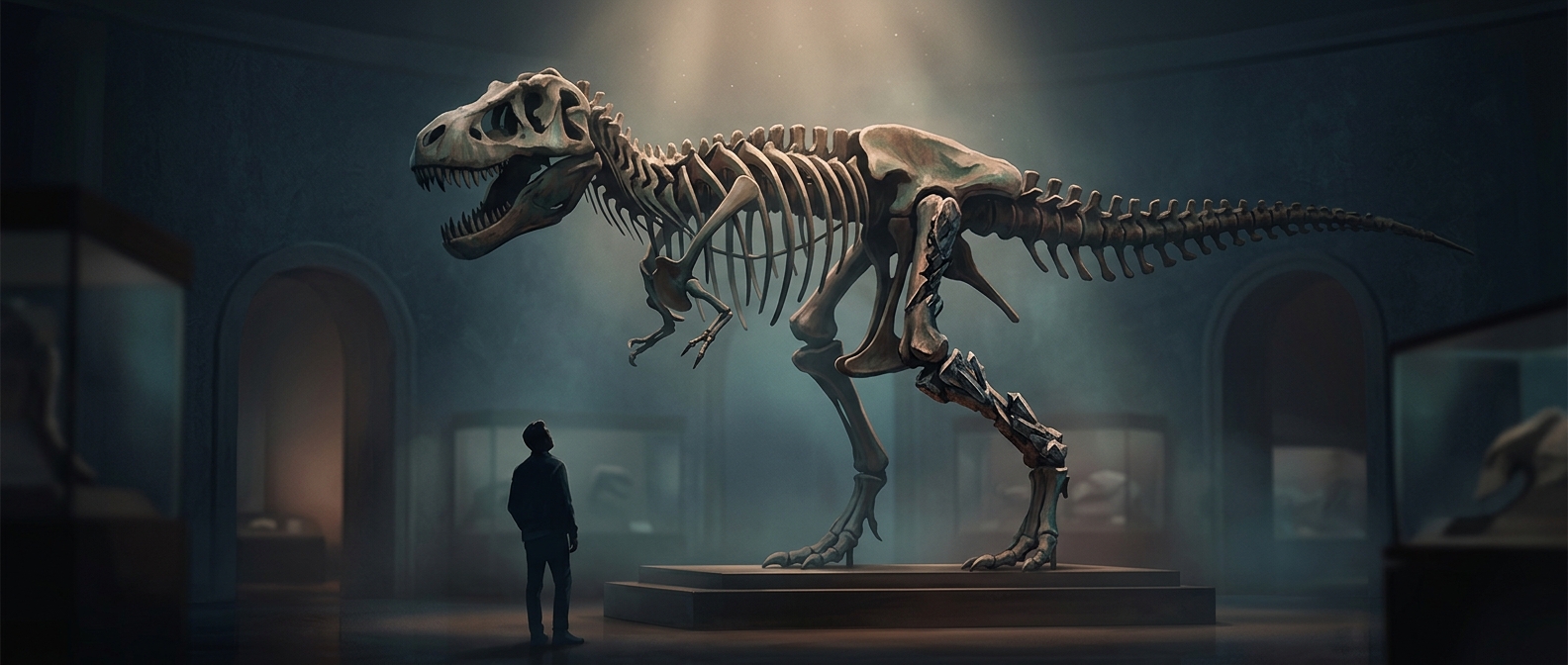
A museum fossil can therefore be rock in composition yet still preserve the outline—and sometimes fine structural features—of a once-living bone. The minerals did not need to recreate the dinosaur; they had to occupy or replace the material in a way that kept its form intact. That is what lets a stone-heavy fossil still tell scientists how the original bone was built.