Why water became a preparedness problem
A nuclear emergency threatened more than buildings. Water systems depend on pumps, treatment plants, power, and networks of pipes. If those systems lost power or were damaged—or if water sources were contaminated—tap water might not be safe or available when people needed it most. Storing water at home offered a simple buffer against that uncertainty.
What the can was meant to do
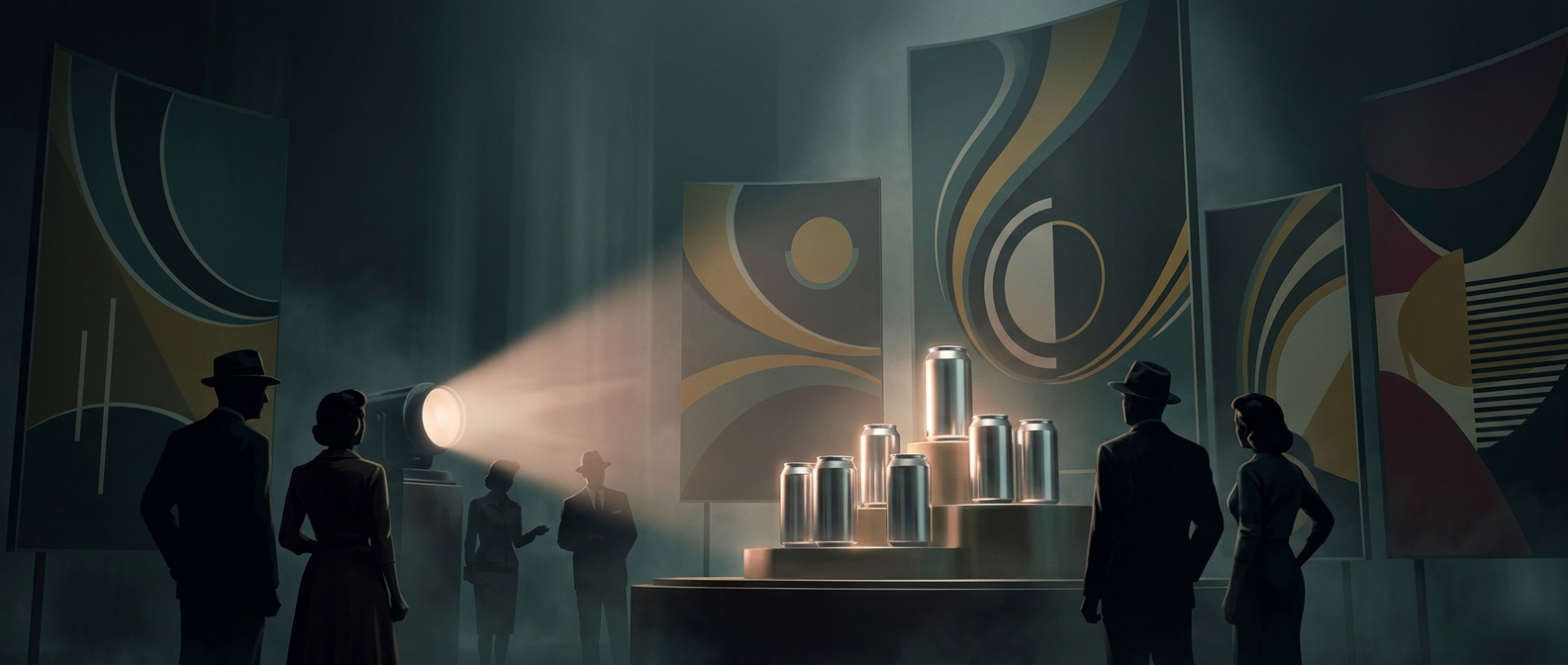
The idea was to seal ordinary water in advance, so a household would not have to rely on working taps during a crisis. A closed can kept the contents apart from outside dust and handling, while its rigid metal walls were less prone to puncture than many light containers. Cans could also be stored alongside other pantry supplies, ready to open when needed.
That protection had limits: a can could preserve water from outside exposure, but it could not make water safe if it had been contaminated before filling. The value was in preparing a clean supply before an emergency, not treating questionable water afterward.
Turning fear into an everyday object
Canned water made an abstract threat tangible. Nuclear disaster was difficult to predict or control; a sealed container on a shelf was something a household could buy and put away. The product translated a large, frightening possibility into a modest practical action: keep drinking water within reach if normal infrastructure stopped working.
That is why the can mattered as much as its contents. It made emergency water look like a familiar pantry staple—ordinary enough to store, but intended for a moment when ordinary services might no longer be there.