Why a cheetah’s claws do not fully retract
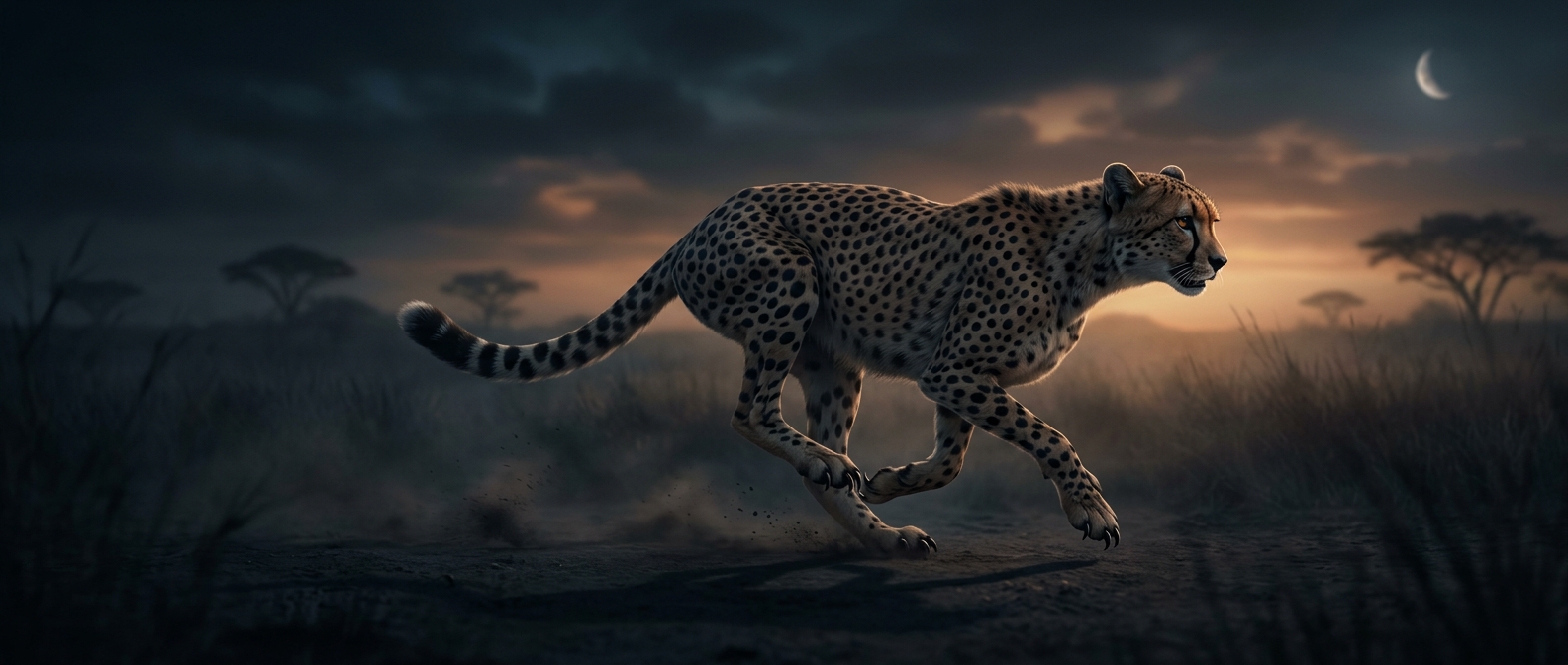
Most cats pull their claws into protective sheaths when they are not using them. A cheetah’s claws retract only partway, leaving the tips more exposed. That difference gives the animal a built-in source of traction: when a paw presses into the ground, the claw tips can catch the surface rather than simply slide across it.
Grip helps turn speed into control
Running fast is not just a matter of pushing forward. A cheetah must also keep its feet from skidding as it accelerates, brakes, or changes direction after prey. Its exposed claws work somewhat like cleats, helping the paws grip the ground during those sudden forces. They are one part of a larger running system that includes powerful limbs and a flexible spine; they do not, by themselves, make high-speed movement possible.
The tradeoff is audible on smooth, hard surfaces. Claw tips that can bite into dirt or other ground can also tap against a floor, producing the familiar clicking sound. The same feature that helps a cheetah hold a turn outdoors gives away each step indoors.