Science
Discover facts about science. Small discoveries that change the way you see familiar things.
Science

J and Q are absent from today's permanent element symbols
The 118 named elements use symbols drawn from several languages and naming traditions, rather than a complete alphabet. Iron's Fe comes from Latin, for…
Discover more
Why farts can catch fire
Some gut bacteria make methane and hydrogen as they digest food, and those gases can burn. But not every fart contains enough of them to catch fire; many are…
Discover more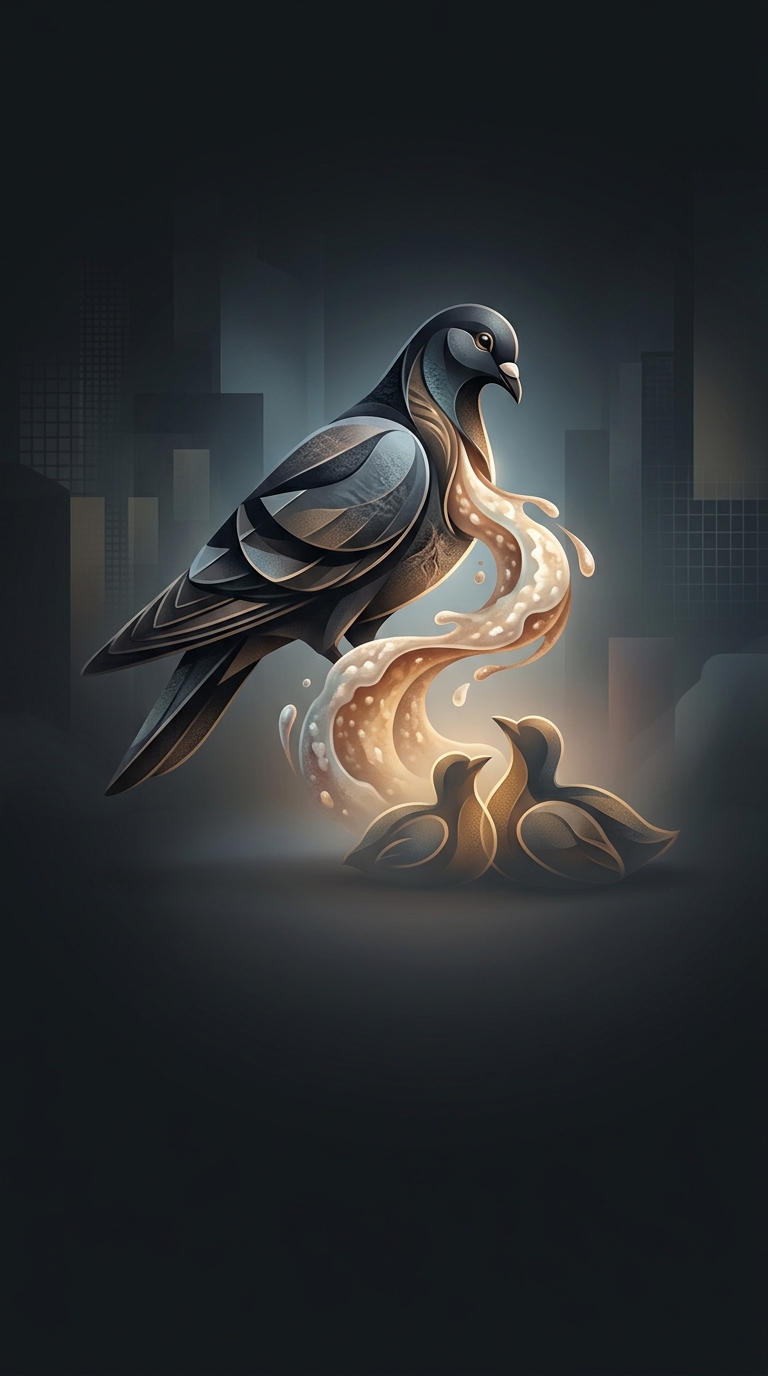
Pigeon parents feed their chicks a rich food made from their own cells.
Pigeon parents feed their chicks a rich food made from their own cells. During breeding, the lining of the crop thickens and produces fat-rich cells that are…
Discover more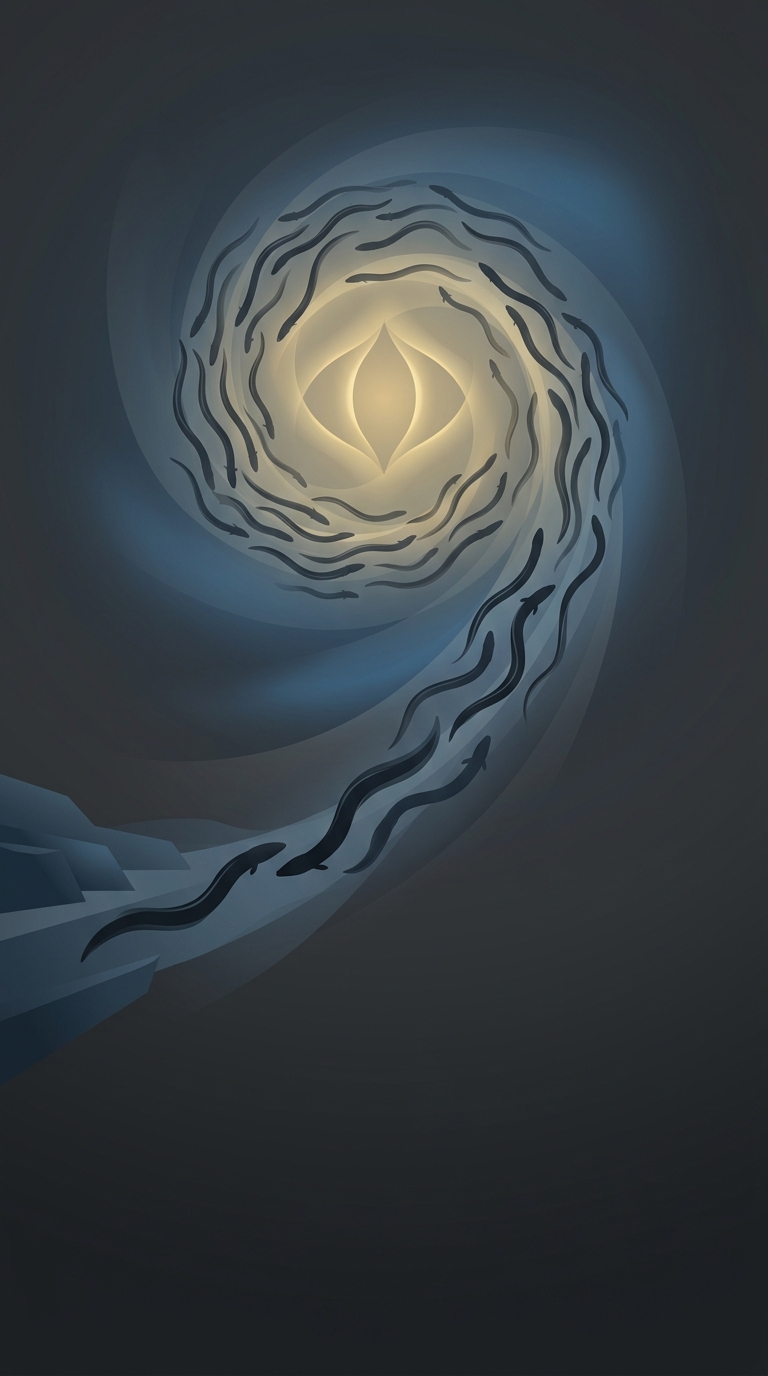
Scientists tracked European eels to their ocean rendezvous.
Scientists tracked European eels to their ocean rendezvous. For decades, the youngest larvae pointed toward the Sargasso Sea as the breeding area. A study…
Discover more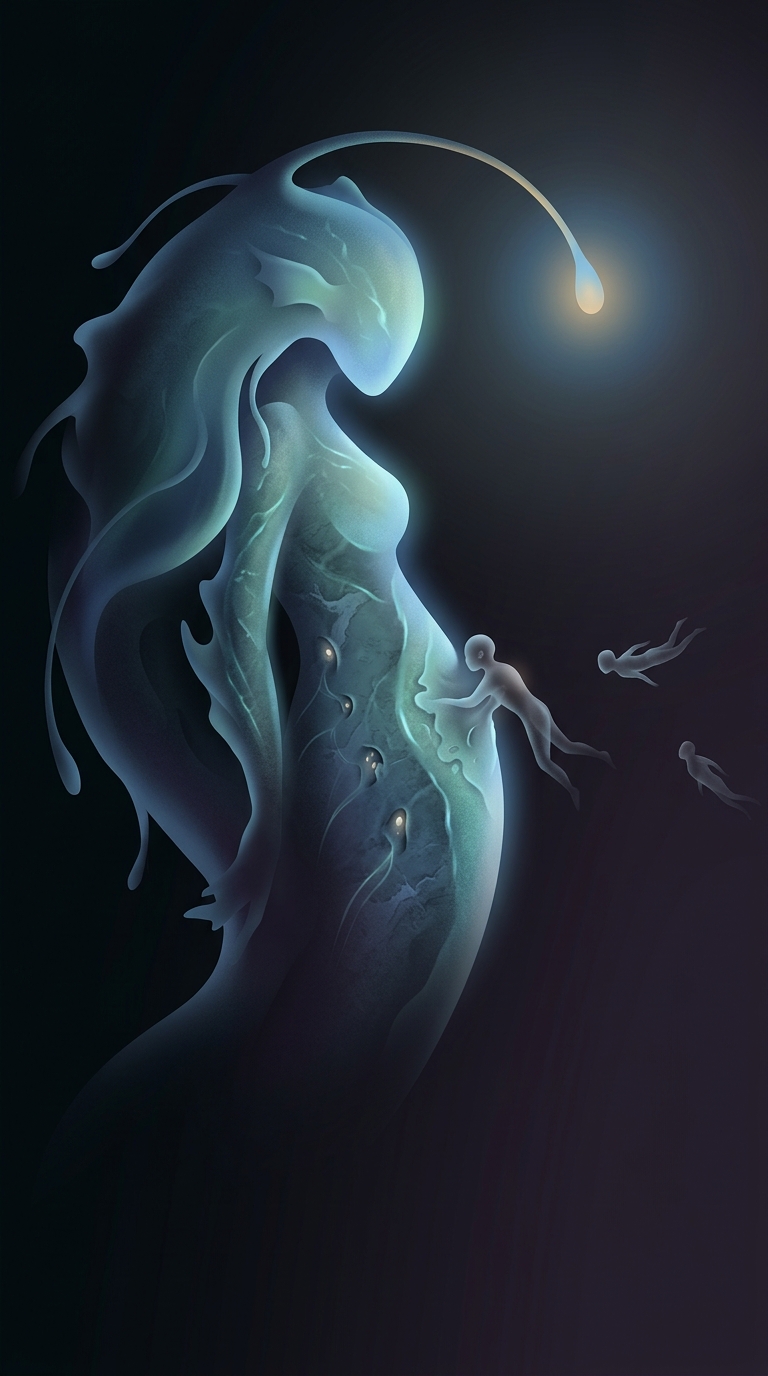
Some male anglerfish fuse permanently with a much larger mate.
Some male anglerfish fuse permanently with a much larger mate. After a male bites onto a female, their tissues and blood supplies can join, leaving her…
Discover more
Cicadas spend up to seventeen entire years living completely underground as nymphs, quietly sucking fluids out of tree roots in total darkness, only to emerge simultaneously in a massive, apocalyptic swarm.
Cicadas spend up to seventeen entire years living completely underground as nymphs, quietly sucking fluids out of tree roots in total darkness, only to emerge…
Discover more STACKY FOR IPHONE
A bigger world.
One discovery
at a time.
Keep discovering with Stacky. Interesting facts in an app that is always within reach.
A cultivated strawberry carries eight sets of chromosomes.
A cultivated strawberry carries eight sets of chromosomes. That makes the familiar fruit a convenient subject for simple DNA demonstrations. Breaking open…
Discover more
Human skin is completely covered in invisible, alternating stripes and swirling patterns known as Blaschko's lines, which follow the paths of our embryonic cell migration.
Human skin is completely covered in invisible, alternating stripes and swirling patterns known as Blaschko's lines, which follow the paths of our embryonic…
Discover more
Naked mole-rats survived 18 minutes without oxygen in a lab.
Naked mole-rats survived 18 minutes without oxygen in a lab. In a 2017 experiment, the animals recovered after complete oxygen deprivation that would quickly…
Discover more
Human DNA is comprised of roughly eight percent ancient viral fragments, left over from infections that plagued our evolutionary ancestors millions of years ago.
Human DNA is comprised of roughly eight percent ancient viral fragments, left over from infections that plagued our evolutionary ancestors millions of years…
Discover more
Whales fertilize the ocean where sunlight reaches.
Whales fertilize the ocean where sunlight reaches. By feeding at depth and releasing nutrient-rich waste near the surface, whales move ingredients for…
Discover more
Your sleeping brain is not taking the night off.
Your sleeping brain is not taking the night off. Sleep supports learning and memory while activity moves through distinct stages. Scientists are still working…
Discover more
Whip-poor-will chicks often hatch as the Moon is getting brighter.
Whip-poor-will chicks often hatch as the Moon is getting brighter. Research found hatching tended to align with young waxing moons, giving parents increasing…
Discover more
Sea otters rely on fur rather than a thick layer of blubber.
Sea otters rely on fur rather than a thick layer of blubber. Their dense coat traps air, so grooming is essential maintenance for staying warm. They rest in…
Discover more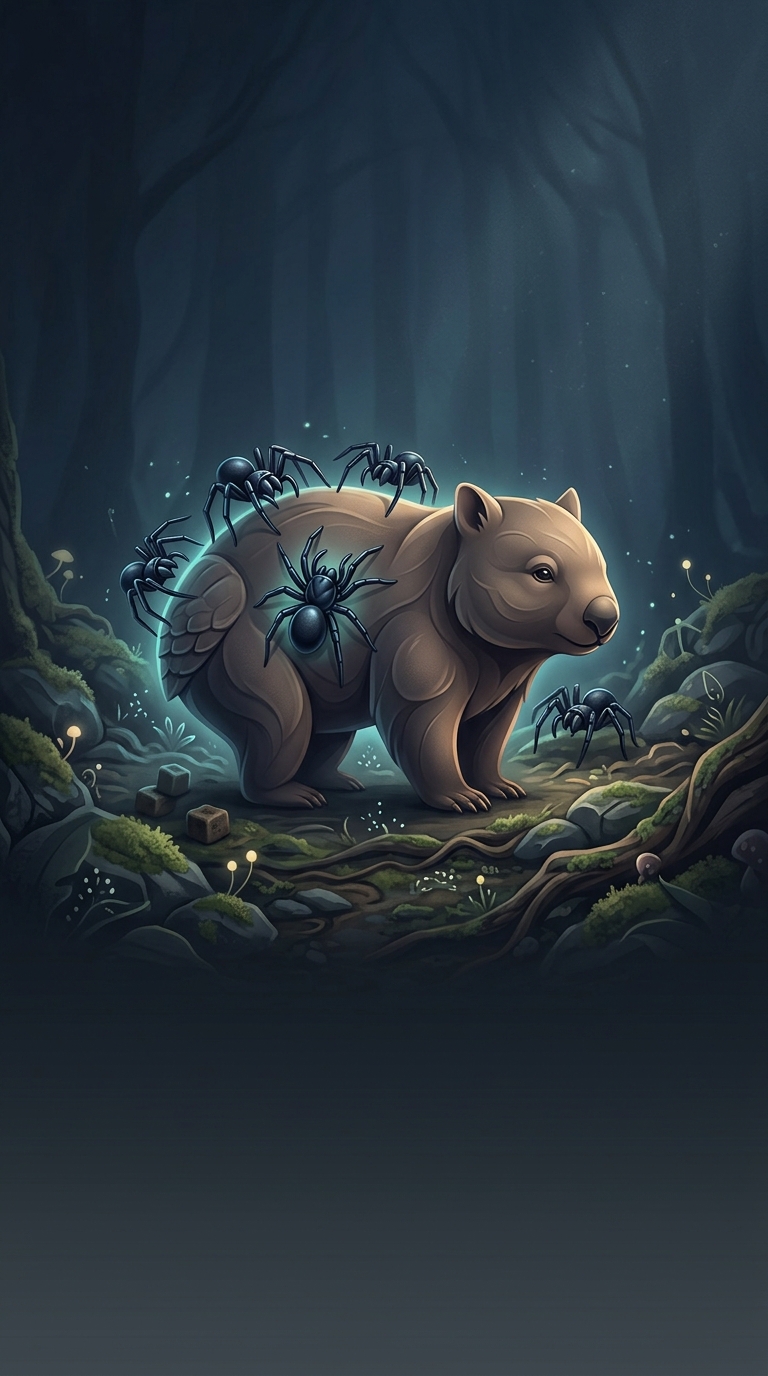
Wombats make cubes inside a round digestive system.
Wombats make cubes inside a round digestive system. Researchers found that varying stiffness in a wombat's intestinal walls helps shape its droppings into…
Discover more
Ticks wait where the next meal has to brush past.
Ticks wait where the next meal has to brush past. A questing tick climbs onto vegetation and holds out its front legs, ready to grab a passing host. It…
Discover more
The dinosaurs outside your window never went extinct.
The dinosaurs outside your window never went extinct. Birds belong inside the dinosaur family tree, rather than merely resembling distant prehistoric…
Discover more
Maple trees have aggressively bioengineered their seeds into aerodynamic marvels known as samaras that perfectly mimic the complex physical mechanics of modern helicopter blades,…
Maple trees have aggressively bioengineered their seeds into aerodynamic marvels known as samaras that perfectly mimic the complex physical mechanics of…
Discover more
Water can make sodium burn instead of putting it out.
Water can make sodium burn instead of putting it out. Sodium reacts with water to produce heat and hydrogen gas. The heat can ignite the hydrogen, and the…
Discover more
DNA helped researchers make cotton resist fire.
DNA helped researchers make cotton resist fire. In experiments, a coating made from herring sperm DNA formed a protective char layer when heated. Its chemical…
Discover more
The Sun holds about 99.8% of the solar system's mass.
The Sun holds about 99.8% of the solar system's mass. The planets, moons, asteroids, and other objects share almost all the remainder. Solar gravity bends the…
Discover more
Goats rotate their eyes as they lower their heads to graze.
Goats rotate their eyes as they lower their heads to graze. Their horizontal pupils stay roughly aligned with the ground even while the head changes angle.…
Discover more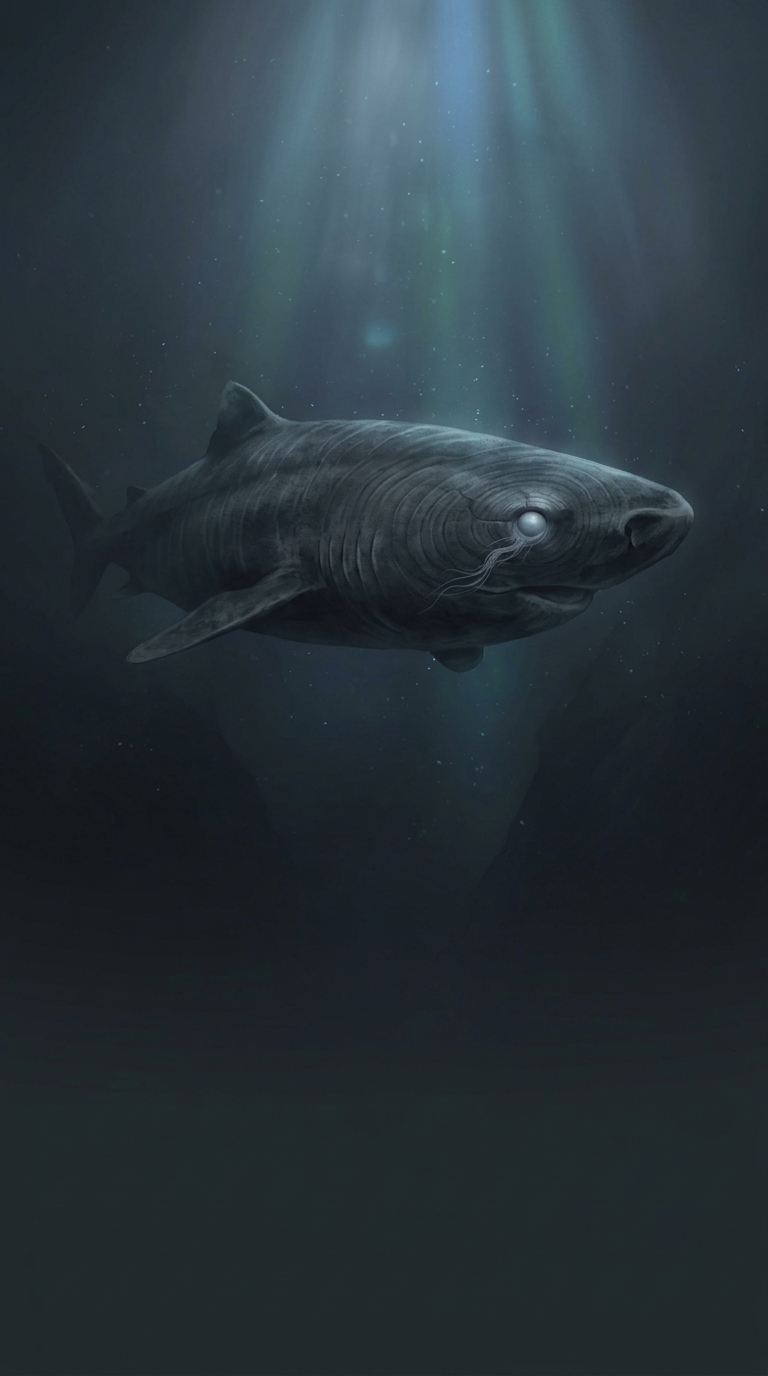
A Greenland shark's eyes can preserve centuries-old clues.
A Greenland shark's eyes can preserve centuries-old clues. Proteins at the center of its eye lens form early and are not continually replaced. Researchers…
Discover more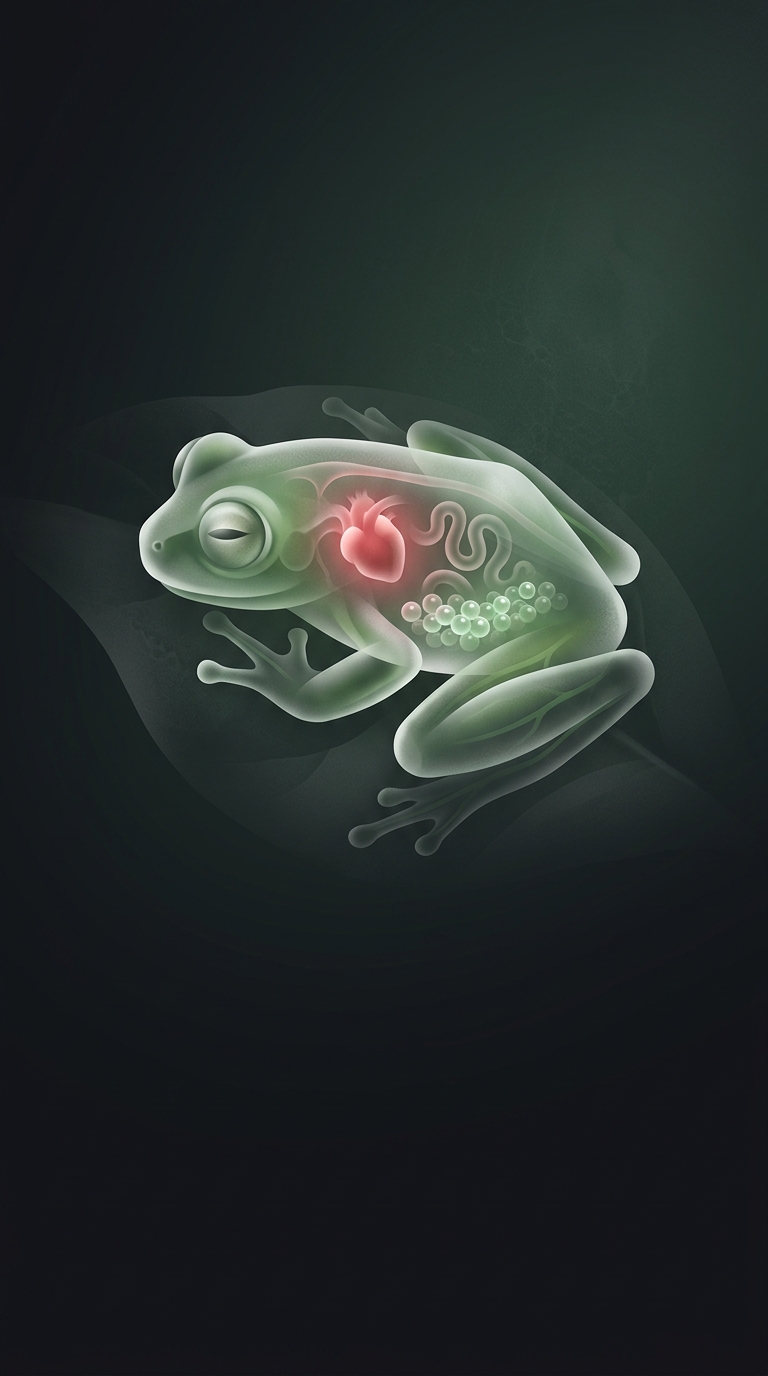
Some glassfrogs become more transparent when they sleep by hiding most of their red blood cells in their liver.
Some glassfrogs become more transparent when they sleep by hiding most of their red blood cells in their liver. Researchers found that resting frogs packed…
Discover more