Science
Discover facts about science. Small discoveries that change the way you see familiar things.
Science
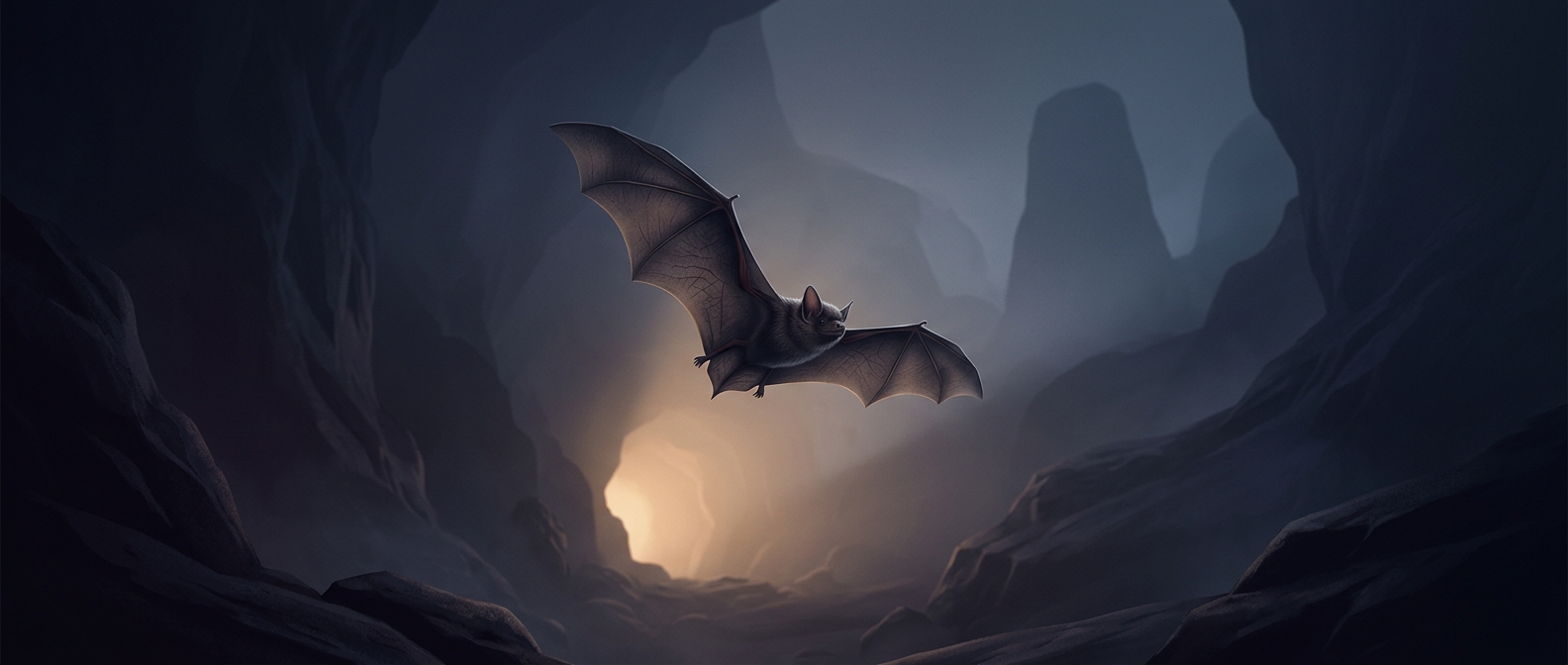
Bats remain the singular mammalian species on this planet capable of achieving sustained powered flight
Flying squirrels are lying frauds who just fall with style in meat-suits, leaving bats as the only true aerial mammals. Unlike gliders, bats evolved highly…
Discover more
Bananas contain potassium-40, making them legitimately radioactive enough to trigger false alarms at nuclear checkpoints if you pack enough of them, though you would need to eat…
Bananas contain potassium-40, making them legitimately radioactive enough to trigger false alarms at nuclear checkpoints if you pack enough of them, though…
Discover more
Venus flytraps essentially have a rudimentary ability to count, requiring exactly two touches on their sensory hairs within twenty seconds to snap shut, which prevents the plant…
Venus flytraps essentially have a rudimentary ability to count, requiring exactly two touches on their sensory hairs within twenty seconds to snap shut, which…
Discover more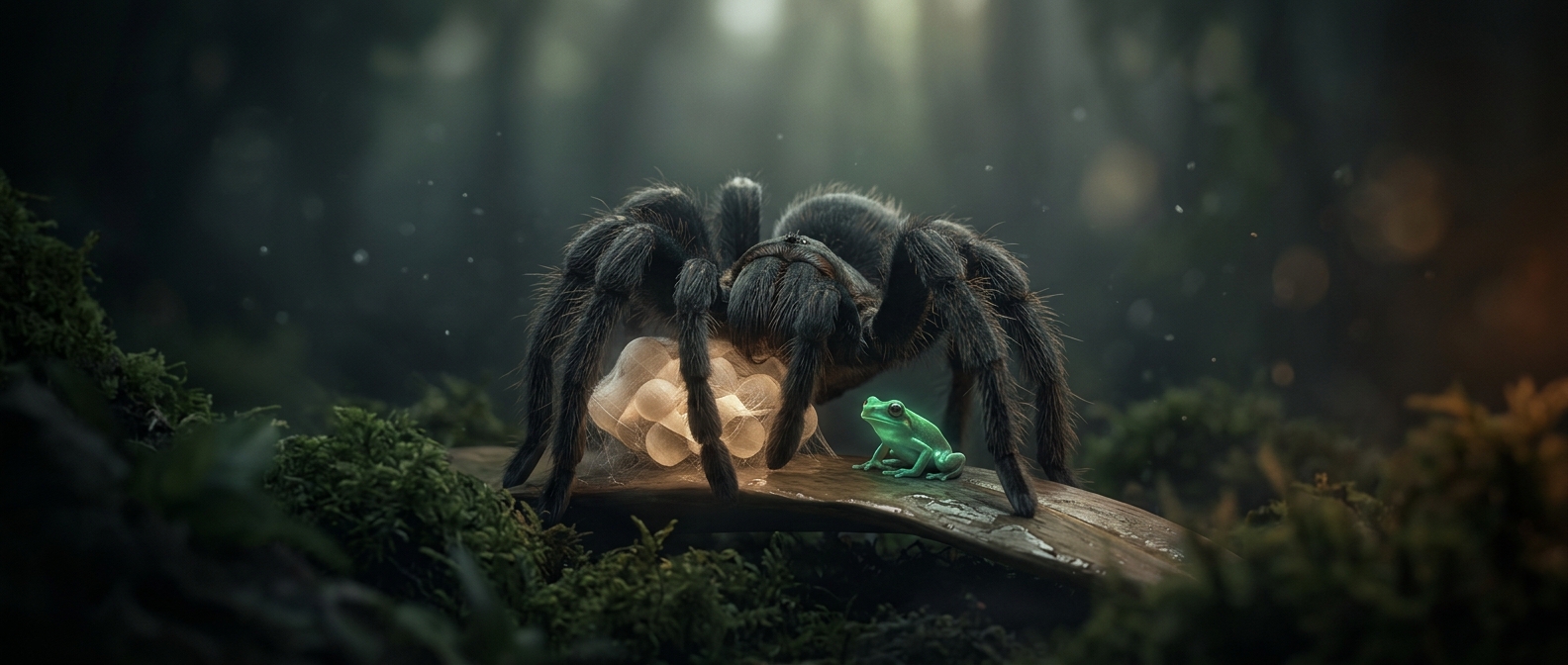
Why tarantulas share their burrows with tiny frogs
Even giant nightmare spiders understand the value of a good guard dog. Certain large tarantulas willingly share their burrows with tiny microhylid frogs. In…
Discover more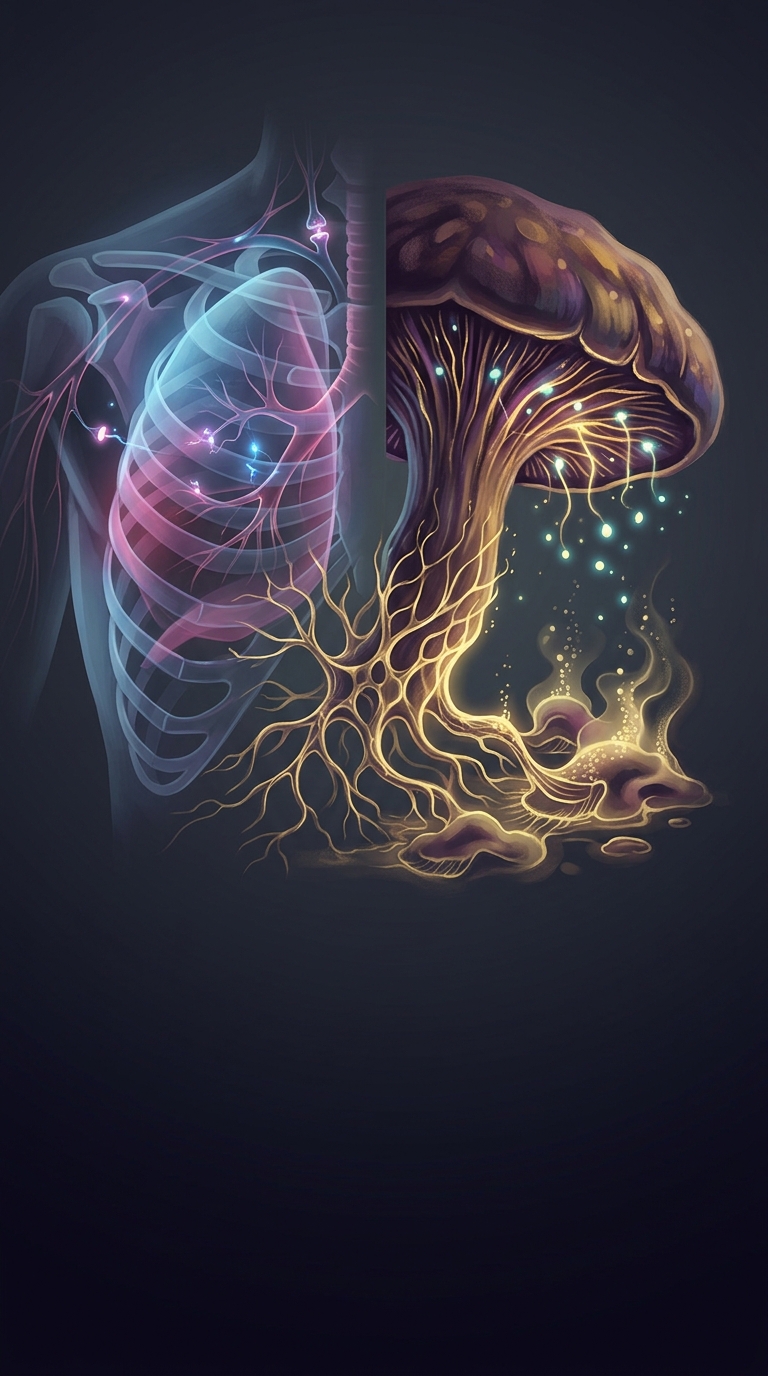
Fungi are genetically much closer to humans and other animals than they are to plants, completely debunking the culinary assumption that mushrooms are just weird vegetables.
Fungi are genetically much closer to humans and other animals than they are to plants, completely debunking the culinary assumption that mushrooms are just…
Discover more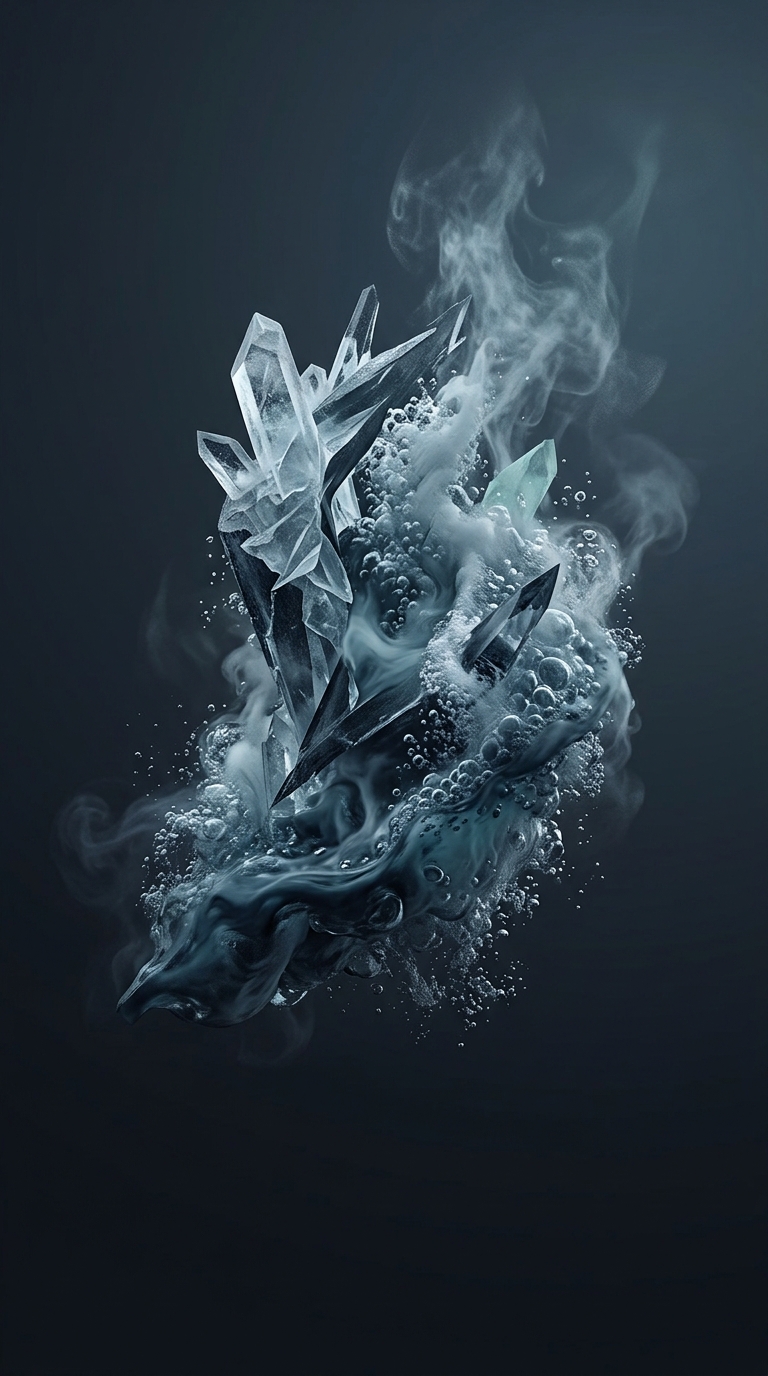
Triple point is the exact temperature and pressure at which a substance can exist as a solid, liquid, and gas simultaneously in thermodynamic equilibrium.
Triple point is the exact temperature and pressure at which a substance can exist as a solid, liquid, and gas simultaneously in thermodynamic equilibrium. for…
Discover more STACKY FOR IPHONE
A bigger world.
One discovery
at a time.
Keep discovering with Stacky. Interesting facts in an app that is always within reach.

Eucalyptus trees can pull gold into their leaves
If money doesn't grow on trees, nobody told the Australian flora. Eucalyptus trees growing over deep gold deposits act like biological mining drills. Their…
Discover more
Archaeologists have found pots of honey in ancient Egyptian tombs that are over three thousand years old and still perfectly edible.
Archaeologists have found pots of honey in ancient Egyptian tombs that are over three thousand years old and still perfectly edible. Honey's incredible…
Discover more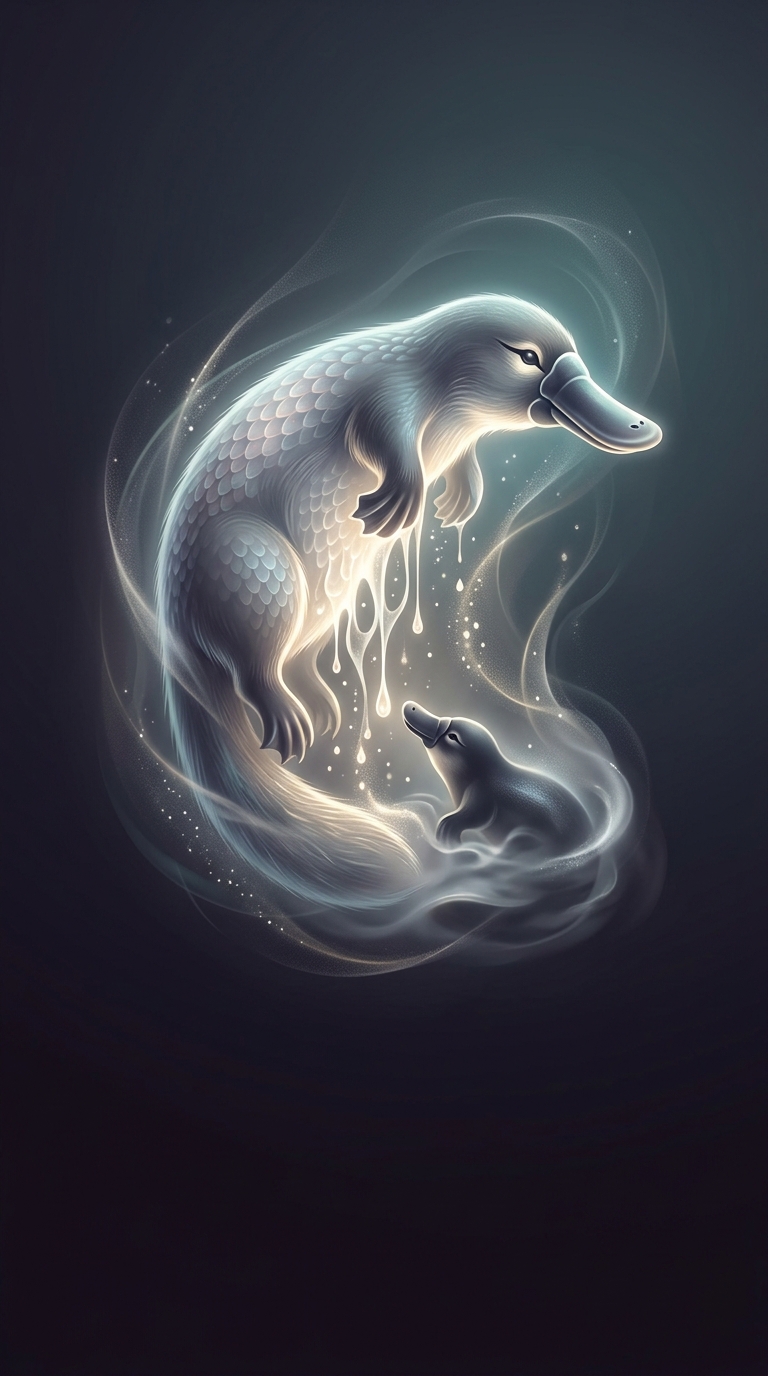
Platypuses do not have nipples, so they sweat milk out of specialized mammary gland ducts on their abdomen to feed their young.
Platypuses do not have nipples, so they sweat milk out of specialized mammary gland ducts on their abdomen to feed their young. Baby platypuses simply lick…
Discover more
Octopuses possess nine brains, with a central nervous system and a smaller cluster of nerve cells at the base of each of their eight arms.
Octopuses possess nine brains, with a central nervous system and a smaller cluster of nerve cells at the base of each of their eight arms. Having…
Discover more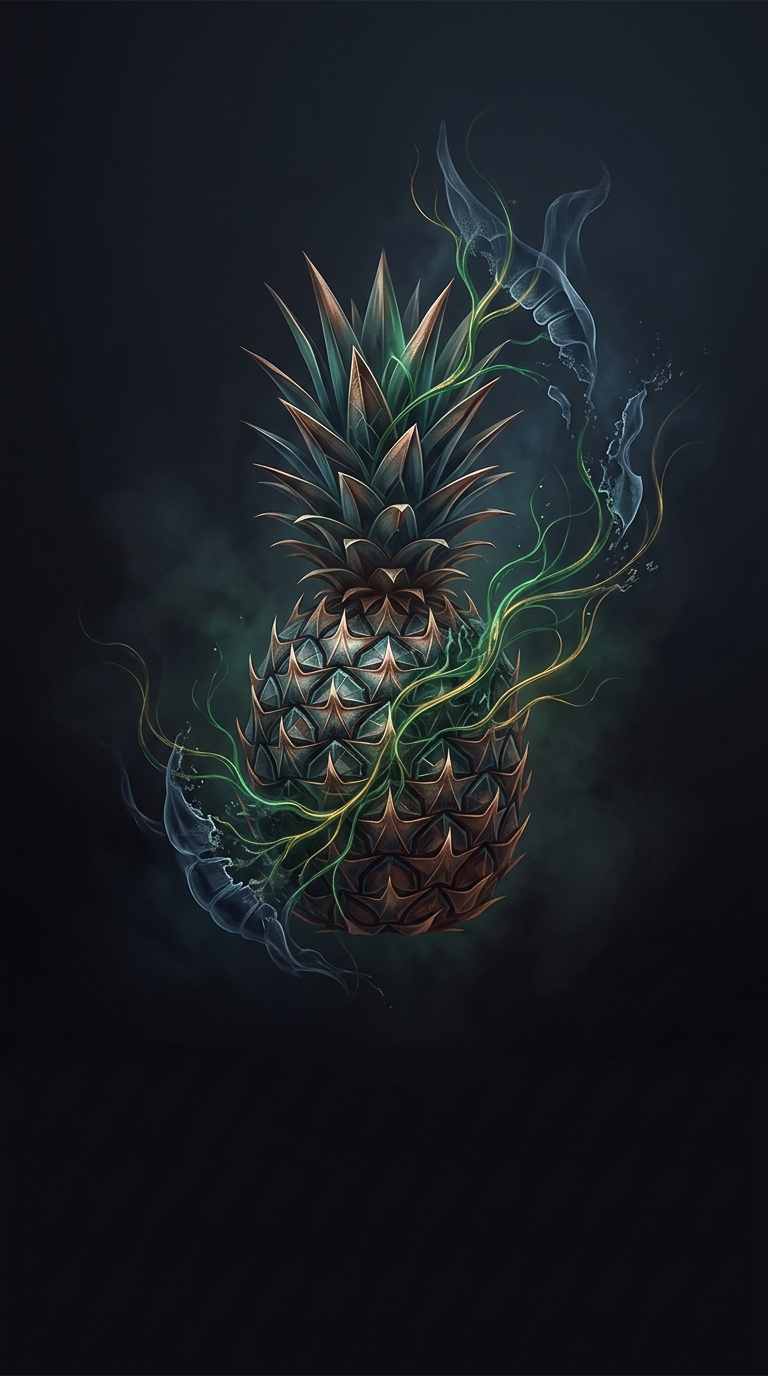
Pineapples contain a flesh-eating enzyme called bromelain that actively digests proteins, meaning that when you eat a pineapple, the fruit is literally trying to eat you back.
Pineapples contain a flesh-eating enzyme called bromelain that actively digests proteins, meaning that when you eat a pineapple, the fruit is literally trying…
Discover more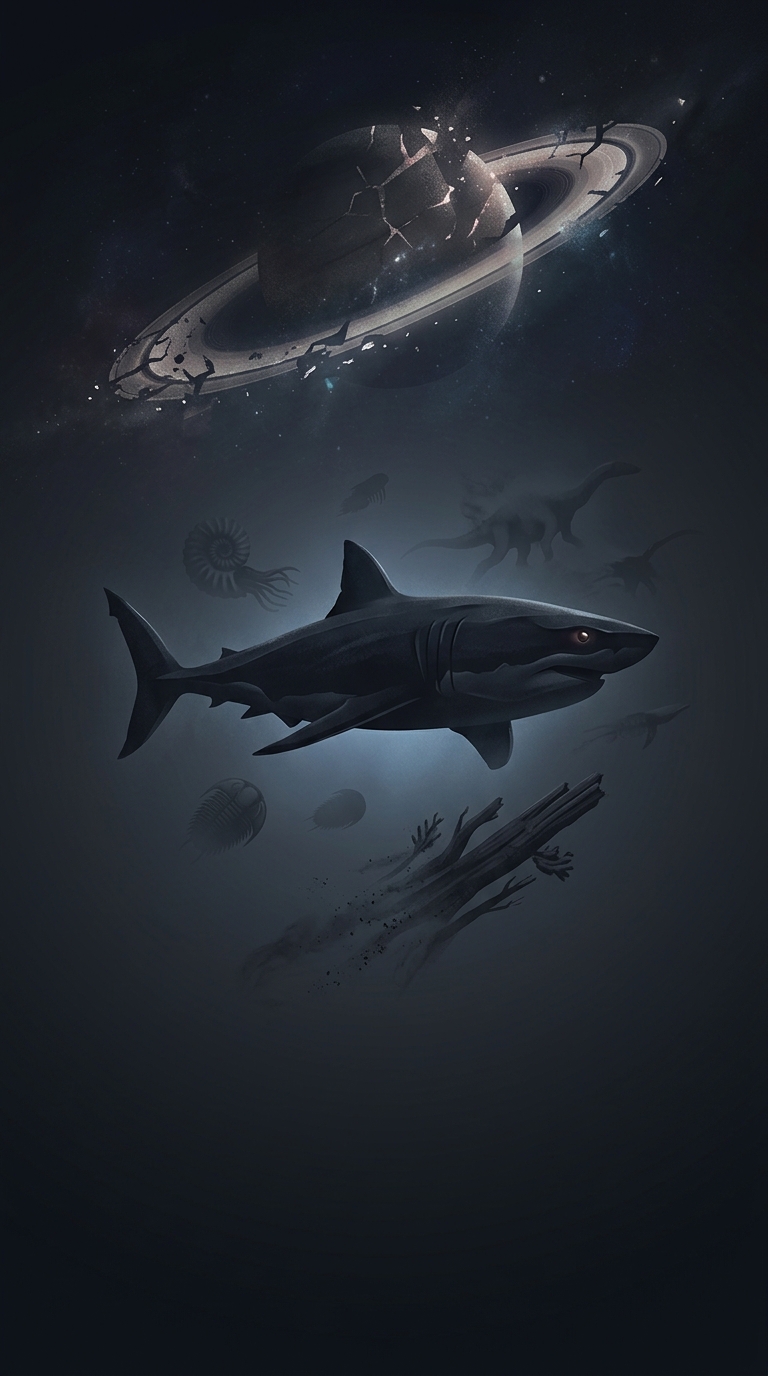
Sharks are older than the rings of Saturn and actually predate the existence of trees on Earth by at least ninety million years, having first appeared roughly 400 million years ago.
Sharks are older than the rings of Saturn and actually predate the existence of trees on Earth by at least ninety million years, having first appeared roughly…
Discover more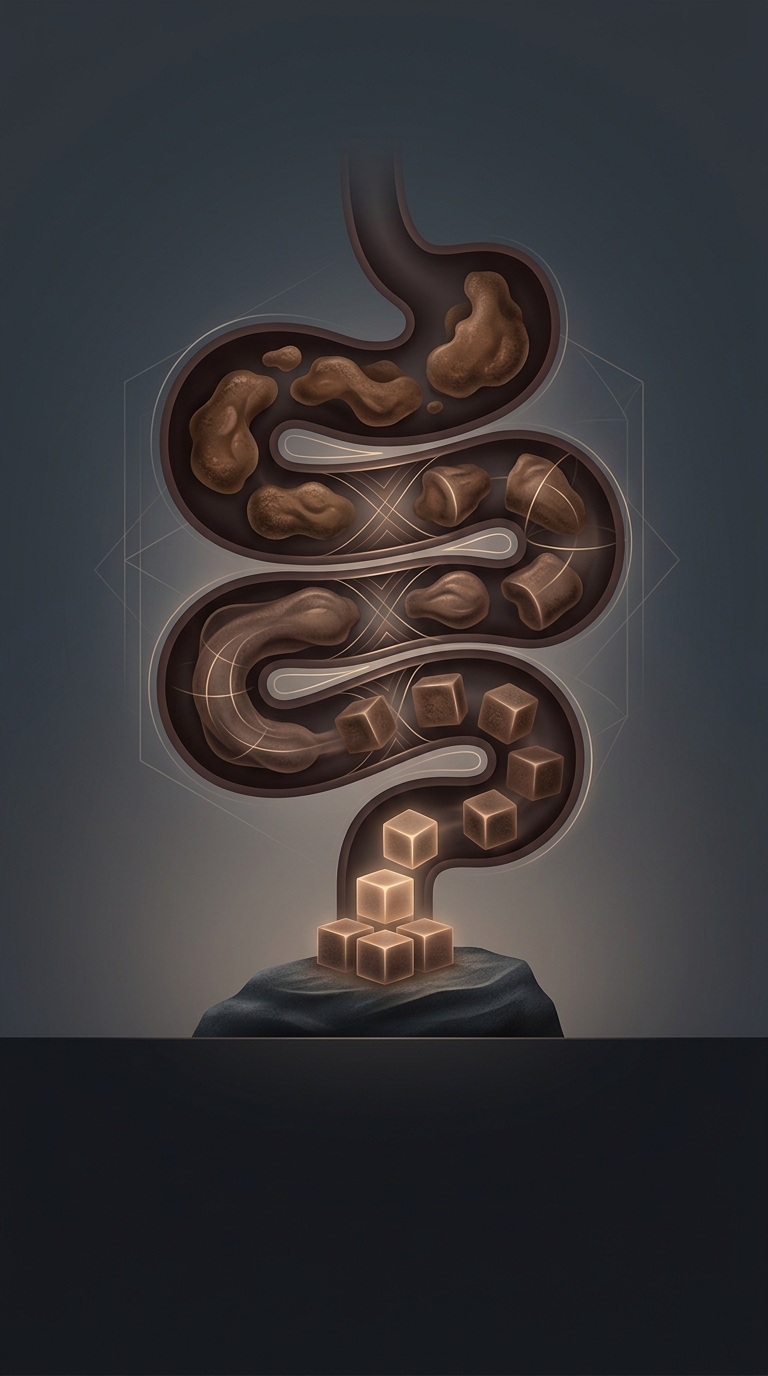
Wombats produce cube-shaped feces to mark their territory and prevent the droppings from rolling away off steep surfaces.
Wombats produce cube-shaped feces to mark their territory and prevent the droppings from rolling away off steep surfaces. Because their intestines have…
Discover more
Mantis shrimp possess spring-loaded claws that punch with the speed of a .22 caliber bullet, striking their prey so fast that the surrounding water literally boils from the friction.
Mantis shrimp possess spring-loaded claws that punch with the speed of a .22 caliber bullet, striking their prey so fast that the surrounding water literally…
Discover more
Why a flame usually has no shadow
Fire destroys almost everything in its path, but it can't manage to accomplish the basic task of blocking light. A shadow is formed when an opaque object…
Discover more
Your dog’s nose print is its fingerprint
Humans have fingerprints; dogs have nose ridges. The bumps, lines, and creases on a dog's wet snout are completely distinct to that individual animal. Some…
Discover more
A drop of water holds 1.5 sextillion atoms
We drastically underestimate how tiny atoms are. A single drop of water contains roughly 1.5 sextillion atoms. That is 1,500,000,000,000,000,000,000 atoms…
Discover more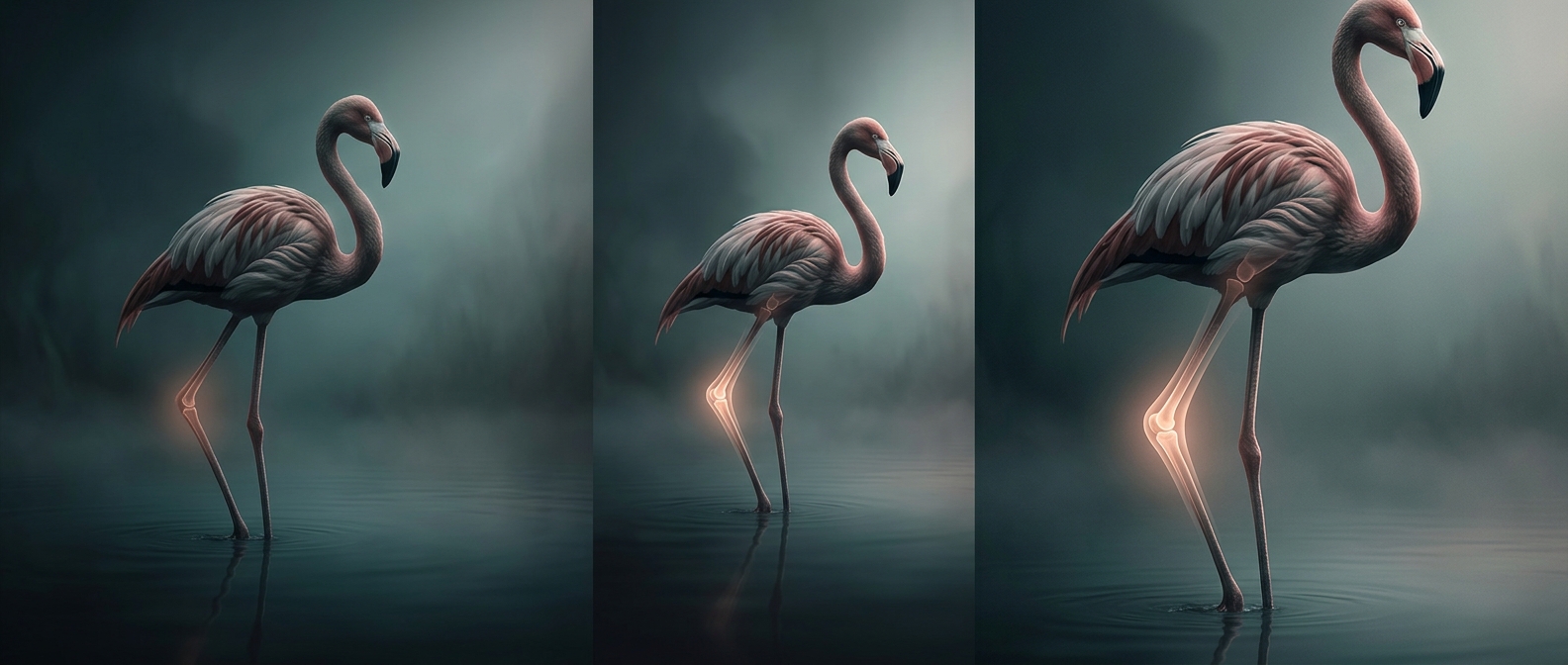
Flamingos’ knees are hiding under their feathers
Everything you thought you knew about these aggressive pink lawn ornaments is an anatomical lie. What humans assume is a flamingo's backward-bending knee is…
Discover more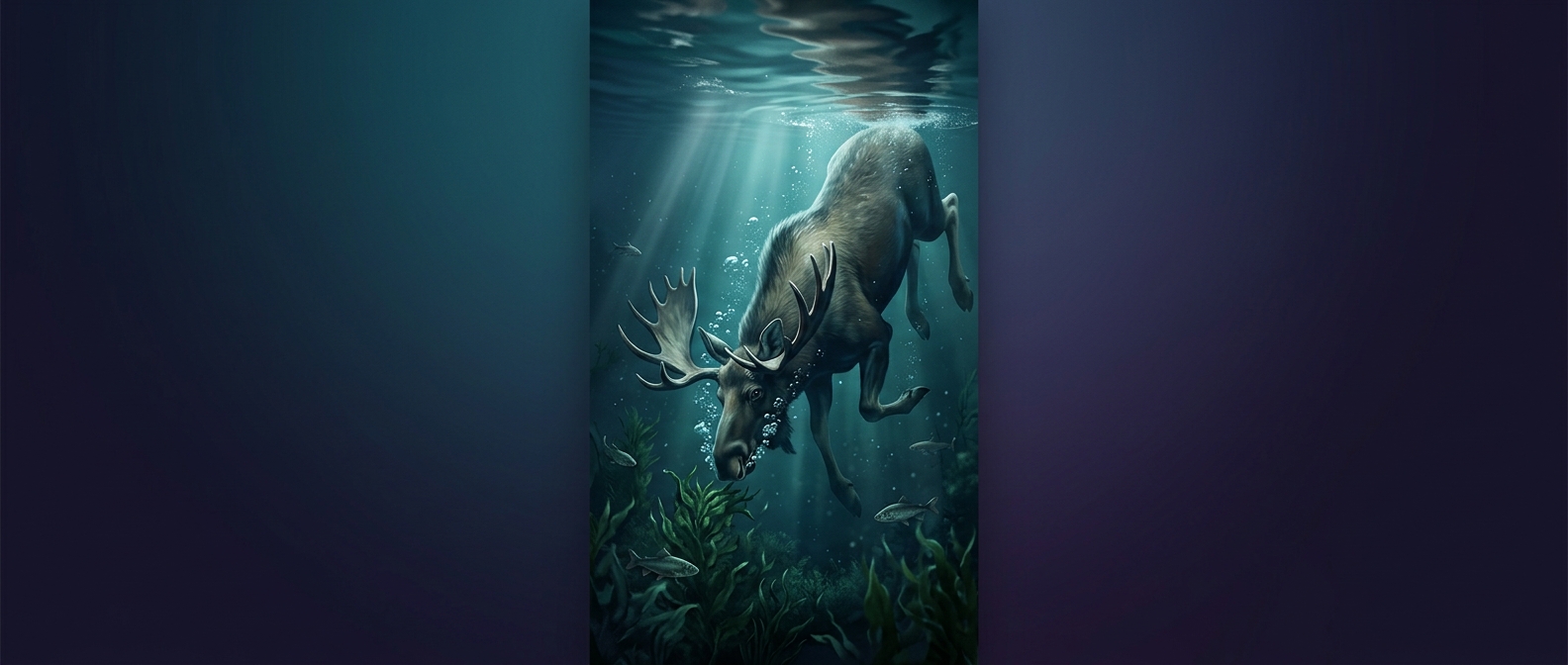
Moose can dive for water lilies
Imagine kayaking on a serene lake and seeing a thousand-pound forest giant emerge from the depths like a hairy submarine. Moose are shockingly excellent…
Discover more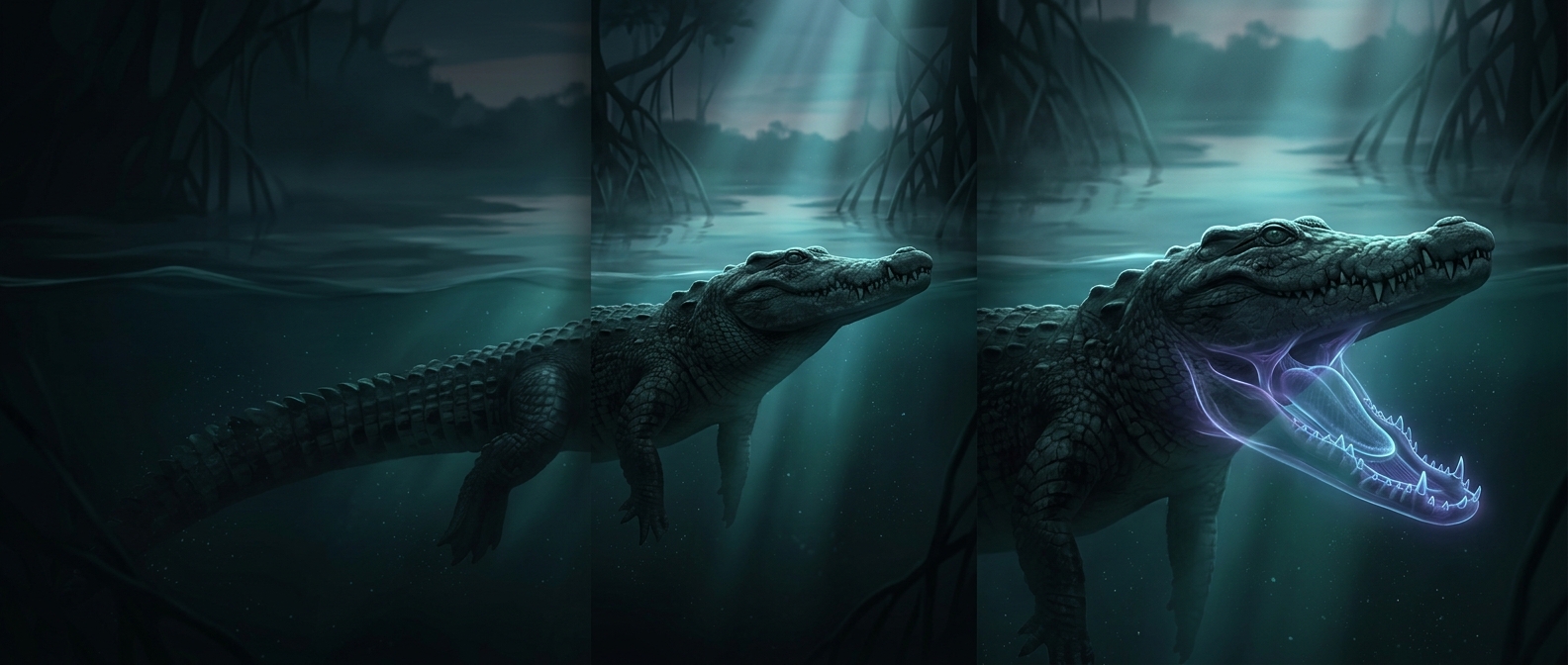
Why crocodiles can’t stick out their tongues
For all their terrifying, prehistoric menace, crocs suffer from a severe lack of tongue mobility. A crocodile's tongue is held in place by a membrane that…
Discover more
Snow is technically a mineral
Geologists love a good pedantic technicality, and winter weather is their absolute favorite loophole. To be classified as a mineral, a substance must be…
Discover more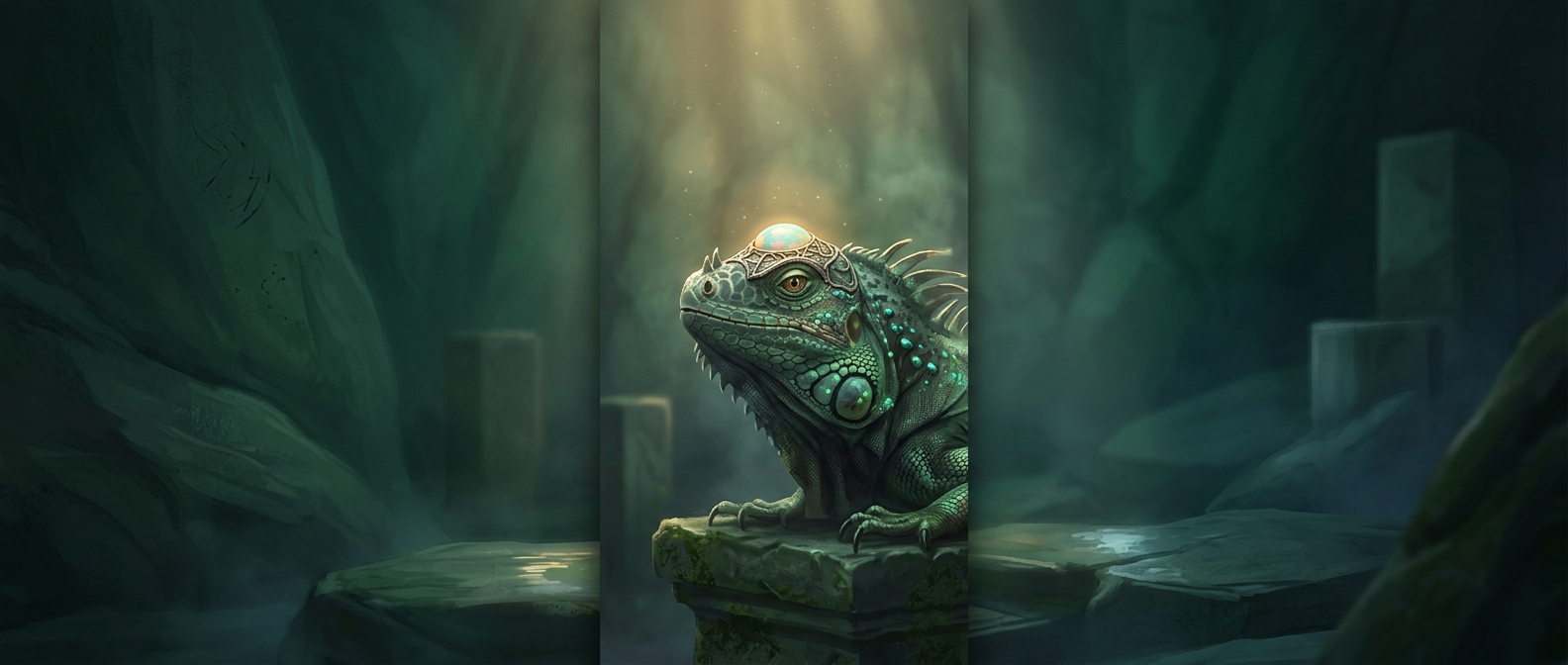
Iguanas have a hidden third eye
Having an entire biological backup eye purely for detecting shadows sounds like extreme paranoid behavior. Many lizards, including iguanas, have a parietal…
Discover more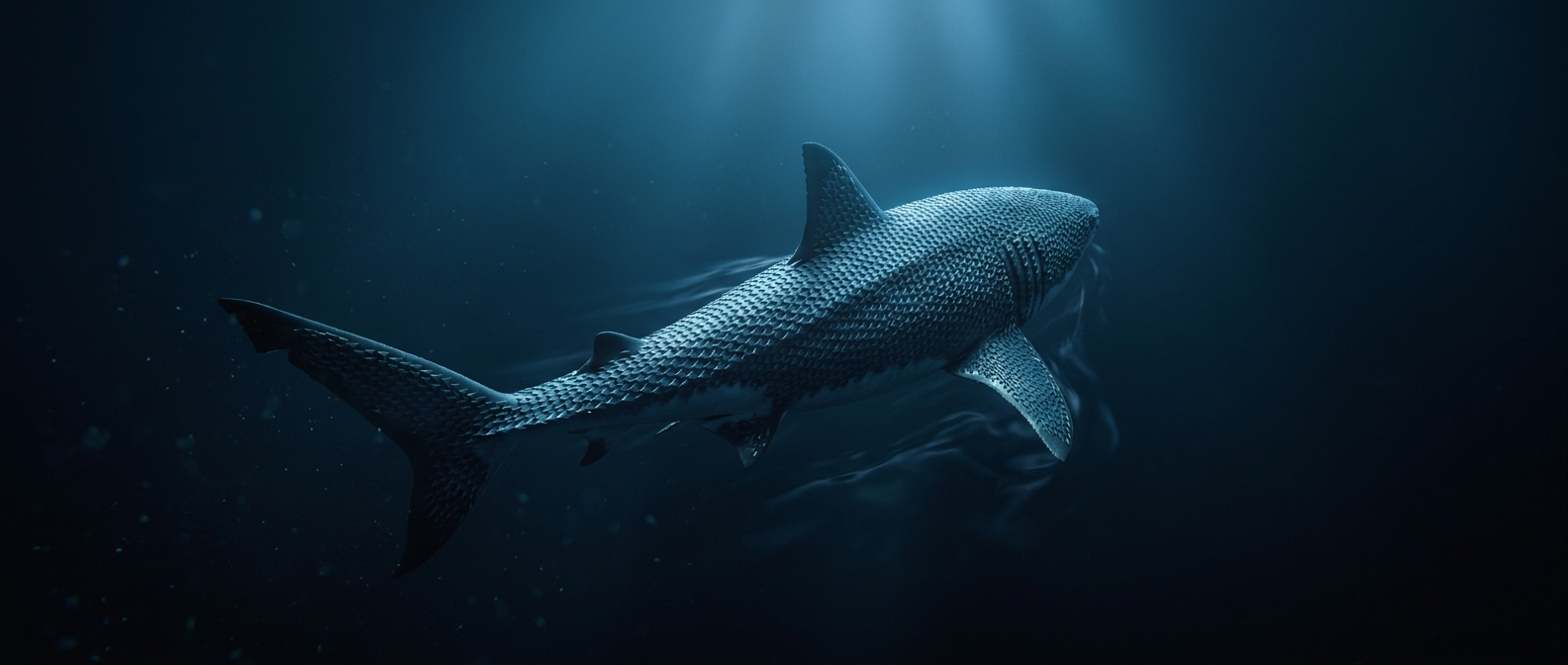
Sharks wear tiny teeth instead of scales
Because having rows of razor-sharp teeth in their mouths wasn't terrifying enough, sharks decided to wear them as a full-body suit. Shark skin is entirely…
Discover more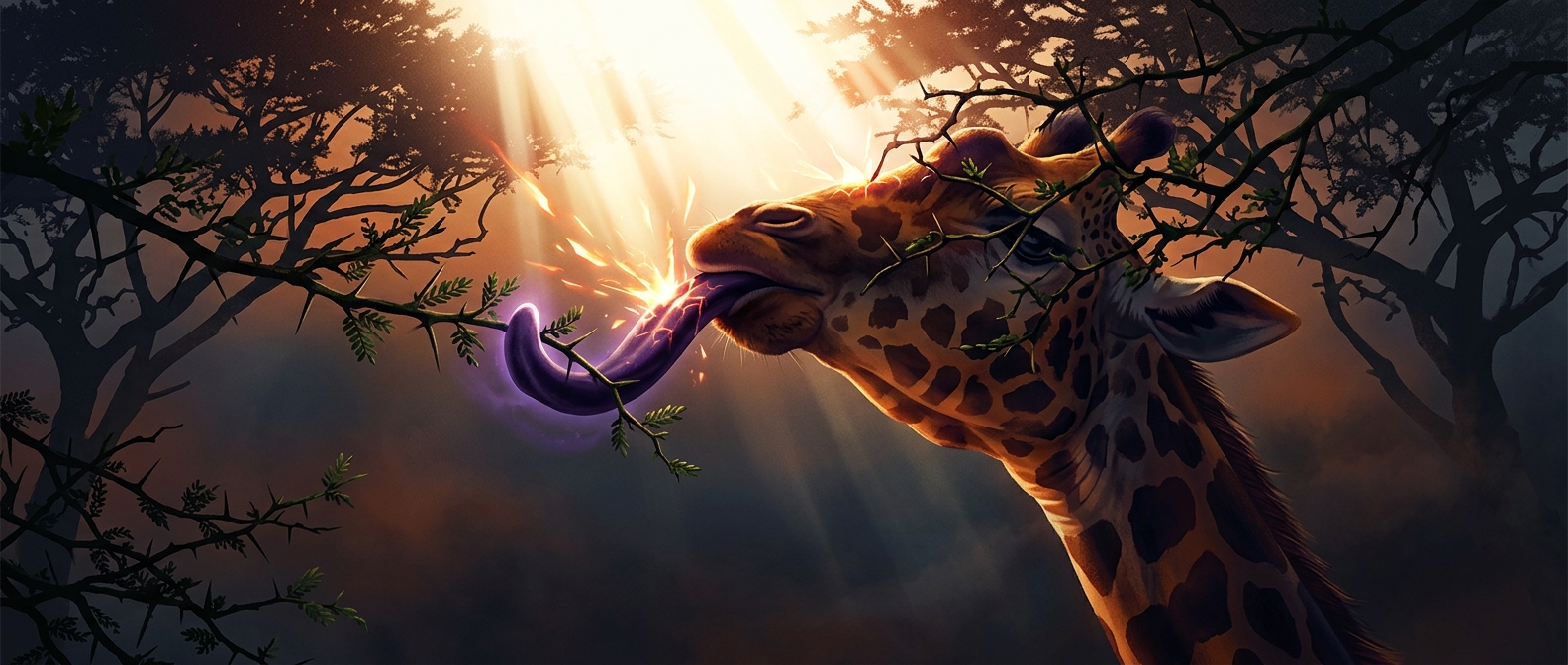
Why giraffes have purple tongues
Imagine being so tall that your primary evolutionary concern is whether the inside of your mouth needs SPF 50. Because giraffes spend up to 12 hours a day…
Discover more