The evolutionary clue is in the family tree
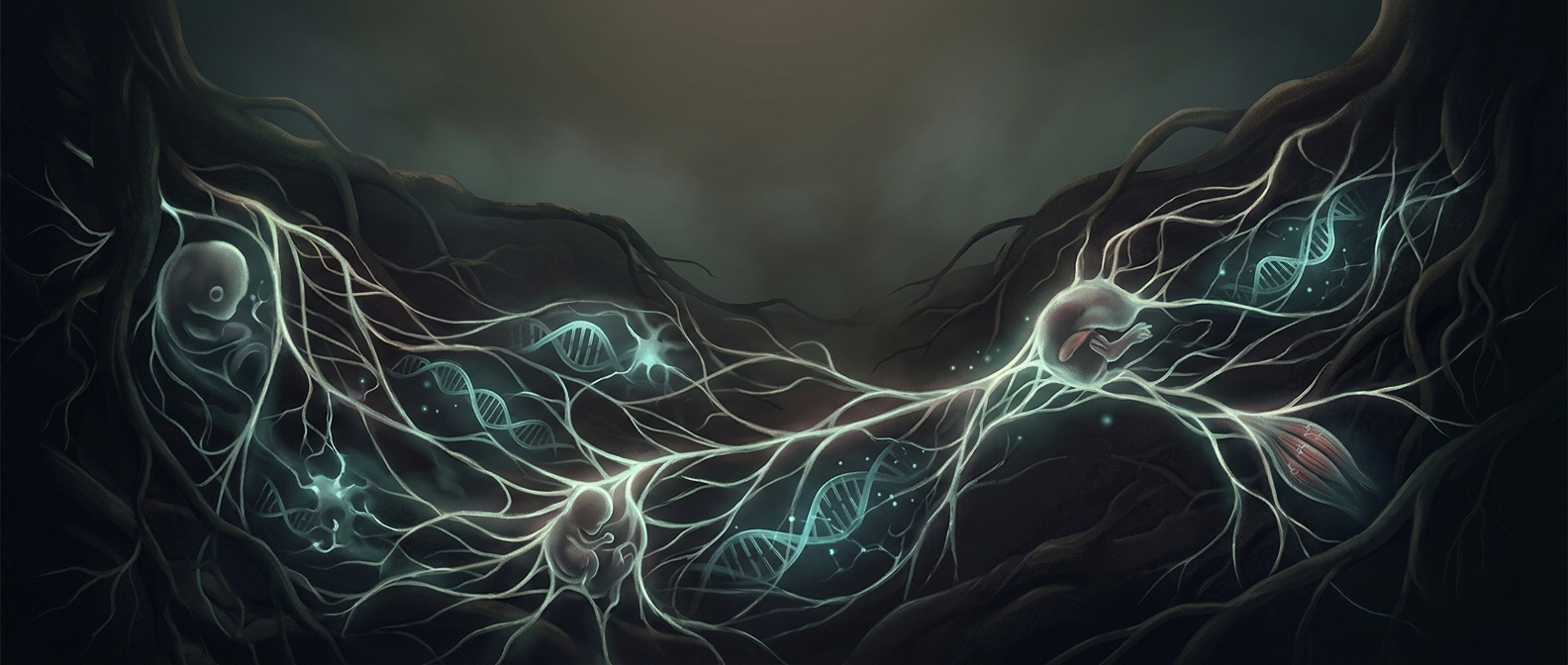
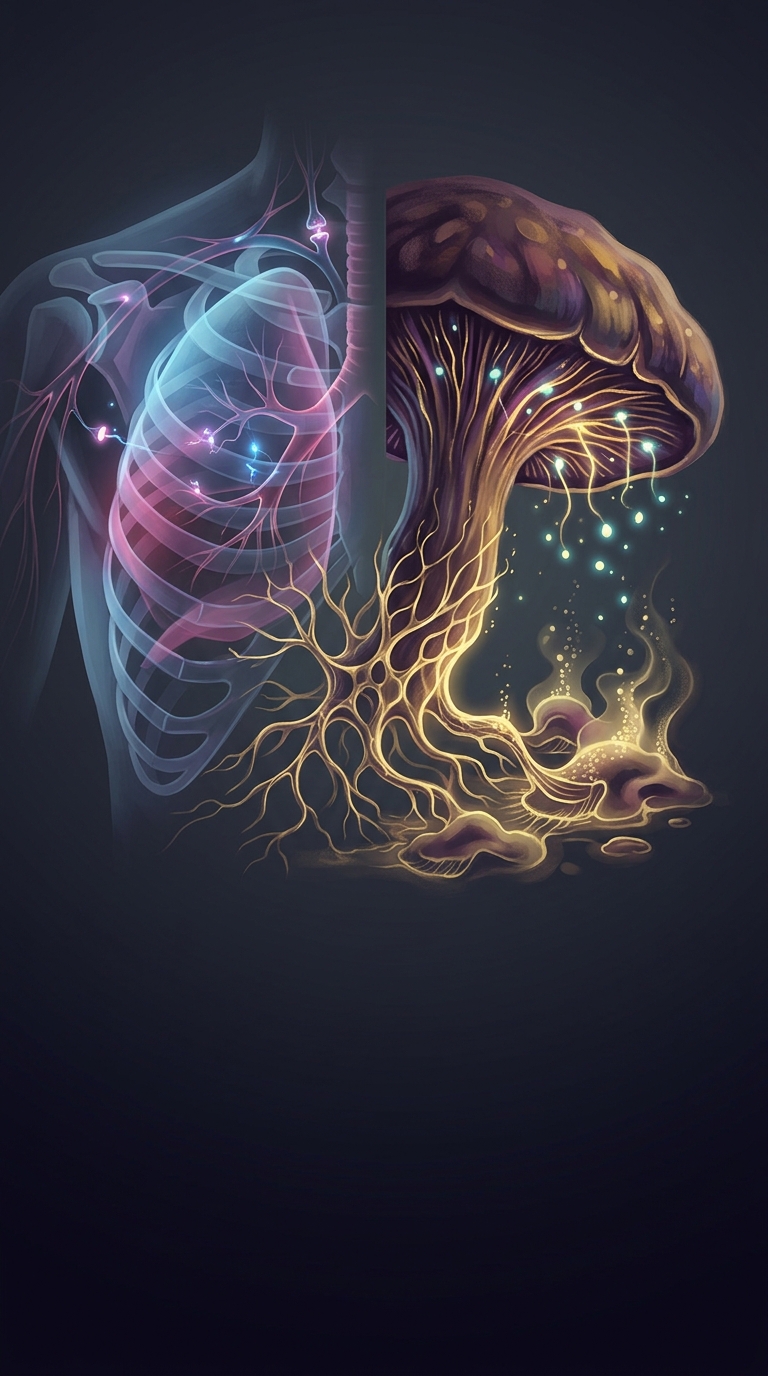
A mushroom may look more like a plant than an animal, but appearance is a poor guide to ancestry. Biologists compare DNA and cellular features to reconstruct evolutionary relationships. Those comparisons place fungi and animals on neighboring branches of the same broad group, while plants belong to a more distant branch. This does not mean fungi descended from animals—or that mushrooms behave like animals. It means fungi and animals share a more recent common ancestor with each other than either shares with plants.
That distinction also helps explain why fungi do not make their own food the way green plants do. Plants use sunlight to build sugars from carbon dioxide and water. Fungi instead obtain carbon from organic material around them, including fallen leaves, wood, or living hosts.
The mushroom is only the visible part
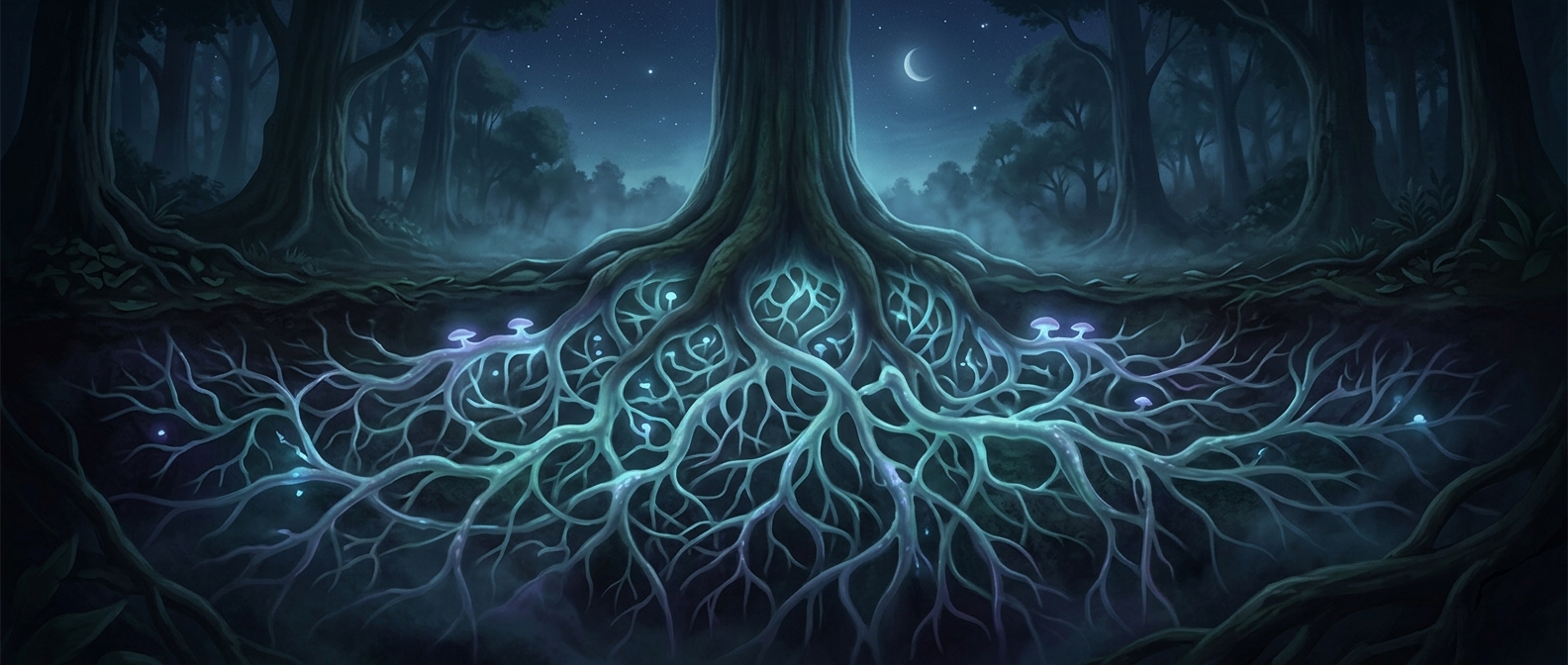
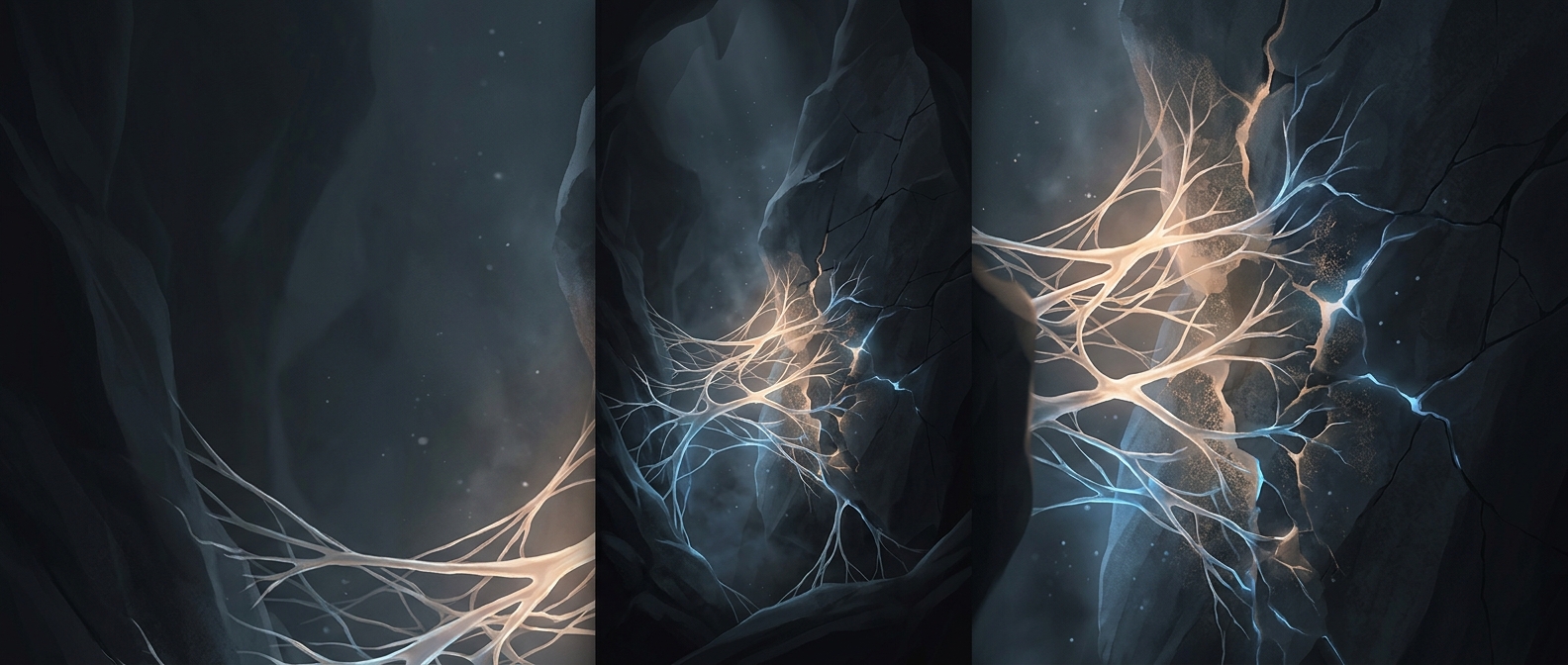
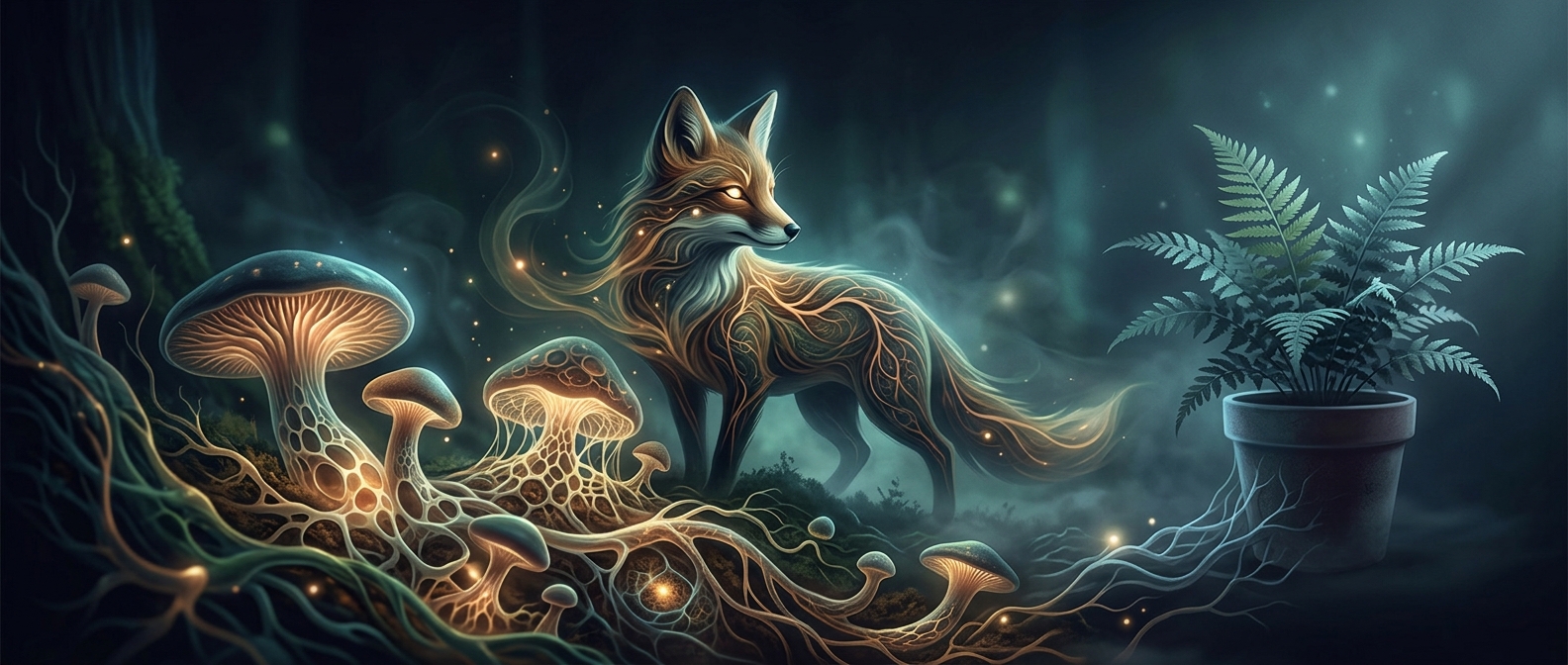
Most of a fungus’s working body is a network of fine threads called hyphae, often spreading through soil or decaying material. Together, the threads form a mycelium. The mushroom that emerges above ground is a reproductive structure: it helps release spores, which can grow into new fungal networks when conditions are suitable.
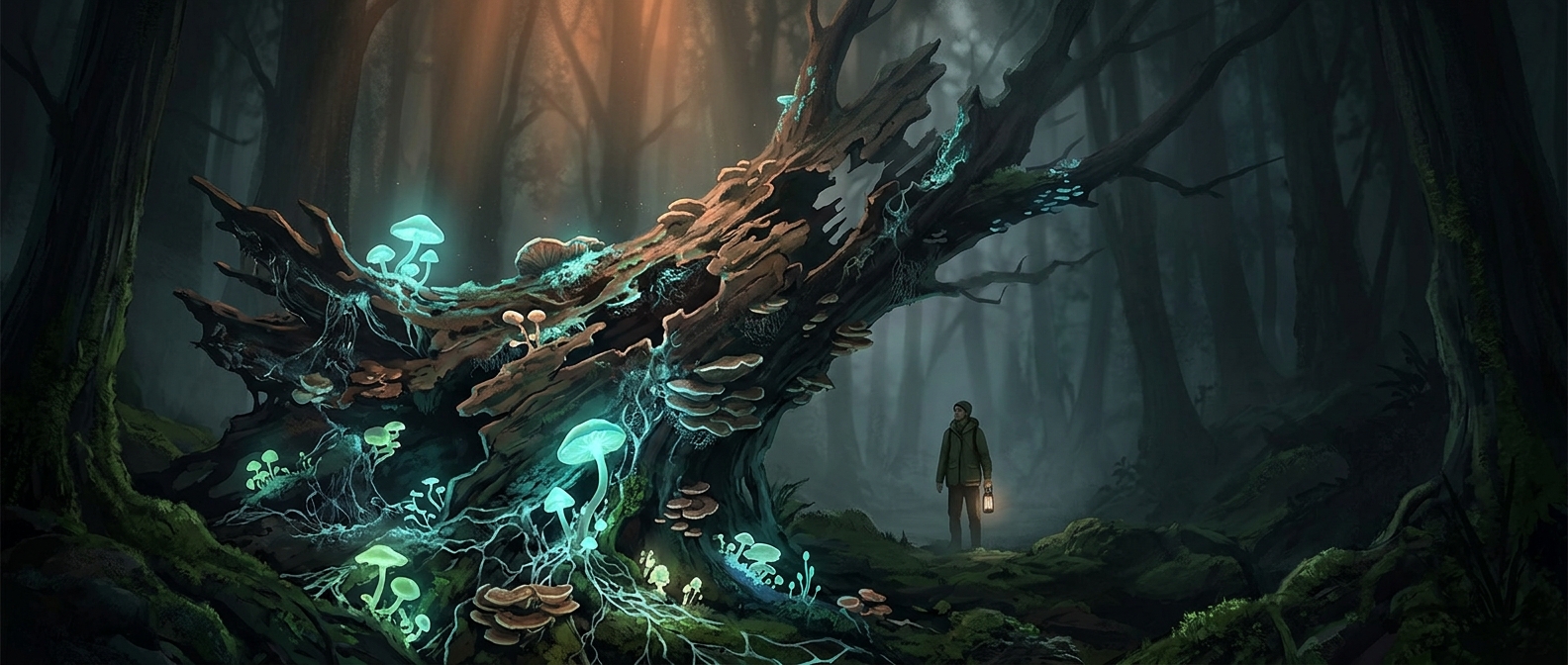
As hyphae spread through a food source, they release enzymes that split large molecules into smaller ones the fungus can take in. This lets fungi unlock nutrients from materials that many organisms cannot readily use, such as the tough components of dead wood. In ecosystems, that makes them important decomposers: they return nutrients to soil and make those resources available to other life. The familiar mushroom is therefore less like a whole plant than a temporary spore-producing outpost of a much larger, mostly hidden organism.