Digestion happens outside the fungal cells
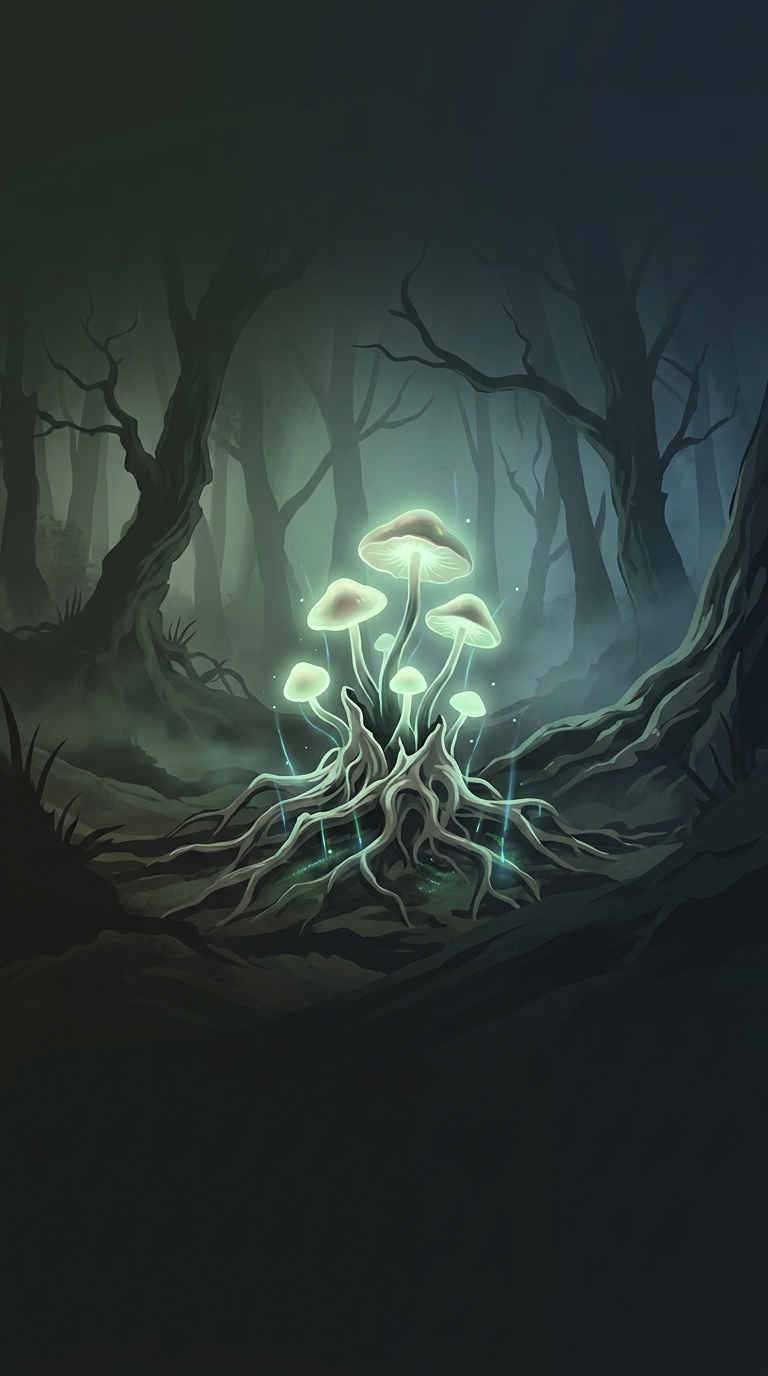
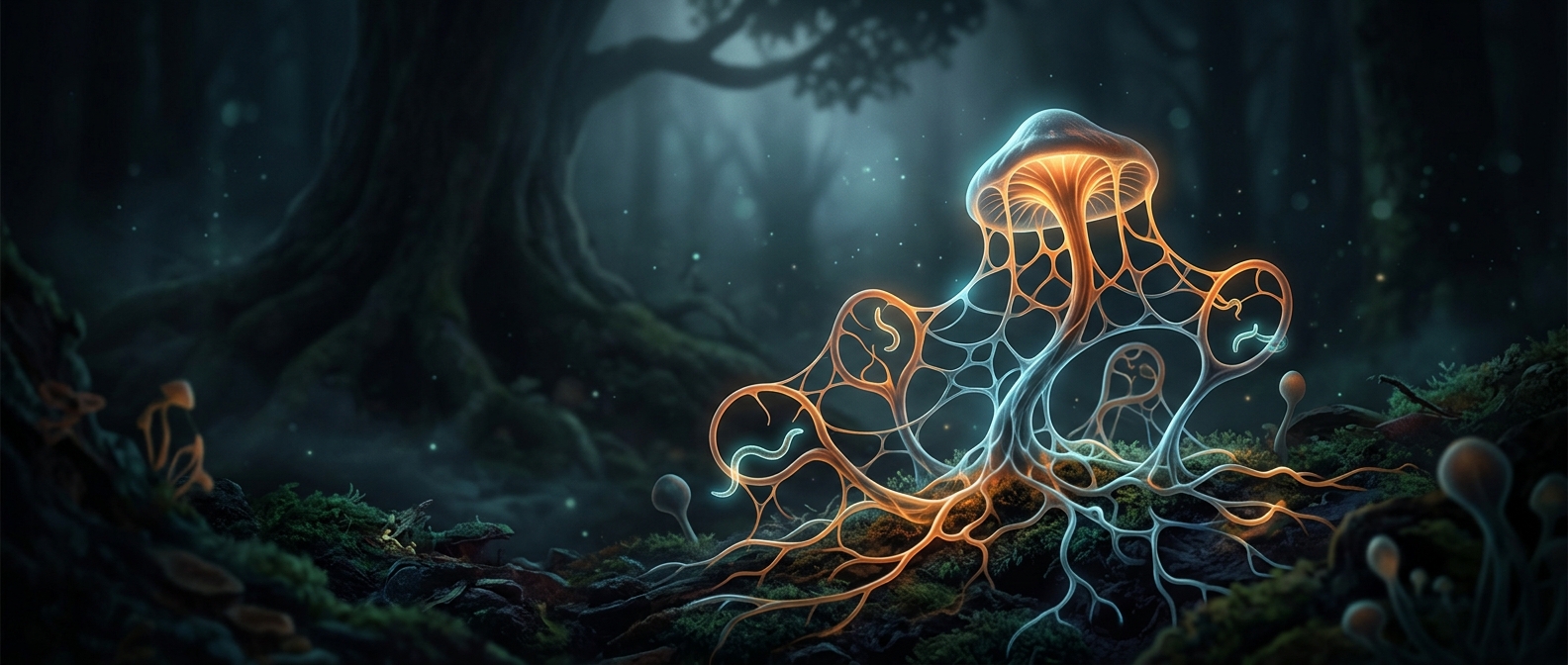
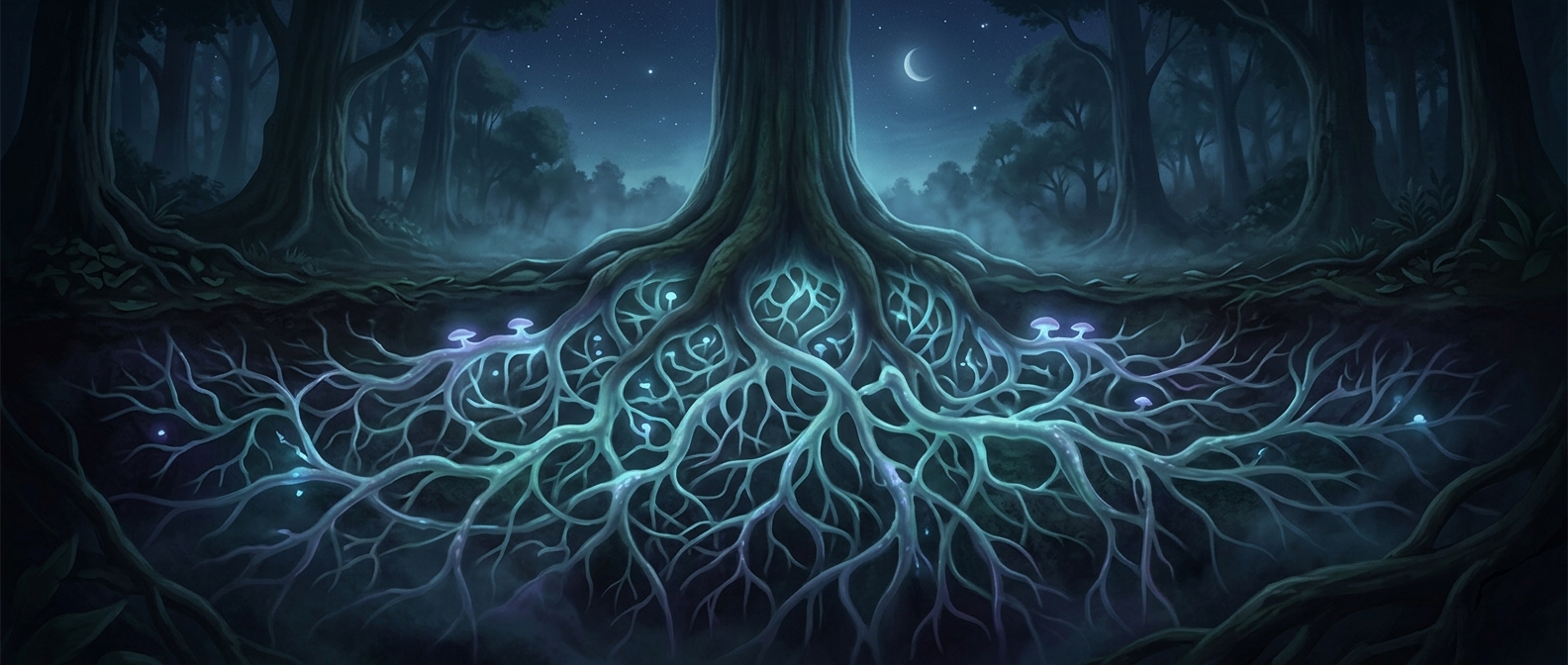
A fungus feeds by sending fine filaments called hyphae through soil, dead wood, or other material. Together, these branching threads form a mycelium. The filaments release enzymes—molecules that act like specialized scissors—into the material around them. Those enzymes split large compounds, such as the tough carbohydrates in plant tissues, into smaller molecules the fungus can take in through its cell walls.
This is external digestion: unlike an animal swallowing food and breaking it down inside a gut, the fungus does much of the chemical breakdown in its surroundings. The mycelium’s branching shape helps it contact many small pockets of material, while its growing tips extend toward new sources of food.
Why the visible mushroom is only part of the story
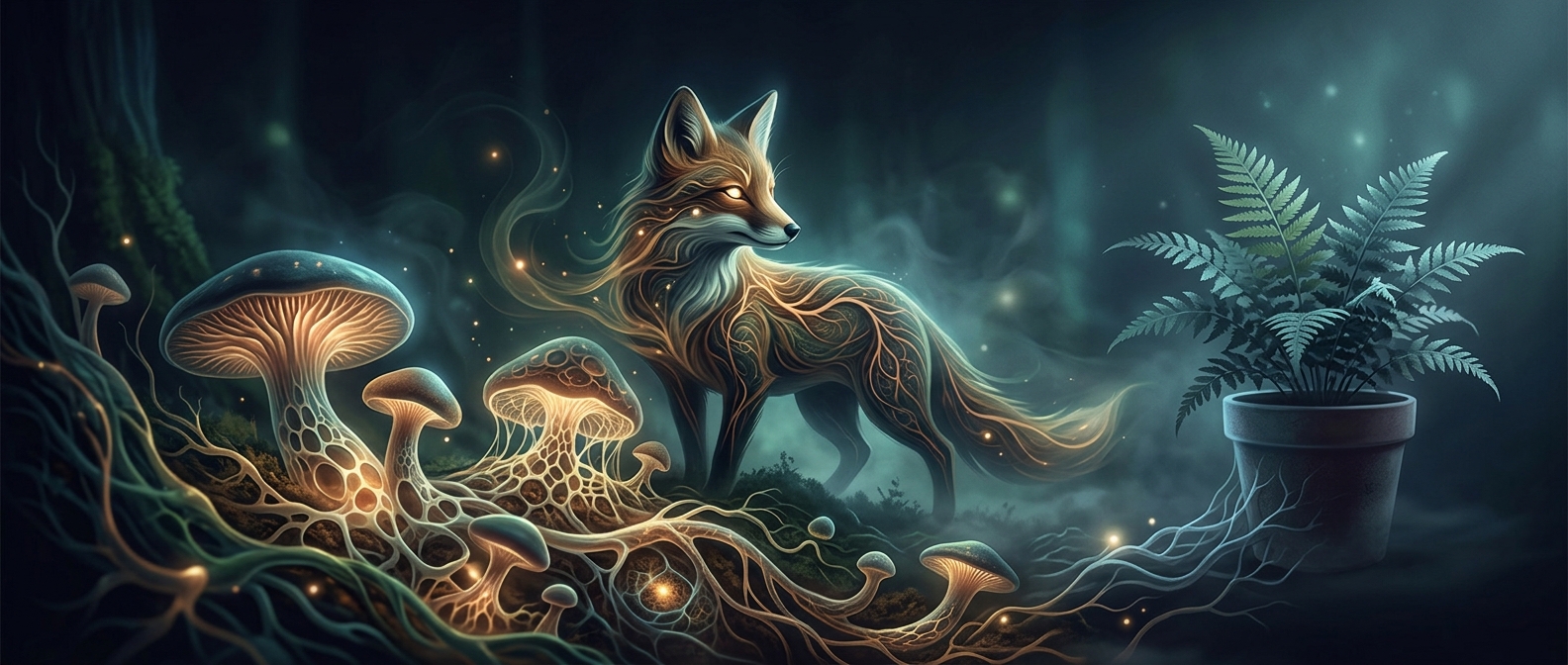
When conditions suit reproduction, some fungi build a mushroom: a structure that produces and releases spores. It rises from the mycelium, but it is not the main feeding apparatus. The hidden threads have already been exploring and digesting the material that supports growth; the mushroom is a temporary way to spread the fungus to new places.
That work matters beyond the fungus itself. By breaking down dead organic material, fungi make some of its nutrients available again in the surrounding environment. A fallen branch can look unchanged on the surface while a web of hyphae is quietly converting its tissues into compounds the fungus can absorb—and, eventually, returning nutrients to the ecosystem.