How the Fungus Takes Control of an Ant
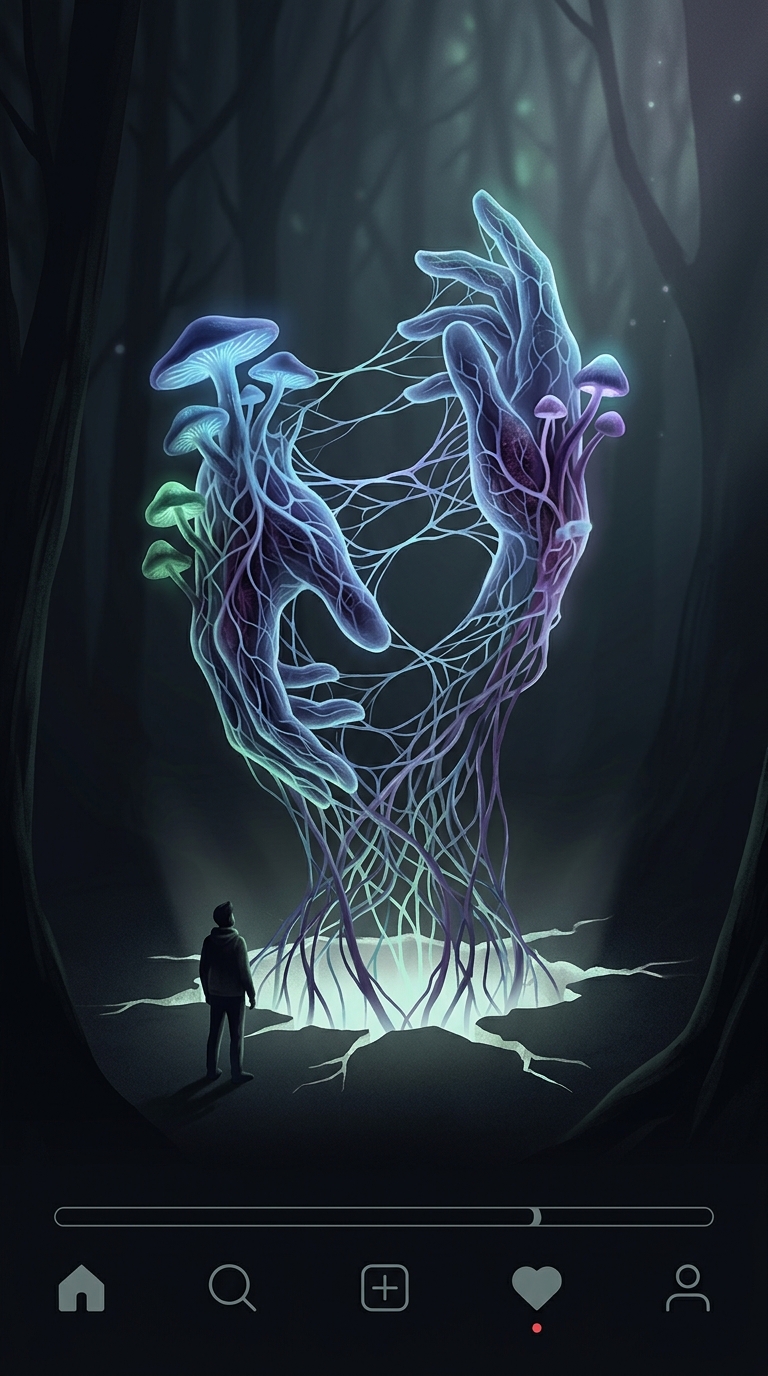
The “zombie ant” effect is not a fungus steering an ant’s thoughts like a puppeteer. Certain fungi in the Ophiocordyceps group alter an infected ant’s behavior through infection and chemical signals, pushing it to leave its usual routes and climb vegetation. The fungus grows through the ant’s body, but it does not simply take over the brain: research on these fungi indicates that fungal cells can spread through the body while largely surrounding, rather than invading, brain tissue. The ant’s nervous system is still part of the process, but the exact control mechanism is not fully understood.
Why the Ant Climbs and Bites
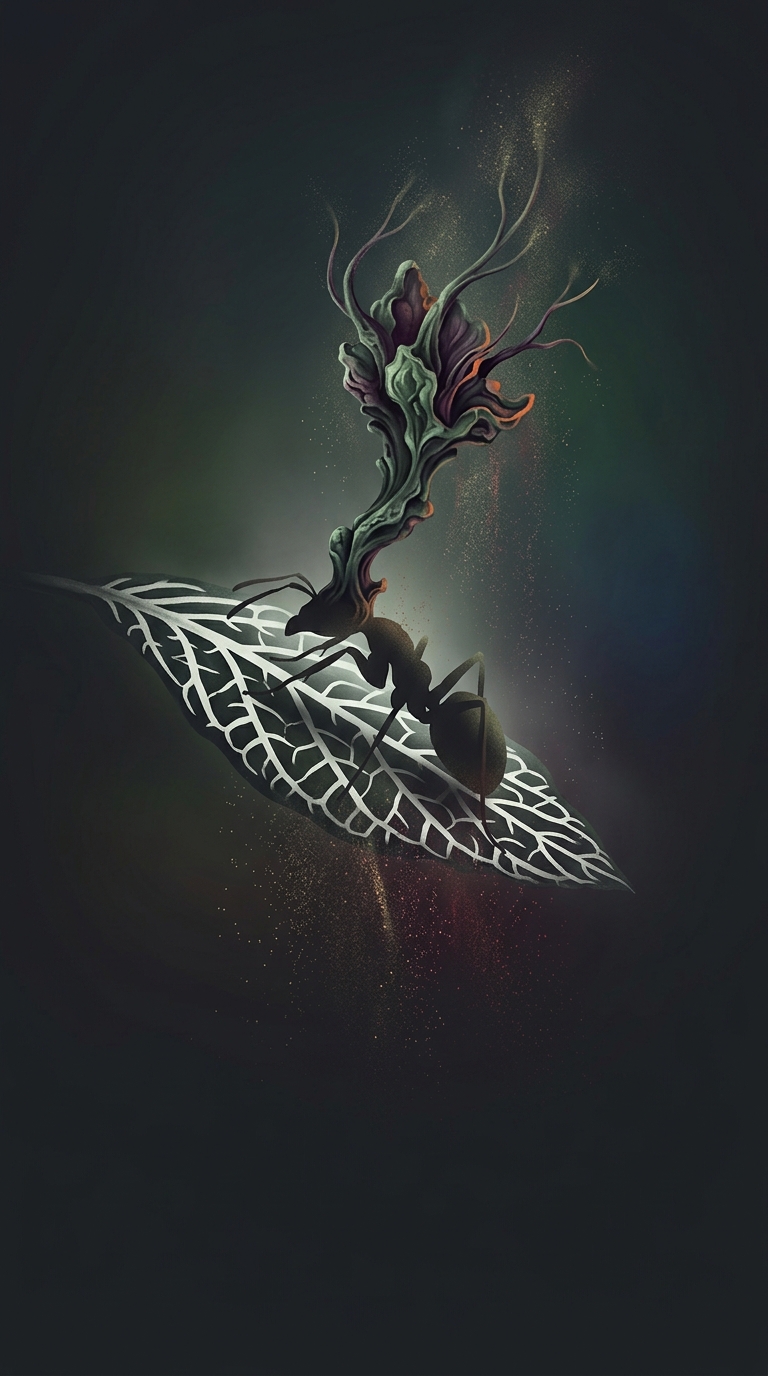
Climbing brings the ant to a position that can help the fungus reproduce and spread. In the humid forest understory, a leaf can provide a suitable microclimate—conditions such as moisture and temperature that affect fungal growth. The ant’s final bite clamps its jaws onto the leaf, securing its body in place after it dies. This behavior is called a “death grip.” It is useful to the fungus because a fallen body would be less reliably positioned for the next stage.
From One Host to the Next
Once the ant is fixed in place, the fungus grows out of its body and forms a spore-producing stalk. Spores released from it can reach other ants, especially those moving through the forest below. Infection is not guaranteed: spores must encounter a susceptible host and successfully establish themselves. But positioning the ant above the ground gives them a better chance of entering the same environment as other ants.
The result is a life cycle in which behavior becomes part of fungal reproduction. The ant’s climb and bite do not benefit the ant; they leave the fungus’s next generation poised to spread from a humid leaf into the paths of other insects.