The Forest’s Underground Network Can Carry Signals
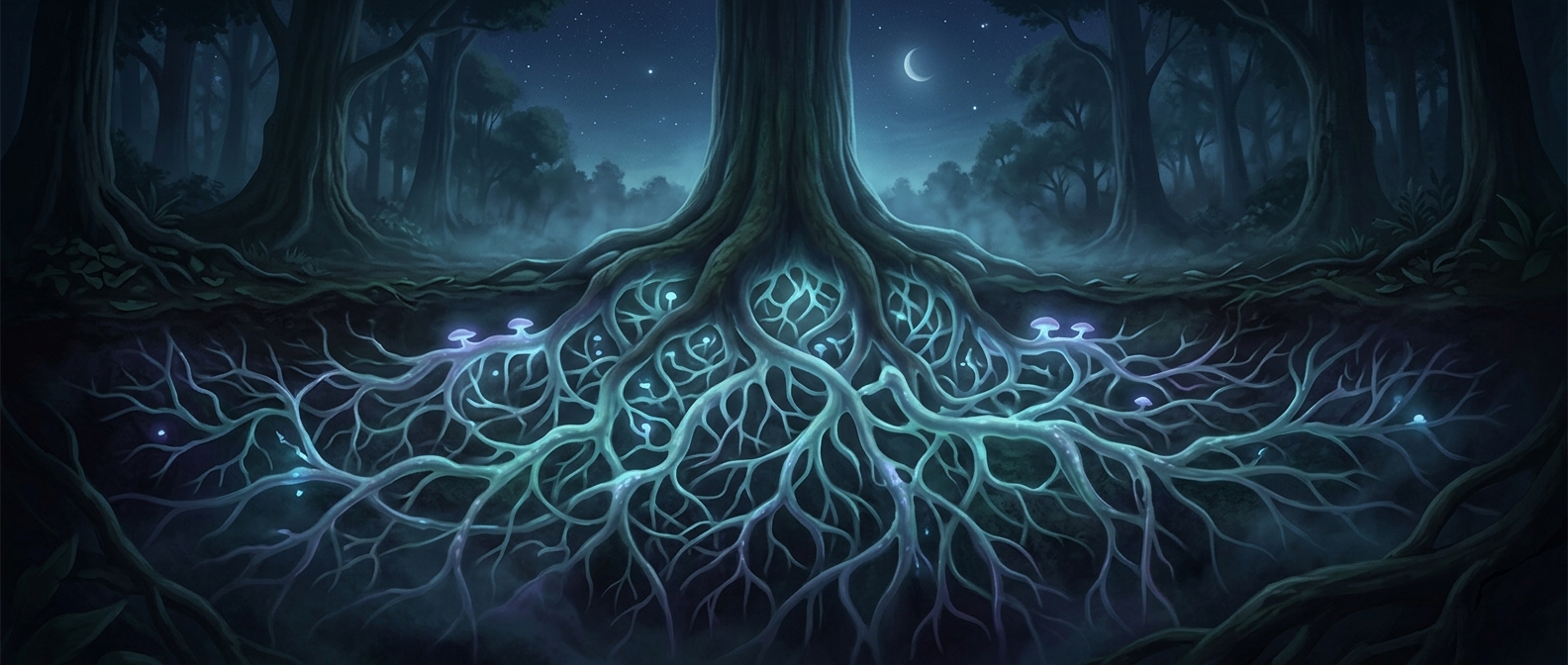
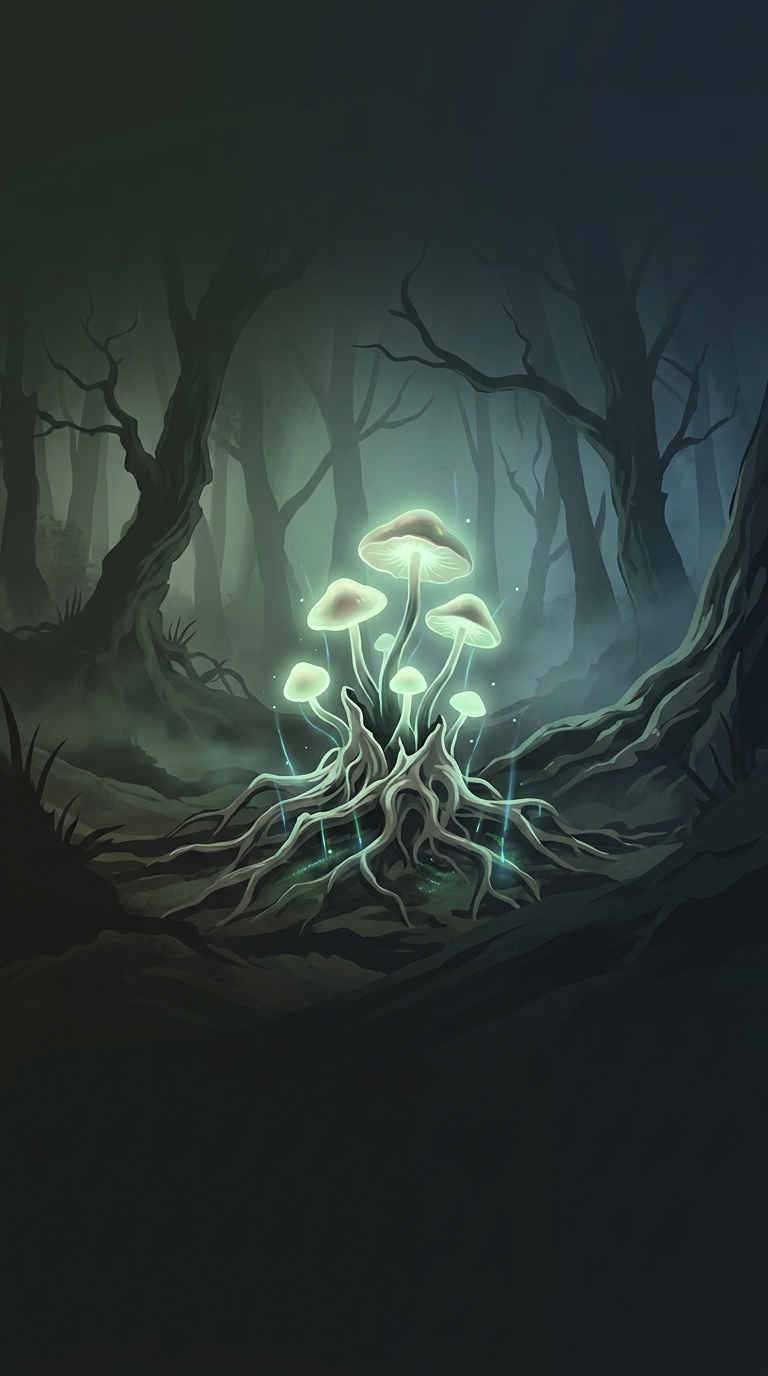
Many trees are joined belowground by mycorrhizal fungi: fungi that attach to roots and extend fine threads through the soil. Those threads can connect with roots of other plants, forming pathways through which substances move. The result can look surprisingly social—like a forest-wide system for sharing resources and warning neighbors.
How the connection works
A tree supplies its fungal partners with sugars made through photosynthesis. In return, the fungi help gather water and minerals from soil that roots alone may not reach. Where fungal threads link plants, resources can sometimes pass between them. Chemical cues associated with stress or attack may also travel through the soil-and-fungus system, prompting nearby plants to change their defenses.
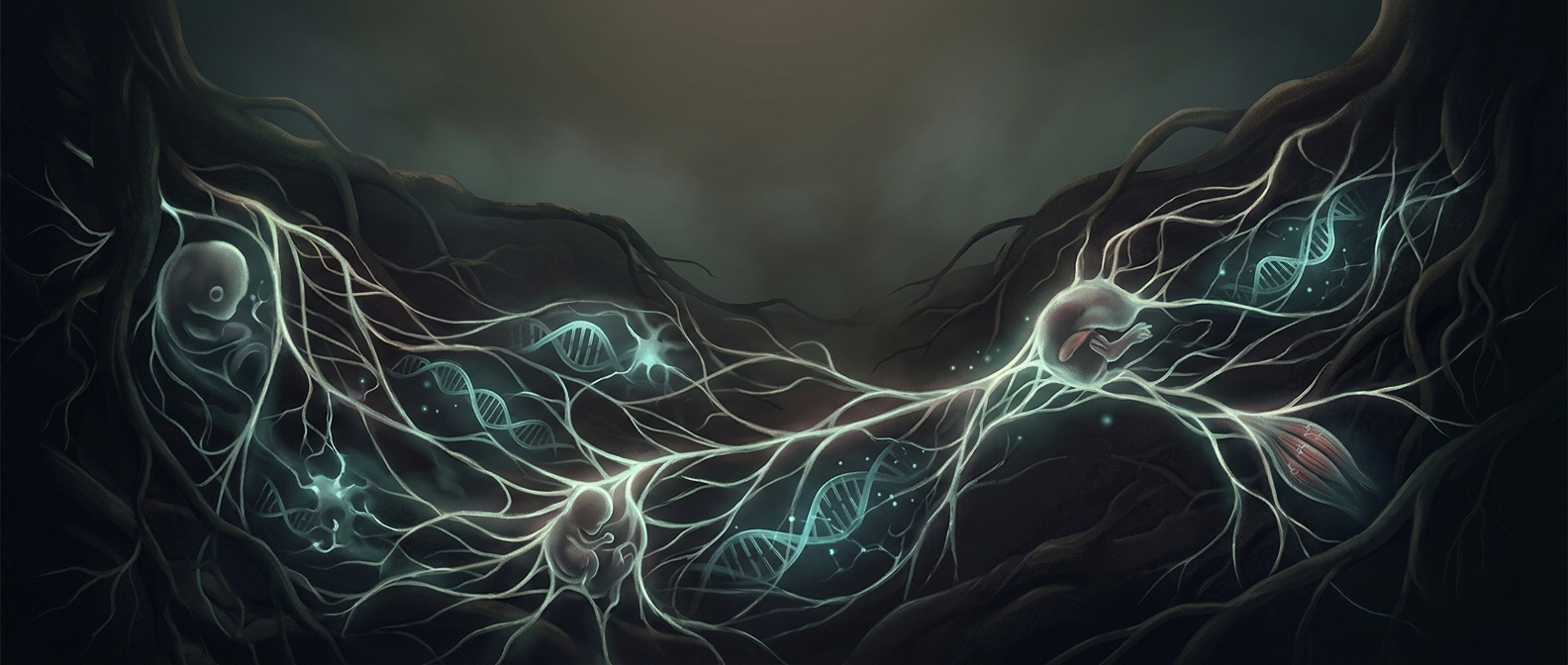
The network is not a single, coordinated web with a central controller. Different fungal species and root systems make many local connections, and what moves—and which plants benefit—depends on the organisms and conditions involved. The familiar image of a “wood wide web” captures the interconnectedness, but can make the exchange sound more orderly and purposeful than it is.
A resemblance, not a human mind
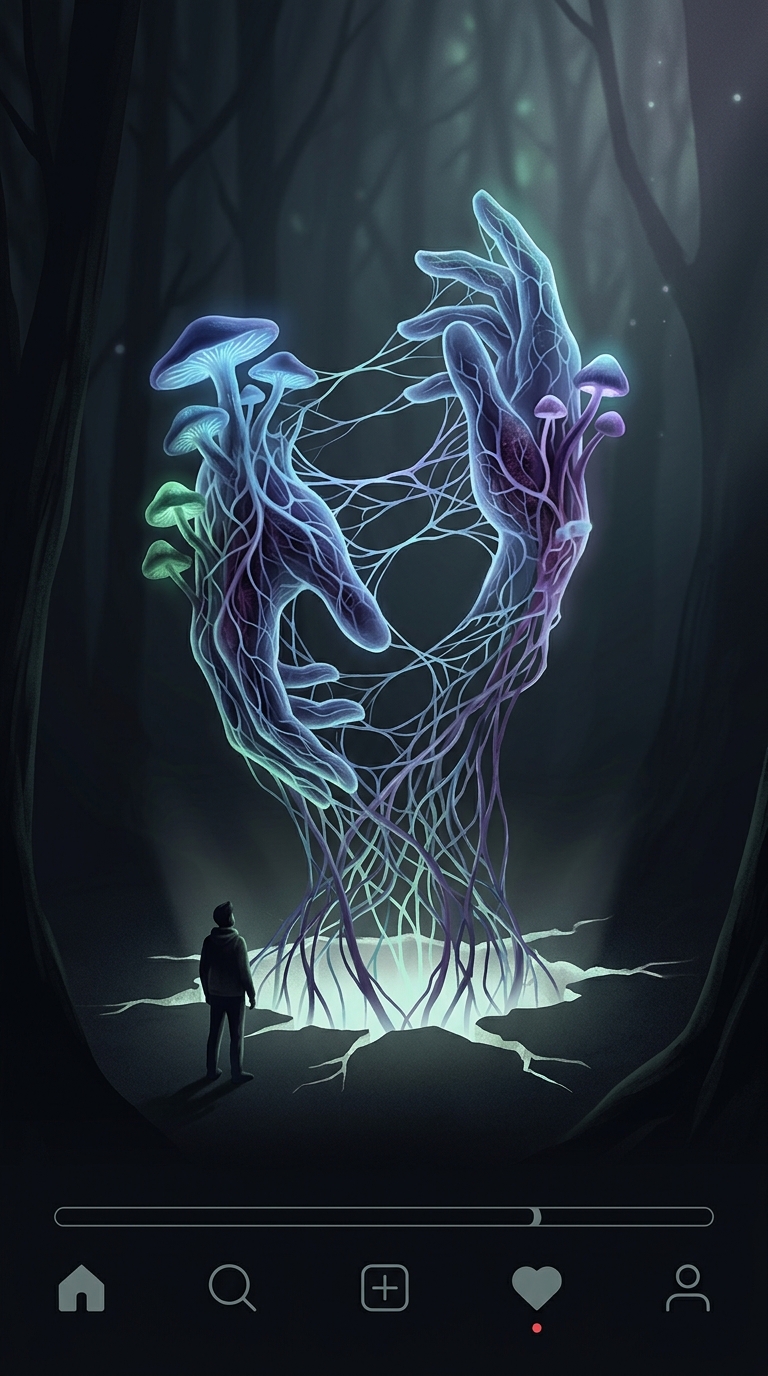
The human-like quality is the network’s ability to connect separate individuals and carry resources or signals between them. But fungi do not plan, choose recipients with human intentions, or communicate in language. The exchanges arise from biological processes: organisms take up and release substances, and other organisms respond to what reaches them.
That distinction makes the system no less striking. A tree’s relationships may extend beyond its visible roots, through fungal threads woven into soil shared with other plants. The forest floor is not merely a collection of isolated trunks; it is a place where living organisms are physically connected.