How Some Fungi Make Use of Radiation
Certain dark, melanin-rich fungi found in highly radioactive environments can take up radioactive substances from their surroundings. But the particles themselves are not food in the ordinary sense. The more surprising possibility is that radiation can help these fungi grow.
Melanin is the pigment that gives the fungi their dark color. In experiments, exposure to ionizing radiation—a high-energy form of radiation that can damage cells—changed how melanin behaved and was associated with increased fungal growth. Researchers use the term radiotrophy for the proposed ability to harness radiation in a way loosely comparable to how plants use sunlight. The exact biological pathway is not fully understood, and radiation does not replace the nutrients fungi need to build cells.
Why Absorbing Radioactive Material Matters
Some fungi also concentrate radioactive elements from soil in their tissues. That is a separate process from using radiation: the organism absorbs and retains contaminants, rather than converting the radioactive particles themselves into food. This capacity has made fungi of interest for studying how radioactive pollution moves through ecosystems and whether organisms might help remove it from contaminated sites.
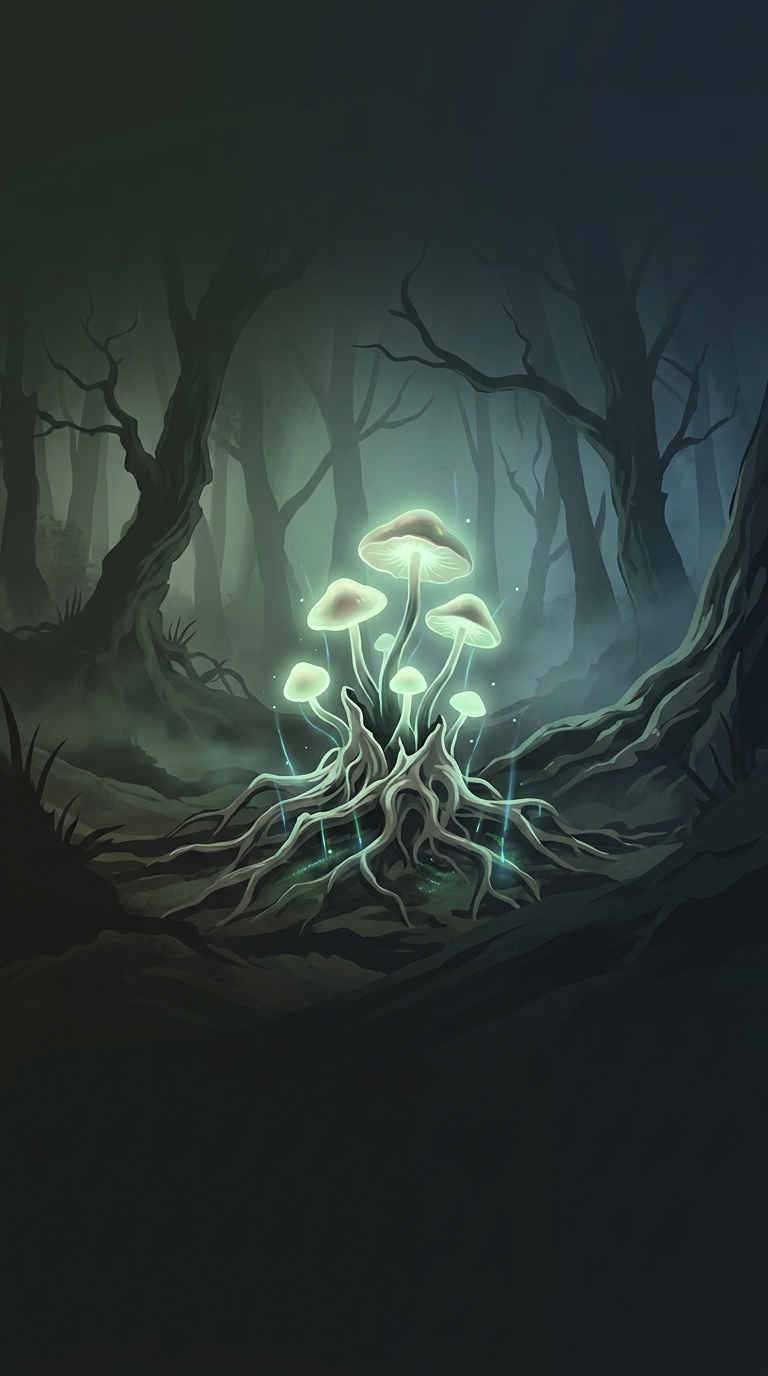
The distinction matters because absorbing a contaminant does not make it disappear. The material may remain radioactive inside the fungus, so harvesting and handling that fungus would require care. In the forest, these organisms are not magical cleanup crews; they are living parts of a system in which radiation, soil, and biological growth interact. Their striking dark pigment may help them tolerate conditions that would harm many other organisms—and could also give them a way to benefit from radiation.