A parasite with a stake in risky behavior
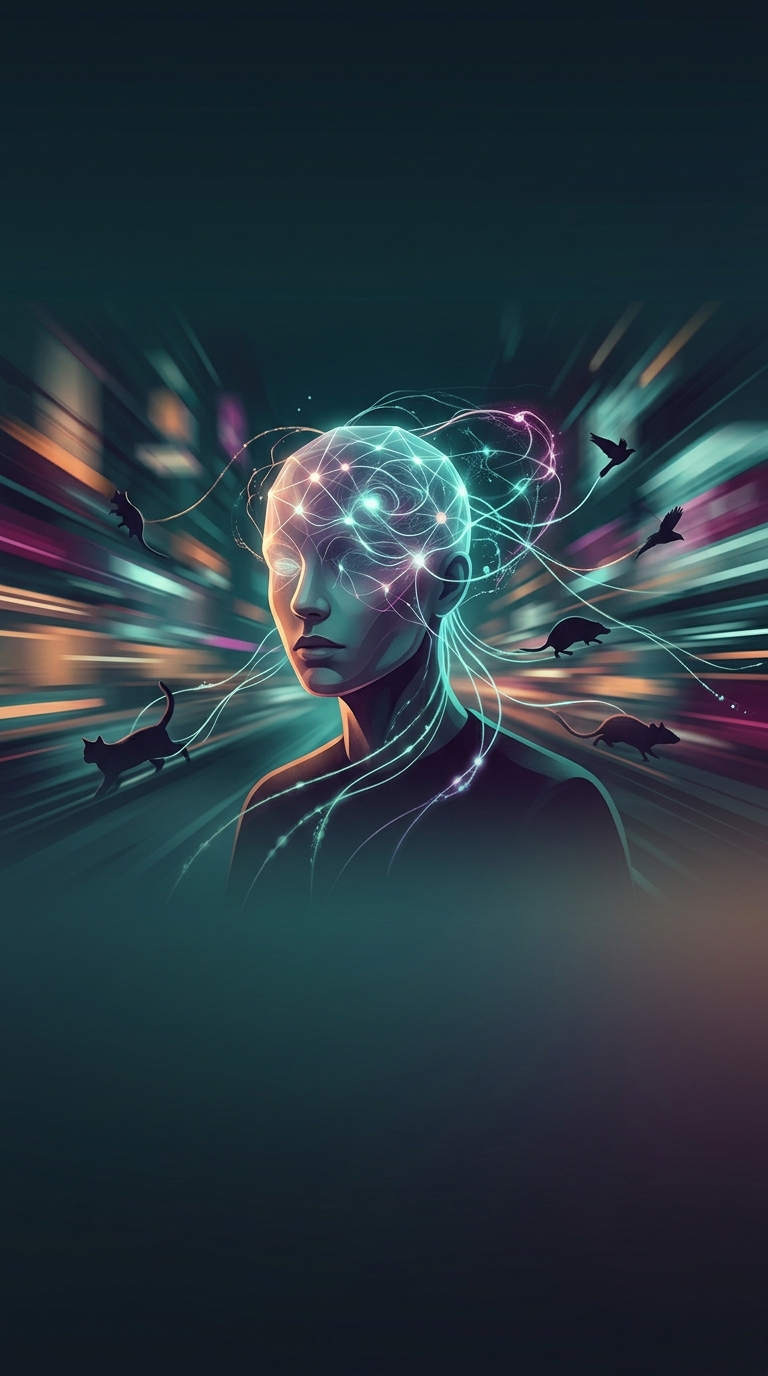
Toxoplasma gondii is a microscopic parasite whose life cycle ends in cats. It can infect many warm-blooded animals, including people. In rodents, infection has been linked to a striking change: infected animals may become less wary of cat odors, making them easier for cats to catch. The parasite can then reproduce in the cat, its definitive host.
That makes the rodent effect an unsettling example of a parasite altering behavior in a way that may help its own spread. It does not mean the parasite consciously controls its host; an infection can change how a brain functions without directing each action.
From animal behavior to human risk
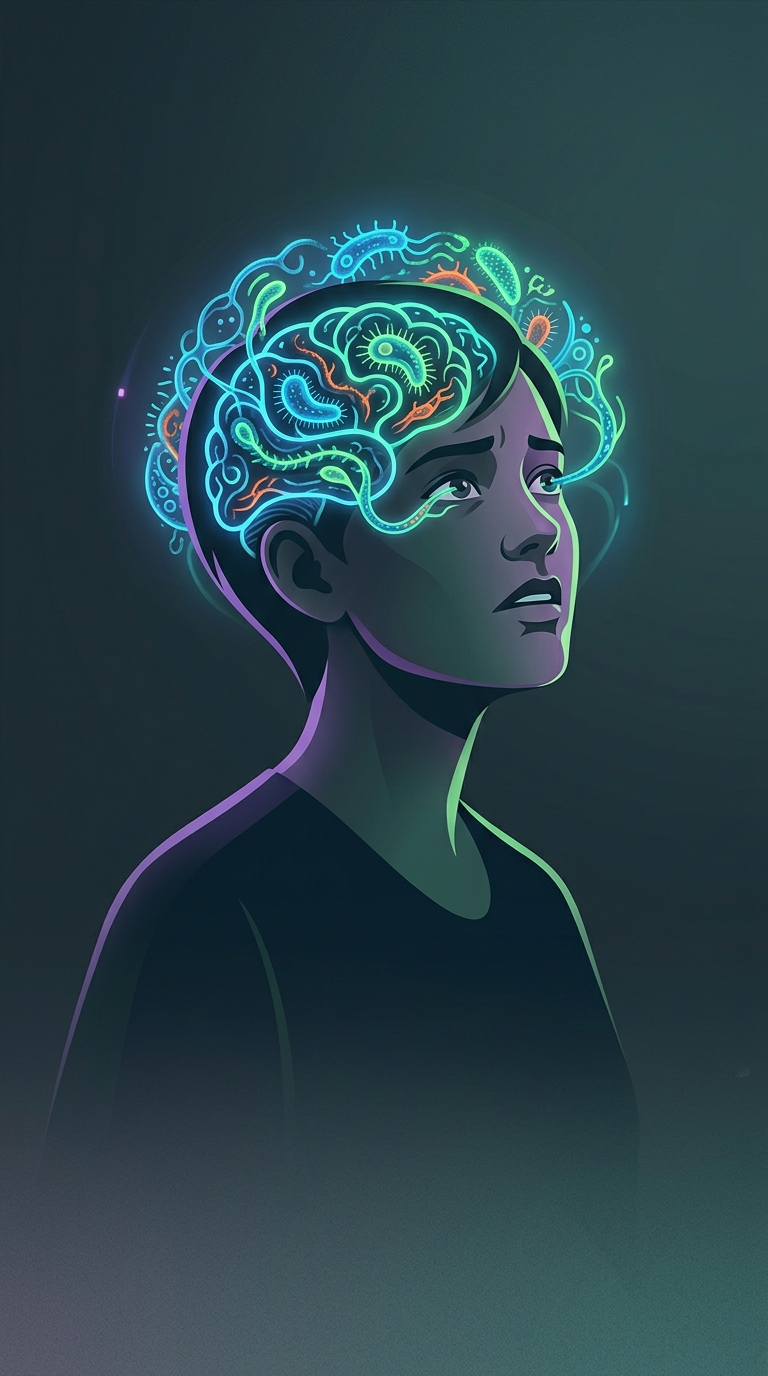
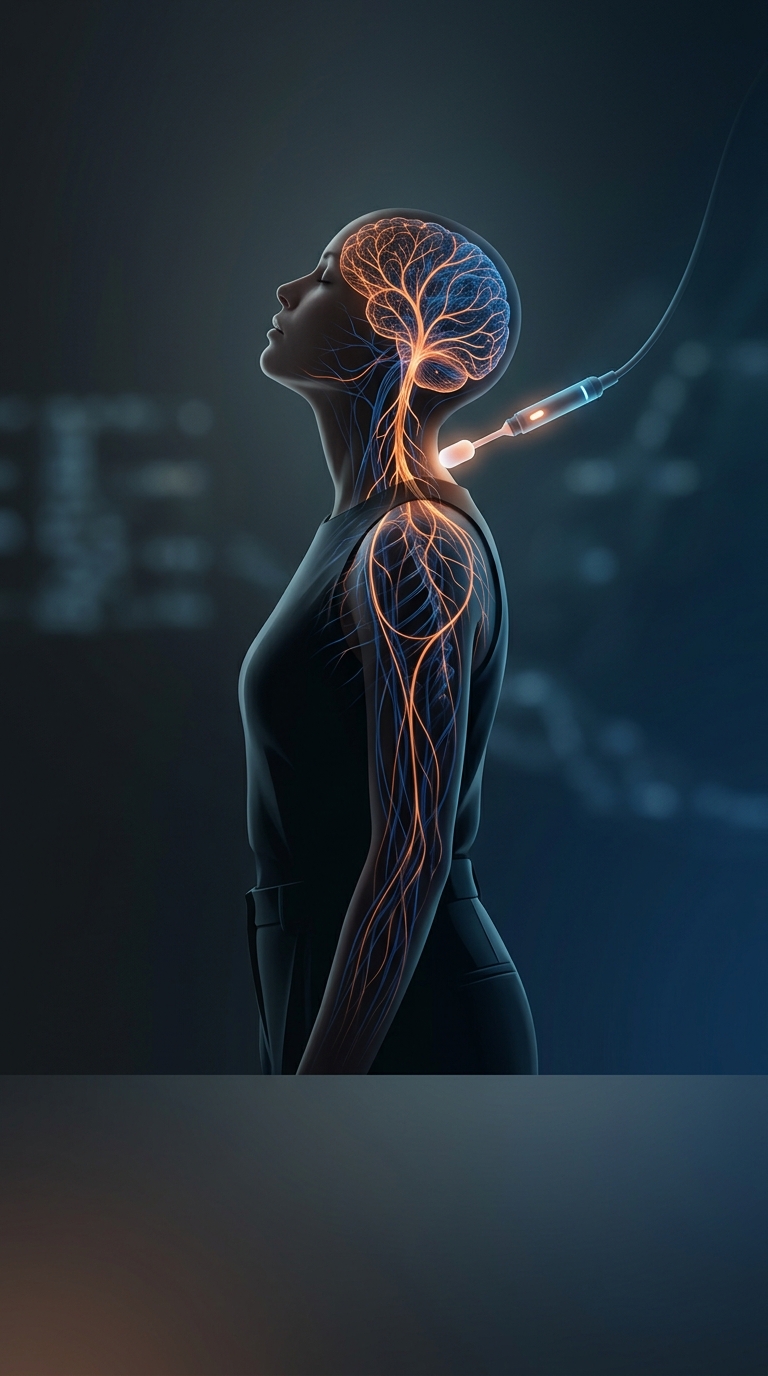
People can also carry T. gondii, often without noticeable symptoms. Researchers have examined whether infection is associated with human behaviors such as risk-taking and with traffic accidents. One proposed explanation is that the parasite may affect brain signaling, including dopamine, a chemical involved in motivation and reward. But the precise pathway in humans is not established, and a reported association cannot by itself show that infection caused someone to speed.
The contrast matters: an effect observed in rodents does not automatically translate into the same effect in people. Human driving behavior has many influences, and the parasite’s role, if any, is only one possible piece.
The eerie biological possibility is not that a parasite grabs the steering wheel. It is that an infection could subtly shift the brain’s response to danger—and that a small shift, combined with ordinary choices, might matter on the road.