How water can boil and freeze at once
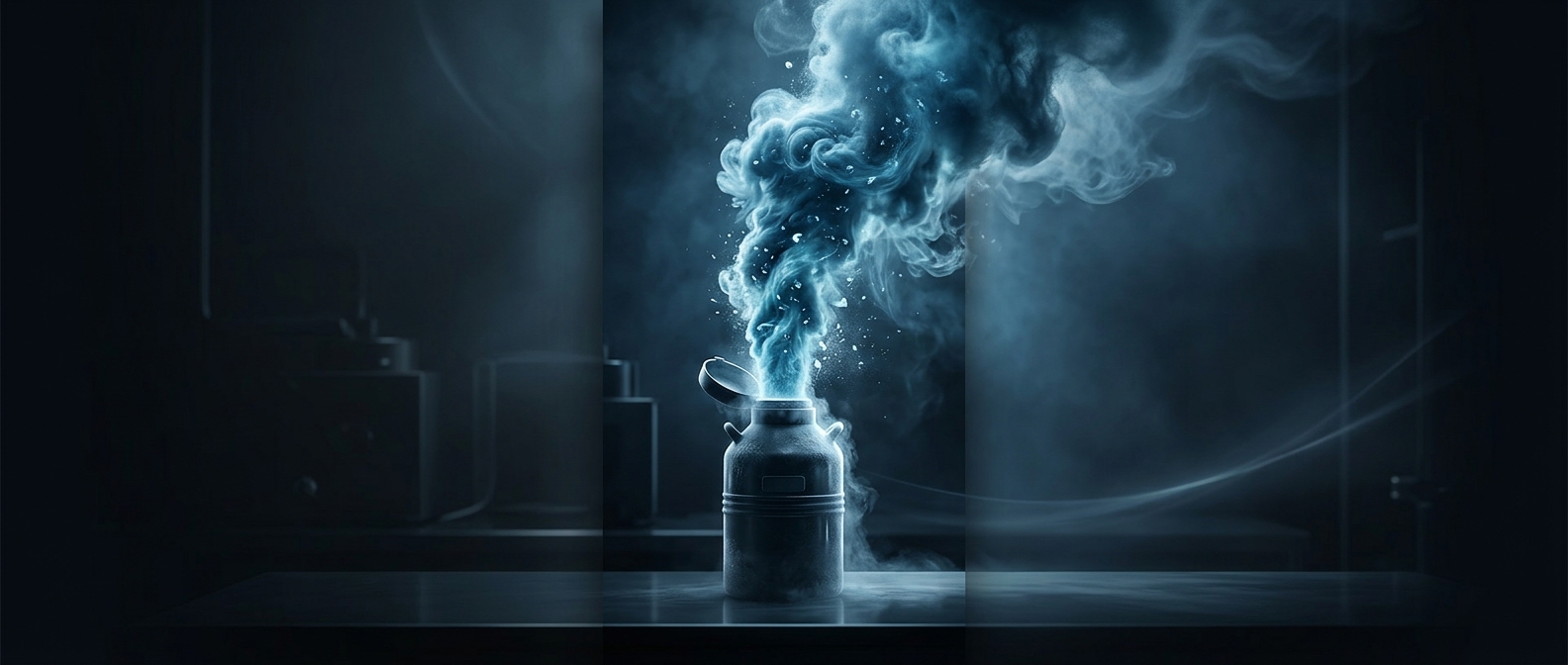
Boiling and freezing seem to demand opposite conditions, but they respond to different parts of the same environment. Boiling depends on pressure; freezing depends on how much heat the water contains. Change the pressure sharply, and water can begin boiling while it is still cold enough to freeze.
Pressure changes the boiling point
A liquid boils when bubbles of its vapor can form and survive inside it. Normally, air pressing on the water makes that difficult, so water in an open pot must get hot before vapor bubbles can grow. Lower the surrounding pressure, and the bubbles can form at a much lower temperature.
But boiling does not supply heat. As water molecules escape into vapor, they take energy with them—a cooling process familiar from sweat evaporating off skin. If the pressure is low enough, that cooling can pull the remaining liquid down to its freezing point. Ice then forms even as vapor bubbles continue to appear.
The triple point is a precise balance
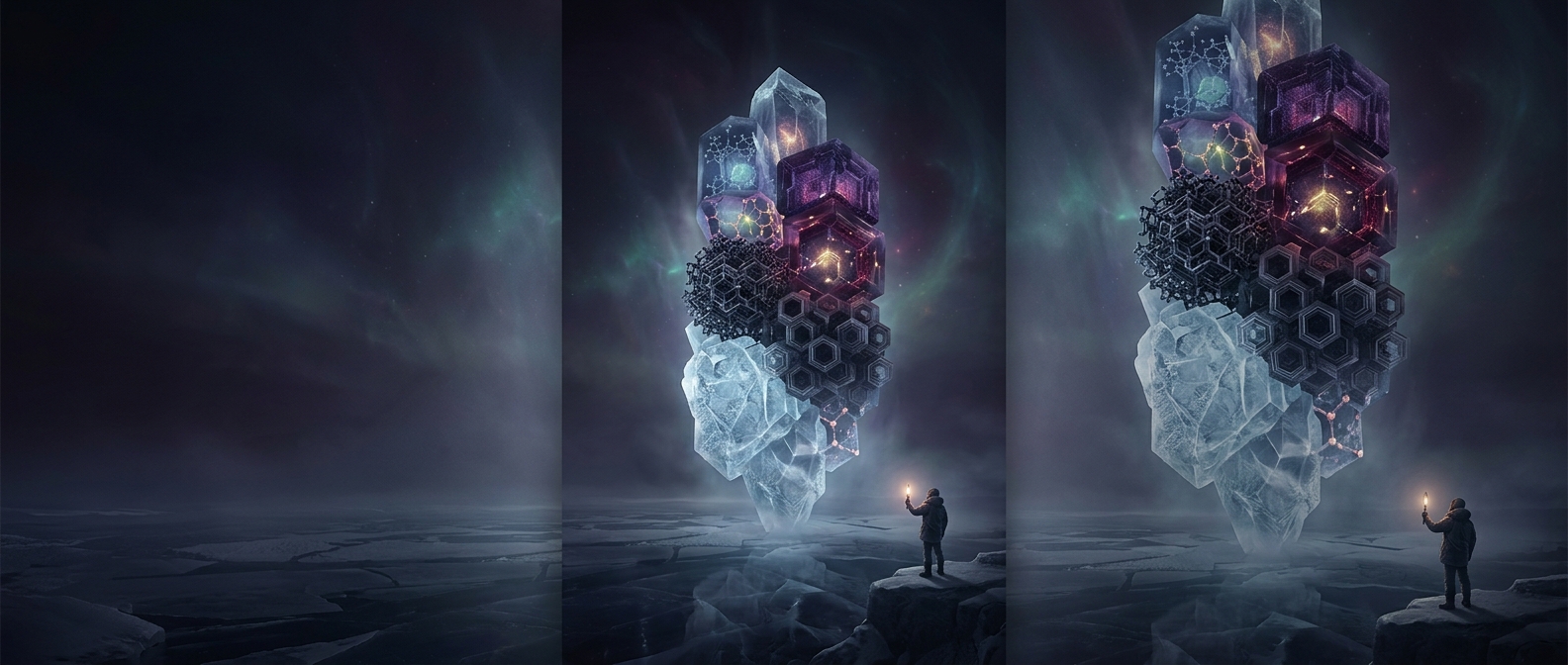
The triple point is not simply any condition where ice, liquid water, and vapor happen to be visible together. It is the specific temperature and pressure at which all three phases—solid, liquid, and gas—can coexist in thermodynamic equilibrium, meaning none has a net tendency to turn into another.
A low-pressure demonstration may show boiling and freezing together without being exactly at that point. The distinction matters: the triple point names a precise balance, while the striking scene is a consequence of pressure lowering the boiling temperature and evaporation carrying heat away. A bubbling patch of water can therefore become its own cooling system, chilling nearby water until it turns to ice.