Science
Discover facts about science. Small discoveries that change the way you see familiar things.
Science

The first nuclear reactor hid under Chicago bleachers
Enrico Fermi didn't bother with fancy concrete containment domes to launch the atomic age. He just stacked 45,000 unwashed graphite blocks and raw uranium…
Discover more
Why wintergreen mints spark in the dark
Chomping down on Wint-O-Green Life Savers in the dark isn't just a breath-freshening experience; it’s a miniature lightning storm in your mouth. The sugar…
Discover more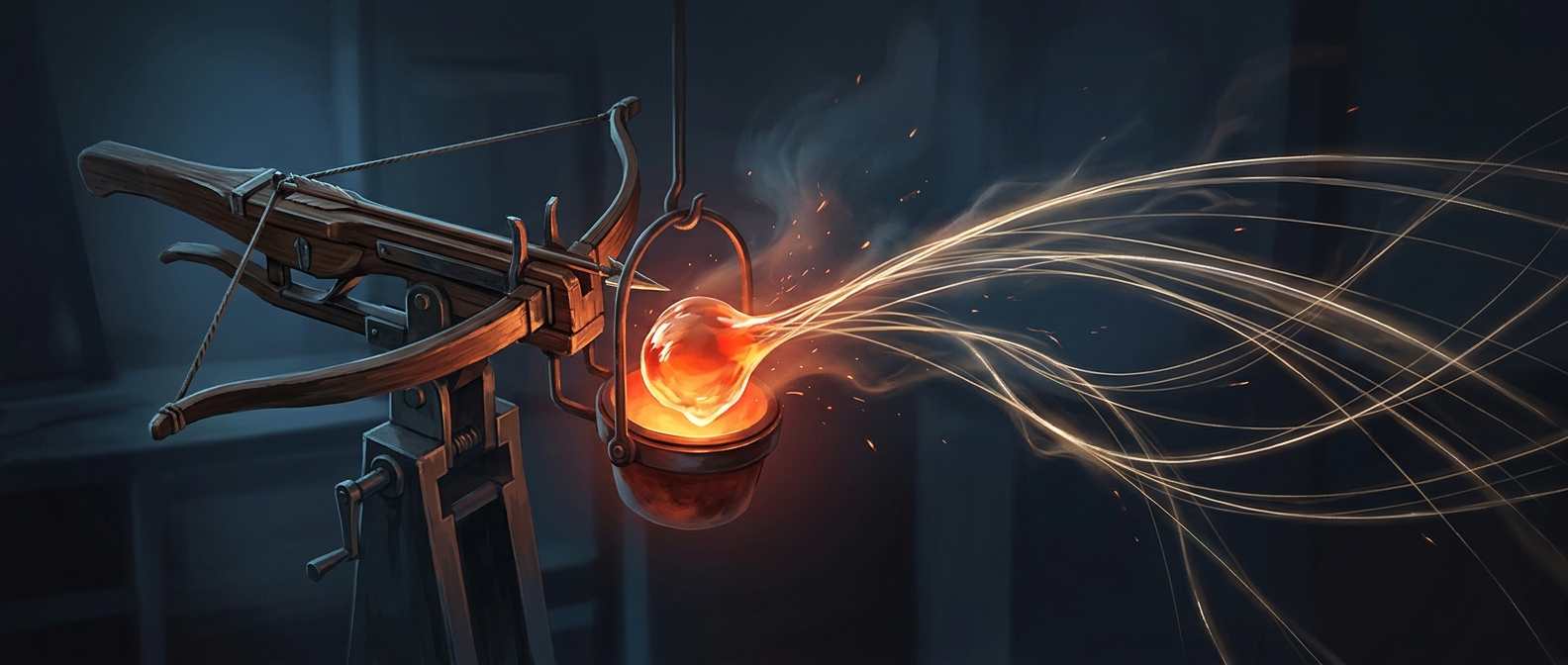
The scientist who fired molten quartz from a crossbow
C.V. Boys needed an impossibly thin, perfectly elastic fiber to measure the gravitational constant. Silk snapped, and metal warped. So, behaving like a true…
Discover more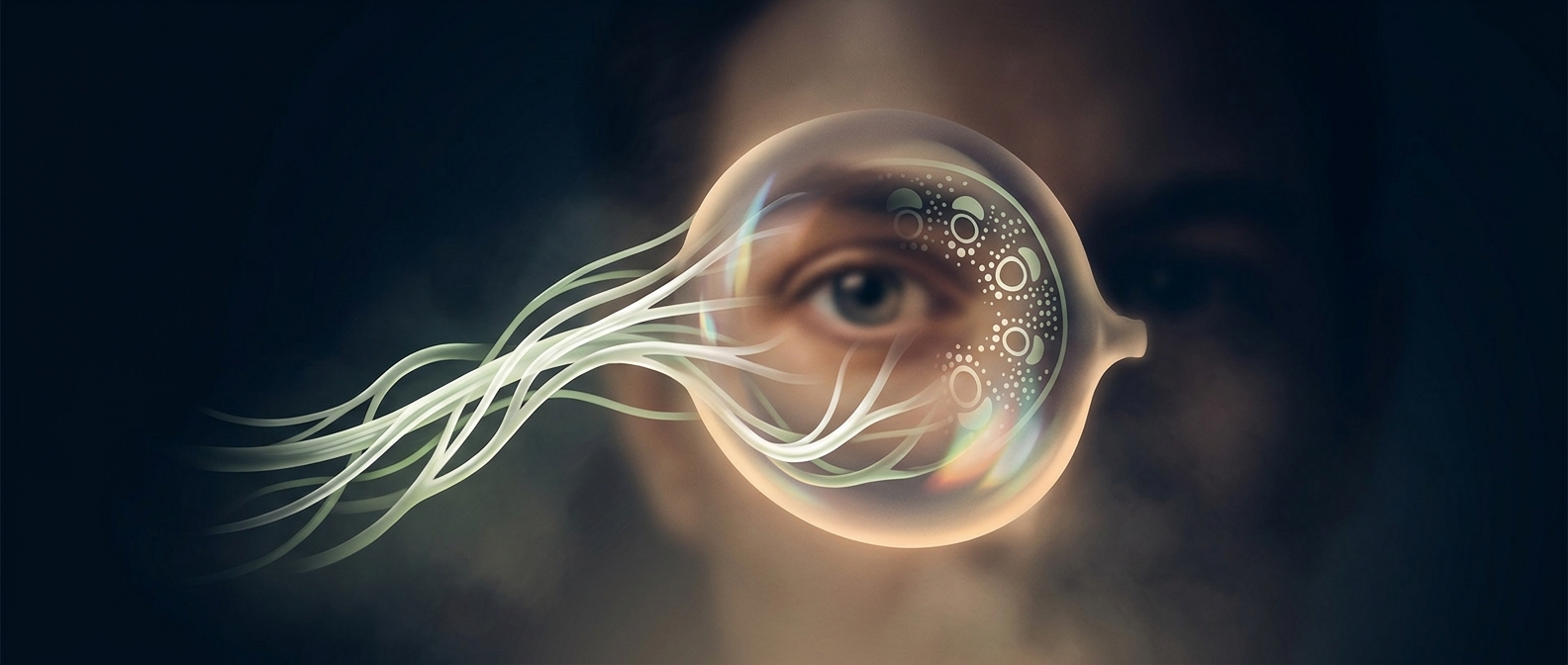
How pig bladders helped reveal osmosis
Henri Dutrochet discovered osmosis, the fundamental process keeping every cell in your body from exploding, by shoving alcohol into pig bladders and watching…
Discover more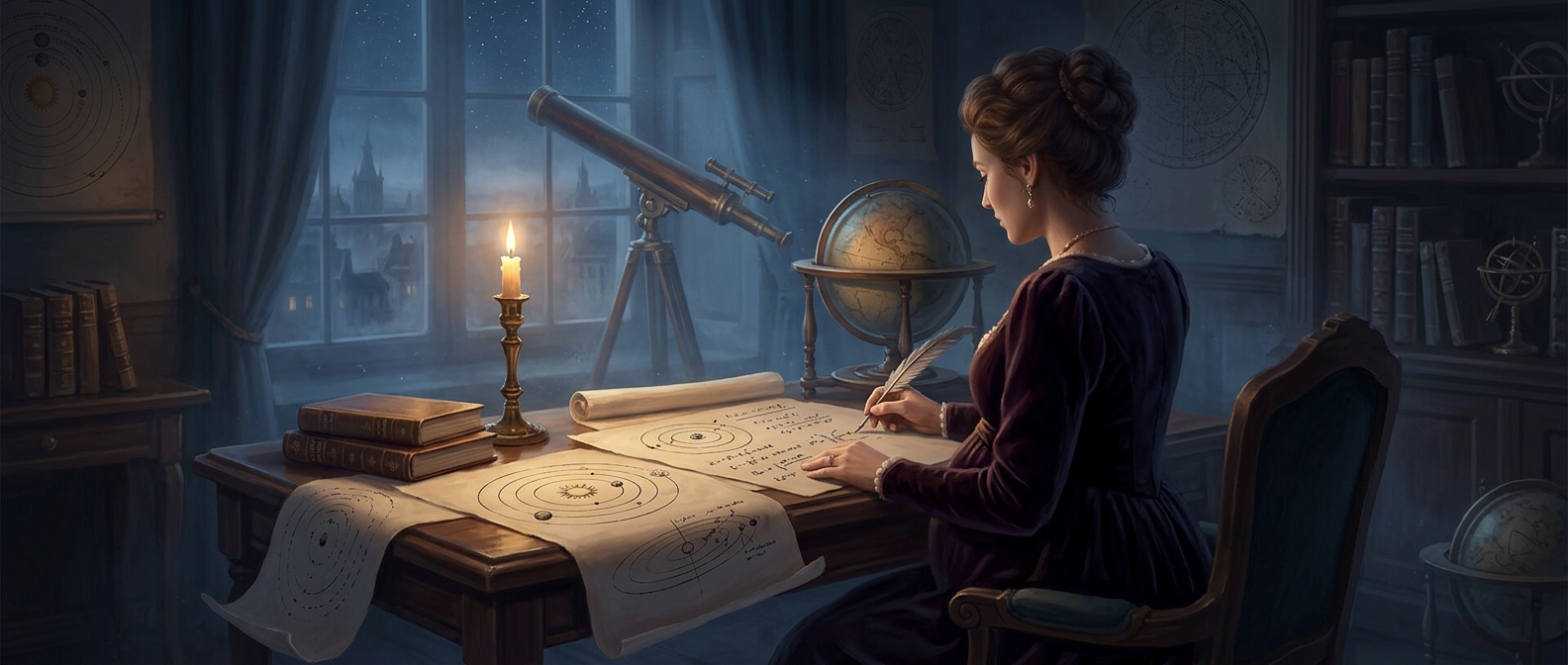
The woman who corrected Newton's energy formula
Isaac Newton was a genius, but he actually fumbled the formula for kinetic energy. It took Émilie du Châtelet, an 18th-century French aristocrat, gambler, and…
Discover more
The altruism equation that haunted George Price
Most scientists just publish a paper and go to happy hour. George Price wrote an elegant mathematical equation proving that biological altruism is just…
Discover more STACKY FOR IPHONE
A bigger world.
One discovery
at a time.
Keep discovering with Stacky. Interesting facts in an app that is always within reach.
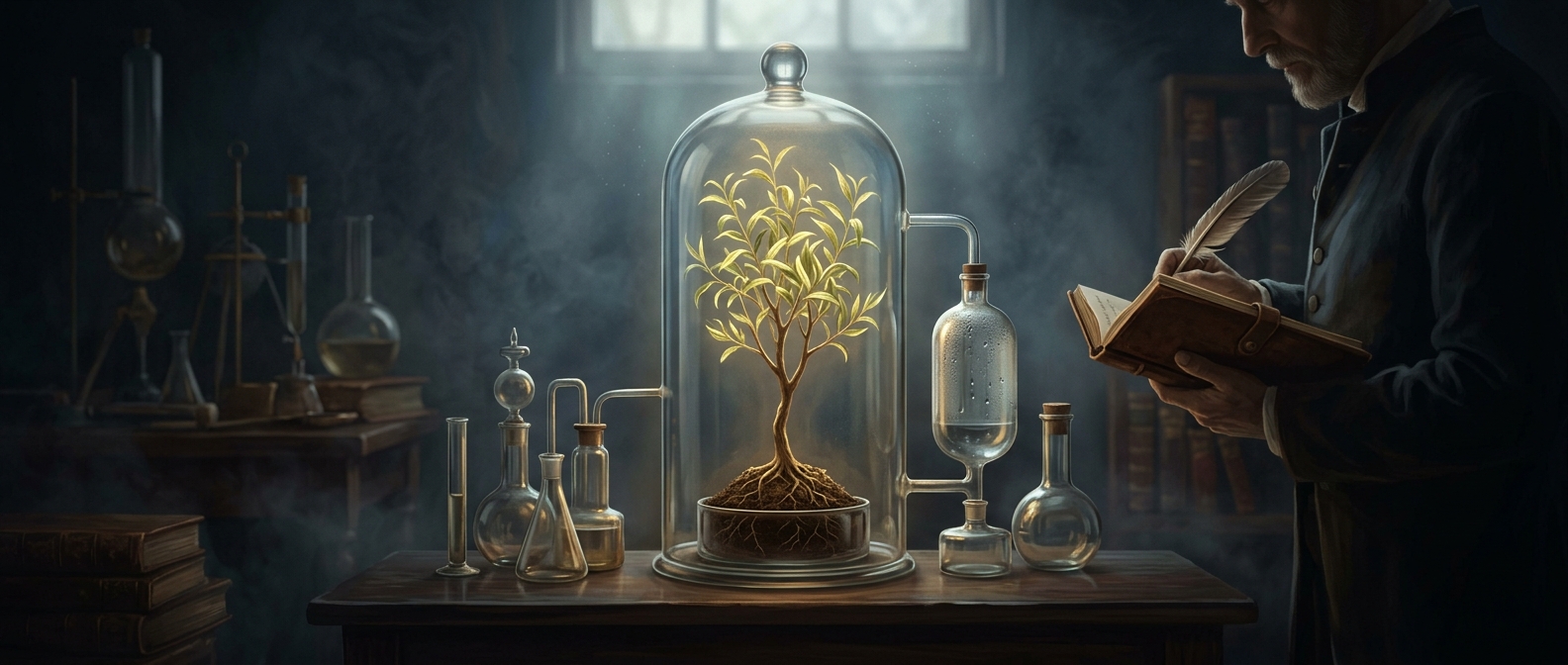
The tree that fooled a scientist about where wood comes from
In the 1600s, Jan Baptist van Helmont wanted to know how plants grow. He weighed some dirt, planted a willow sapling, and watered it for five years. The tree…
Discover more
How a nuclear test sparked Japan’s tuna panic
When the US military vastly miscalculated the 1954 Castle Bravo nuclear test, it accidentally rained radioactive ash on a Japanese fishing boat called the…
Discover more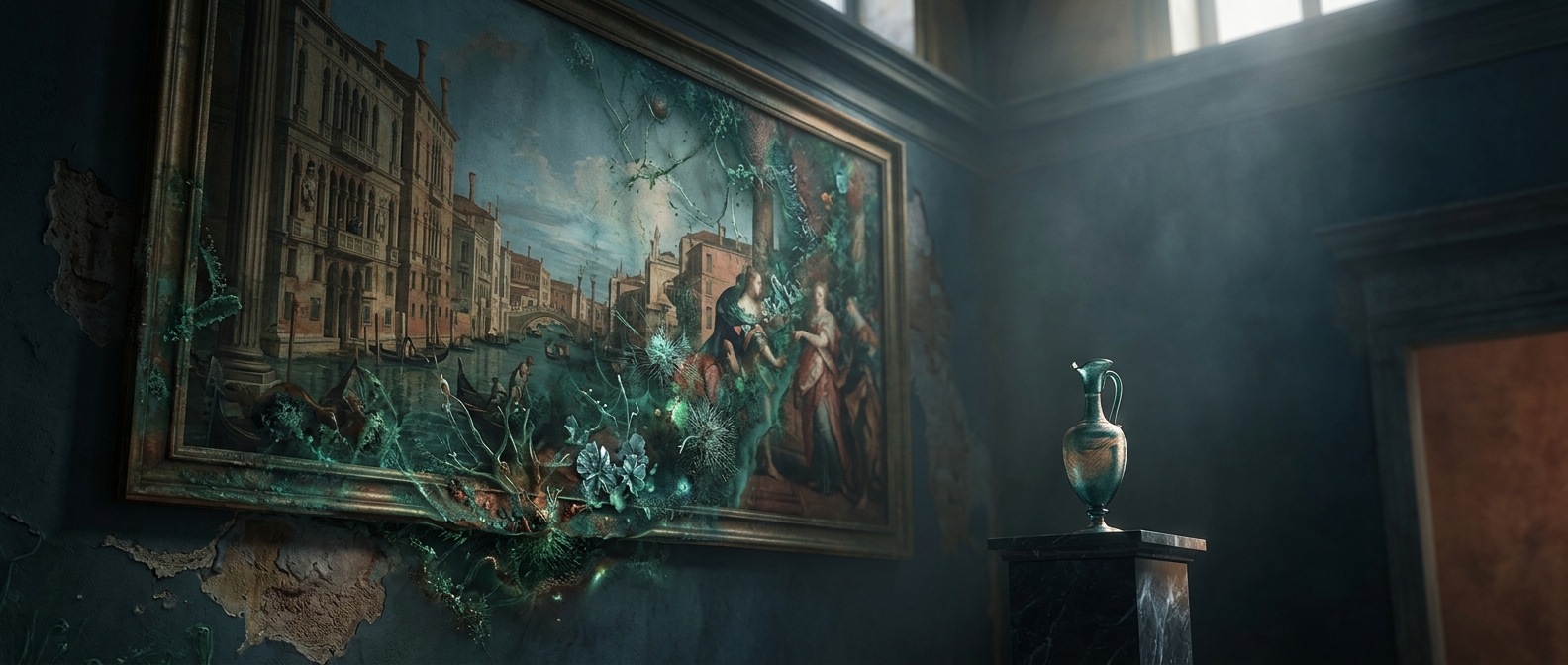
Microbes are eating Venice's ancient stone
Humanity spends millions trying to restore Renaissance masterpieces, but to a bacterial biofilm, St. Mark's Basilica is just an all-you-can-eat buffet.…
Discover more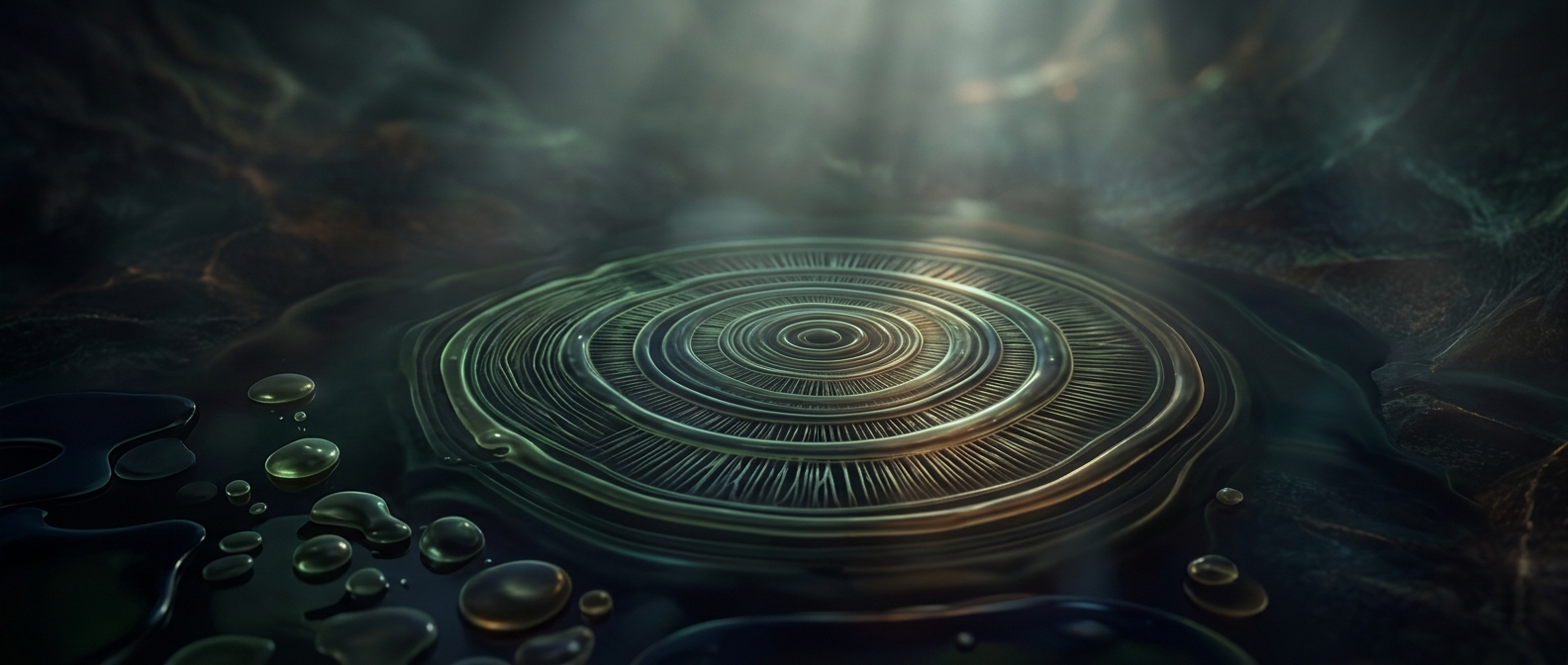
Chemicals can grow rings like trees
Matter usually loves chaos, but Liesegang rings are nature’s version of obsessive-compulsive disorder. When certain chemicals react inside a gel, they refuse…
Discover more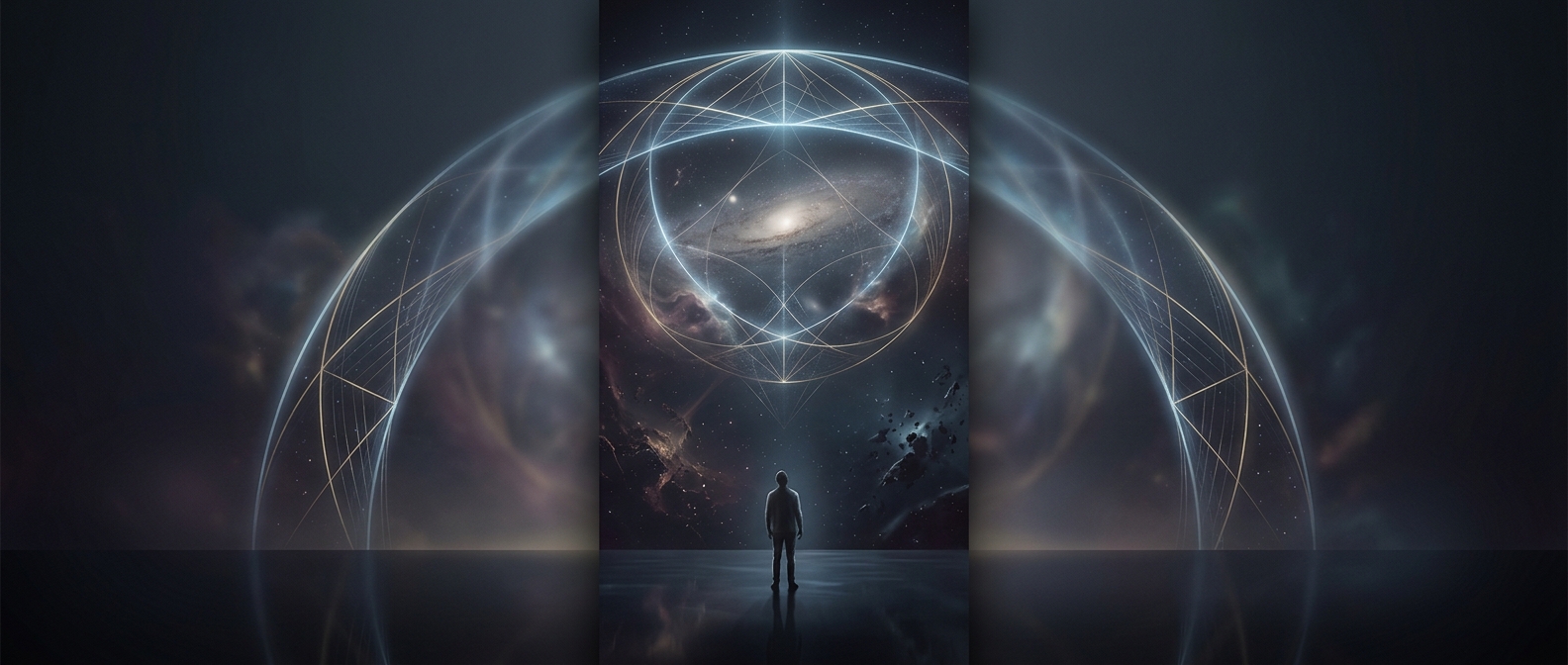
Mathematical symmetry dictates universe survival
Albert Einstein gets all the pop-culture glory, but Emmy Noether did the heavy lifting for modern physics. She mathematically proved that every conservation…
Discover more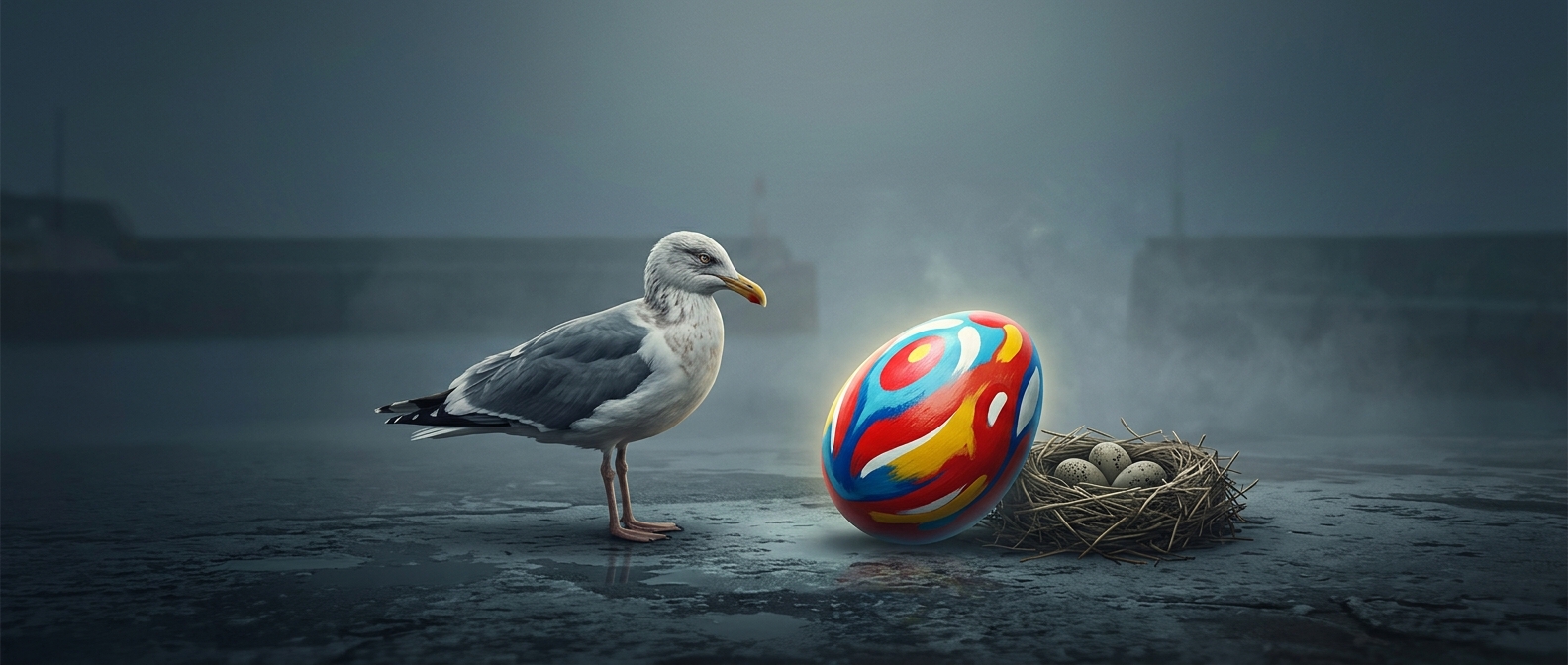
Birds may prefer a giant fake egg
Nobel laureate Nikolaas Tinbergen proved that animals are absolute suckers for exaggerated traits. He discovered 'supernormal stimuli' by experimenting on…
Discover more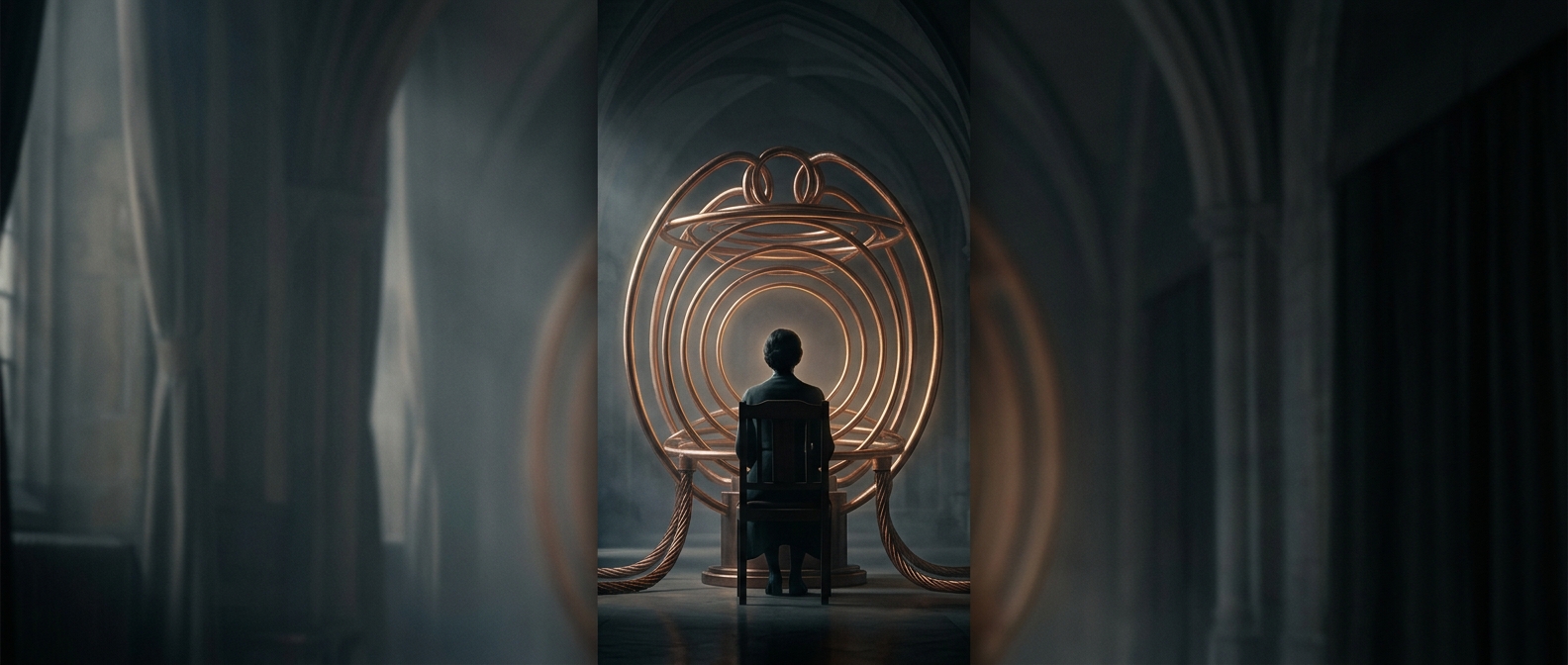
The giant copper coil sold as a cancer cure
In the wild west of 1920s medicine, Georges Lakhovsky decided that every living cell was basically a tiny radio transmitter. His logical leap? If you're sick,…
Discover more
When shampoo suddenly leaps back at you
If you pour shampoo from a height into a puddle of itself, it occasionally defies gravity and shoots a liquid lasso straight back at you. This glitch in…
Discover more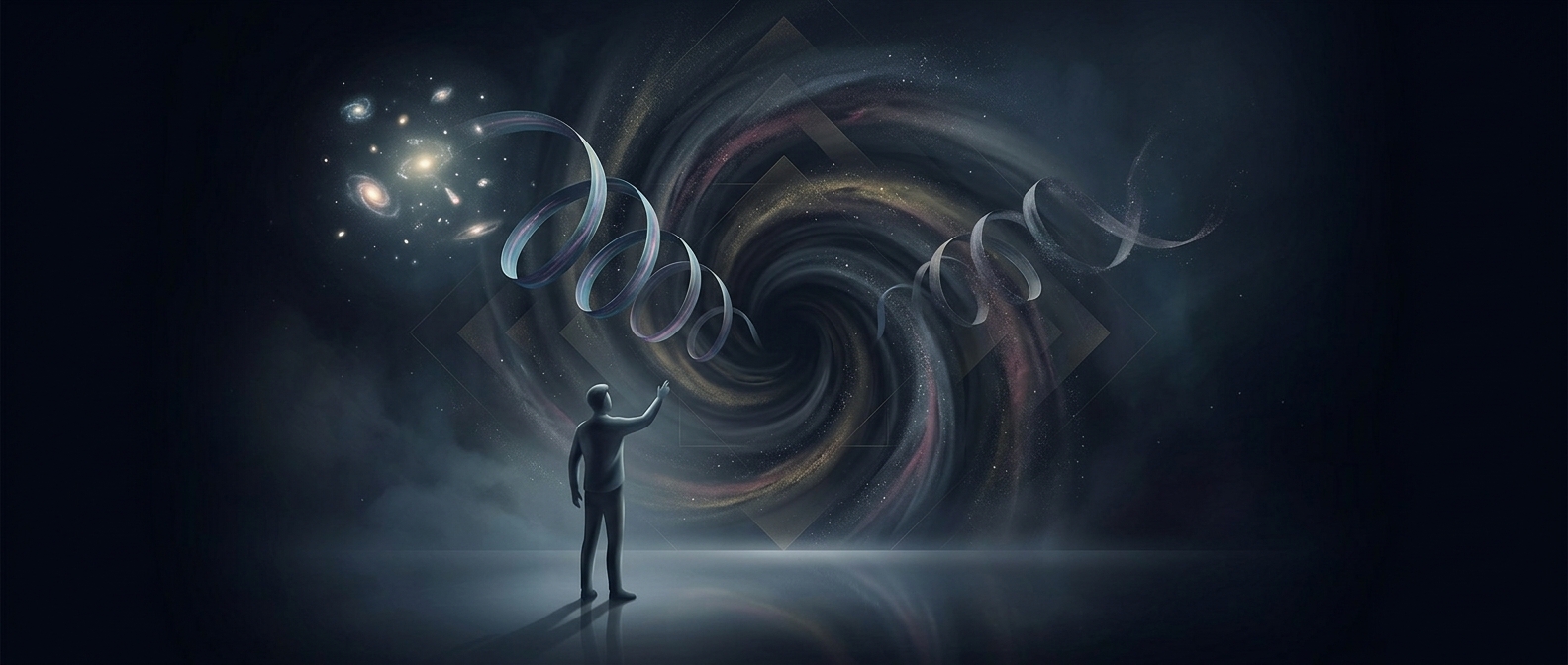
Why the subatomic world has a preferred direction
Physics used to arrogantly assume the universe was perfectly symmetrical—a concept called parity conservation. Chien-Shiung Wu destroyed this comfortable…
Discover more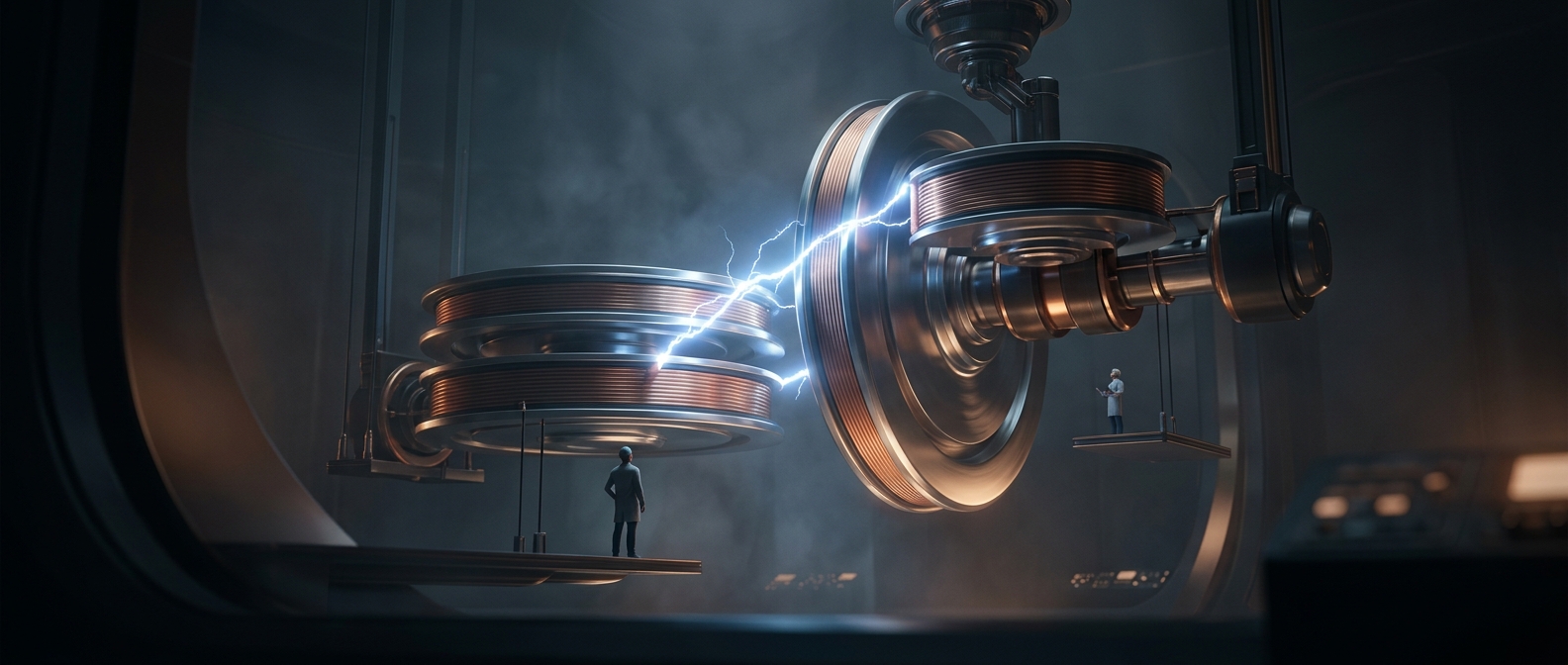
How Victorians made electricity with spinning disks
Forget modern batteries; the Victorians preferred to generate power by aggressively cranking handles. The Wimshurst machine features two counter-rotating…
Discover more
The astronomer who called colleagues 'spherical bastards'
Fritz Zwicky was a visionary genius and a world-class misanthrope. In the 1930s, he noticed galaxies in the Coma Cluster were moving way too fast for the…
Discover more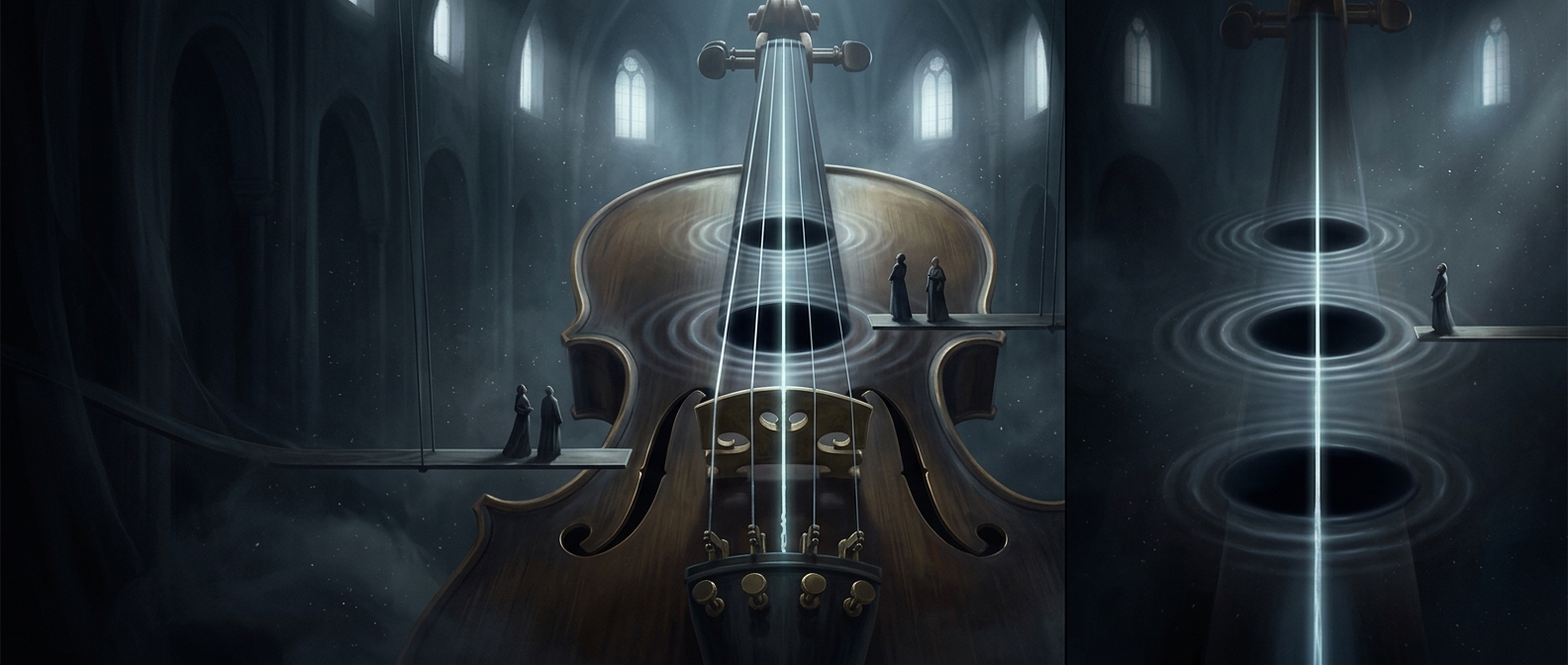
A vibrating string can have points that never move
Franz Melde just wanted to prove a point about waves, so he attached a string to a tuning fork and cranked it up. What he demonstrated was the hypnotic…
Discover more
Satellites saw the ozone hole before scientists did
When scientists first discovered a massive hole in the ozone layer over Antarctica in the 1980s, NASA was incredibly late to the panic party. Why? Because…
Discover more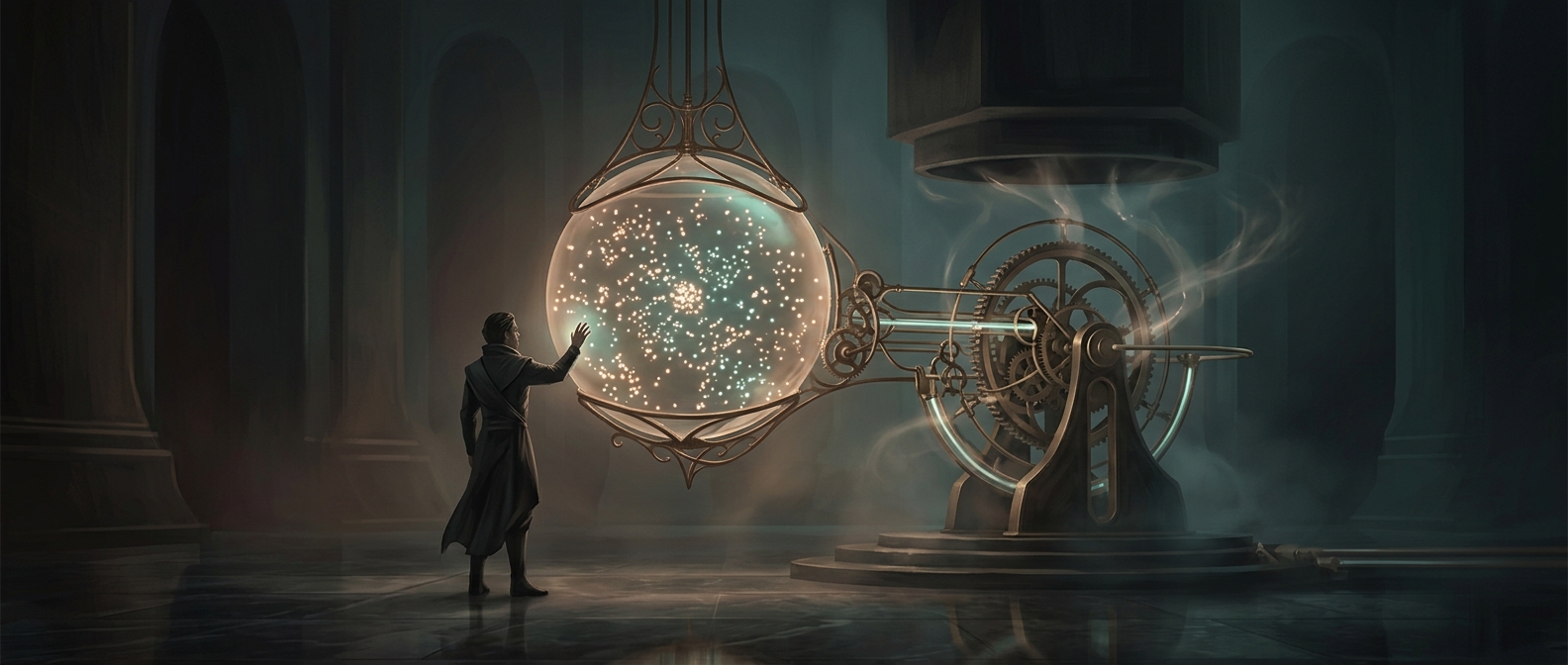
Why Brownian motion can’t power a perpetual-motion machine
Perpetual motion enthusiasts hate this one simple physics reality. Richard Feynman proved that you can't build a microscopic ratchet-and-pawl system to…
Discover more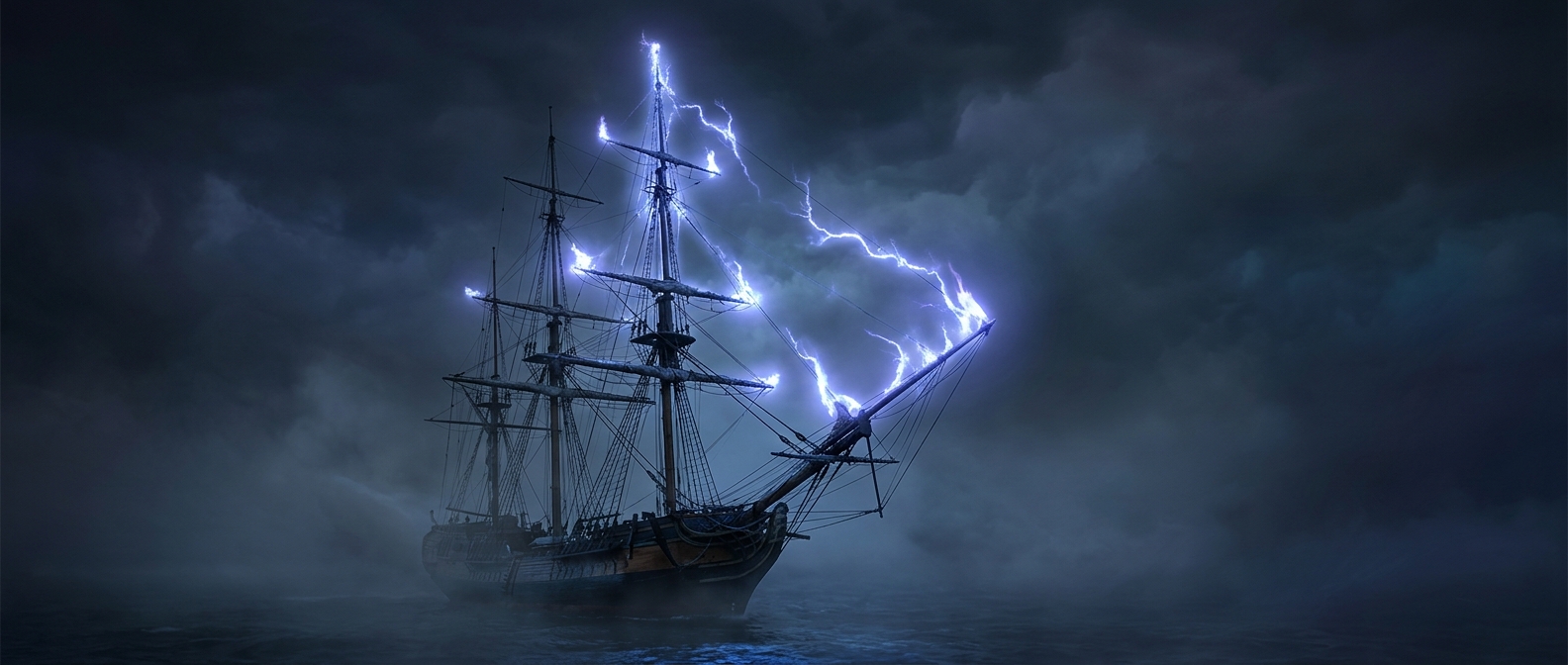
The ghostly glow that clings to ship masts
Sailors used to think glowing blue masts meant divine intervention, but God had nothing to do with it. St. Elmo's fire is merely a luminous corona discharge.…
Discover more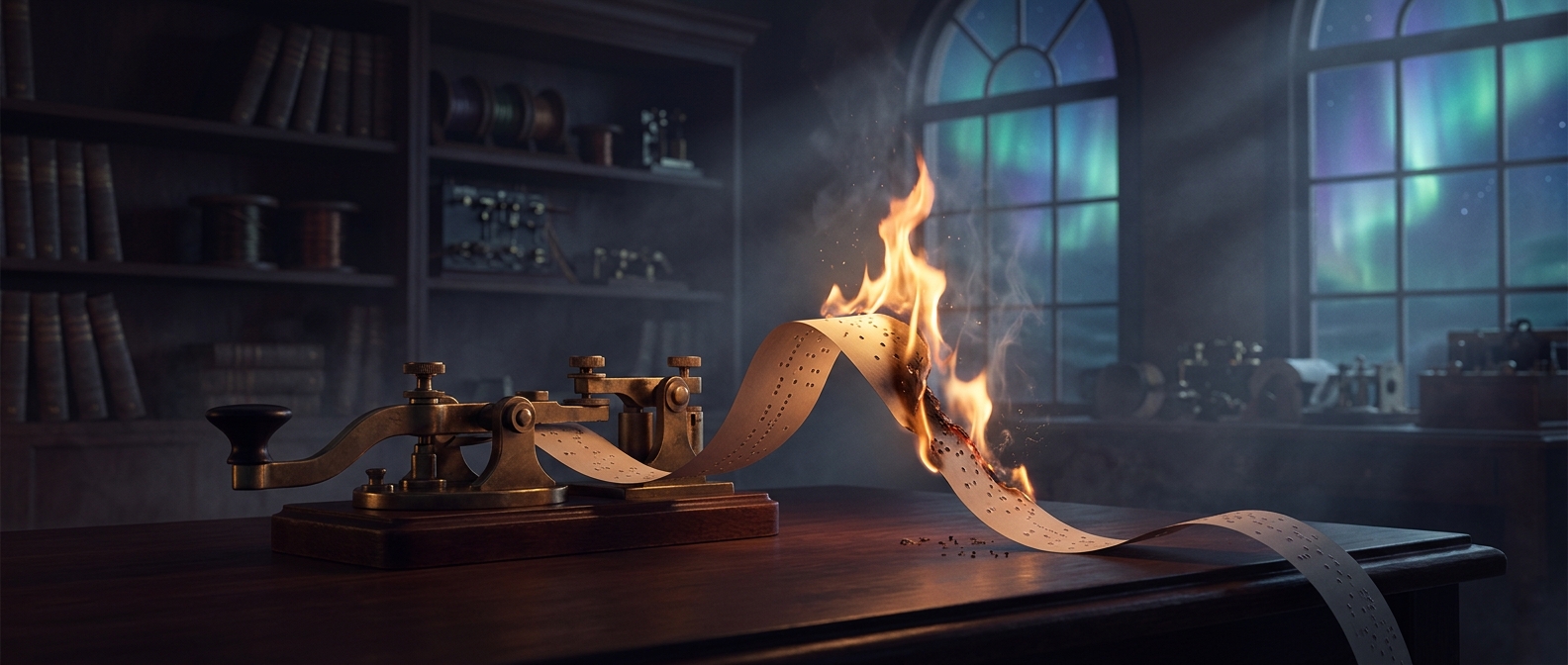
The solar storm that set telegraph paper on fire
Long before we panicked about solar flares killing our Wi-Fi, the sun burped a massive geomagnetic superstorm in 1859 that completely overloaded the primitive…
Discover more
The squid nerves behind a famous circuit
Long before tech bros hyped up biohacking, Otto Schmitt was literally raiding the ocean for engineering ideas. By studying the electrophysiology of giant…
Discover more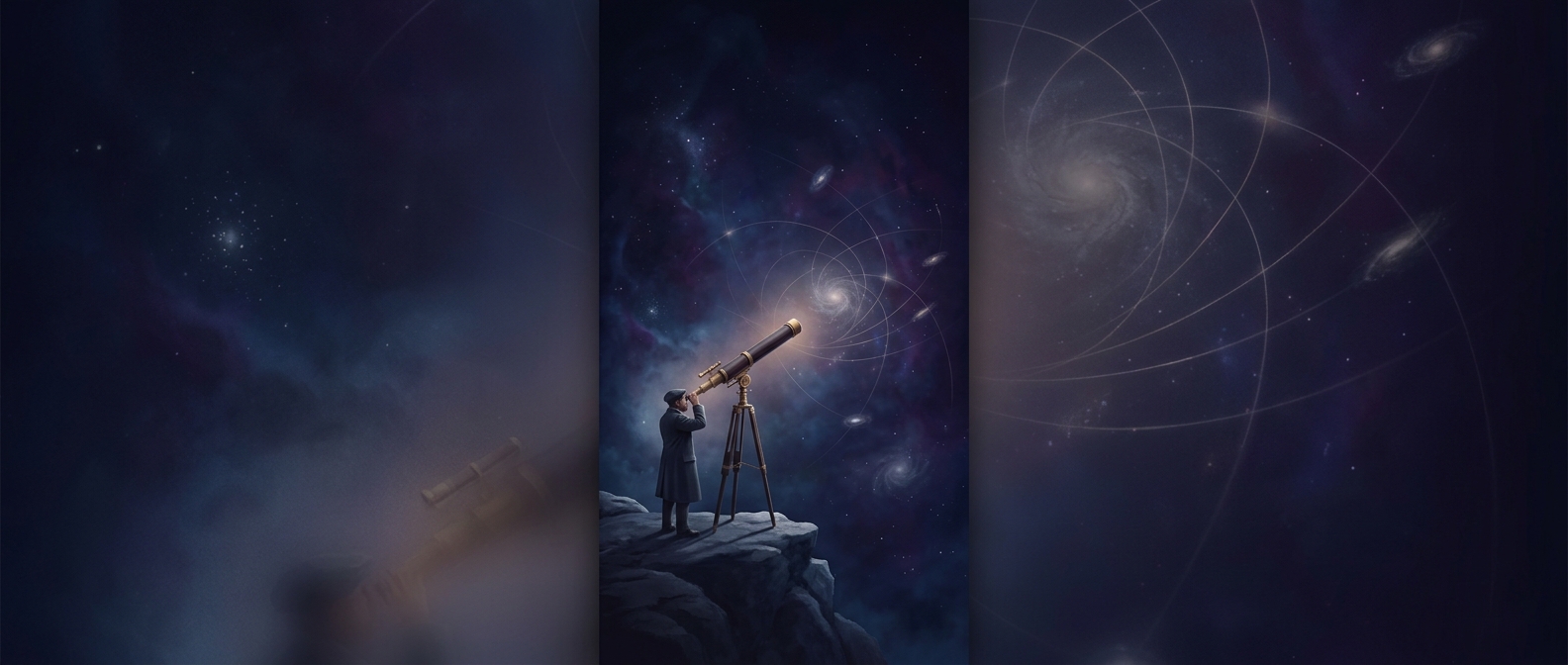
Hubble wasn't the first to find evidence of expansion
History loves to hand the wrong guy the trophy. Years before Edwin Hubble became the poster boy for the expanding universe, Vesto Slipher was quietly…
Discover more