Science
Discover facts about science. Small discoveries that change the way you see familiar things.
Science

When a French abbot shocked 700 monks at once
Imagine an era where the pinnacle of scientific entertainment was watching a room full of monks jump in agonizing unison. In the 1740s, scientists figured out…
Discover more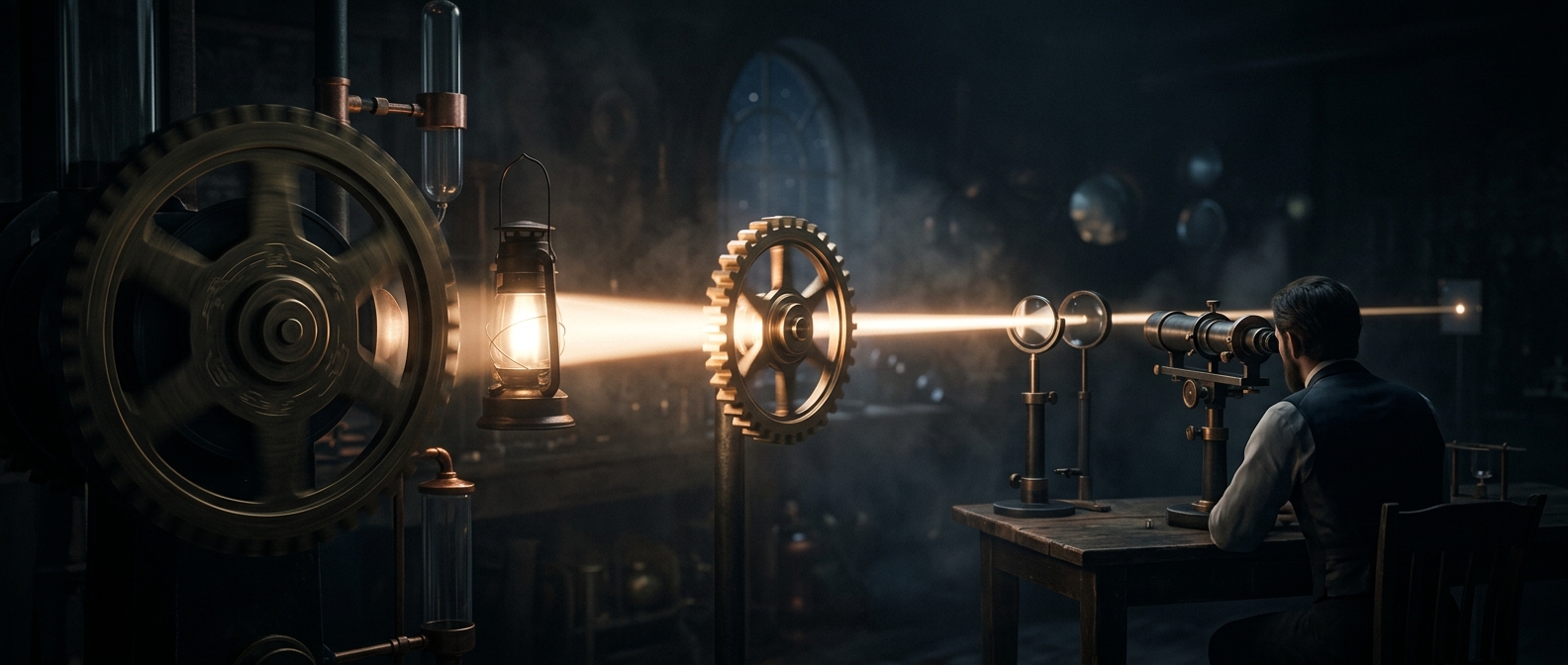
How a spinning gear measured the speed of light
Before lasers and atomic clocks, measuring the speed of light seemed mathematically impossible, so Hippolyte Fizeau just used a really fast gear and a mirror.…
Discover more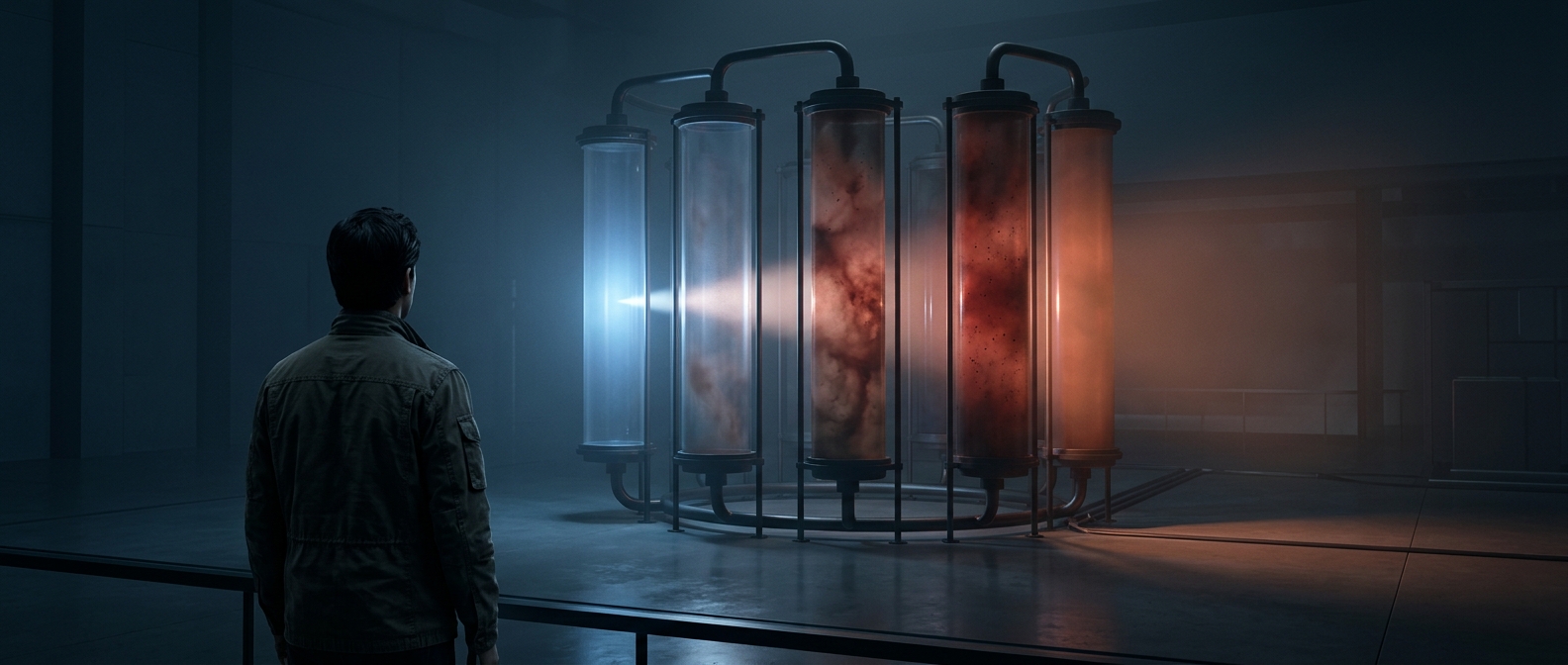
The experiment that explained the blue sky
John Tyndall is the guy who looked up at the sky and refused to just accept that it was blue. In 1859, he shone light through tubes filled with suspended smog…
Discover more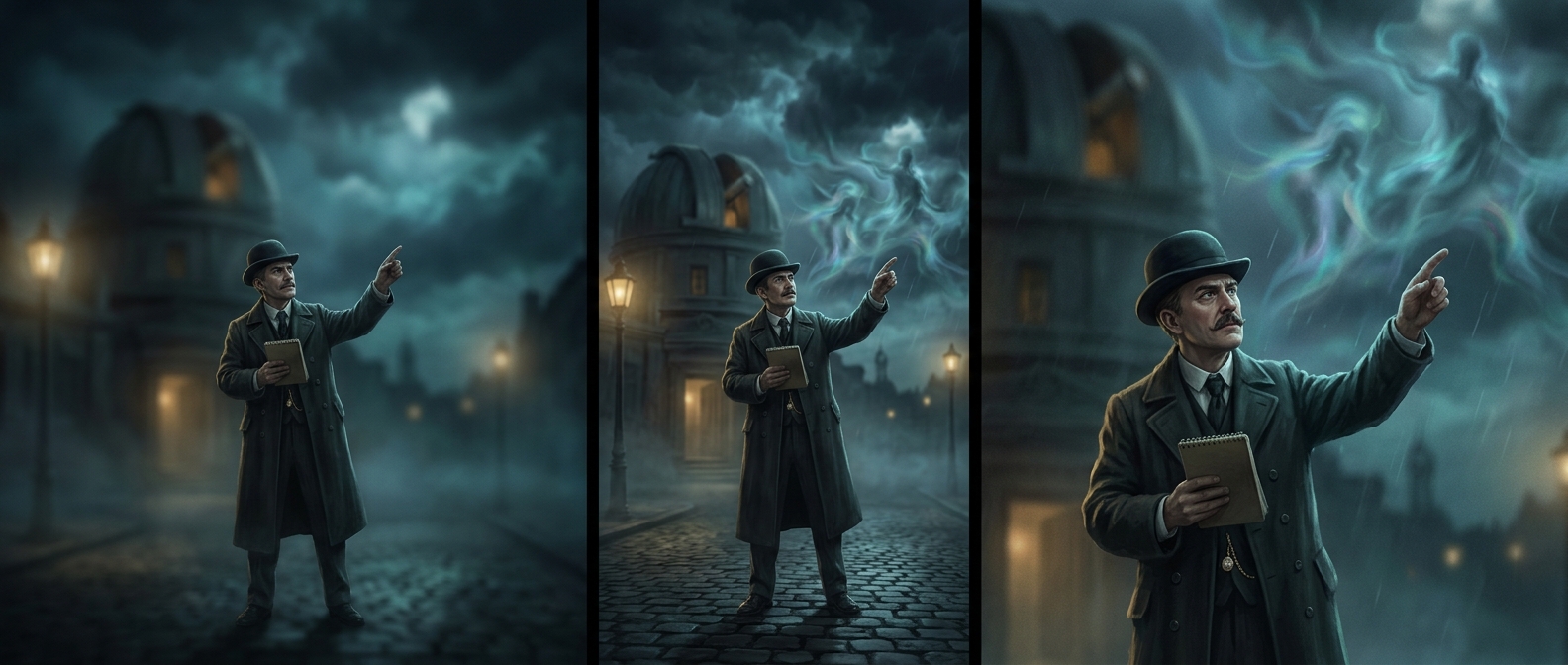
Einstein's rival mistook heated walls for cosmic aether
Dayton Miller was so desperate to prove Einstein wrong about relativity that he dragged a massive interferometer up Mount Wilson. When his delicate instrument…
Discover more
Defining chaotic fluid dynamics with a tiny stream of dye
Osborne Reynolds looked at plumbing and saw absolute mathematical chaos. In 1883, he wanted to know exactly when a smooth, polite flow of liquid turns into a…
Discover more
A math error made America's biggest nuclear blast
The 1954 Castle Bravo nuclear test was supposed to be a modest 6-megaton explosion. Instead, the scientists accidentally unleashed a 15-megaton apocalyptic…
Discover more STACKY FOR IPHONE
A bigger world.
One discovery
at a time.
Keep discovering with Stacky. Interesting facts in an app that is always within reach.
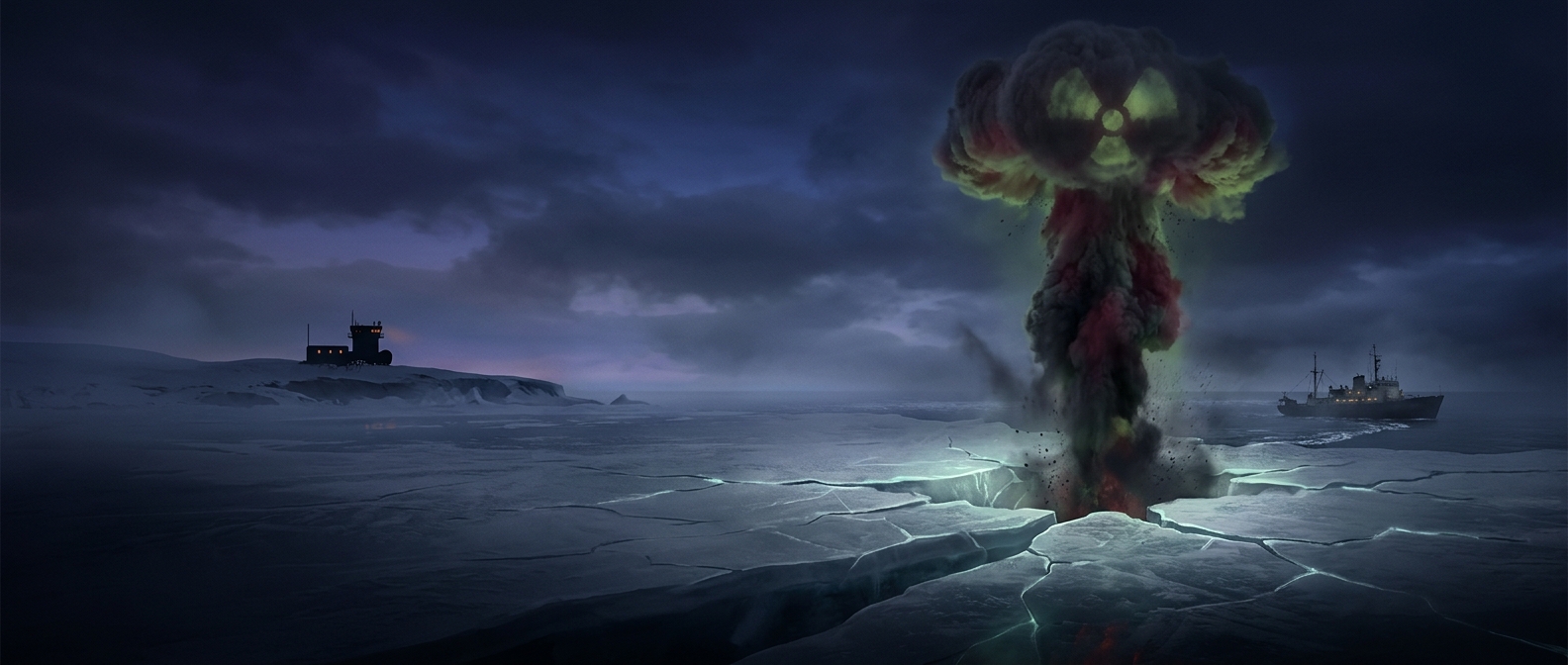
A 1979 flash near Antarctica sparked a secret nuke mystery
In 1979, an American Vela satellite specifically designed to catch people breaking the nuclear test ban treaty detected a massive double flash in the desolate…
Discover more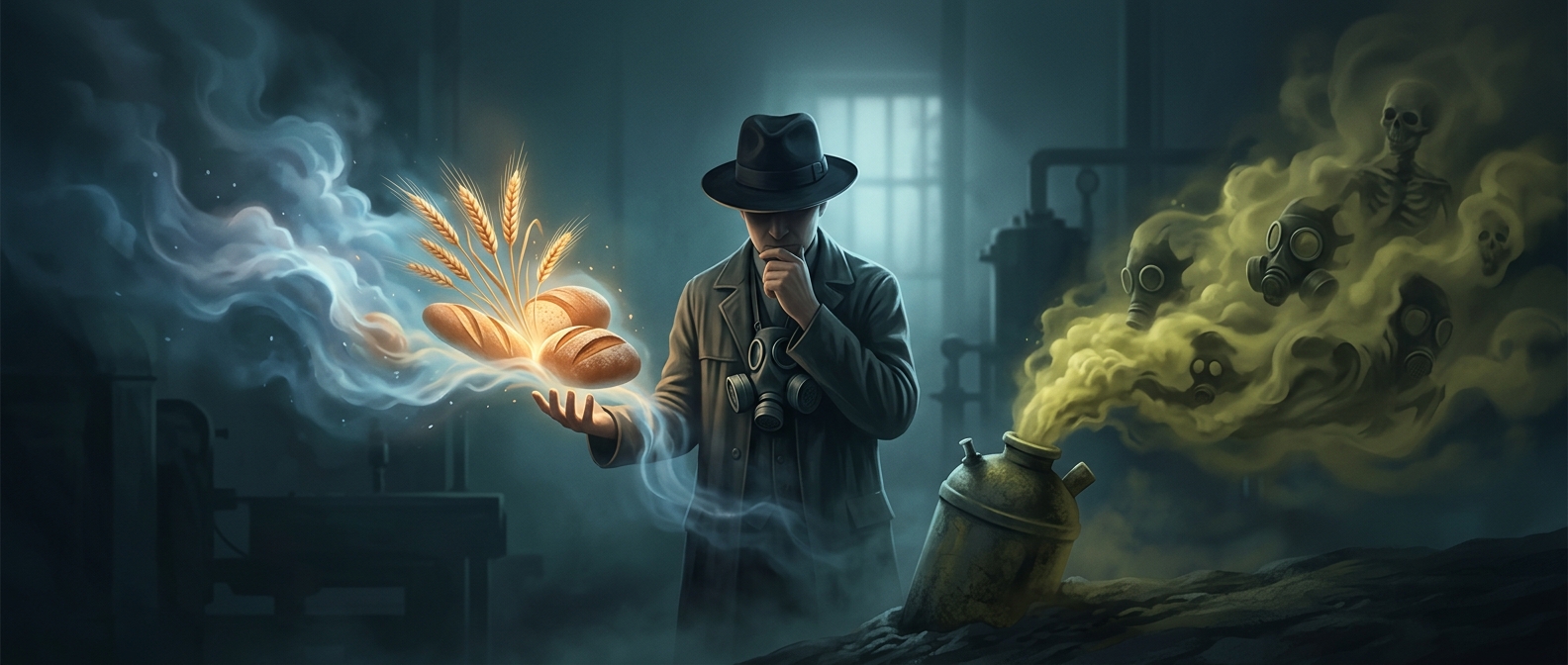
The scientist who fed the world and armed poison gas
Fritz Haber is the reason half the people on Earth are currently alive, which makes his legacy incredibly awkward. In 1909, he figured out how to rip inert…
Discover more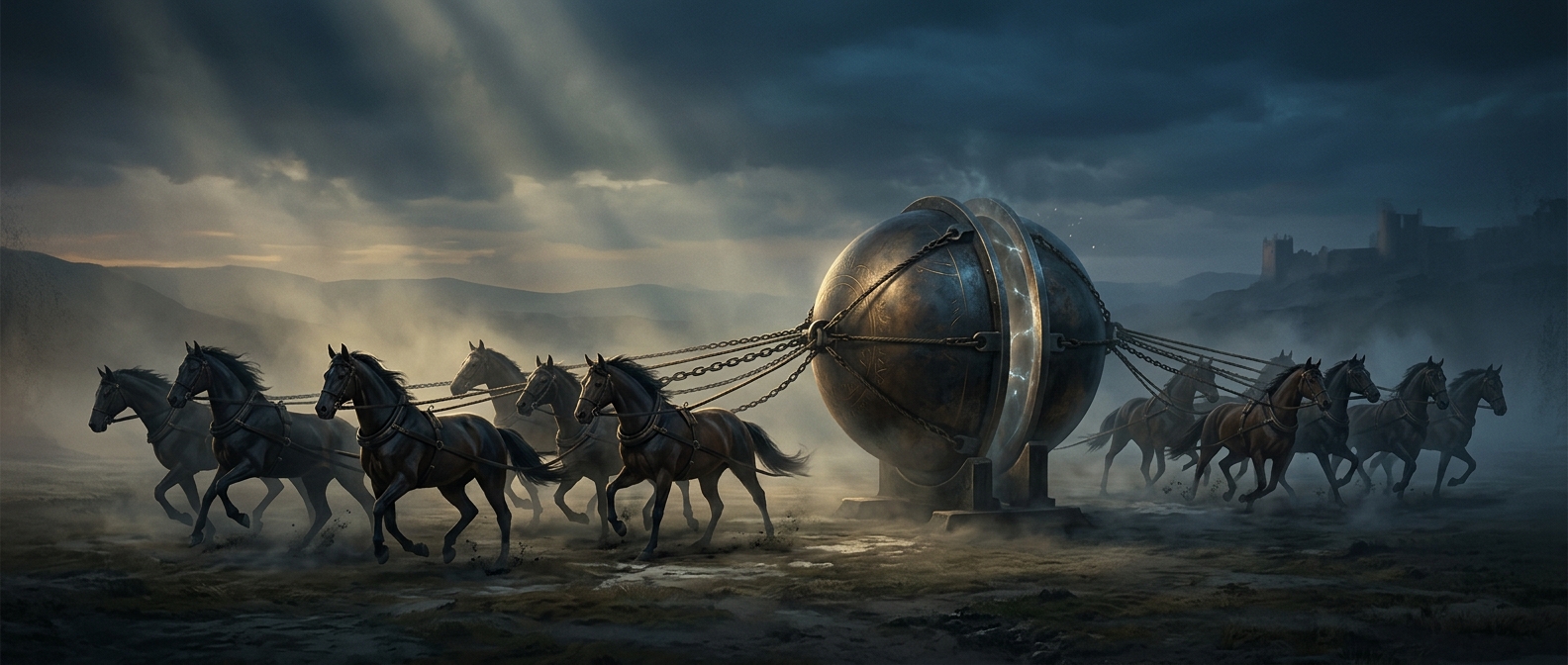
Sixteen horses lost a tug-of-war with a vacuum
Otto von Guericke wanted to prove that vacuums actually existed, so he pulled the ultimate 17th-century flex. He mashed two massive copper hemispheres…
Discover more
How a spinning gear measured human hearing
Before oscilloscopes or digital audio existed, Félix Savart measured the pitch limits of human hearing by literally slapping a card against a spinning brass…
Discover more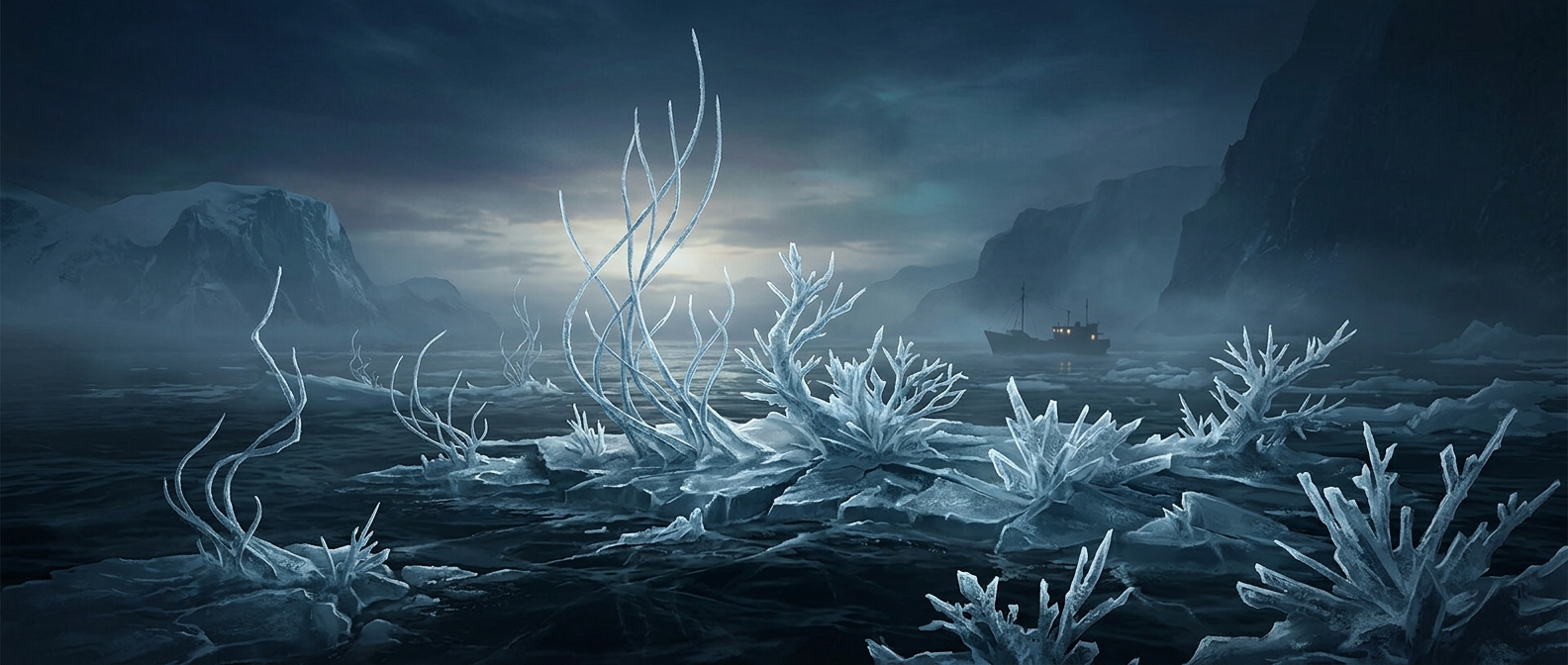
The deadly salt flowers that grow from sea ice
Nature occasionally gets bored of normal snowflakes and decides to grow jagged, hyper-saline ice lotuses directly out of the freezing ocean. When the…
Discover more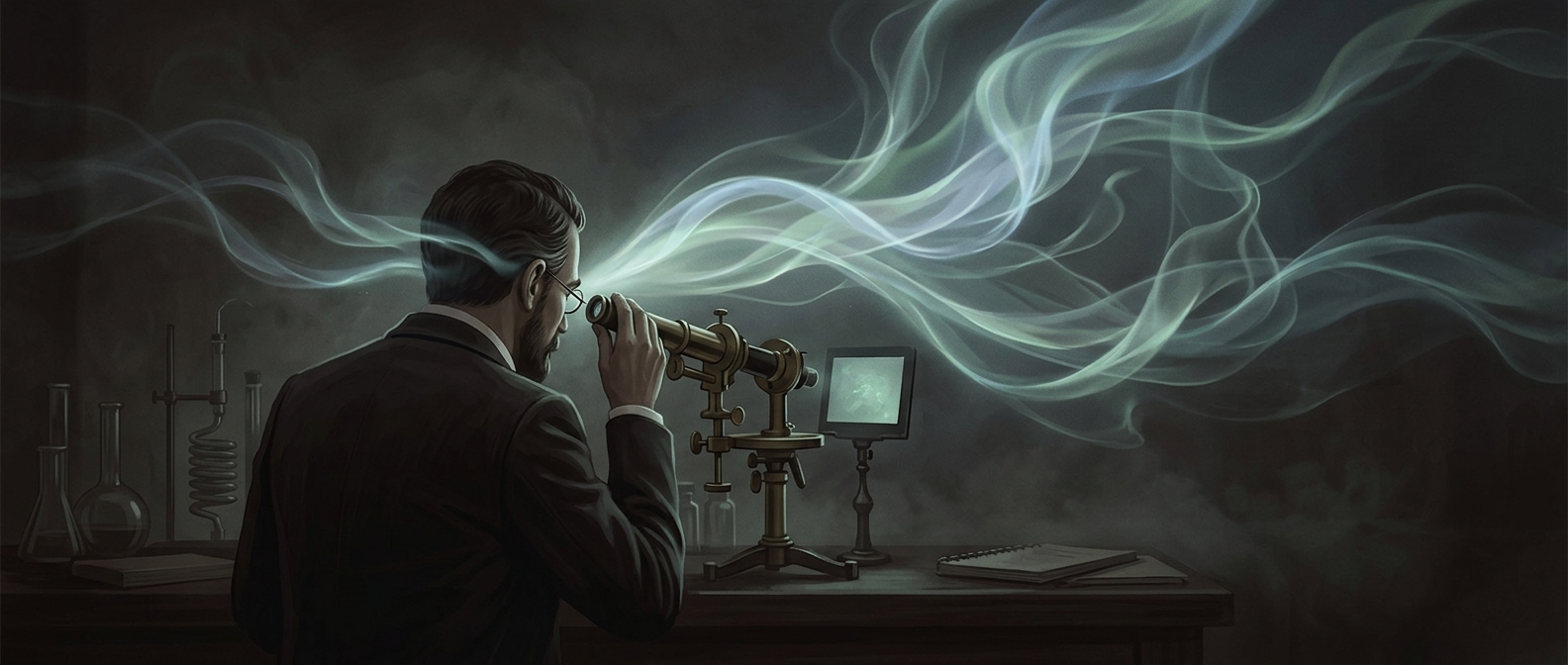
When scientists mistook darkness for new radiation
René Blondlot desperately wanted France to have its own cool radiation to rival Germany’s newly discovered X-rays, so he literally manifested them out of pure…
Discover more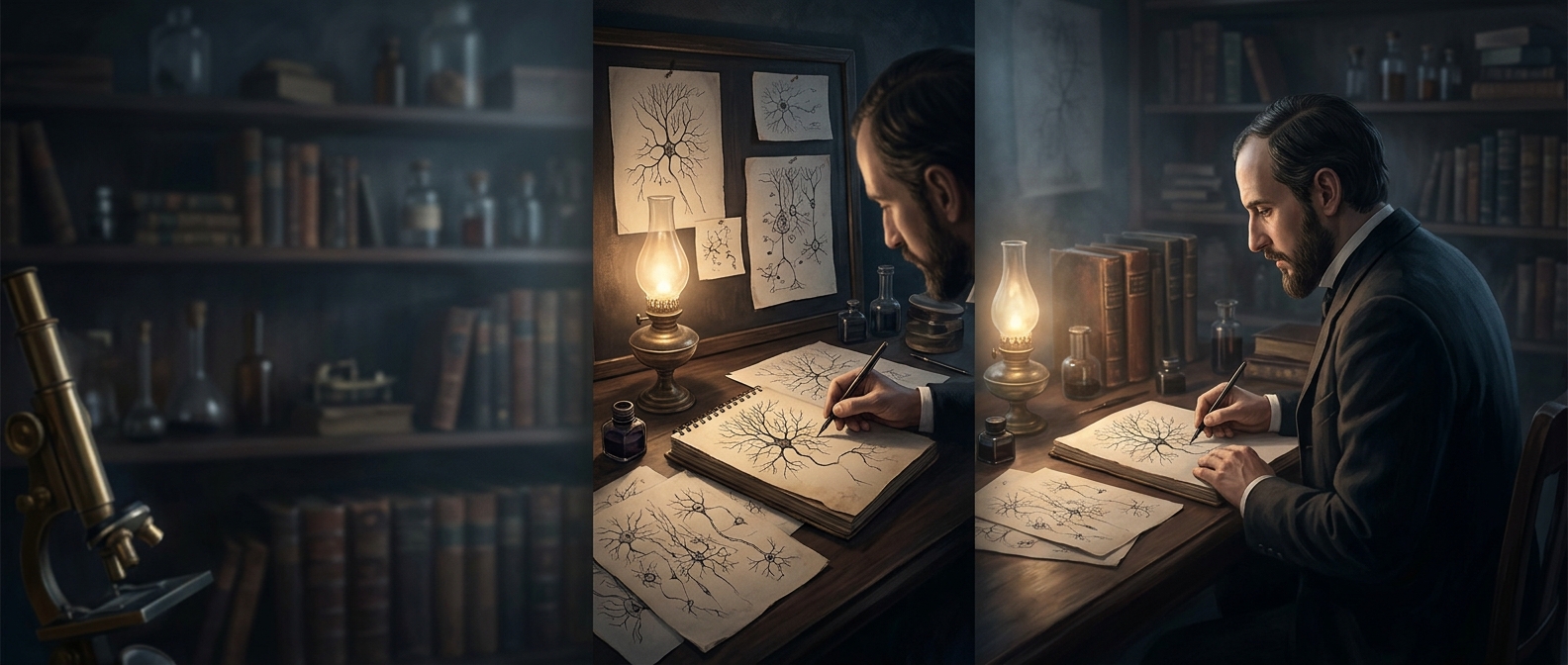
The artist who revealed the brain's individual cells
The foundation of how your brain processes everything was cracked by a guy who really just wanted to be a painter. Santiago Ramón y Cajal spent his days…
Discover more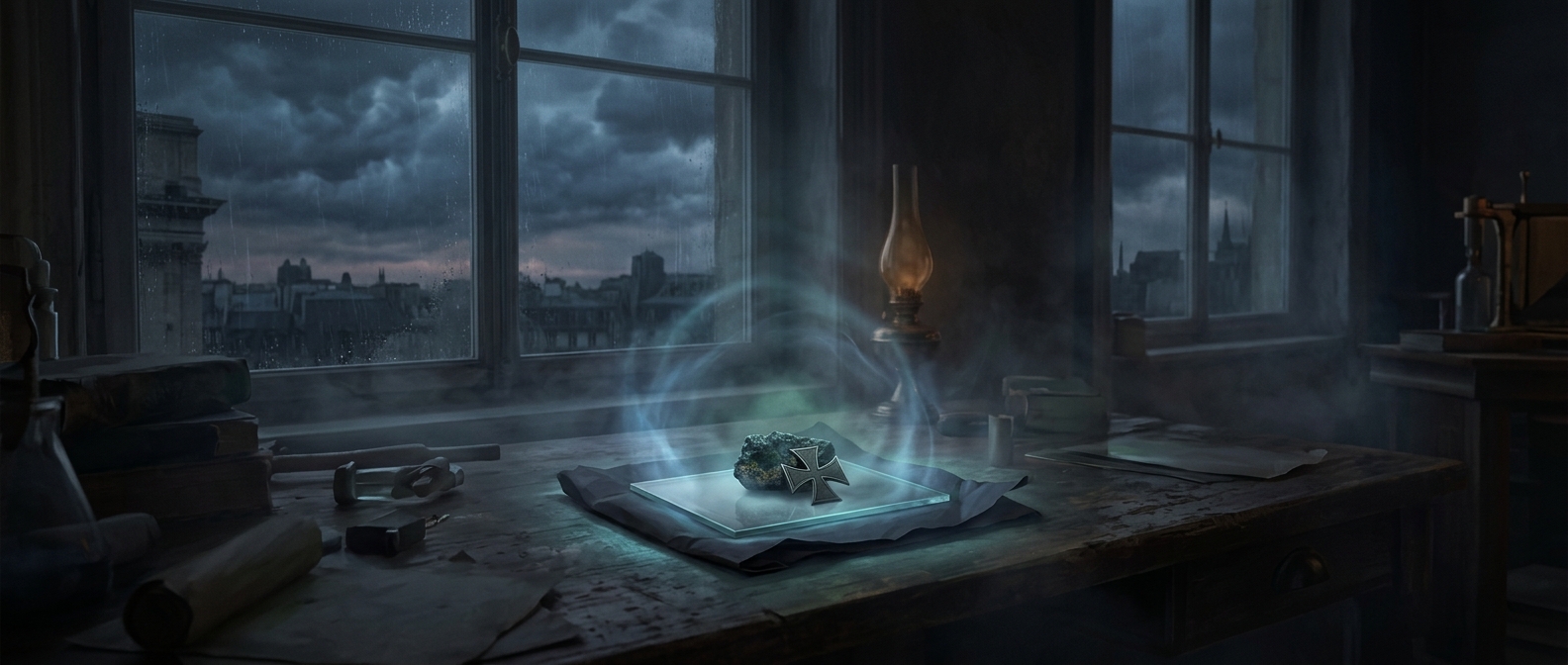
Radioactivity was discovered on a cloudy day
The atomic age wasn’t born in a sterile, ultra-funded lab; it was born because Paris had garbage weather. Henri Becquerel was trying to test uranium's…
Discover more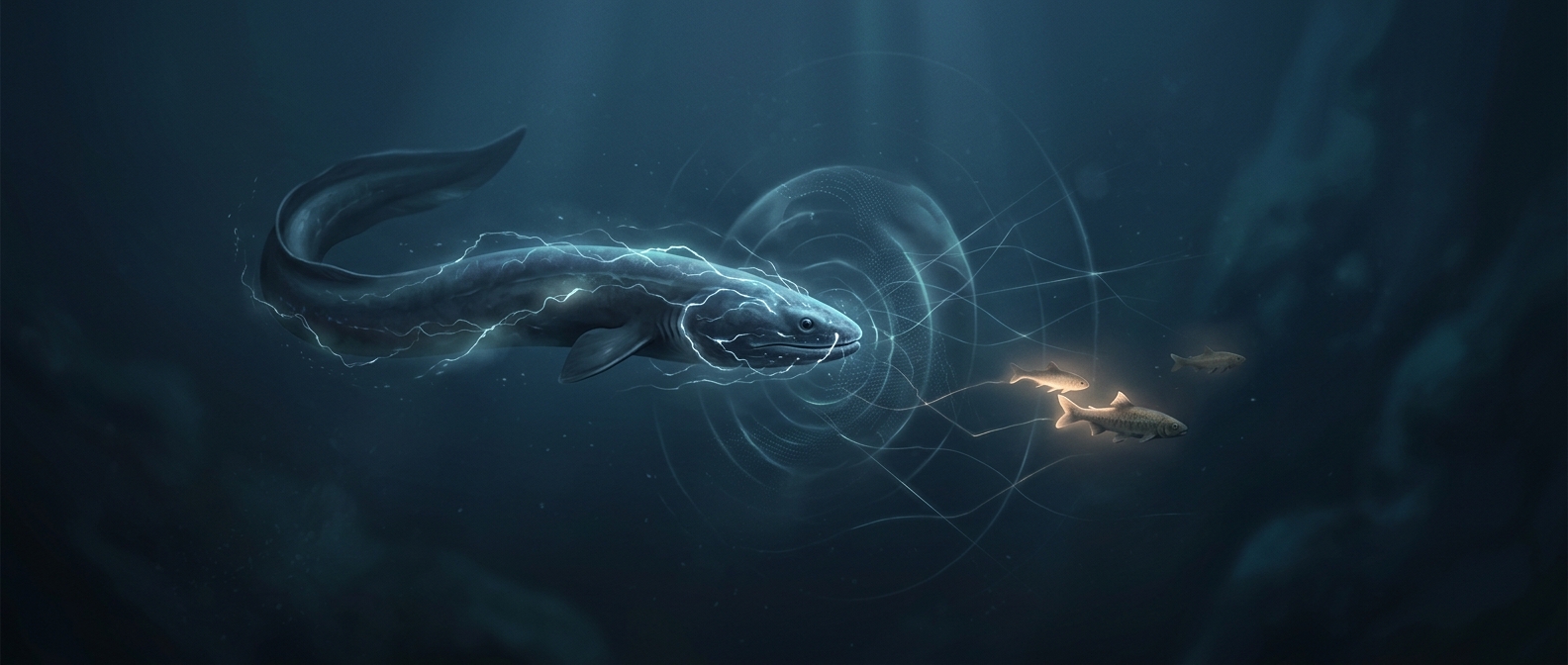
This ancient fish can sense its prey's electricity
Finding a living coelacanth in 1938 was like finding a live T-Rex chilling in your backyard, but the weirdness goes way beyond its age. This…
Discover more
The scientist who needed a spotless lab to date Earth
Clair Patterson just wanted to figure out the exact age of the damn planet, but his uranium-lead dating samples kept getting contaminated. The problem wasn't…
Discover more
Some famous hot springs are naturally radioactive
People have paid thousands to soak in "curative" hot springs for centuries, completely oblivious that their relaxing dip was a mild radiological event. In…
Discover more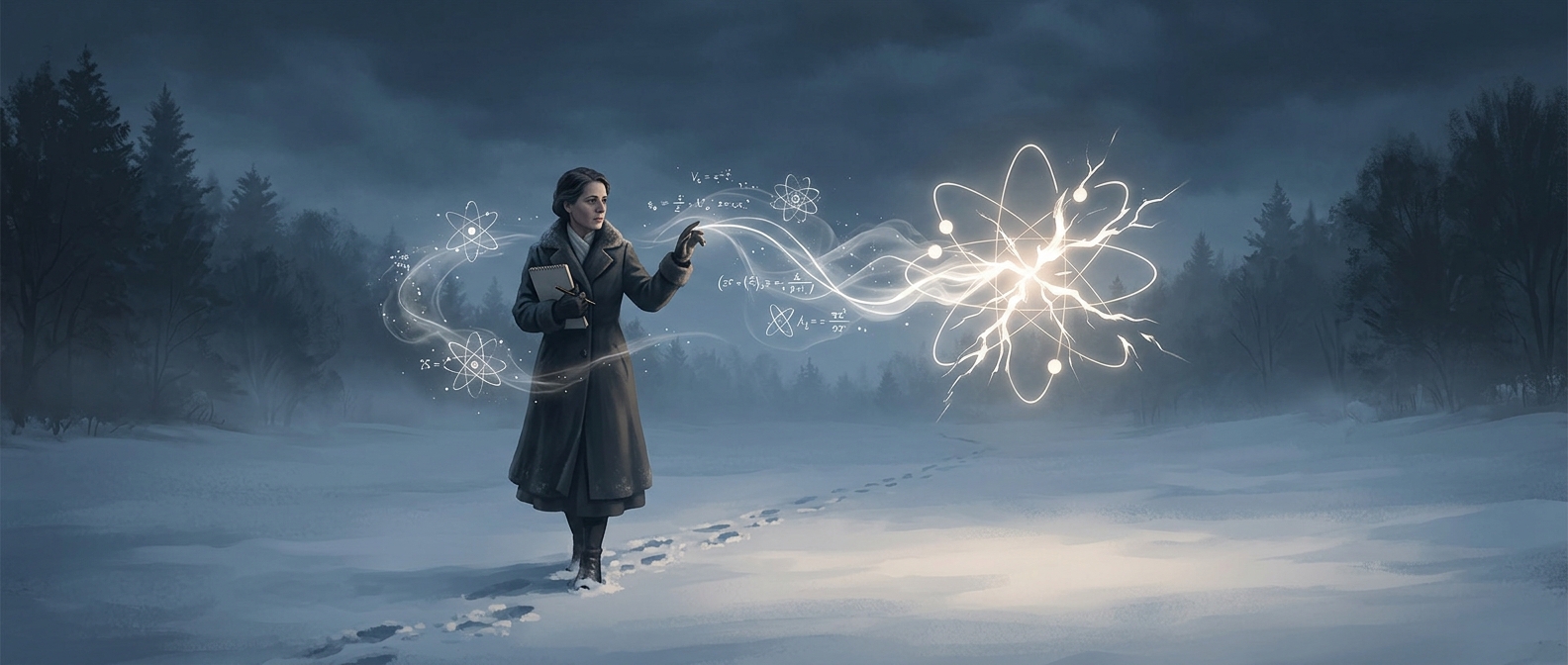
Lise Meitner explained fission on a winter walk
While her male colleague got the Nobel Prize, Lise Meitner actually cracked the math of splitting the atom on a piece of scrap paper during a winter stroll.…
Discover more
How mercury helped prove Boyle's Law
The foundational law of how gases behave was discovered by scientists casually pouring gallons of deadly neurotoxins into a giant glass straw. To prove that…
Discover more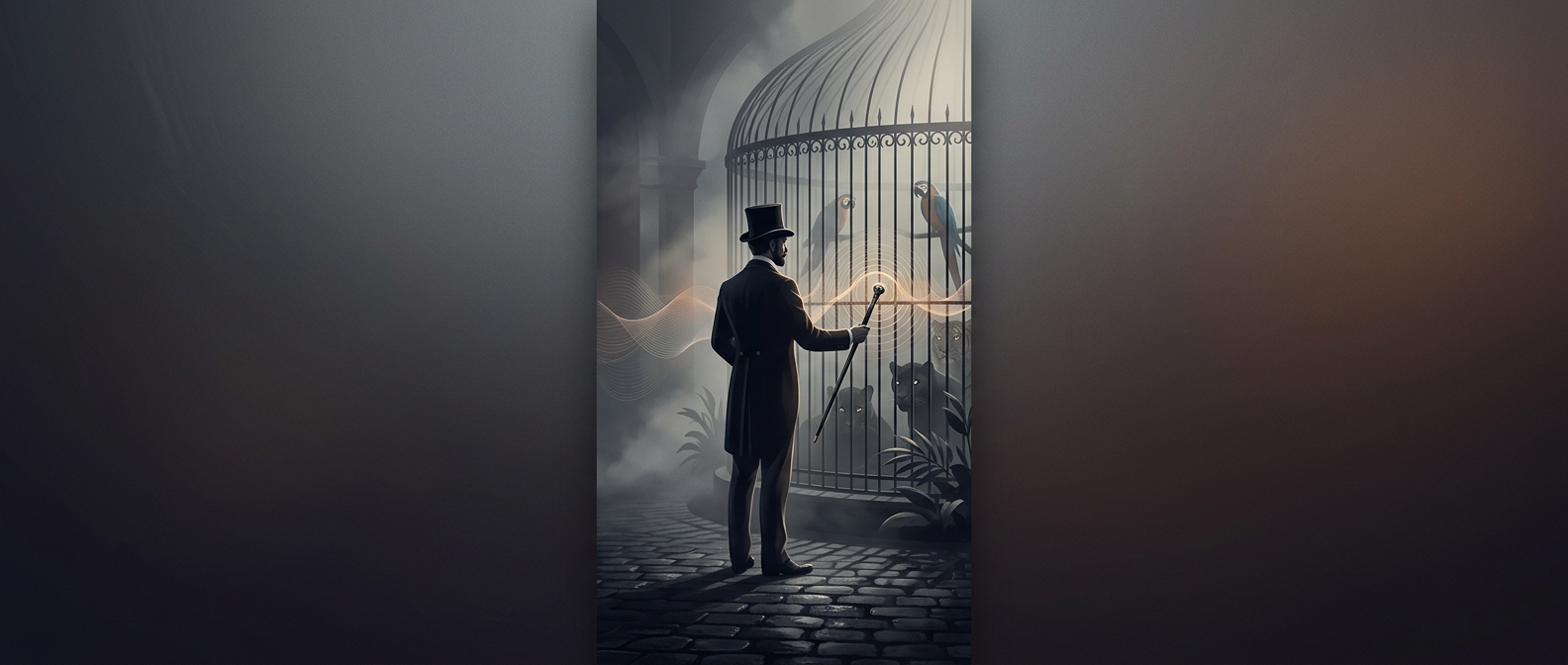
The silent whistle tested on zoo animals
Long before silent dog whistles were a training tool, they were a gentleman's weapon of choice for annoying apex predators in the name of acoustic science. In…
Discover more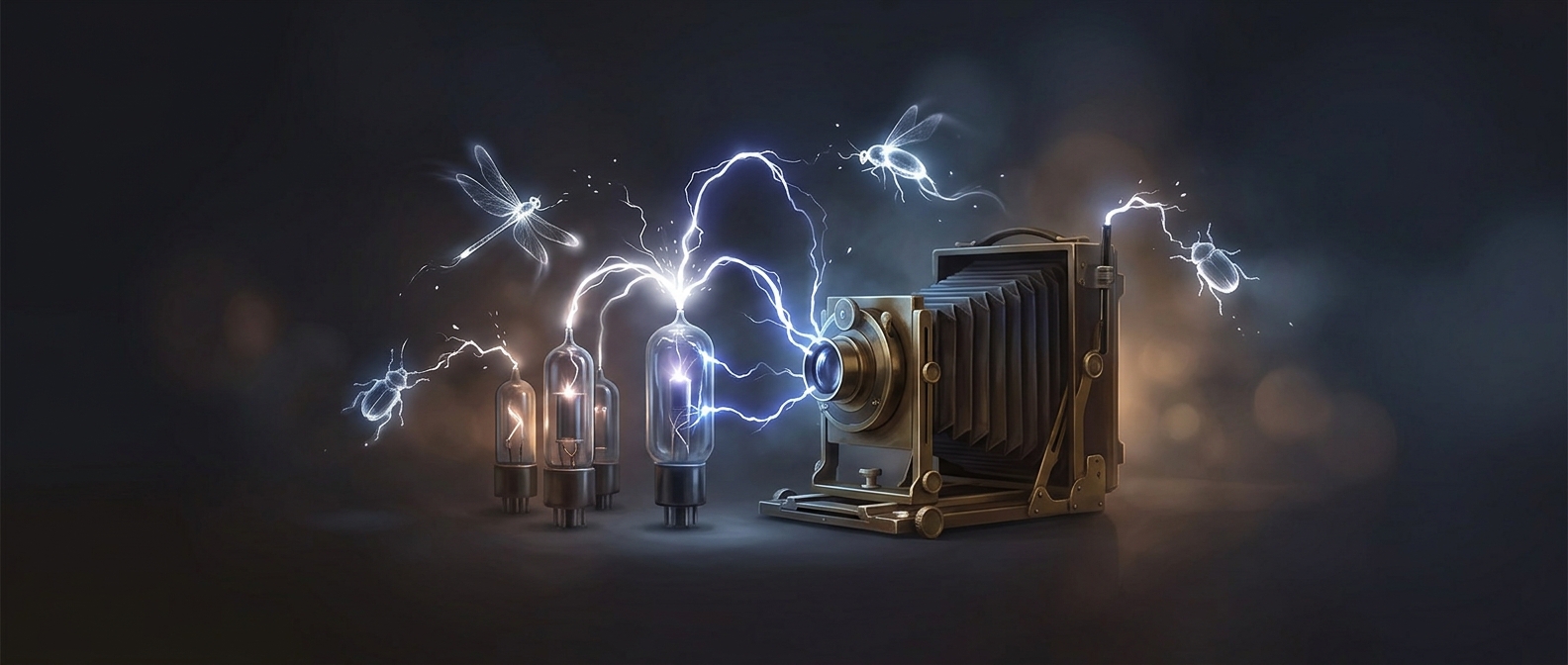
The camera that froze an insect's flight with sparks
Long before the slow-mo guys on YouTube, Lucien Bull was freezing time with nothing but electric arcs and sheer stubbornness. In 1904, he wanted to see how…
Discover more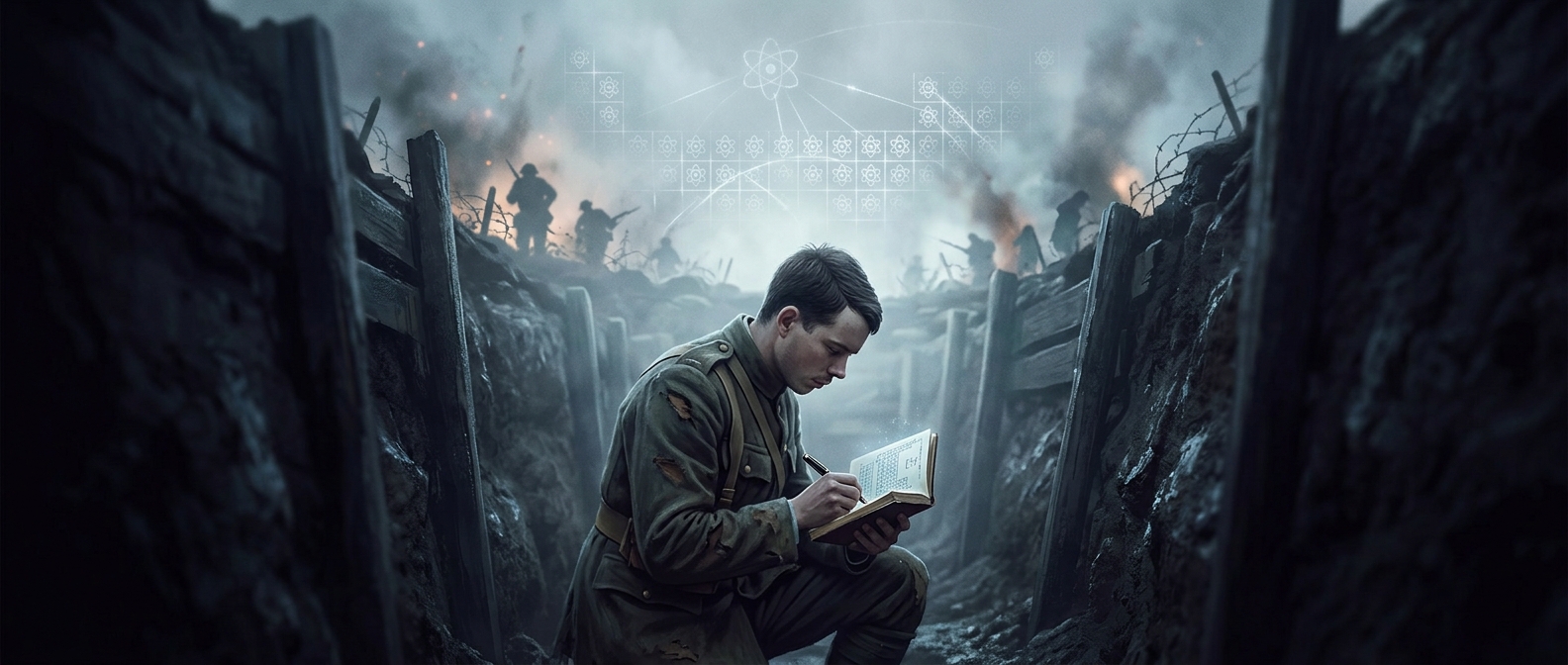
The 27-year-old who fixed the periodic table
The periodic table used to be a wildly unorganized guessing game based on atomic weight until Henry Moseley started shooting X-rays at elements. He proved…
Discover more
The metal that pulses like a beating heart
Drop a blob of gallium into sulfuric acid with a rusty nail, and it doesn't just sit there—it violently throbs like Edgar Allan Poe's tell-tale heart. The…
Discover more
How Hertha Ayrton explained ripples in beach sand
When she wasn’t fighting for women’s right to vote or literally dodging police, Hertha Ayrton was obsessively boiling water in glass tanks to study sand. She…
Discover more