Why a spark could act like a shutter
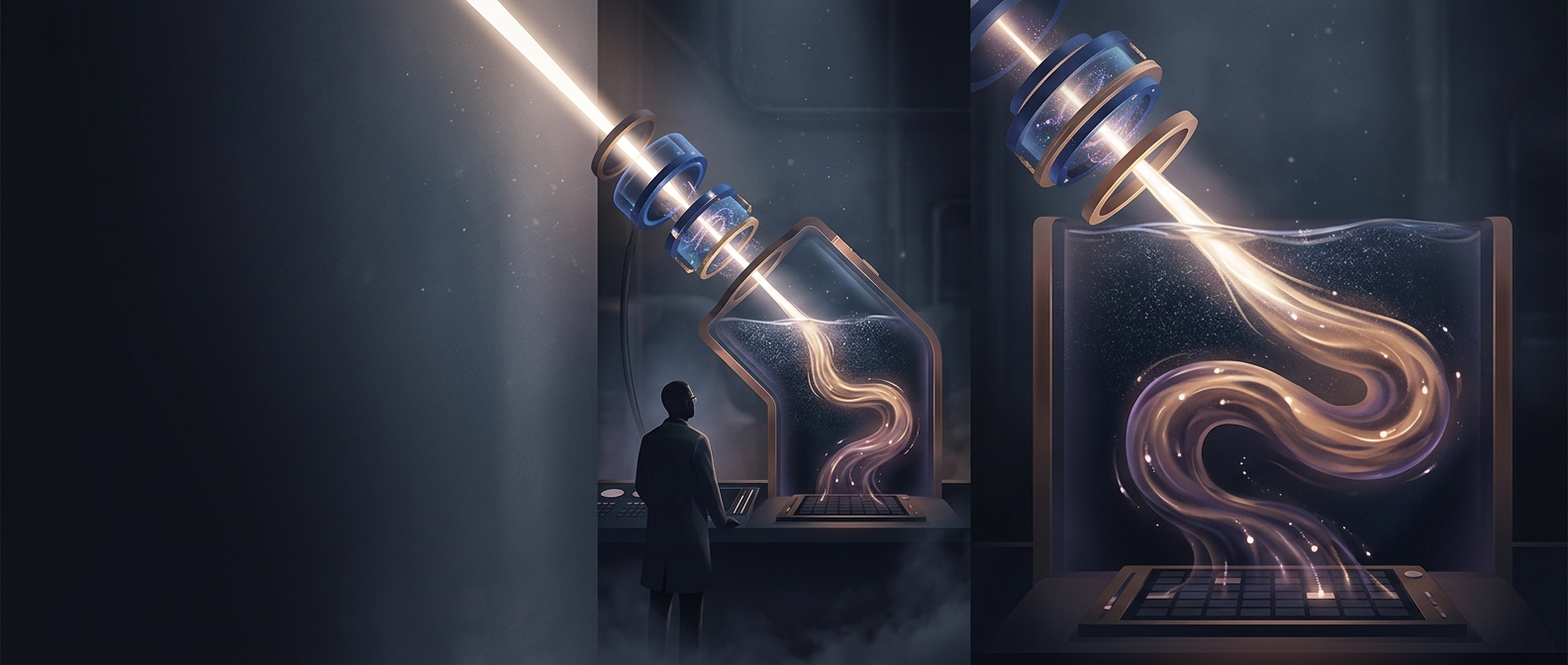
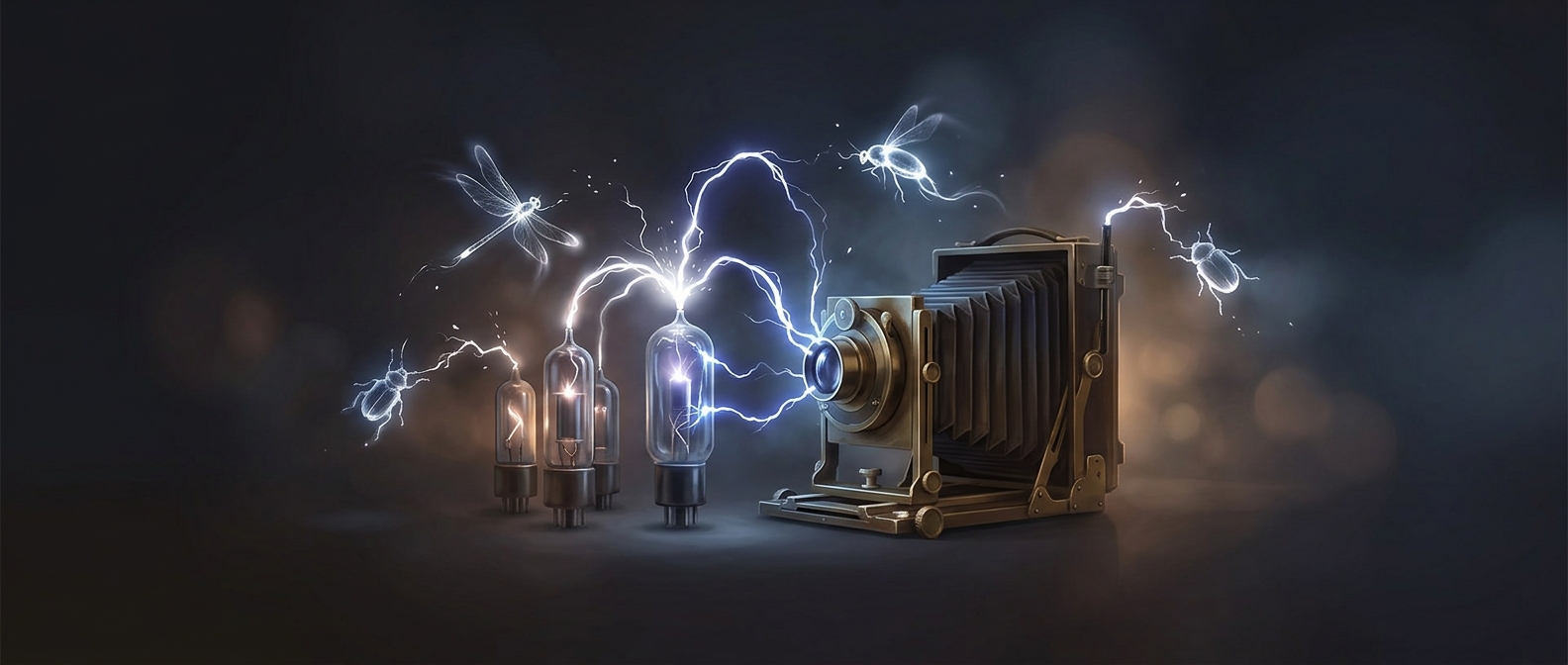
A camera’s shutter does not have to be the part that stops motion. In spark photography, the shutter could remain open while the scene stayed dark. A sudden electrical discharge produced a flash lasting only a tiny fraction of a second; during that brief pulse, the insect reflected enough light to register on the photographic plate. Between flashes, there was too little light to make a noticeable image.
The key was the flash’s duration, not the camera’s exposure time. Even if the insect moved quickly over the full exposure, it barely changed position while the spark was glowing. Its wings or body therefore appeared sharply defined instead of stretched into a blur.
Turning one exposure into a sequence
Triggering more sparks at different instants could record several positions on the same plate. Each flash added another image, so the result was not a conventional series of separate photographs but a sequence layered into one exposure. The spacing between those images could reveal how the insect’s position changed over time.
That method made an otherwise elusive motion visible: a photograph could preserve both the insect’s sharply frozen form and the successive places it occupied in flight. The spark did not stop the insect—it briefly stopped the motion’s blur.