Science
Discover facts about science. Small discoveries that change the way you see familiar things.
Science

How high voltage can make an object fly
When Thomas Townsend Brown pumped extreme high voltage into an asymmetrical capacitor, it suddenly decided it wanted to fly. For decades, UFO enthusiasts and…
Discover more
Some radio signals echo back 40 seconds later
Sometimes, when you shout into the cosmic void, it waits an uncomfortably long time before shouting back. The long delayed echo phenomenon occurs when radio…
Discover more
How 29 reindeer became 6,000 then 43
Drop an invasive species into a predator-free paradise, and they'll aggressively consume their way to an apocalypse. In 1944, the Coast Guard left 29 reindeer…
Discover more
Lightning can leave tree-like marks on your skin
Surviving a massive electrical strike doesn't just leave a cool story; it gives you Mother Nature's most aggressive form of involuntary body modification.…
Discover more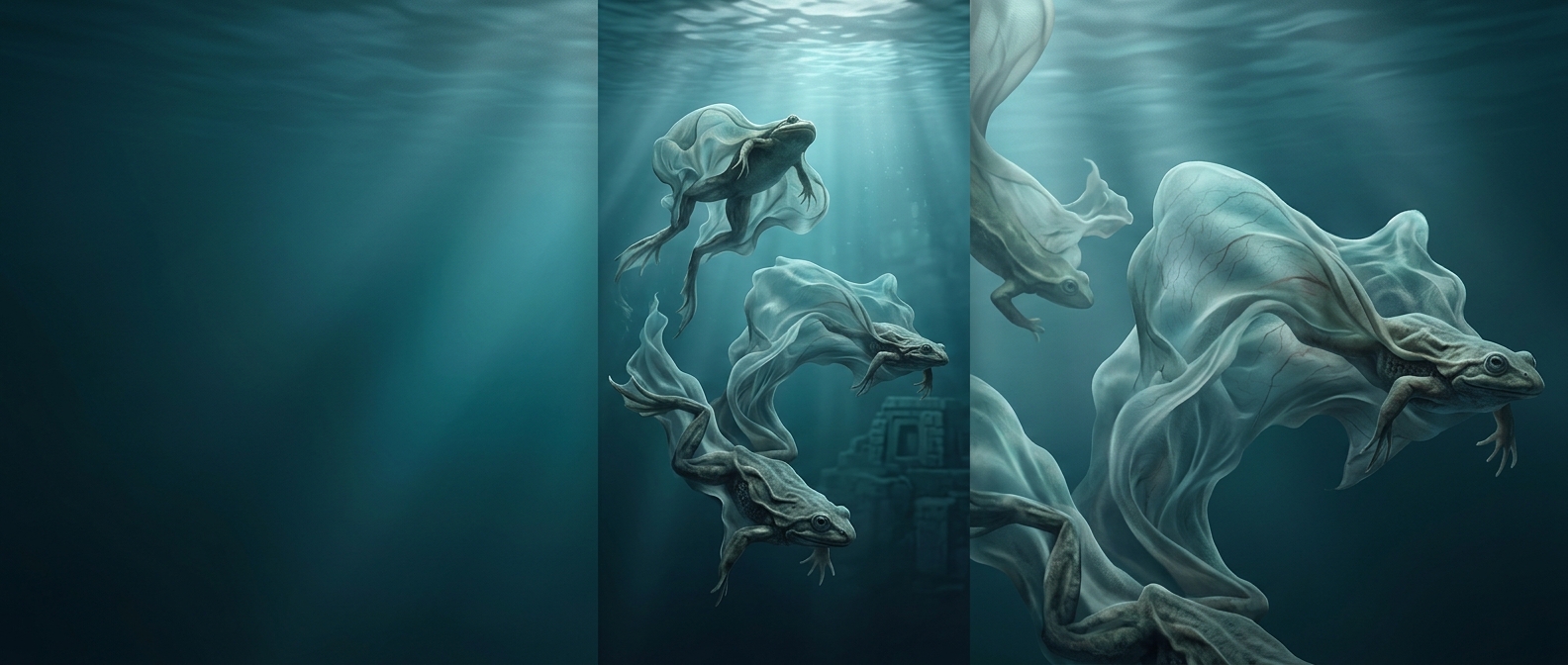
The frog that breathes through folds of skin
Evolution decided that looking like a discarded, soggy prune was the ultimate survival tactic. High in the Andes, the Telmatobius culeus frog lives in an…
Discover more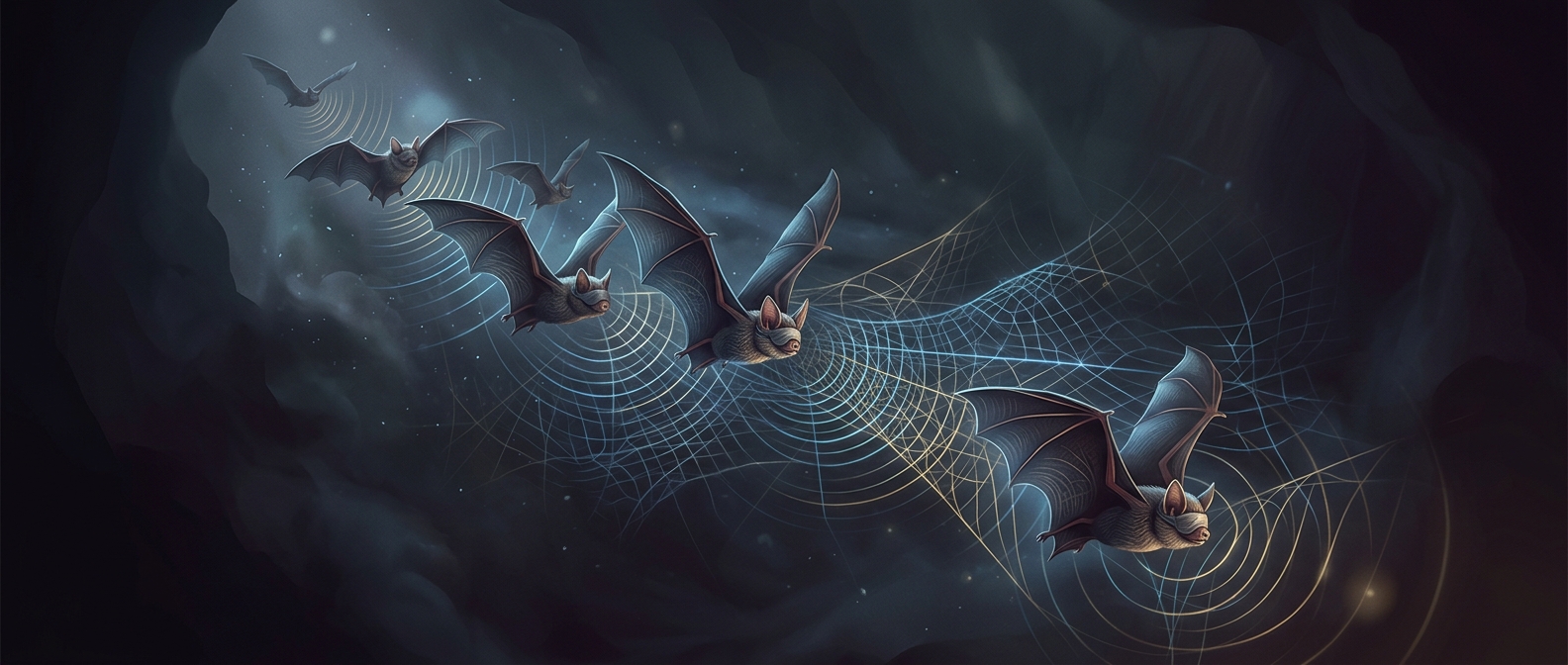
How blinding bats revealed their secret
In the 1790s, discovering the secrets of nature meant enthusiastically torturing the local wildlife. Lazzaro Spallanzani wanted to know how bats could hunt in…
Discover more STACKY FOR IPHONE
A bigger world.
One discovery
at a time.
Keep discovering with Stacky. Interesting facts in an app that is always within reach.
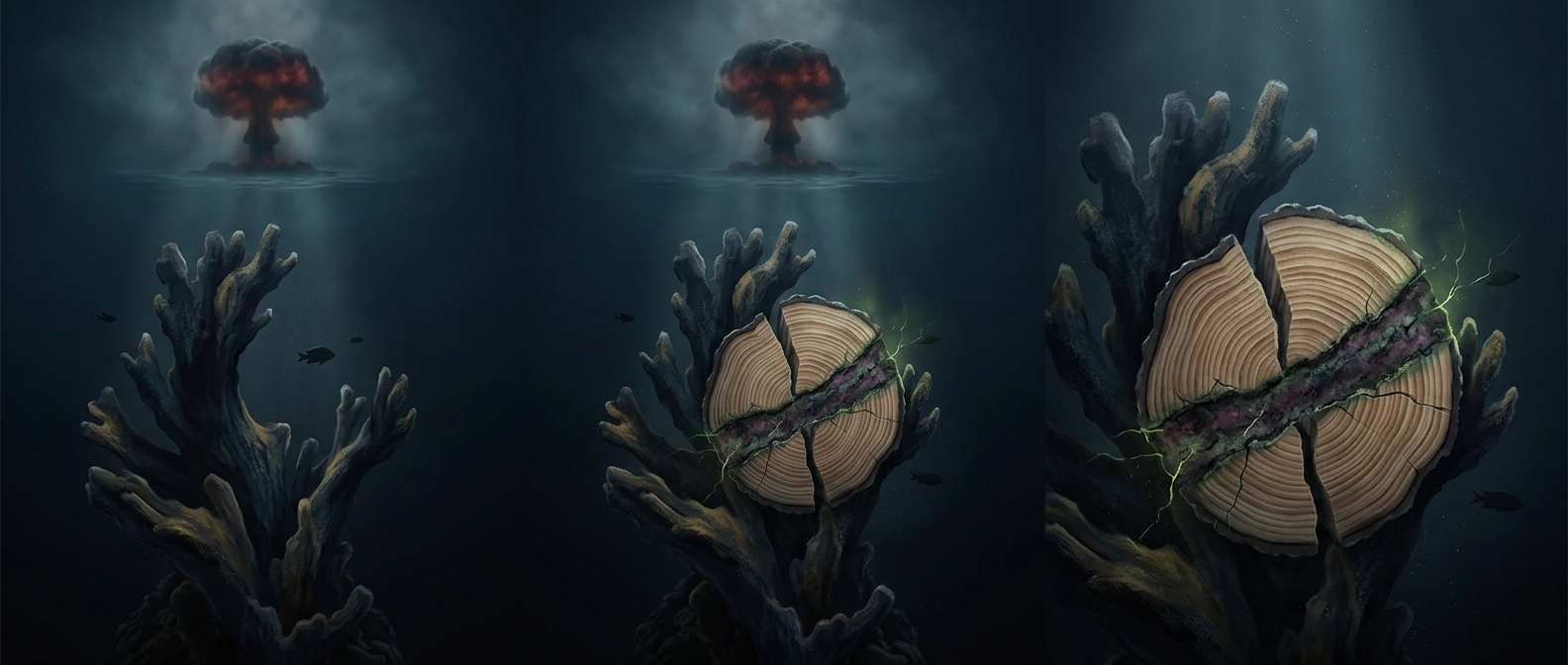
Coral reefs remember nuclear fallout
When the US military detonated a 15-megaton thermonuclear bomb over Bikini Atoll in 1954, they gave the ocean a permanent radioactive tramp stamp. The fallout…
Discover more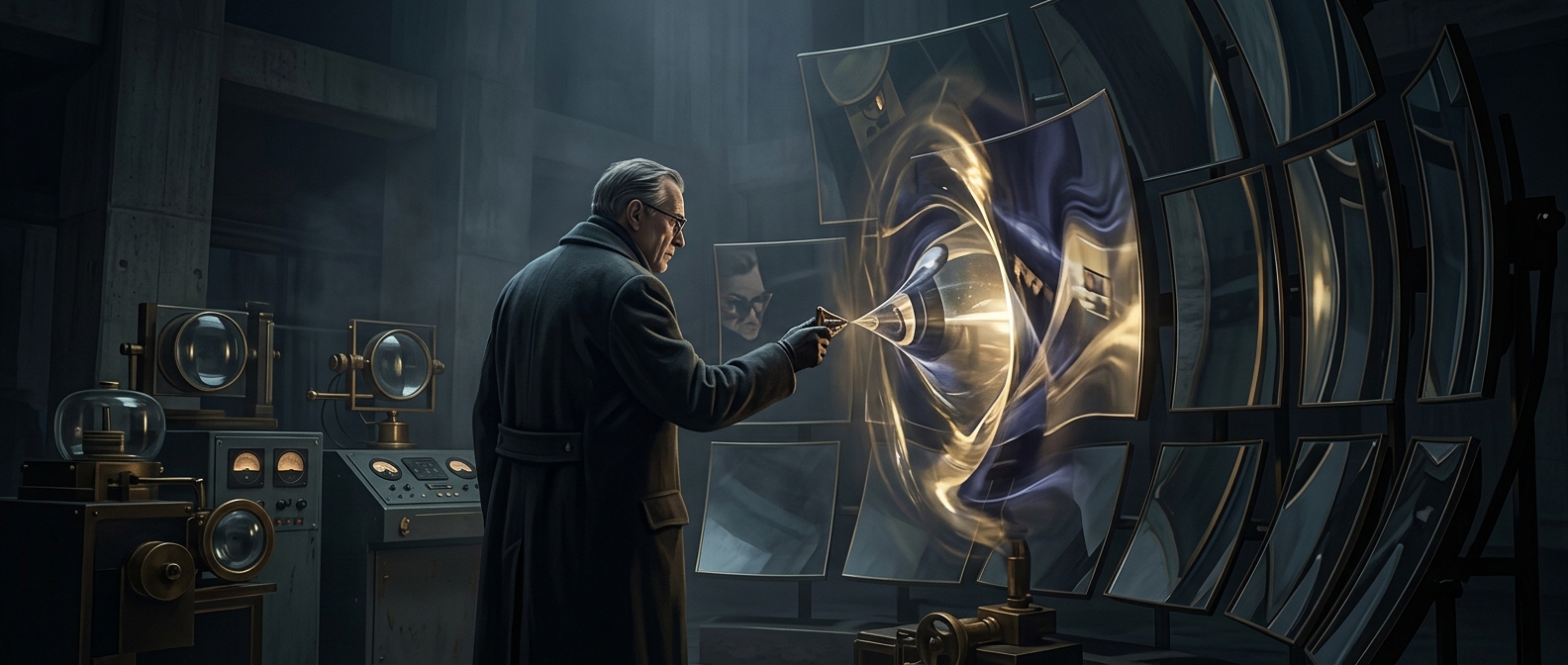
The scientist who tried to capture time
Surviving a Stalinist gulag gives a man plenty of time to rethink the fabric of the universe. Nikolai Kozyrev returned from his imprisonment with a radical…
Discover more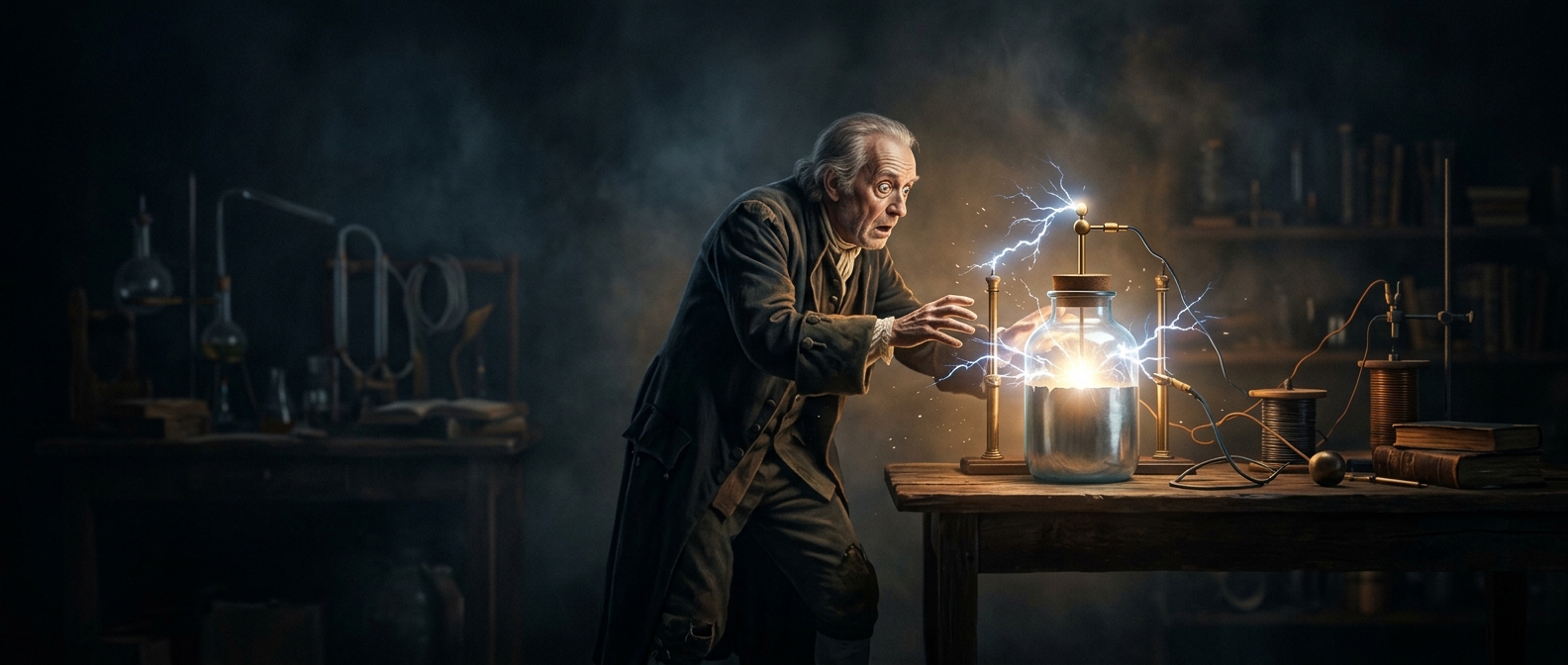
The first capacitor gave its inventor a massive shock
The 18th-century quest to bottle electricity ended exactly how you'd expect: with massive, involuntary muscle spasms. When Pieter van Musschenbroek touched…
Discover more
The experiment that made electrical resistance vanish
Heike Kamerlingh Onnes wasn't trying to invent magnetic levitation; he just wanted to see what happened to mercury at nearly absolute zero. He stumbled into a…
Discover more
Ynes Mexia collected 150,000 specimens
Most people take up golf at fifty-five, but Ynes Mexia decided to start a chaotic career wandering into the deadly depths of the Amazon rainforest. Surviving…
Discover more
How water vortices moved massive logs
Mainstream engineers laughed at Viktor Schauberger when he claimed he could float massive, incredibly dense timber down shallow mountain streams. By designing…
Discover more
How hydrogen made a bridge's steel supports sag
The Myllysilta Bridge in Finland didn’t collapse from a massive explosion or an earthquake; it started aggressively sagging because of the universe’s smallest…
Discover more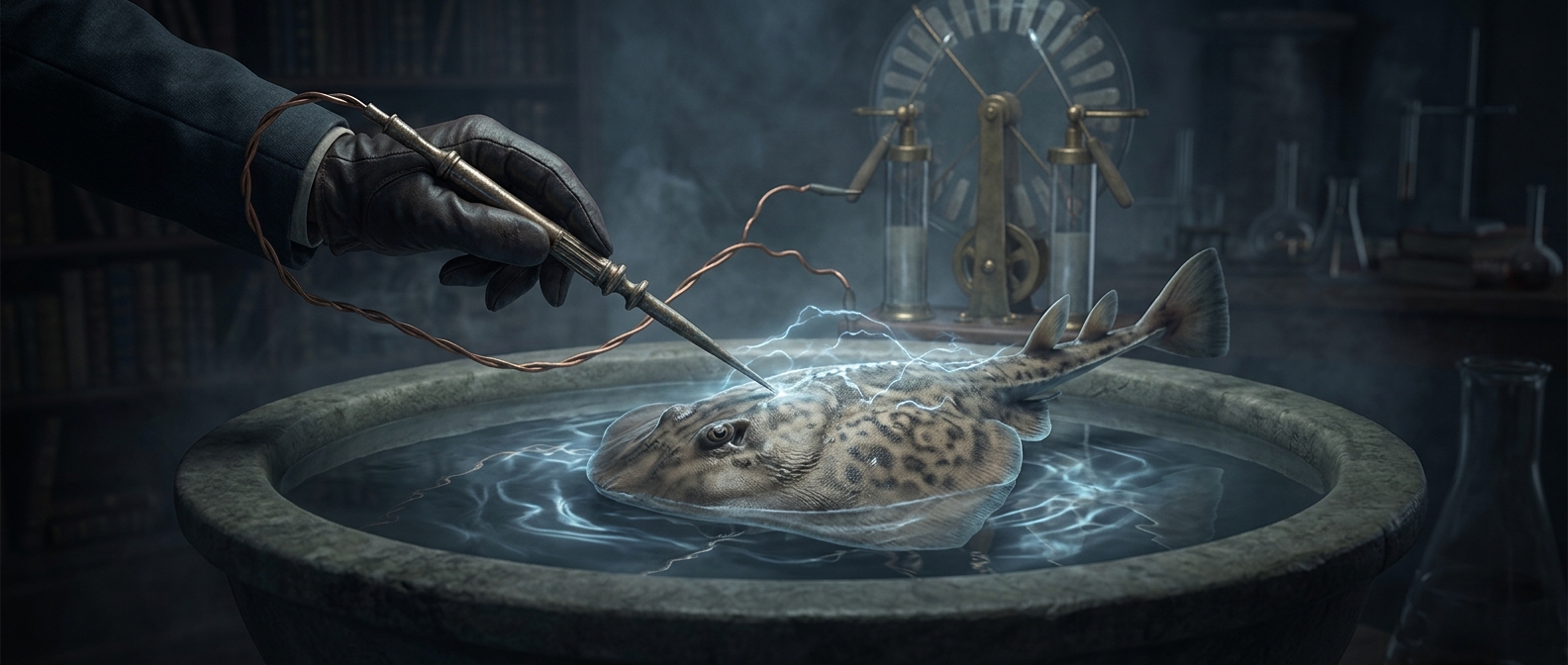
The scientist who let electric fish shock him
Lazzaro Spallanzani spent the 1770s casually electrocuting himself with torpedo fish to see how bioelectricity worked. While most people avoid creatures that…
Discover more
Discovering Earth's crust boundary through quakes
Before 1901, our understanding of the Earth’s interior was roughly 'it’s deep and probably hot.' Then Andrija Mohorovičić looked at seismograms from a…
Discover more
Slowing down gravity to prove Newton right
Isaac Newton said objects accelerate at a uniform rate, but dropping a rock off a building happens too fast for 18th-century stopwatches to prove it. George…
Discover more
The disaster that advanced eye surgery
When a munitions ship exploded in Halifax harbor in 1917, the shockwave shattered virtually every window in the city. Since everyone had been staring out…
Discover more
The doctor who turned preserved body parts into dioramas
Frederik Ruysch didn't just preserve corpses; he turned them into macabre art pieces using a secret chemical cocktail. By injecting a hardened red wax mixture…
Discover more
The balloon ride that revealed cosmic radiation
In 1912, Victor Hess looked at the radiation mysteriously frying his electrometers and decided the only logical next step was to ride a hot air balloon three…
Discover more
Ocean currents move sideways to the actual wind
If you blow on your hot soup, the liquid moves forward. If the wind blows across the ocean, the water moves sideways, because the Earth spins and fluid…
Discover more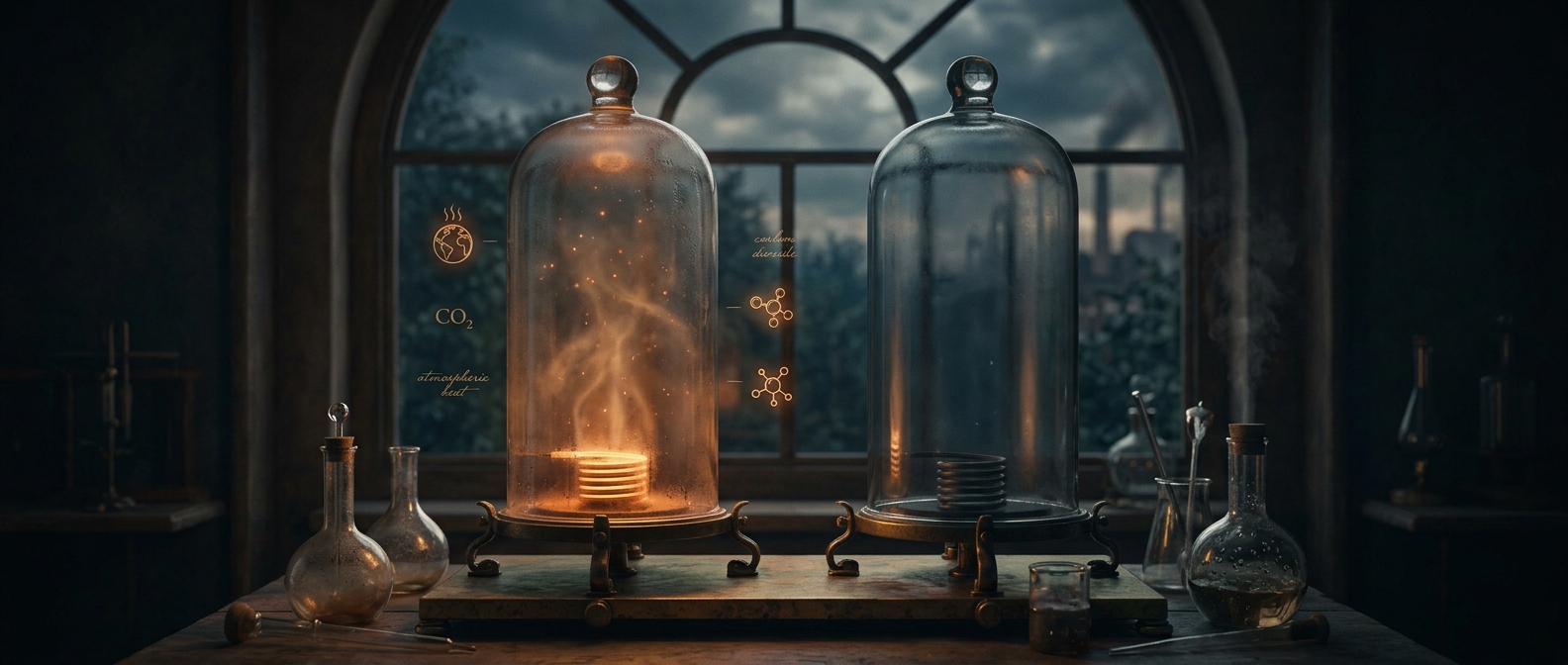
The woman who bottled the greenhouse effect
Decades before guys in lab coats started arguing over carbon emissions, an amateur scientist named Eunice Foote literally bottled global warming. In 1856, she…
Discover more
Earthquakes revealed Earth's solid inner core
Until 1936, scientists thought the Earth was just a hollow shell of rock filled with a big, slushy magma center. Enter Inge Lehmann, a brilliant Danish…
Discover more
How lightning helped create life's building blocks
In 1953, Stanley Miller and Harold Urey decided to play God in a basement laboratory by recreating what they thought was the early Earth. They filled a…
Discover more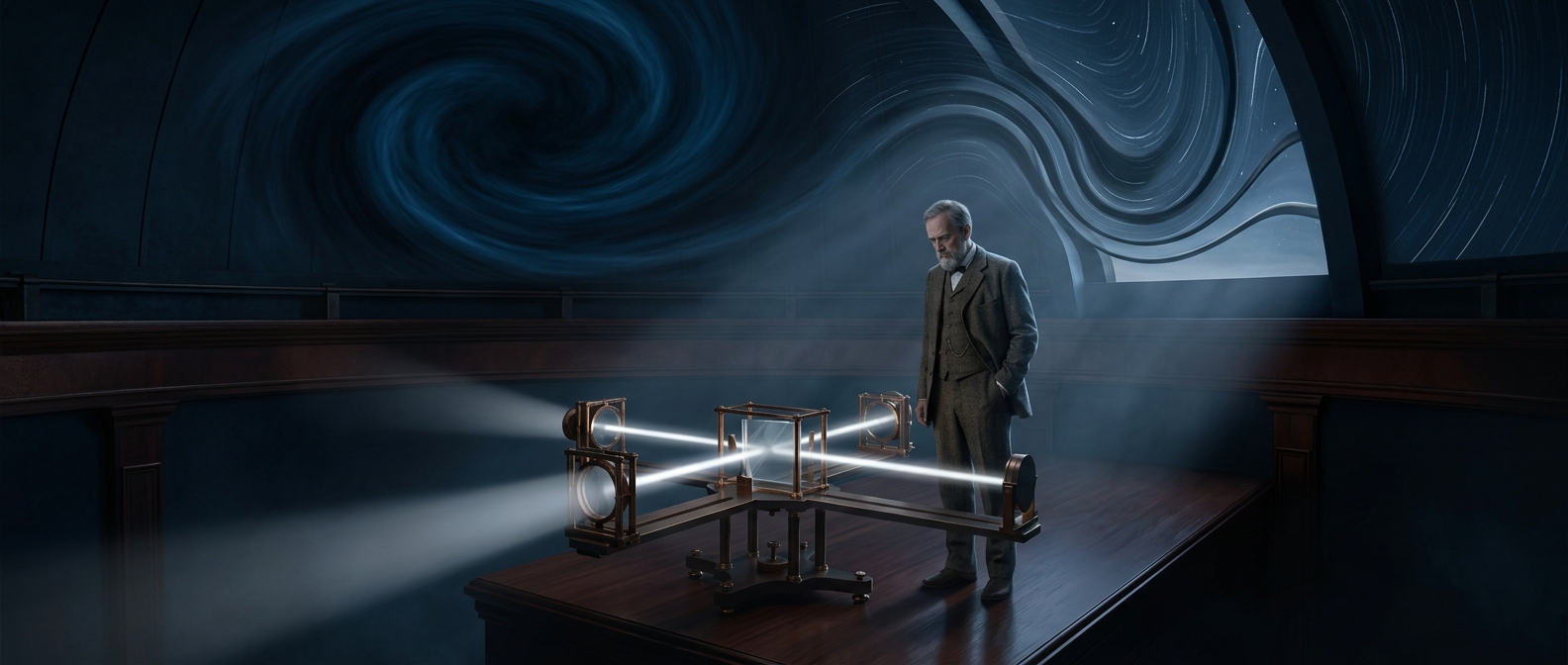
How a failed experiment helped lead to relativity
Late 19th-century physicists were obsessed with the 'luminiferous aether,' an invisible jelly they believed filled the universe to let light waves travel. In…
Discover more