Science
Discover facts about science. Small discoveries that change the way you see familiar things.
Science
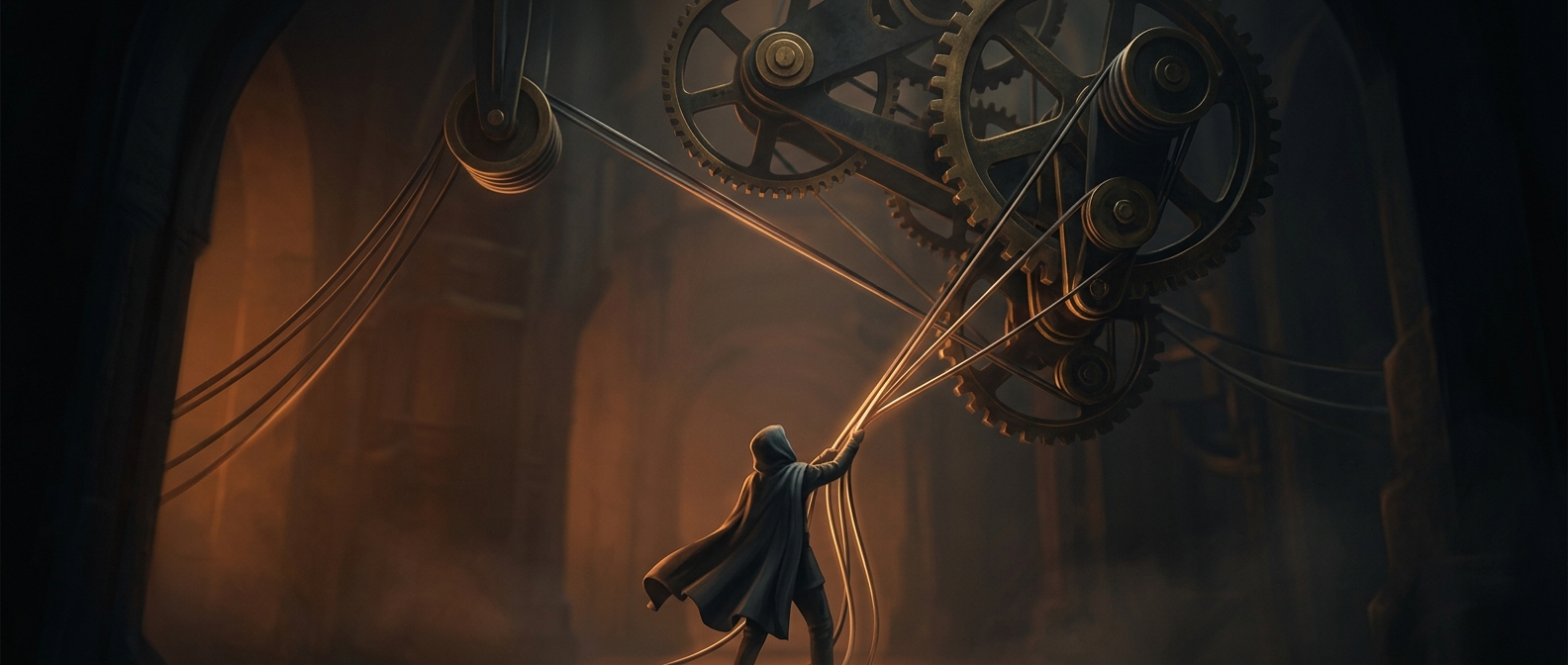
Mechanical advantage makes lifting heavy loads feel lighter
A pulley makes a heavy load easier to lift by sharing its weight across several sections of rope. You pull with less force, but you have to pull more rope to…
Discover more
Your eyes have a built-in ultraviolet filter
Your cornea and natural lens absorb much of the ultraviolet light entering your eye, keeping most of it from reaching the retina. If the lens is missing, some…
Discover more
Kinetic energy quadruples when your speed merely doubles
Double a car's speed and you don't just double the energy its brakes must deal with—you quadruple it. That is because kinetic energy grows with speed…
Discover more
Fermentation relies entirely on microbes eating raw sugar
Microbes transform sugar into different leftovers: yeast make alcohol and carbon dioxide, while many bacteria produce acids such as lactic acid. In some…
Discover more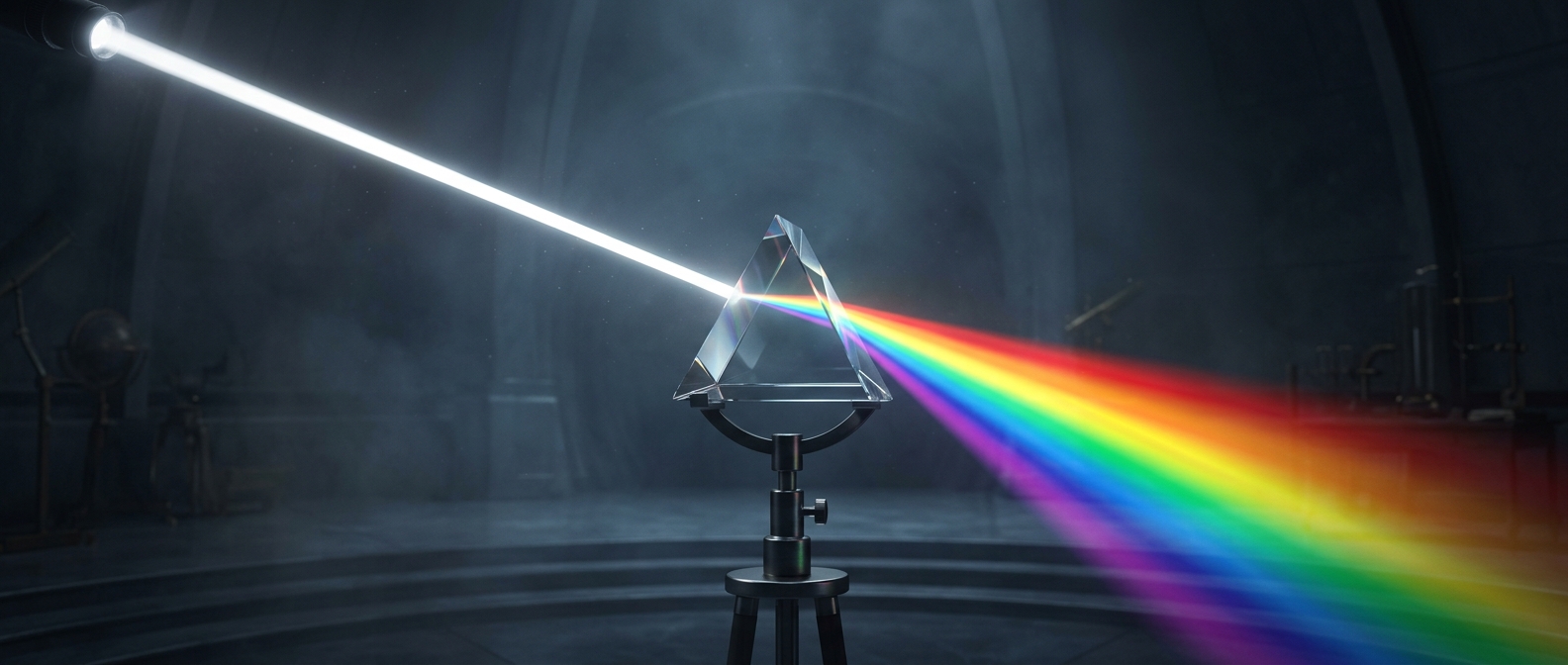
White light is just all visible colors mashed together
A prism does not create a rainbow from white light; the colors were already mixed together inside it. Each color bends by a slightly different amount as it…
Discover more
Zero degrees Kelvin implies absolutely no atomic movement
Absolute zero removes as much thermal motion as nature allows, but it doesn’t make particles perfectly still. Quantum effects leave a little unavoidable…
Discover more STACKY FOR IPHONE
A bigger world.
One discovery
at a time.
Keep discovering with Stacky. Interesting facts in an app that is always within reach.

Surface tension allows dense objects to float on liquids
If you lower a paper clip gently, water’s surface can hold it up like a taut skin. Surface tension comes from water molecules pulling together at the surface;…
Discover more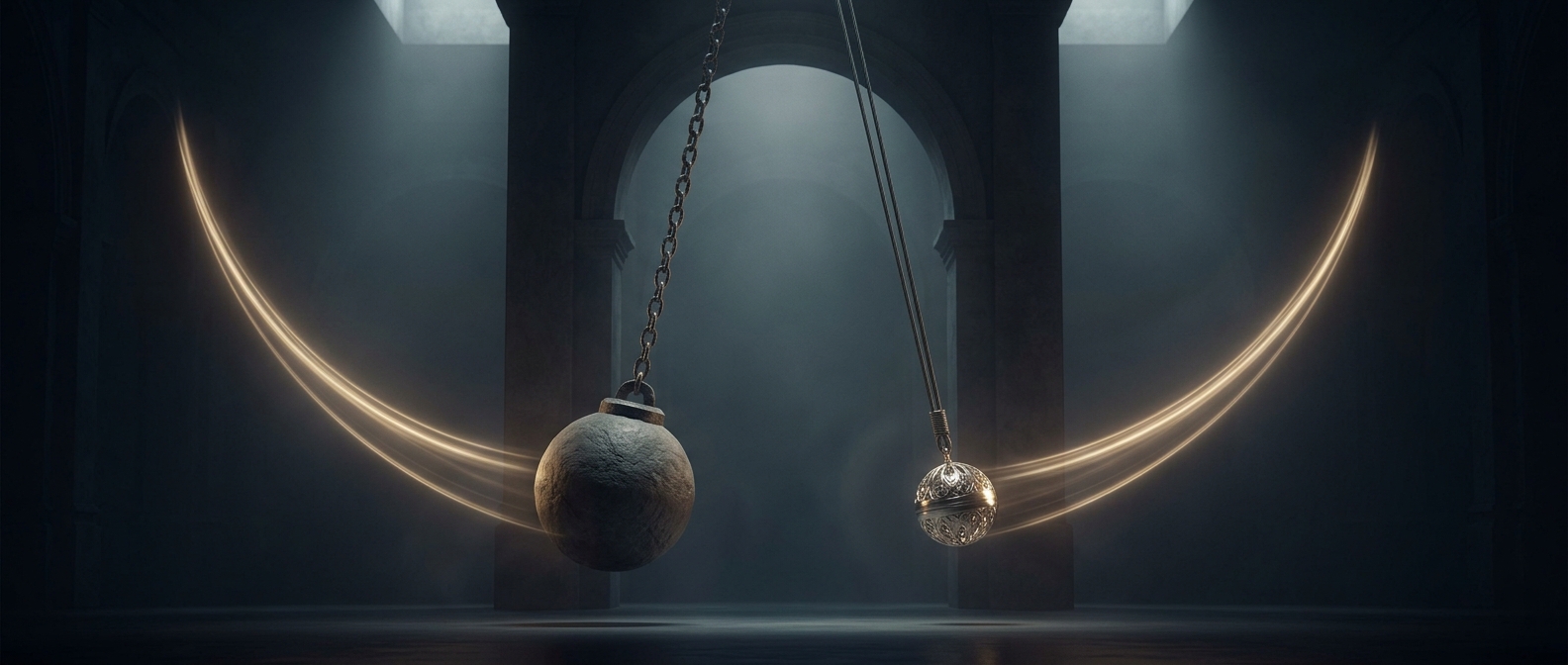
Pendulums swing at intervals independent of their mass
Hang a heavier bob from a pendulum and gravity pulls harder on it. But the heavier bob is also harder to accelerate by the same proportion, so the two changes…
Discover more
CAPTCHA can spot bots before you click
A CAPTCHA can use the way your mouse moves as one clue that you are human. People often make little corrections as they steer, while a simple bot may follow a…
Discover more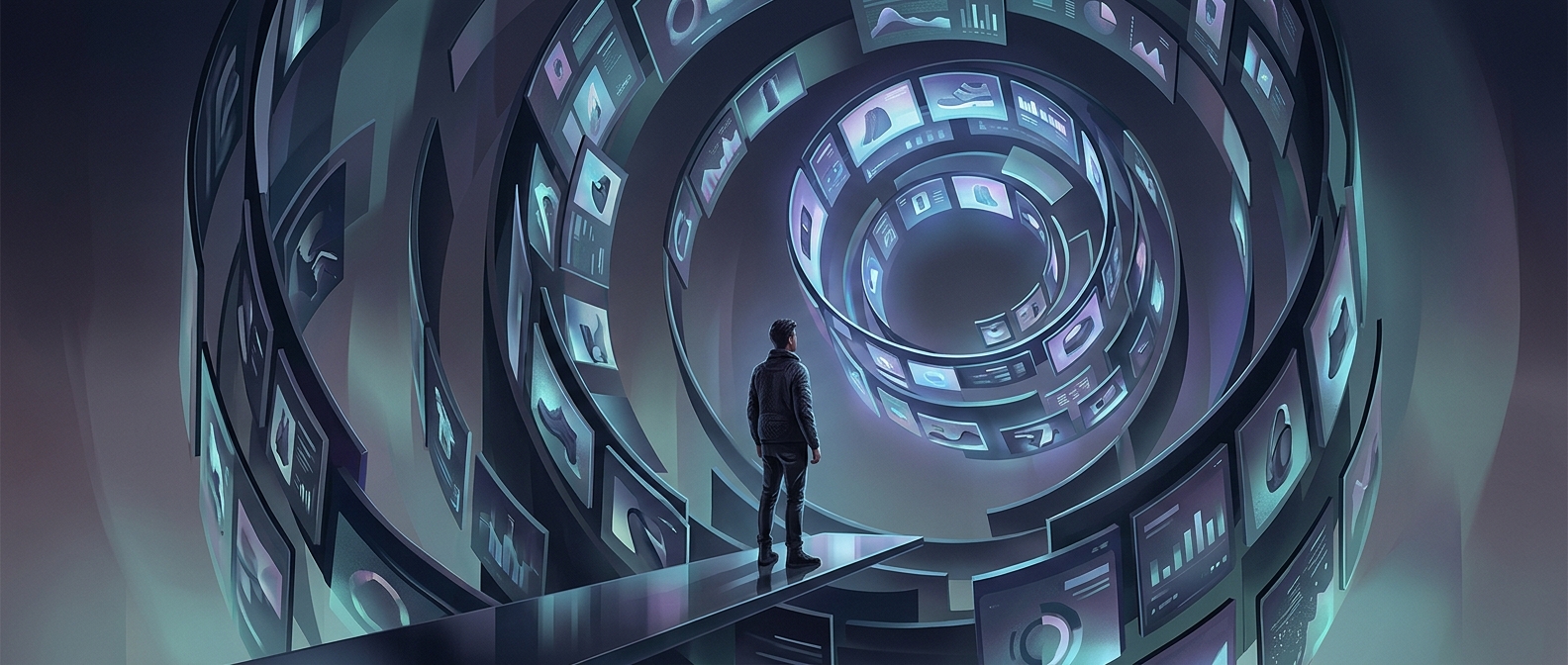
Why recommendations keep showing you more of the same
A recommendation system makes a guess, shows you something, then treats your click—or your silence—as a clue for the next guess. If it keeps offering familiar…
Discover more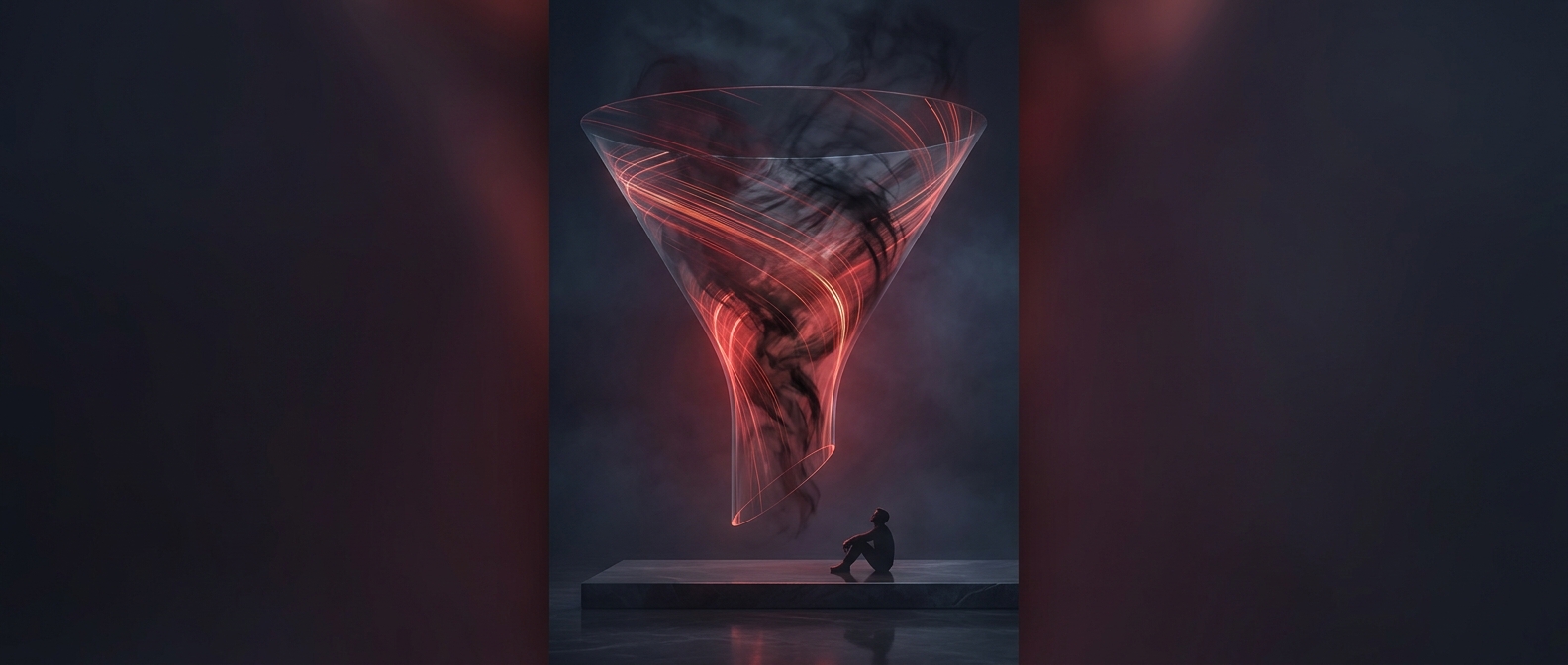
Why social media feeds favor enraging content
When a platform rewards engagement, anger can become an accidental fast pass to the top of the feed. A provocative post draws reactions; those reactions tell…
Discover more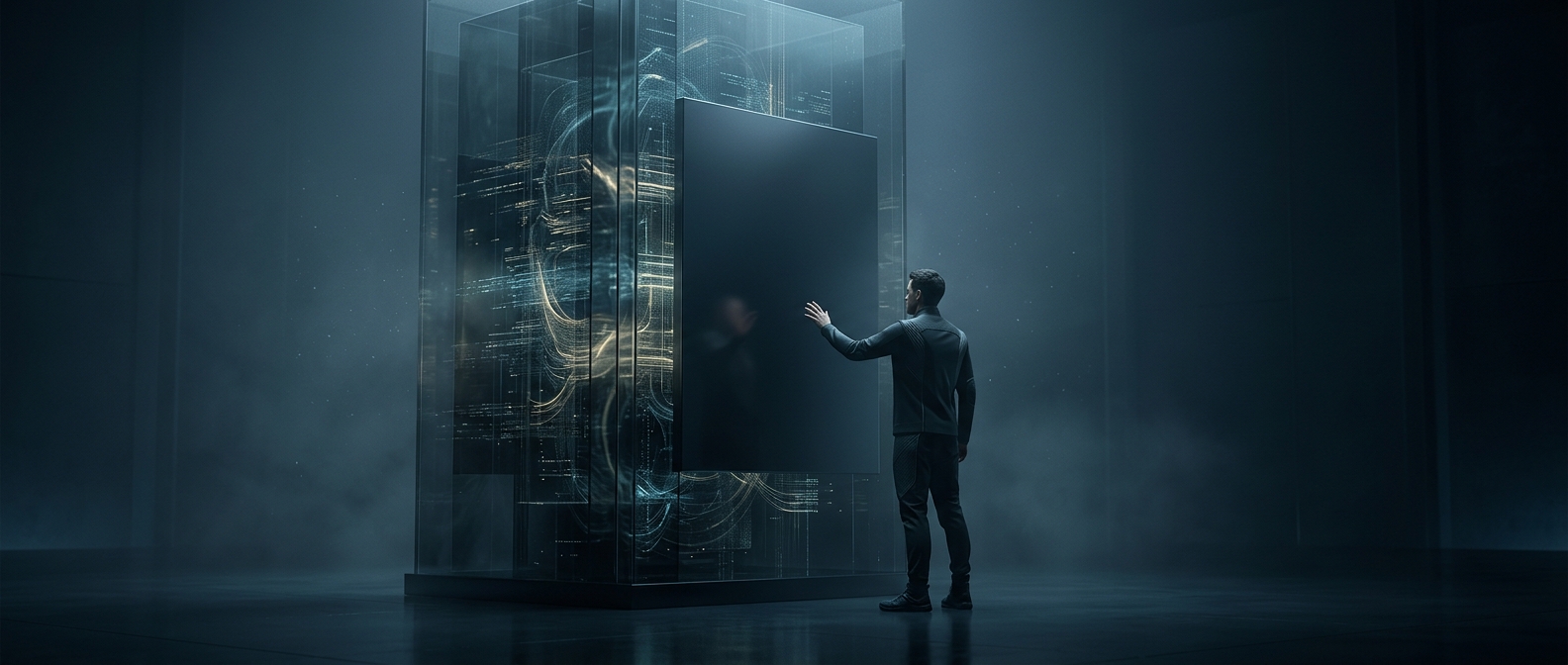
Why AI systems struggle to explain their decisions
An AI answer can emerge from many numerical settings interacting, rather than one clear rule. Together, those settings shape the output, so there may be no…
Discover more
Why AI writing sounds so predictable
An AI writing system builds text a piece at a time, favoring words that commonly follow what’s already there. Familiar phrases keep winning the next-word…
Discover more
A chatbot can trap you in a decision tree
Rule-based customer-service bots follow preset branches: choose this problem, receive that answer. If your issue doesn't fit the available paths, repeated…
Discover more
Your Bluetooth devices switch channels constantly
Bluetooth keeps its connection by rapidly changing radio channels instead of camping on one. If a channel is crowded or noisy, the devices can hop past it and…
Discover more
A free VPN may sell your browsing history
A VPN changes who you have to trust: your internet provider may stop seeing which sites you visit, but the VPN company can. HTTPS usually hides the contents…
Discover more
Why your stream may look worse at peak hours
At peak hours, more people are sharing the network, so less bandwidth is available for each stream. The service may lower the video resolution to keep the…
Discover more
Why you shouldn't defragment an SSD
On a hard drive, a file scattered across the disk makes the read head bounce around like a needle searching a record. An SSD reads from memory locations…
Discover more
Why empty roads confuse self-driving cars
An empty road can leave a self-driving car with too few clues to locate itself. Lane lines, signs, and road edges act like landmarks the system can match to…
Discover more
Your phone has a hidden dictionary of swear words
Some phone keyboards recognize swear words but leave them out of suggested text. When you type one, autocorrect may steer you toward a cleaner alternative,…
Discover more
A 2017 autofill demo showed a form asking for more than you could see
The demonstration placed extra input fields out of view while the browser supplied saved details. It illustrated a mismatch between the part of a form a…
Discover more
Why browsers fill your device with digital clutter
A browser cache saves copies of things like images so the browser can load them without downloading them again. That can make a return visit faster, but the…
Discover more
The strange reason phone keypads look that way
Phone keypads put 1-2-3 at the top because user testing favored that arrangement, not because the numbers demanded it. Calculators often put those same…
Discover more
Real hacking often starts with a phone call
A hacker may not need to defeat a computer at all: a convincing phone call can persuade an employee to hand over a password. That’s social engineering, using…
Discover more