Science
Discover facts about science. Small discoveries that change the way you see familiar things.
Science
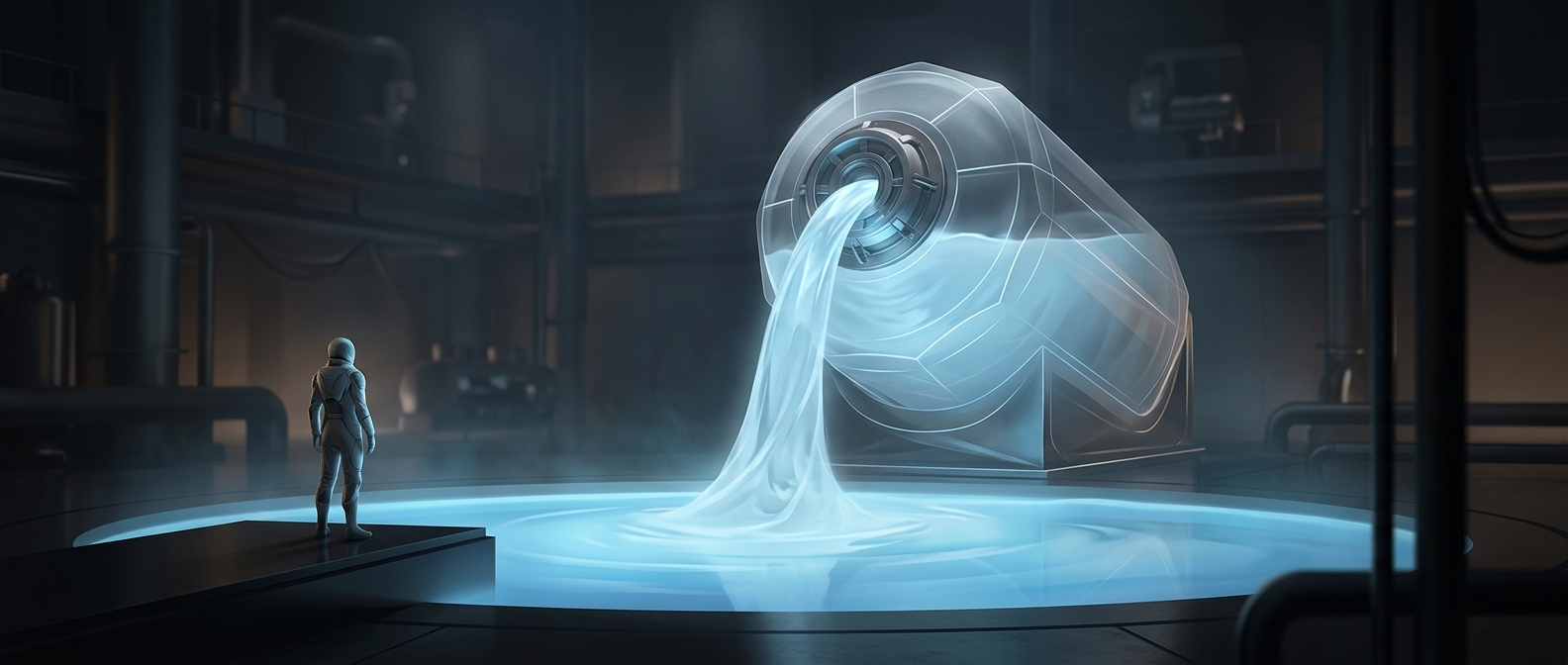
Oxygen turns pale blue when it becomes a liquid
Liquid oxygen absorbs some visible light in a way that gives it a faint blue color, especially through a deeper layer. Gaseous oxygen at ordinary density…
Discover more
Cyanoacrylate instantly bonds distinct materials permanently
Superglue can set using the tiny amount of moisture already on a surface. That moisture starts the glue’s molecules linking into long chains, turning the…
Discover more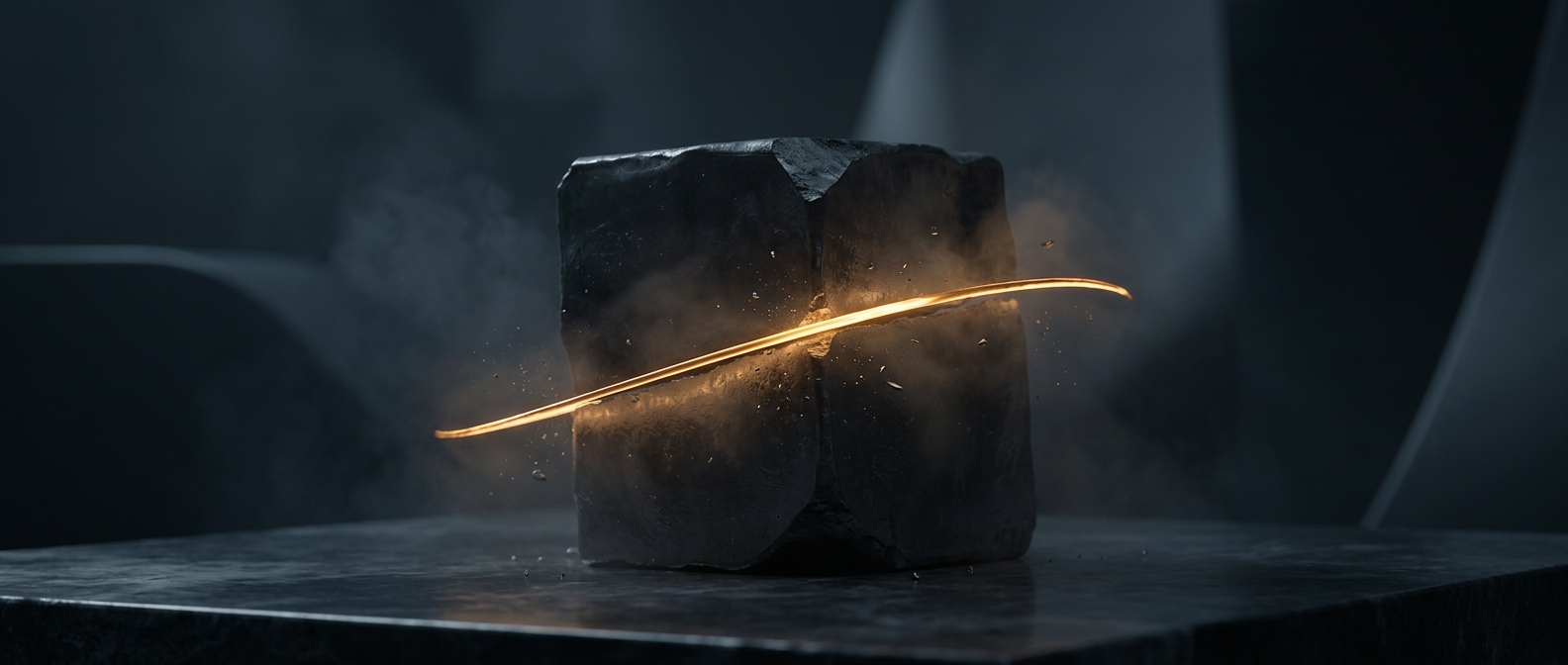
Lead behaves as an incredibly heavy yet easily cut metal
Pick up a small piece of lead and its weight can surprise you: lots of mass is packed into little space. Scratch it, though, and it gives way because its…
Discover more
The element that skips straight to purple gas
Heat can send solid iodine straight into purple vapor, skipping the puddle stage. When the vapor cools, it settles back into solid crystals without becoming…
Discover more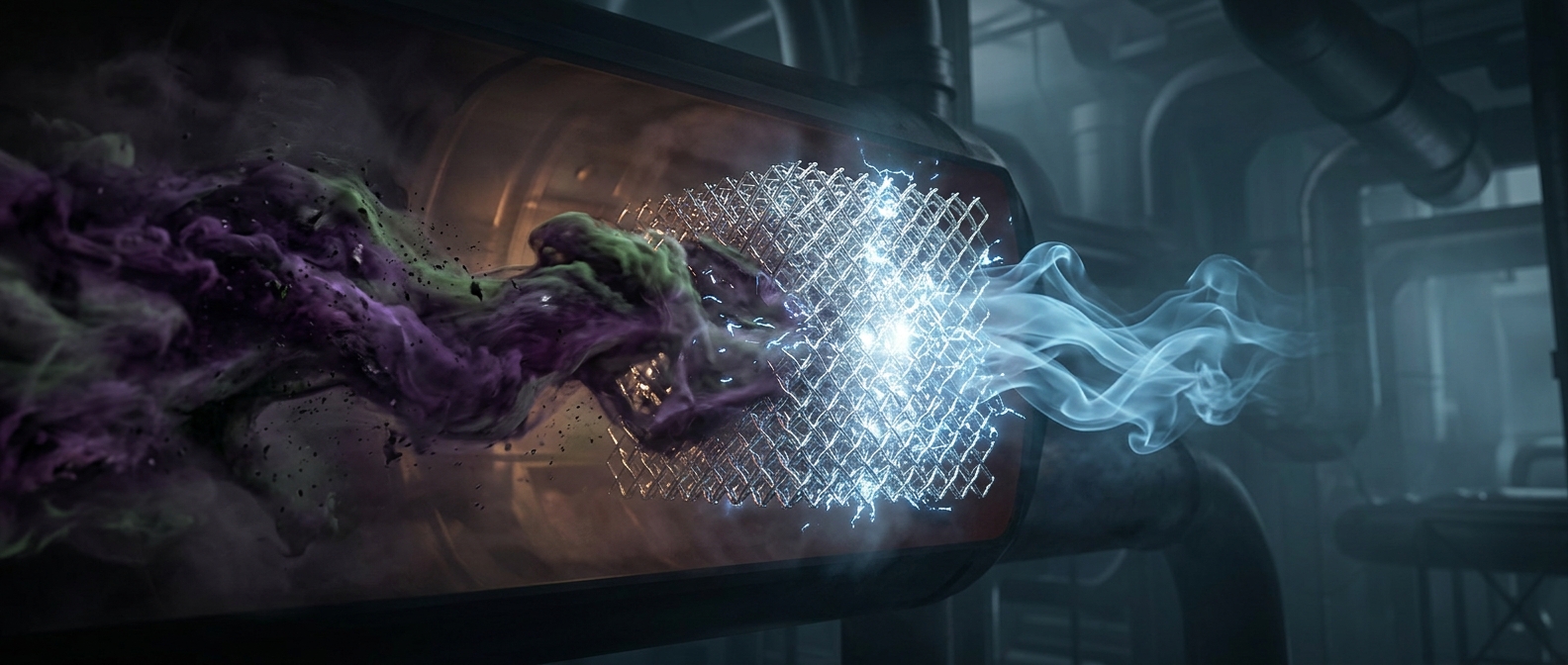
Platinum chemically forces toxic exhaust to become harmless
Platinum doesn’t soak up pollutants like a sponge; it gives them a surface that helps them react. That changes carbon monoxide, nitrogen oxides, and unburned…
Discover more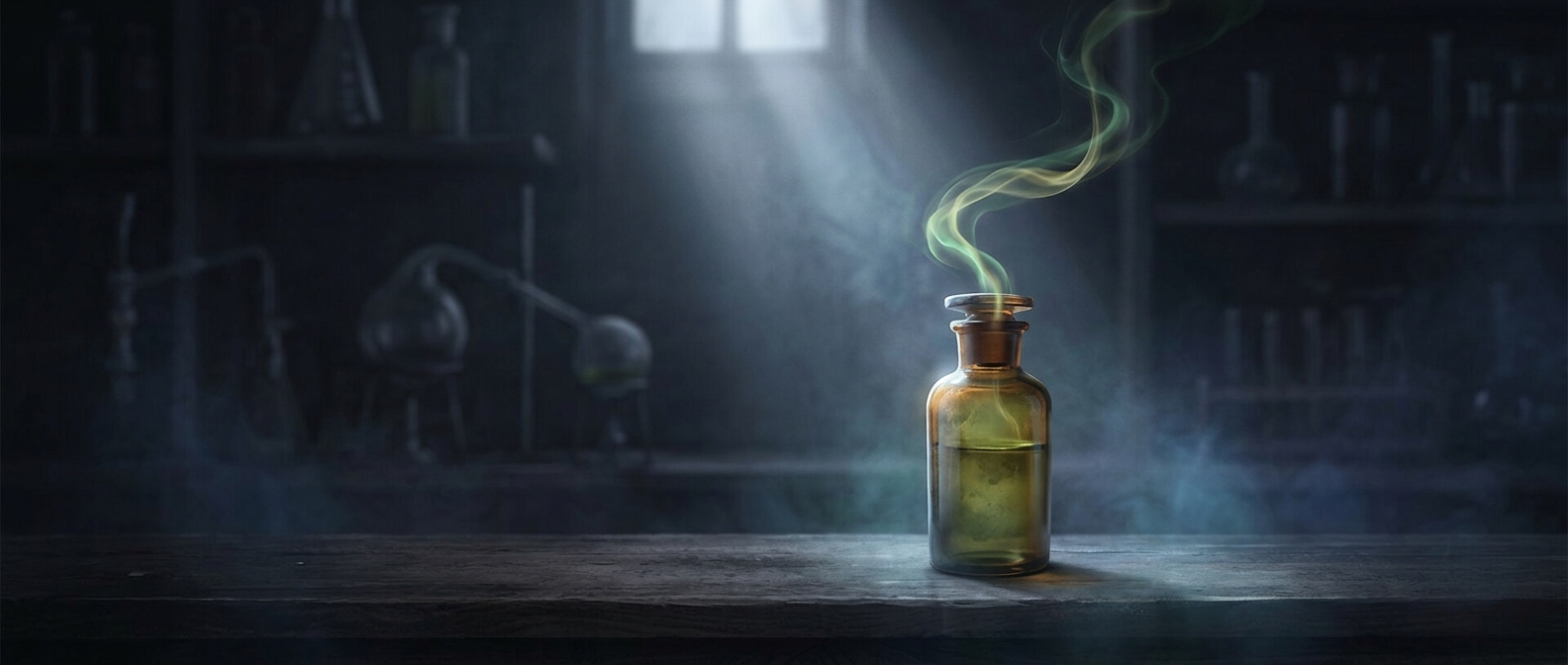
Old chloroform can break down into phosgene gas
Light and oxygen can gradually break down chloroform, forming phosgene, a highly toxic gas. The liquid may still look clear, so appearance alone won’t reveal…
Discover more STACKY FOR IPHONE
A bigger world.
One discovery
at a time.
Keep discovering with Stacky. Interesting facts in an app that is always within reach.

Calcium is actually a shiny metal
Fresh, pure calcium would be a shiny, silvery metal. But it reacts quickly with air and water, changing its surface before you’re likely to see that gleam. In…
Discover more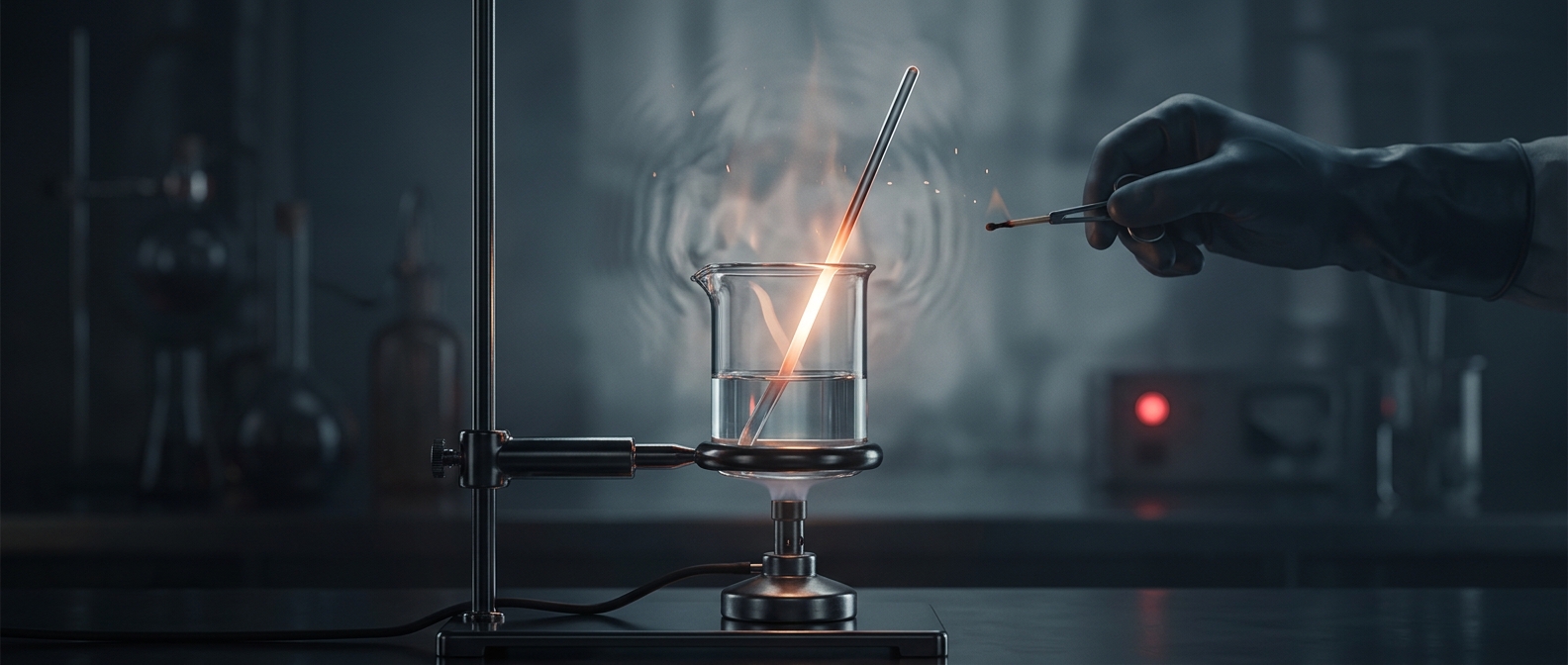
Pure alcohol can burn with an almost invisible flame
Alcohol flames make little soot, and soot is what makes many fires glow bright yellow. With few glowing particles to light up, an alcohol flame gives off only…
Discover more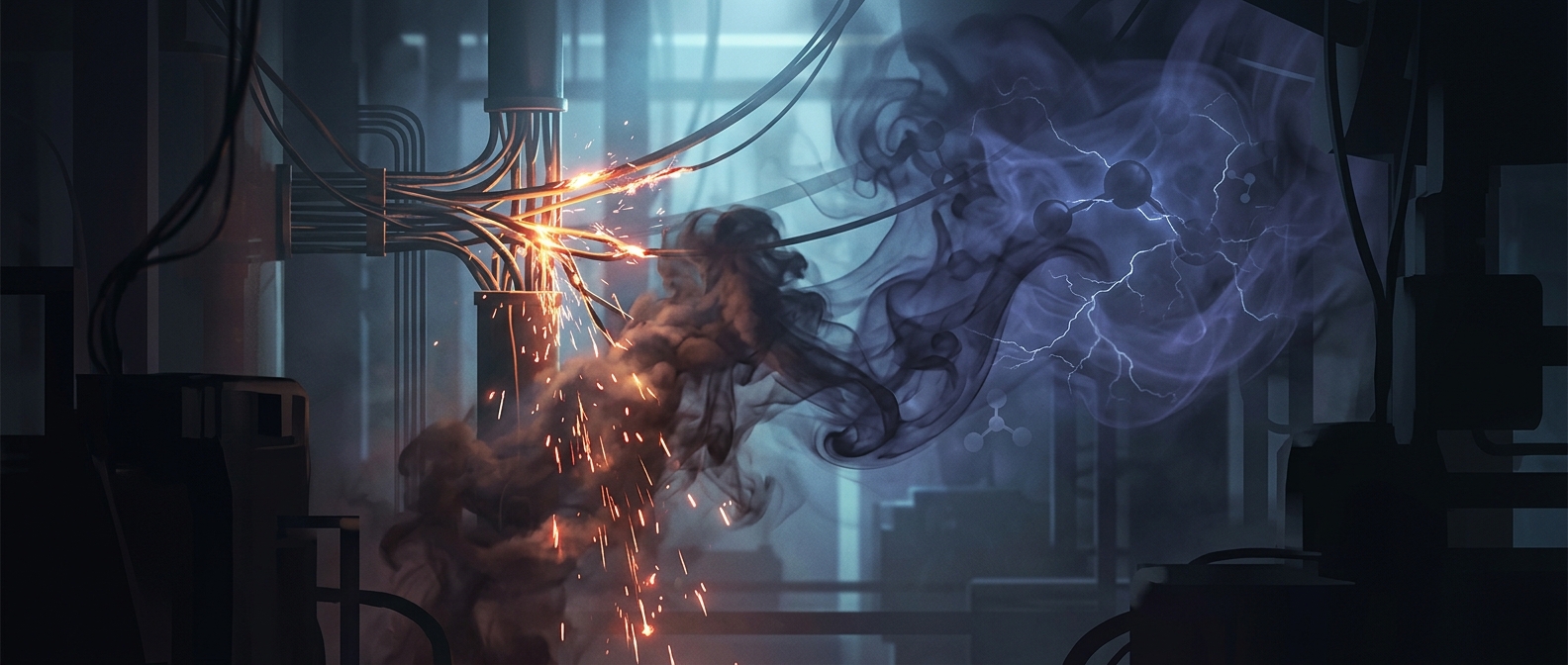
Why ozone smells like burning wires
When a spark crackles, it can rearrange the oxygen around it: some oxygen molecules split, and the loose atoms combine with other molecules to make ozone.…
Discover more
Citric acid can help pull rust into solution
Rust contains iron compounds that acid can help dissolve. Citrate also binds iron ions, helping keep them in the liquid as the coating is removed. The effect…
Discover more
Teflon gives food very little to hold on to
PTFE, the polymer sold under the Teflon name, has a low-energy surface that interacts weakly with many other materials. Food and liquids therefore adhere less…
Discover more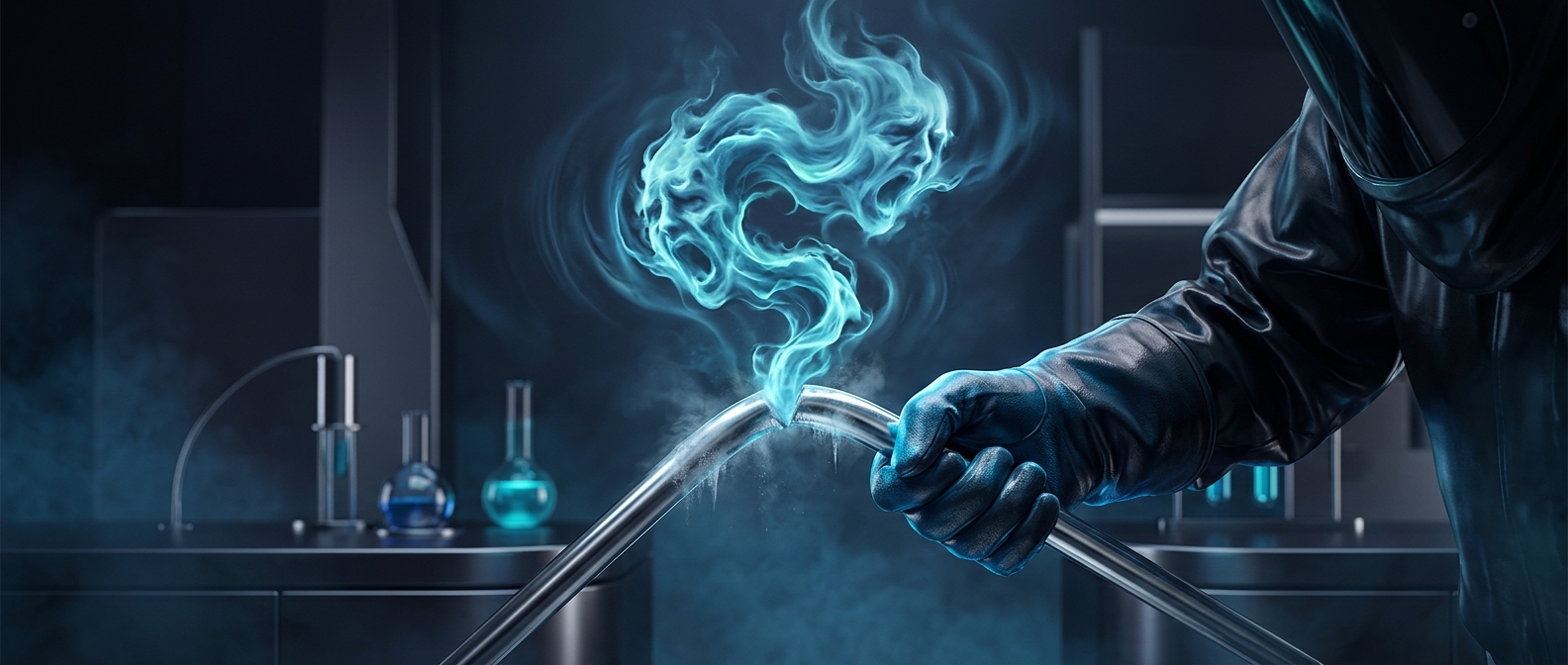
Bend indium and it starts to scream
Bend indium and tiny patches inside it shift against one another. Those movements shake the surrounding metal, sending vibrations through it until they reach…
Discover more
Equator line runs through thirteen nations
The equator's route across land is a dramatic one: it crosses the Andes and dense stretches of Amazon and Congo rainforest. But most of its full circle runs…
Discover more
Boiling water stays the same temperature as it turns to steam
Once water boils, added heat helps liquid molecules escape into the air instead of making the remaining water hotter. That energy goes into the change of…
Discover more
Expanding gases cool down rapidly without any added energy
The can gets cold largely because liquid propellant evaporates as it escapes. Turning liquid into vapor takes heat, which the propellant draws from the can…
Discover more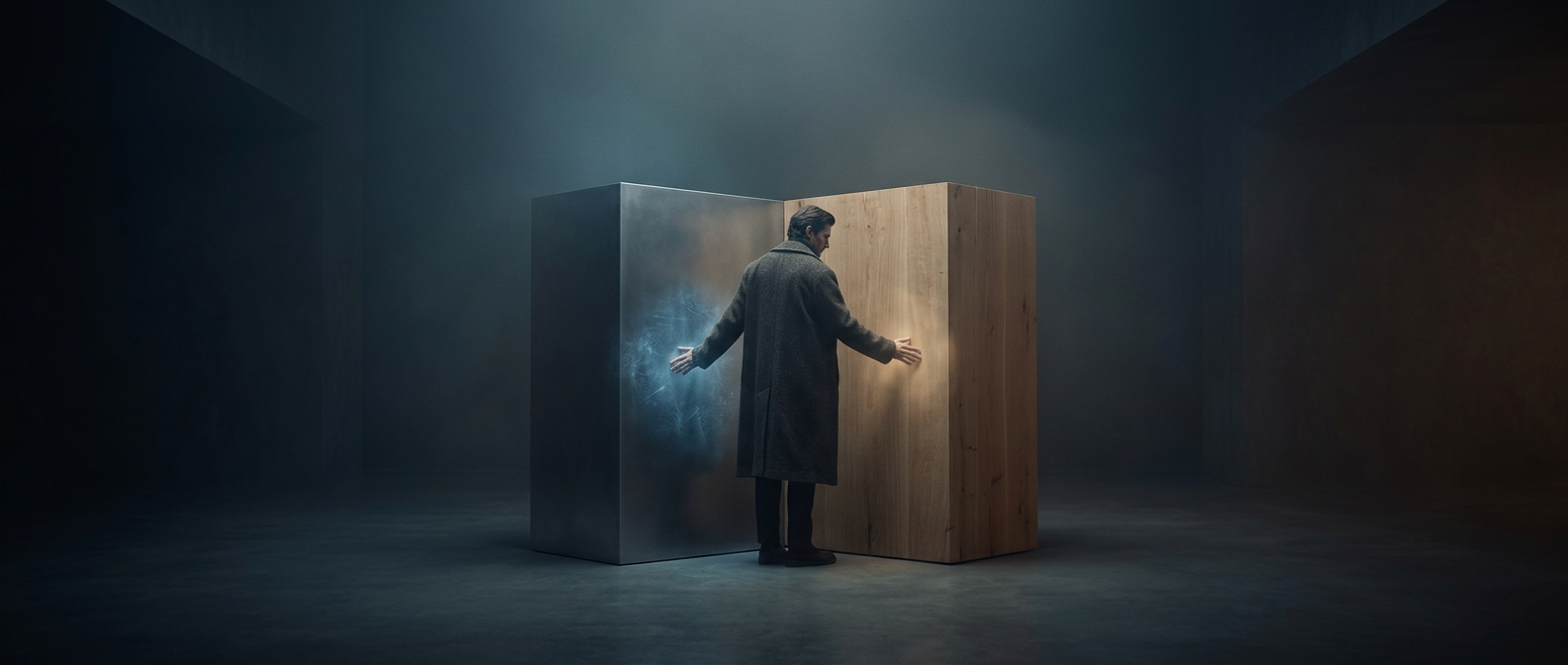
Why metal feels colder than wood
Metal pulls heat from your skin faster than wood does, even when both are at the same temperature. Your nerves notice that quick loss of warmth and report…
Discover more
Red light has the longest visible wavelength
Red light’s waves are spaced farther apart than those of any other visible color; violet’s are packed closest together. The longer waves also mean red photons…
Discover more
Empty rooms echo because soft furniture absorbs sound
In a bare room, sound bounces off hard walls and keeps reaching your ears. Cushions, curtains, and rugs let those sound waves wiggle through their fibers,…
Discover more
Polymers consist of massively long repeating molecule chains
Plastic is built from long molecular chains that can tangle together like a bowl of cooked spaghetti. The chains can shift enough for the material to bend,…
Discover more
Acids donate protons while bases eagerly accept them
An acid gives up a proton—the nucleus of a hydrogen atom—to another molecule. Water can accept it and become hydronium; a base is any molecule that can accept…
Discover more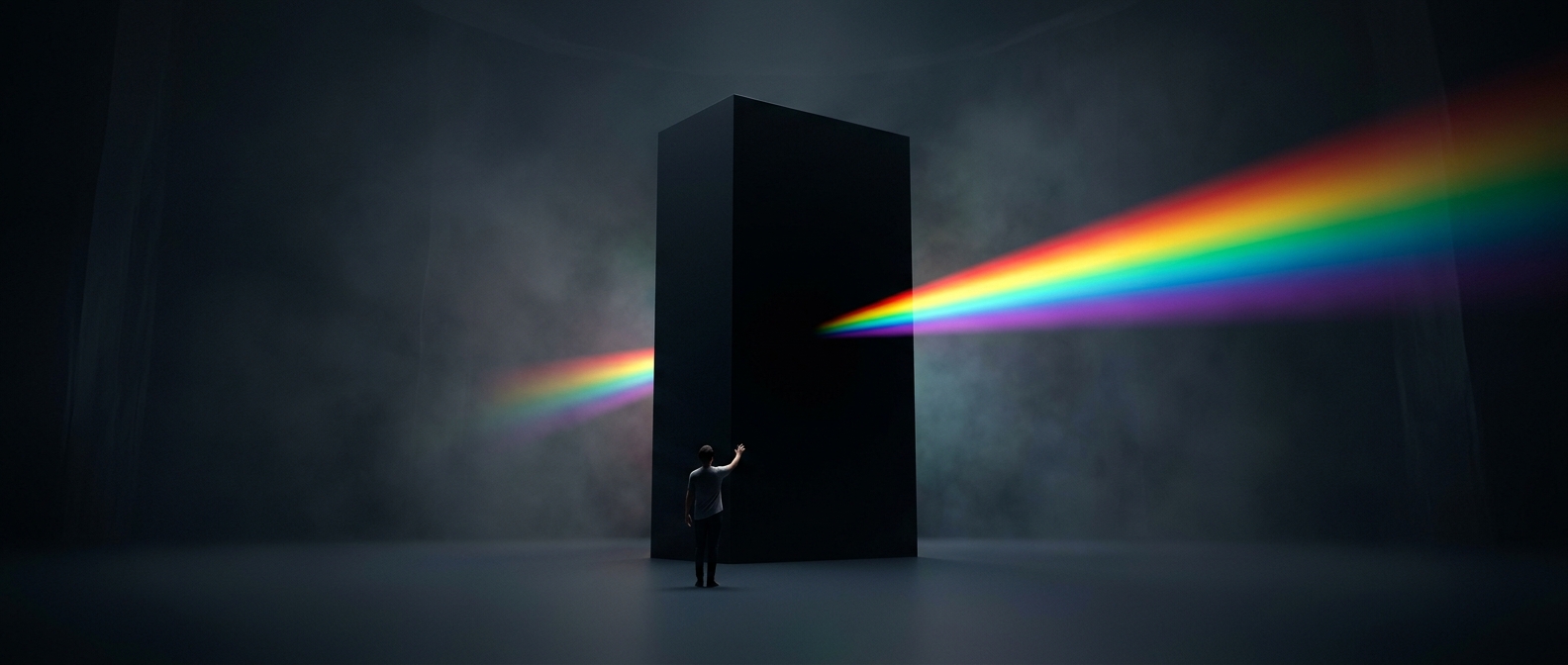
Black objects absorb all visible wavelengths of light
A black surface sends little visible light back to your eyes, which is why it looks dark. Much of the light it absorbs becomes heat, so a black shirt can warm…
Discover more
Catalysts speed up chemical reactions without being ruined
A catalyst is more like a shortcut than extra fuel: it makes it easier for molecules to change into products, then can take part again. Because the shortcut…
Discover more
Emulsions force oil and vinegar to temporarily coexist
A shaken vinaigrette is a crowd of tiny oil droplets suspended in vinegar, not one newly blended liquid. Molecules in mustard or egg yolk latch onto both oil…
Discover more
Action and reaction forces occur simultaneously in pairs
When your knuckles press the wall, the wall presses your knuckles just as hard in return. The pair points in opposite directions, but each force acts on a…
Discover more