Science
Discover facts about science. Small discoveries that change the way you see familiar things.
Science

Thallium reliably burns with a distinct bright green flame
Heat energizes electrons in thallium atoms. When those electrons settle back to lower-energy states, they release light at wavelengths our eyes see as green,…
Discover more
Chlorine gas actively acts as a devastating chemical weapon
Chlorine’s effects depend on where it meets water. In a pool, carefully controlled amounts help disinfect; as a gas in the lungs, it reacts with moisture in…
Discover more
Never mix bleach and ammonia
Bleach and ammonia can react to form chloramines, gases that irritate your eyes and lungs. The danger is the vapor the reaction creates, so don’t combine the…
Discover more
Bakelite hardens once—and never melts again
Once Bakelite sets, links between its polymer chains lock it into a network. Think of wax as separate pieces that can slip past one another when warm, and…
Discover more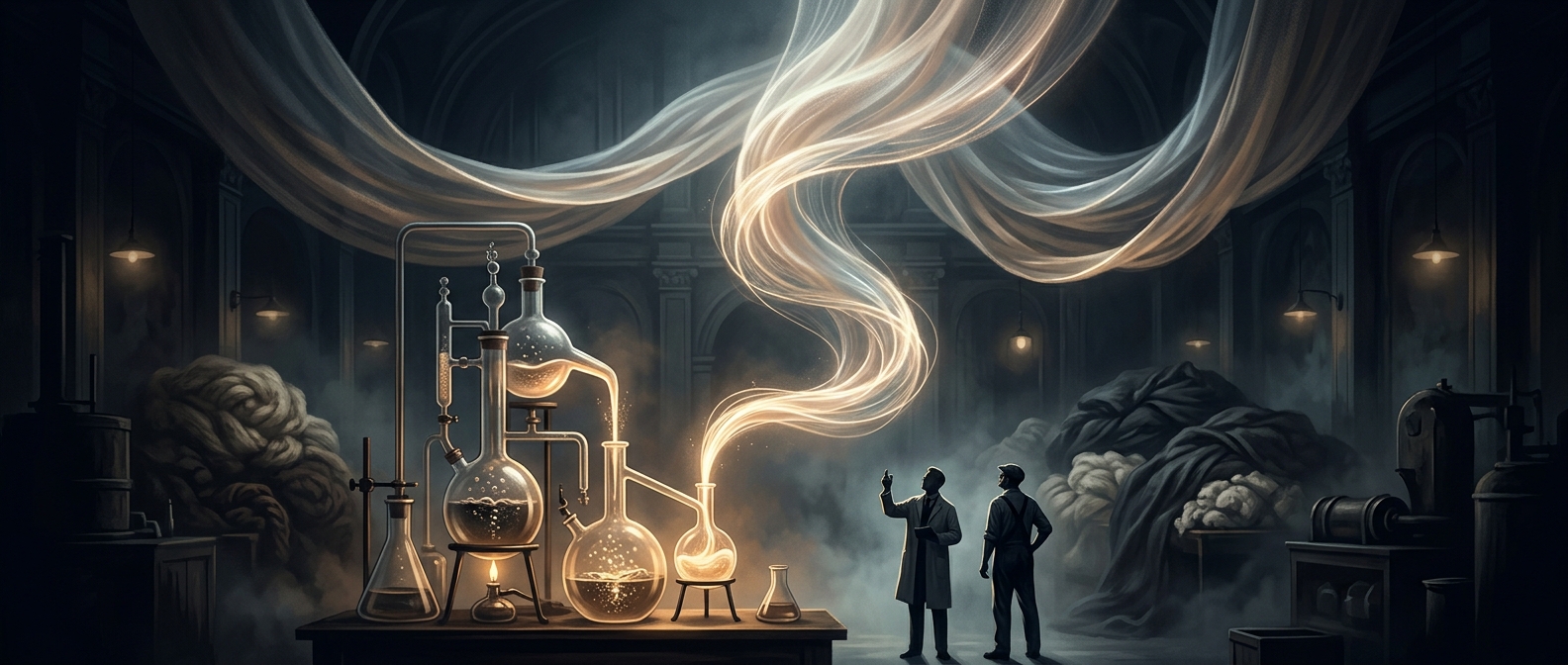
Nylon heavily functioned as the first fully synthetic fiber
Nylon's ingredients link up into long molecular chains, and those chains form fibers when drawn out. The fibers are strong enough to weave into fabric, so a…
Discover more
Raw sulfur compounds easily produce a nasty rotten stench
The rotten-egg smell comes from gases such as hydrogen sulfide, not from pure elemental sulfur. Those substances contain sulfur but are chemically different…
Discover more STACKY FOR IPHONE
A bigger world.
One discovery
at a time.
Keep discovering with Stacky. Interesting facts in an app that is always within reach.

The element that makes fireworks bright red
Strontium makes a firework glow red through a quick change inside its atoms. Heat boosts electrons to higher energy; when they drop back, they give off red…
Discover more
Canada's coastline gets longer when you measure more closely
A broad measurement skips small bays and bends; a finer one follows more of them and adds distance. This coastline paradox means there is no useful…
Discover more
Polyurethane aggressively expands into a giant chemical foam
As polyurethane forms, a chemical reaction produces gas inside the mixture. The gas makes bubbles, and the setting material traps them in place, turning the…
Discover more
The gas in your air that does almost nothing
Argon makes up nearly 1% of the air, but it rarely reacts with anything around it. Its outer electron shell is full, so it has little reason to form bonds…
Discover more
Sulfur heavily accelerates the fast ignition of black powder
Sulfur catches fire more readily than the other ingredients, so it helps get black powder burning. Once it ignites, its flame spreads through the mixture,…
Discover more
Polyethylene completely rules the entire plastic industry
Polyethylene chains can be arranged in ways that make the material either flexible or rigid. Branches get in the way of close packing, tending to make the…
Discover more
Boron makes silly putty bounce
Boron compounds act like loose links between Silly Putty’s long polymer chains. Pull slowly and the chains have time to slide past one another; hit it quickly…
Discover more
Why tin can crumble in the cold
In the cold, tin can slowly rearrange its atoms into a different crystal structure called gray tin. The new form is brittle and takes up more room, so it…
Discover more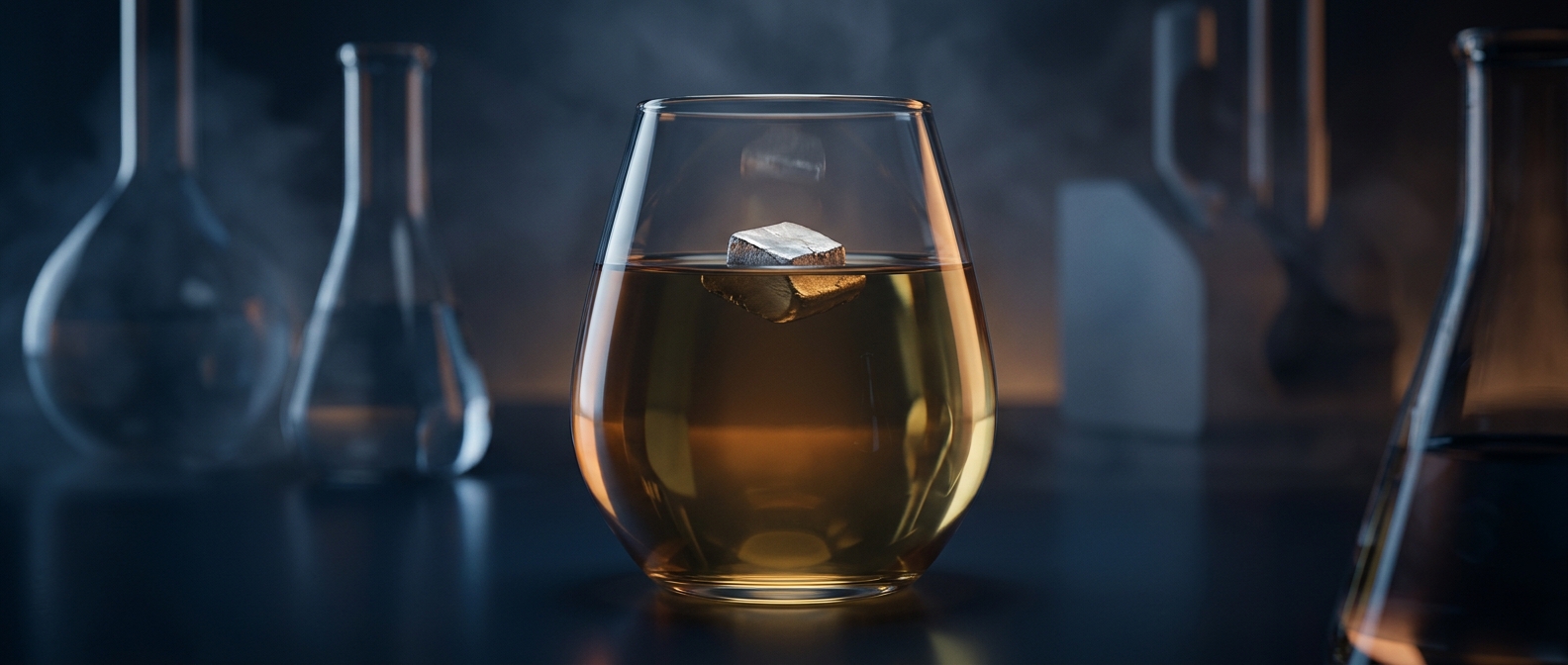
Lithium weighs barely half as much as the same volume of water
Its density is about 0.534 grams per cubic centimeter, the lowest of any metal. That lightness helps explain its appeal in alloys designed to reduce weight.…
Discover more
How barium keeps vacuum tubes truly empty
After air is pumped from a vacuum tube, a few gas molecules can still linger. Barium reacts with those leftovers, trapping them so the tube can work without…
Discover more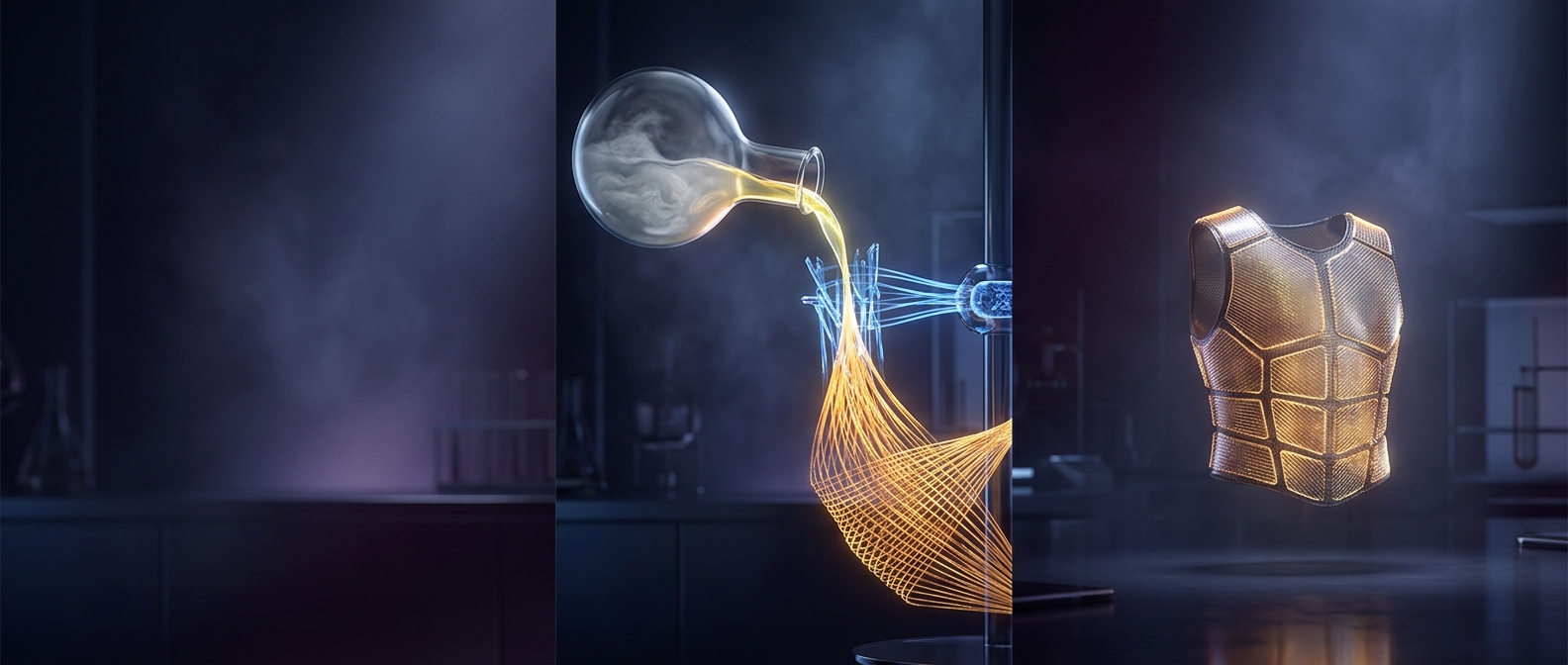
Kevlar began with a cloudy liquid that looked worth throwing away
In 1965, Stephanie Kwolek investigated an unusual polymer solution whose long molecules lined up in liquid-crystal regions. Its thin, cloudy appearance…
Discover more
The first mass-produced plastic could catch fire
Celluloid was made from cellulose nitrate, which can ignite readily when heated or struck by a spark. That made it useful for turning out early plastic goods,…
Discover more
Natural rubber consistently shatters when totally frozen
Rubber springs back because its long molecules can uncoil and shift when stretched. In enough cold, those chains become sluggish, so the rubber can no longer…
Discover more
Bromine remains completely liquid at normal room temperatures
Bromine is one of just two elements that are liquid at ordinary room temperature; the other is mercury. Its reddish-brown liquid gives off pungent fumes, so…
Discover more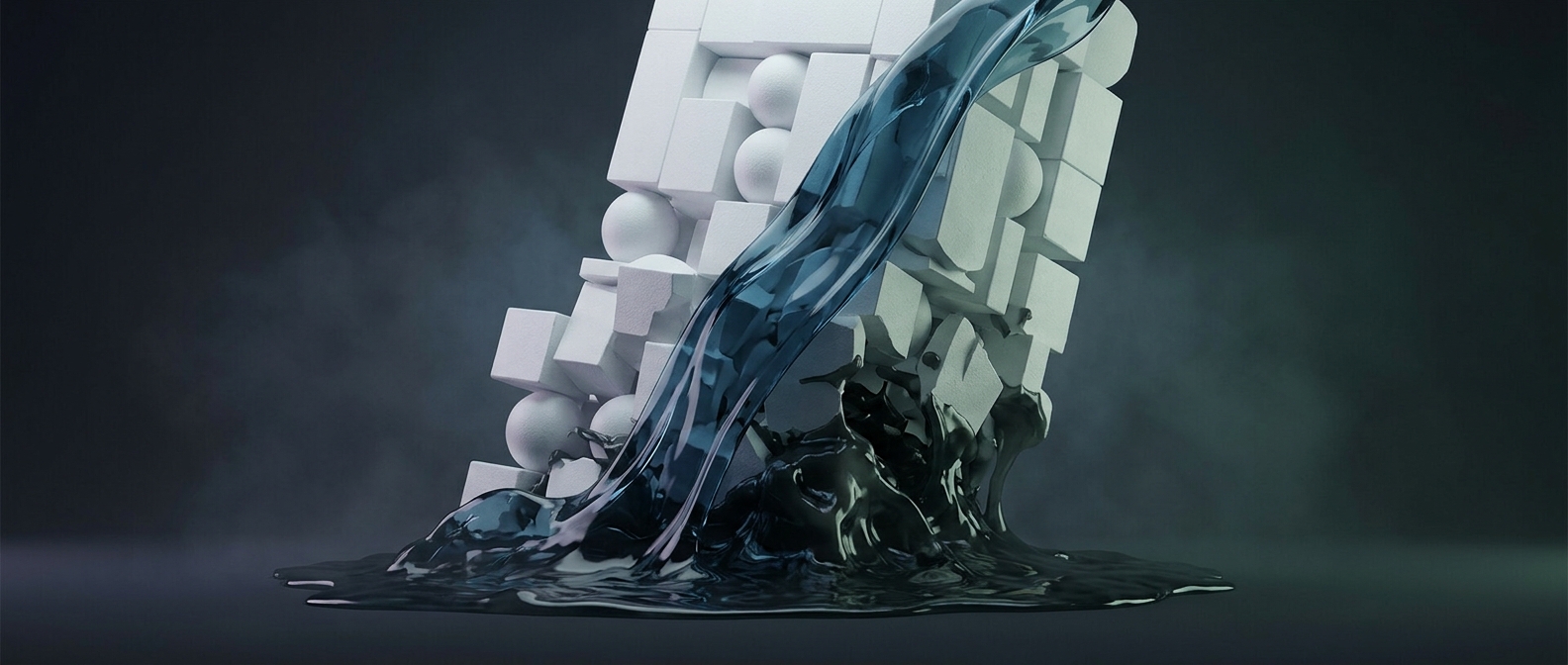
A splash of acetone can make Styrofoam collapse
Acetone dissolves the plastic walls of Styrofoam rather than melting them with heat. Those walls hold pockets of air; once they dissolve, the air escapes and…
Discover more
How sour milk becomes biodegradable plastic
Bacteria ferment plant sugars into lactic acid; chemists then link many lactic-acid molecules into PLA, a moldable plastic. The surprising part is what…
Discover more
Krypton strictly operates as a highly unreactive noble gas
An electric discharge gives krypton atoms a temporary energy boost. As each atom sheds that extra energy, it releases light—no chemical reaction required.…
Discover more
Copper turns entirely green when it extensively oxidizes
Air and moisture slowly react with copper’s outer surface, forming the green patina you see. Because that coating can protect the metal below, the change is…
Discover more