Why the reaction makes dangerous vapor
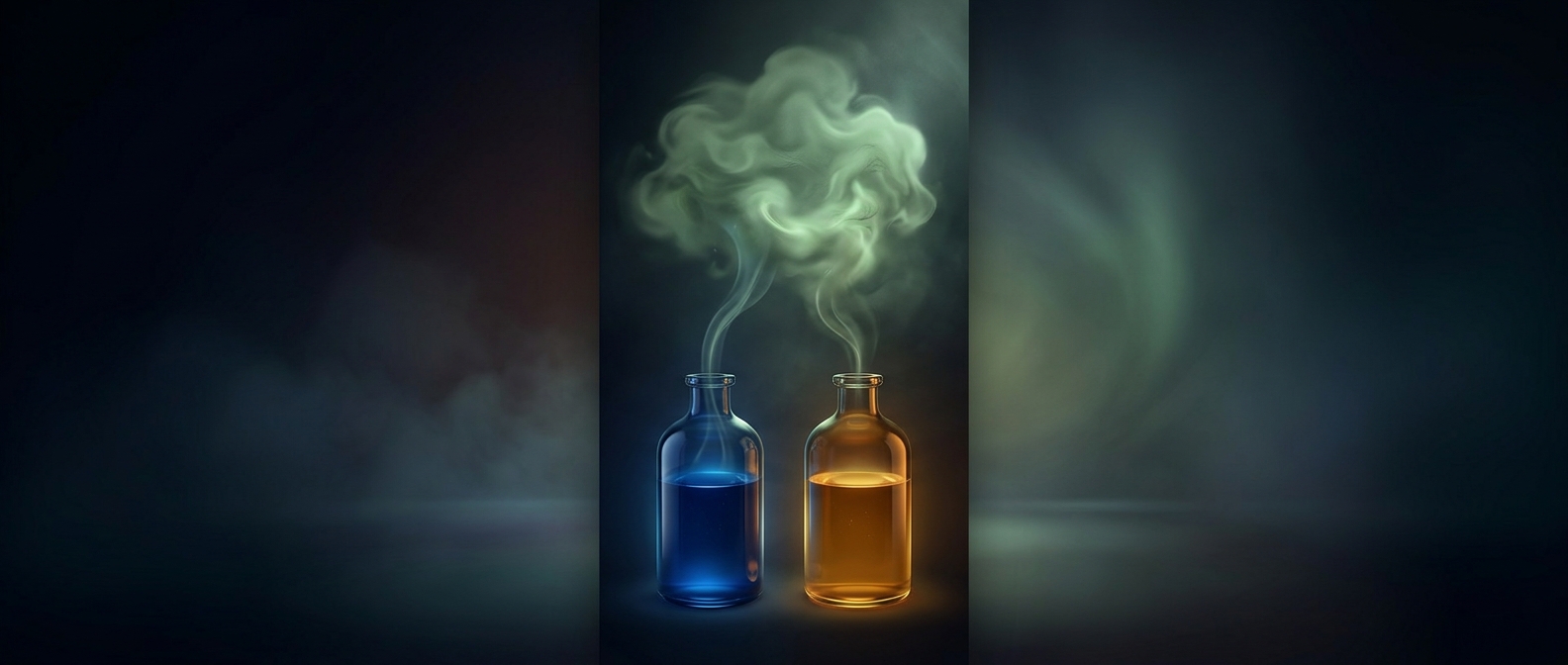
Household bleach contains sodium hypochlorite, a chlorine-based chemical. Ammonia is a different nitrogen-containing cleaner, but when the two meet, their ingredients can react to form chloramines—compounds that can escape into the air as irritating gases. The exact mixture depends on conditions, so the important point is not a single predictable product: combining them can create hazardous vapor.
That vapor reaches the eyes and airways as people breathe. It can cause burning, coughing, and difficulty breathing; greater exposure can cause more serious lung injury. A sharp cleaning smell is not a reliable way to judge how much has formed or whether the air is safe.
How cleaners meet without being poured together
The reaction can happen on a sponge, in a bucket, or on a surface where one product has left residue. Applying a second cleaner before the first has been thoroughly rinsed away can bring the chemicals together even when they came from separate bottles. Using different products one after another is not automatically safe simply because they were never mixed in a container.
Follow each product’s label, and don’t combine cleaners. If they are accidentally mixed and fumes appear, leave the area and get fresh air rather than leaning over the mixture or trying to neutralize it with another chemical. The practical danger is often not the bottle—it is the vapor created at the point where residues meet.