Why Sodium and Chlorine React So Forcefully
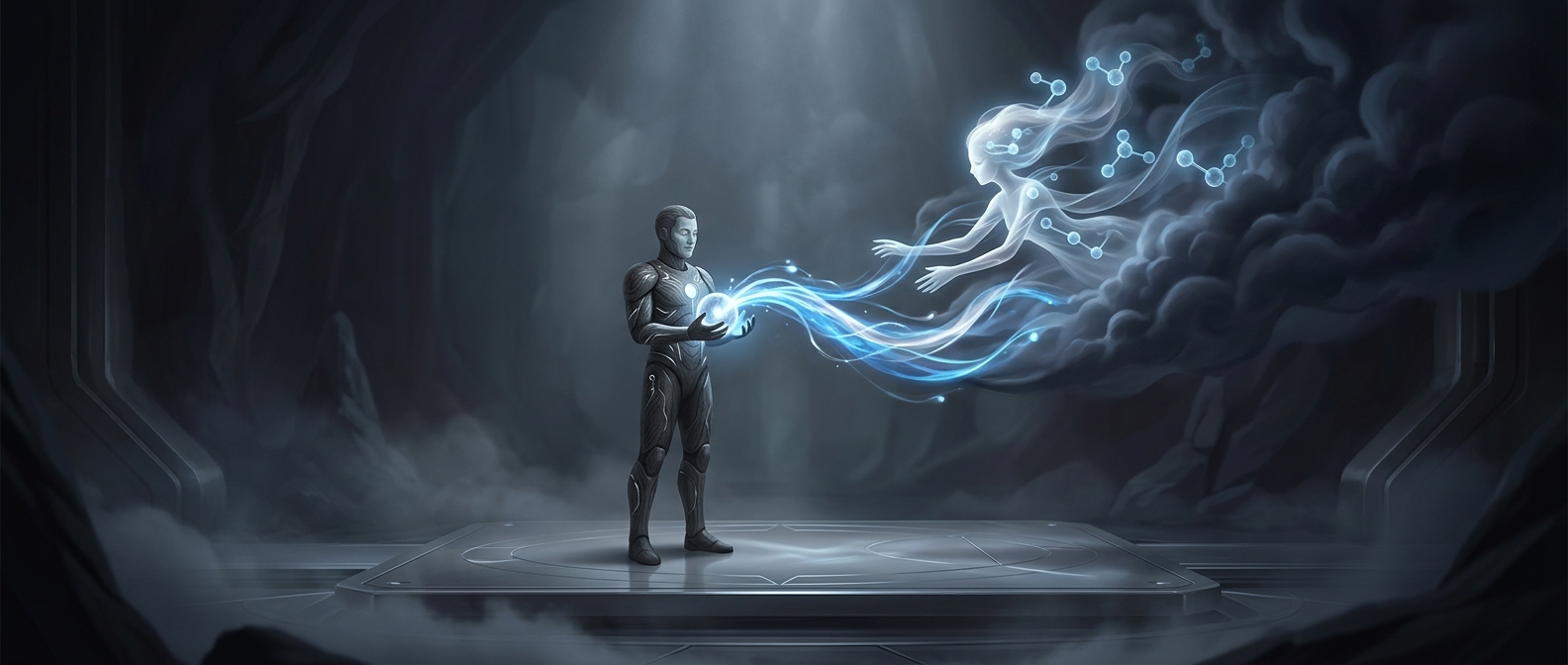
A sodium atom has one relatively easy-to-remove electron in its outermost layer. A chlorine atom is one electron short of a filled outer layer, so it can gain that electron. When sodium metal contacts chlorine gas, electrons can move from sodium atoms to chlorine atoms, producing positively charged sodium ions and negatively charged chloride ions.
The reaction is more than a quiet exchange between two atoms. Chlorine gas comes as pairs of chlorine atoms, and the products assemble into a solid in which each ion is surrounded by oppositely charged ions. This repeating three-dimensional structure is called an ionic lattice. The attractions throughout the lattice release energy, helping make the overall reaction strongly heat-producing.
From Electron Transfer to a Rapid Reaction
The electron transfer is only one part of the energy balance. Breaking apart chlorine molecules and rearranging the substances takes energy; forming the ionic solid releases energy. In the sodium–chlorine reaction, the energy released exceeds what the rearrangement requires, leaving heat behind.
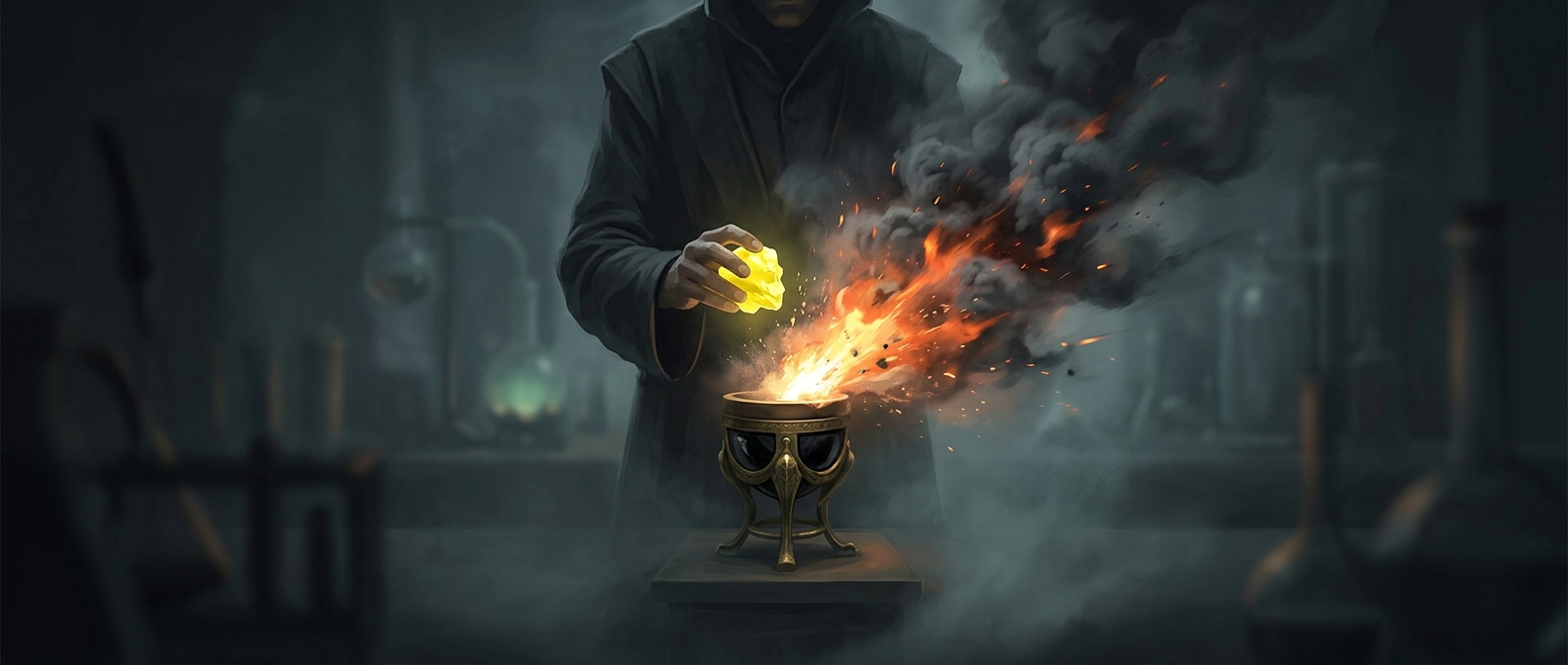
That heat can make the reaction proceed faster, so a large amount of sodium reacting with chlorine may do so abruptly and intensely. The apparent “grab” is therefore not a tiny explosion inside one pair of atoms. It is the start of a much larger change: countless charged particles forming a tightly bound crystal, with energy released as the new structure takes shape.