From polymer solution to continuous thread
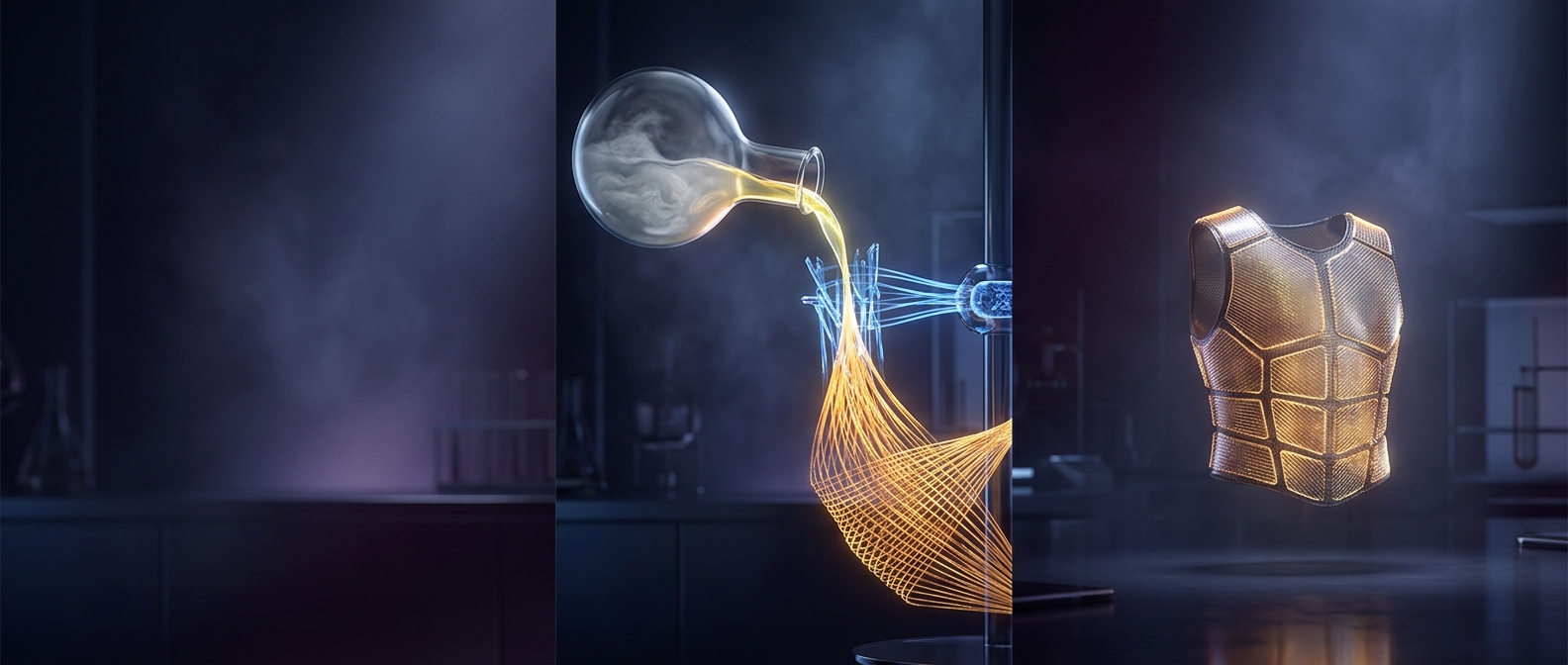
Kevlar is made from long, stiff polymer molecules—chains built from repeating chemical units. To turn them into fiber, manufacturers dissolve the polymer in concentrated sulfuric acid, producing a thick spinning solution. At this stage, the chains are dispersed through a liquid rather than locked into a solid structure. The solution’s cloudy appearance is a visible reminder that it is not yet a finished, load-bearing thread.
The solution is forced through a spinneret, a plate pierced with very fine holes. As the material flows through those narrow openings and is drawn out, the chains become oriented along the direction of travel. The emerging strands then enter a liquid that removes the acid and solidifies the polymer. Further drawing helps preserve and refine the chains’ alignment.
Why alignment matters under tension
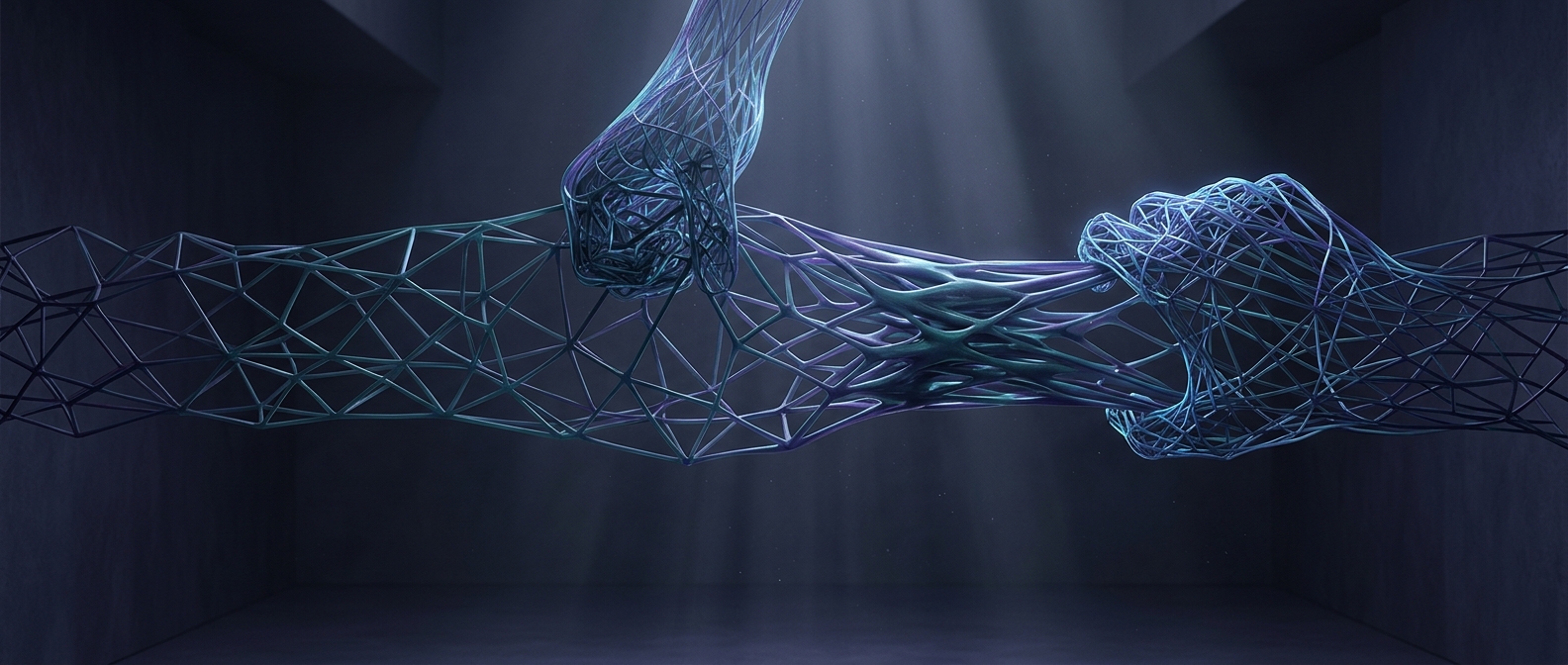
A fiber is strongest when its molecules run mostly lengthwise. If chains point in many directions, a pull can make them shift and rearrange before the whole strand carries the force. In Kevlar, aligned, rigid chains share the load along the fiber instead. Attractions between neighboring chains help hold them together, so the molecules are less free to slide past one another.
That is why spinning is more than shaping a liquid into a thin strand: it organizes the material at the molecular scale. The finished fiber can resist being pulled apart because the force travels through a crowded, lengthwise arrangement of chains—not through a disordered tangle.