How Copper’s Green Skin Forms
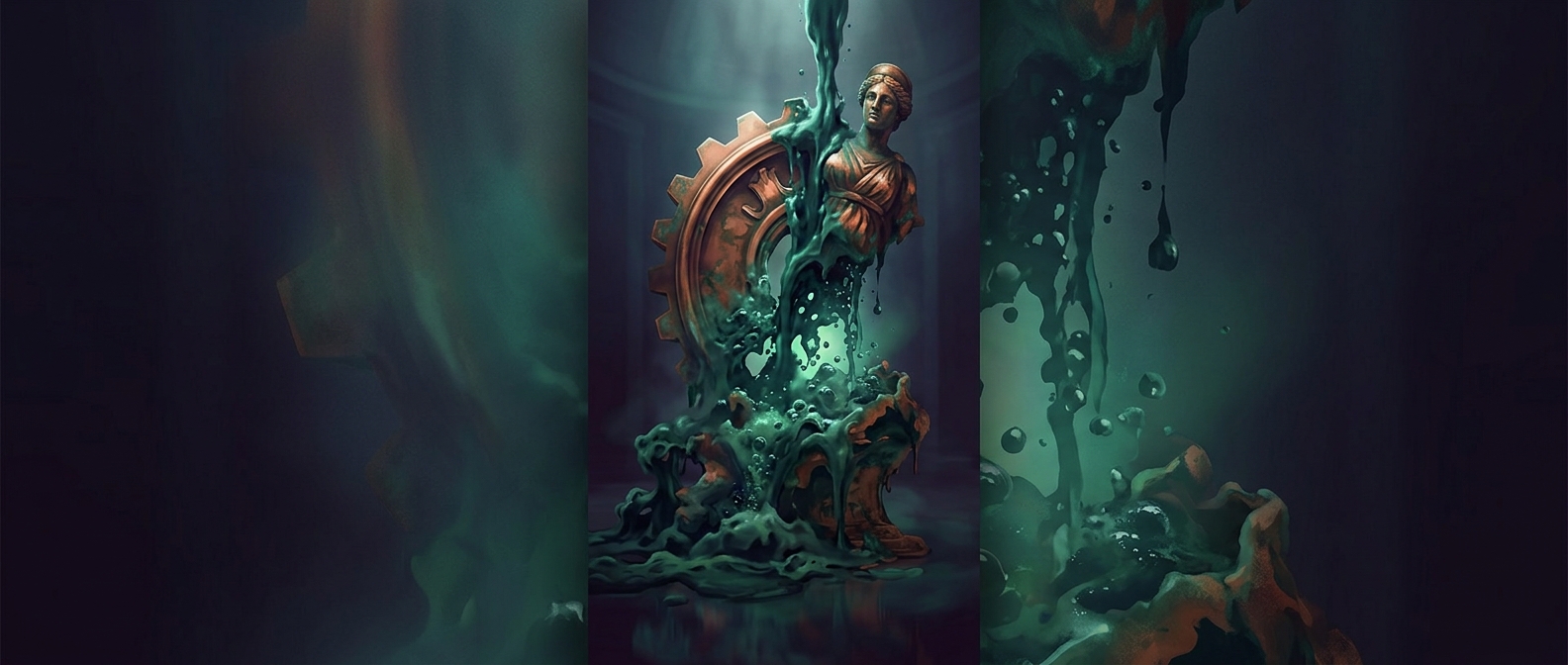
The green color is the end of a gradual surface change, not the color of freshly exposed copper. At first, copper reacts with oxygen and often darkens as a thin layer of copper oxide develops. Over time, that surface can react further with moisture and substances in the air—such as carbon dioxide or sulfur compounds—to form green corrosion products. Their exact mix depends on the surrounding conditions.
A Barrier, Not a Perfect Seal
These products tend to cling to the metal rather than flake away immediately. Together, they make a patina: a thin, altered surface layer that can slow the movement of water and reactive substances toward the copper beneath it. That helps distinguish copper’s typical weathering from corrosion that continually exposes fresh metal.
The protection is not absolute. A patina can take years to develop, and pollutants, salt, or persistent moisture can change how it forms and how well it protects. The green coating is evidence that the surface has reacted; it does not mean the copper has stopped changing altogether.
Why the Color Can Last
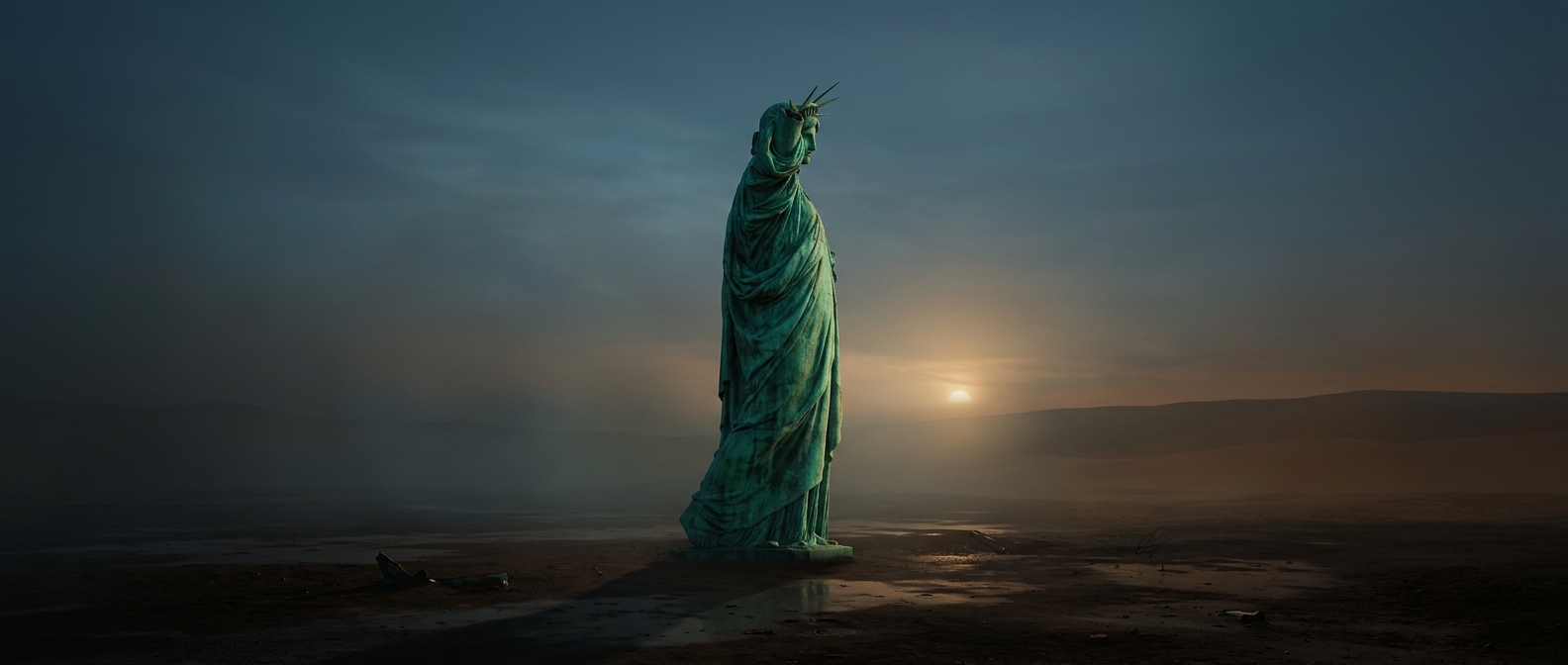
Once a stable patina covers a copper roof or other exposed surface, it can remain for a long time while the underlying metal weathers more slowly. The visible color is therefore both a record of exposure and part of the material’s defense: copper’s outermost layer changes so the metal below need not be exposed as quickly.