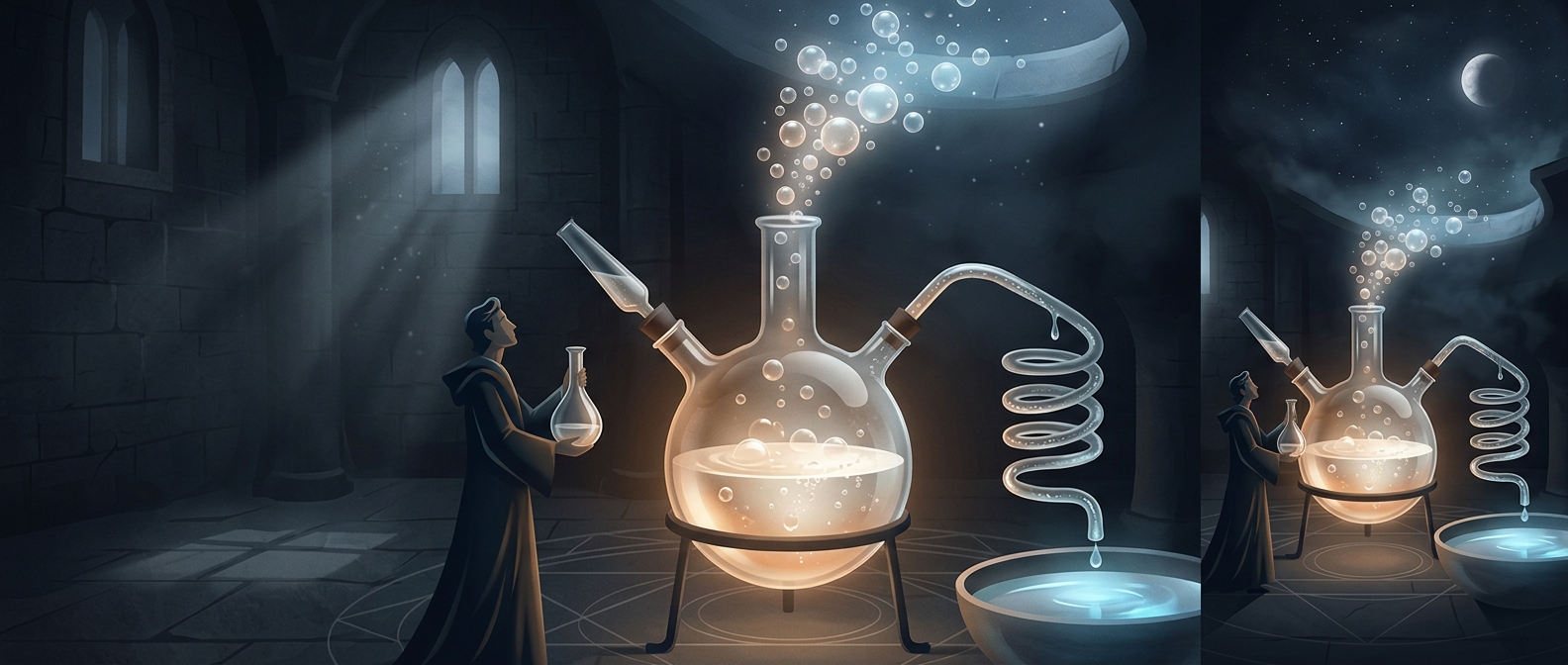
Why hydrogen peroxide breaks down
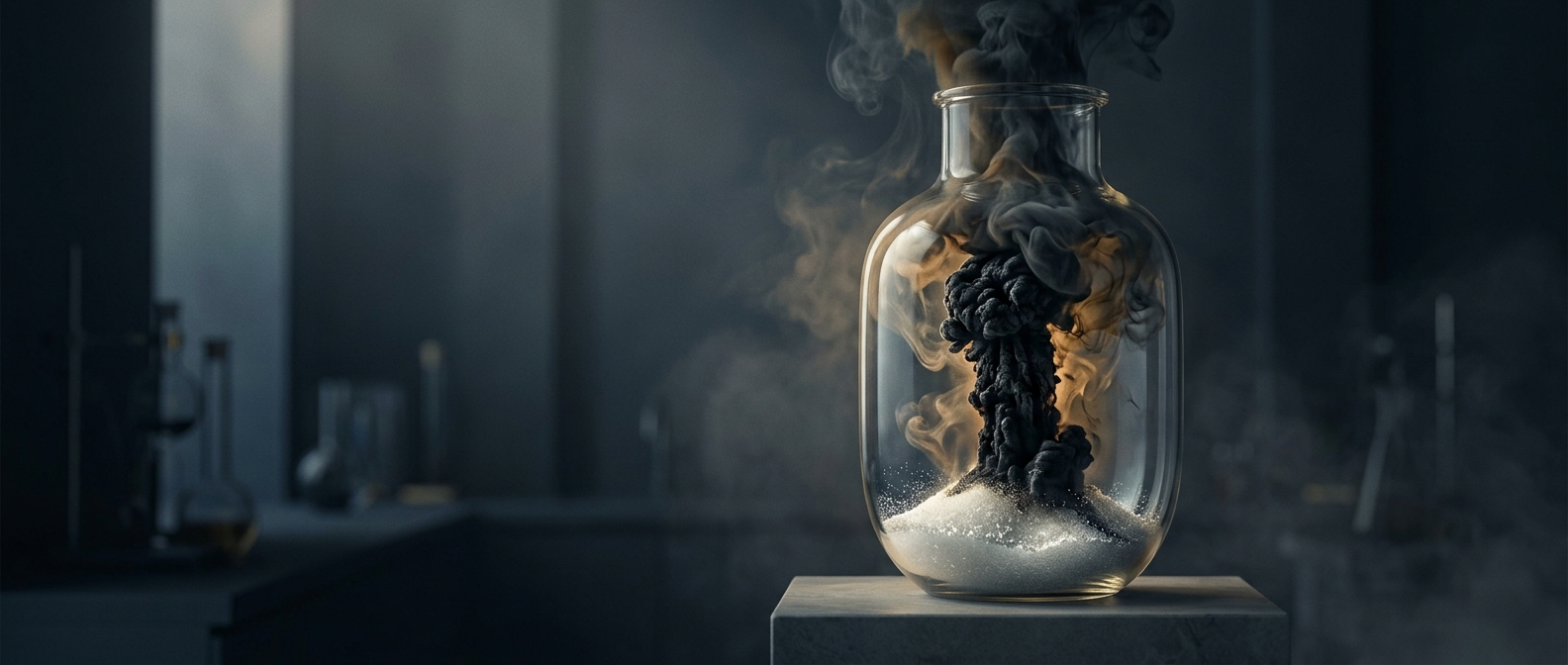
Hydrogen peroxide is a reactive molecule made of two hydrogen atoms and two oxygen atoms. Its atoms can rearrange into more stable substances: water and oxygen gas. The overall reaction is 2 H₂O₂ → 2 H₂O + O₂. It can happen without another ingredient, but it is usually slow in a clean, sealed container.
What speeds the reaction
Light and warmth make it easier for peroxide molecules to react. Tiny traces of certain metals, such as iron or copper, can also help the reaction along; they act as catalysts, substances that speed a reaction without being used up. Enzymes in living tissue can do something similar. For example, the enzyme catalase helps break peroxide into water and oxygen.
That is why peroxide may bubble when it touches tissue: the visible fizz is oxygen gas escaping. The bubbles are evidence that peroxide is reacting, not a measure of how thoroughly a wound is being cleaned.
What an aging bottle means
As peroxide decomposes, less of the original active ingredient remains. A weakened solution may therefore be less effective for a use that depends on its peroxide concentration. Keeping it away from light and heat slows the loss, while a clean, tightly closed container helps limit conditions that could accelerate it. The practical change is gradual but easy to miss: a bottle can still look like clear liquid even as some of its peroxide has turned into water and escaped as oxygen.