Why Chlorine Behaves Differently in Air and Water
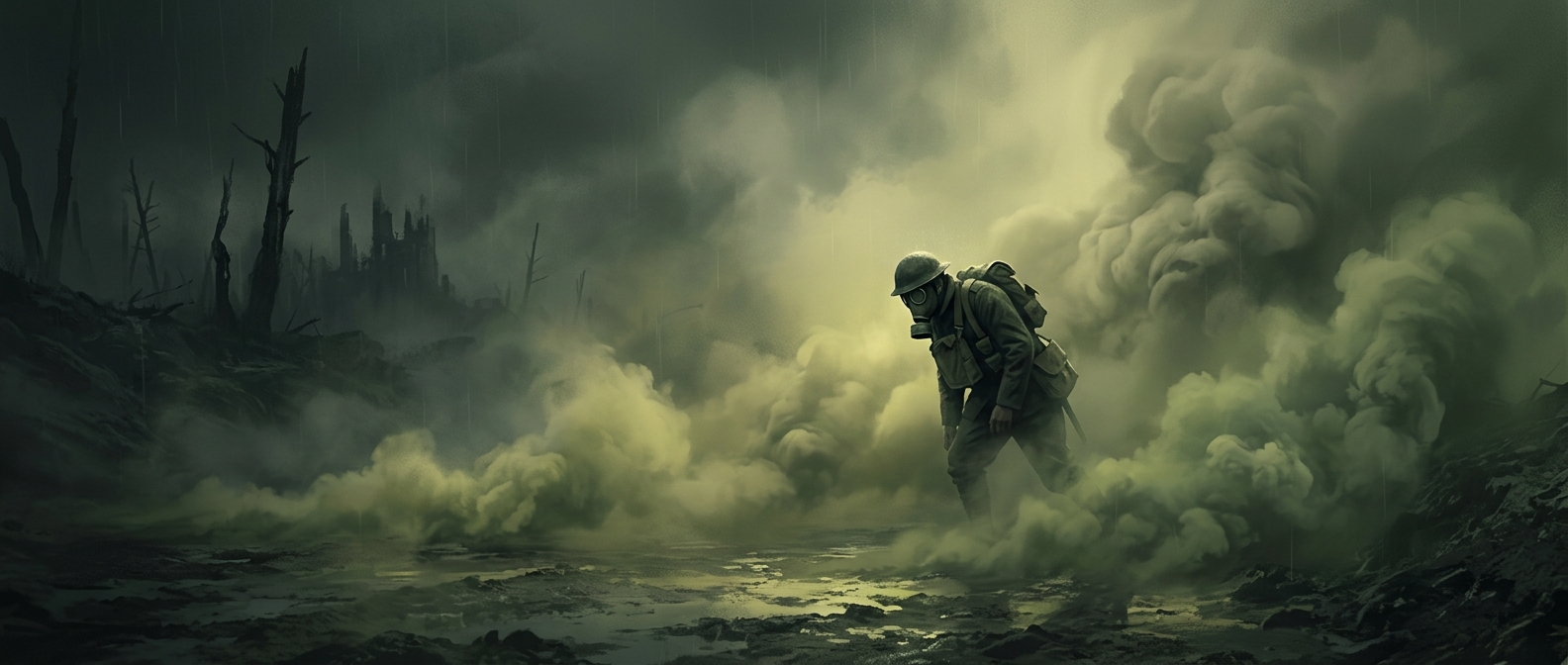
The difference is not that chlorine becomes harmless in a pool. It is the form, dose, and place of exposure. Pool disinfection uses carefully managed chlorine-based chemicals dissolved in water, where they help inactivate microbes. A cloud of chlorine gas, by contrast, can be inhaled directly into the delicate, moist surfaces of the respiratory tract.
Moisture Turns Exposure Into Injury
When chlorine gas meets water in the eyes or airways, it forms substances including hydrochloric acid and hypochlorous acid. These can irritate and damage tissue; hypochlorous acid also reacts with components of cells. The lungs are especially vulnerable because their branching air passages end in tiny air sacs where oxygen normally passes into the blood.
As the lining of the airways is injured, it can swell and produce fluid. That can make breathing difficult, and serious lung effects may worsen after the initial exposure rather than peak immediately. The eyes and throat may sting first, but the underlying danger is damage deeper in the lungs.
Control Is the Crucial Difference
In a pool, chlorine-based disinfectants are diluted and monitored so they can suppress microbes without exposing swimmers to a concentrated cloud of gas. If chlorine gas is released into air, the same reactive chemistry reaches wet tissue in a concentrated, uncontrolled way. A disinfectant’s usefulness depends on keeping its dose and location under control. That is why a substance used to help keep pool water safe can be devastating when inhaled as gas.