Why Aluminum Stops Corroding at the Surface
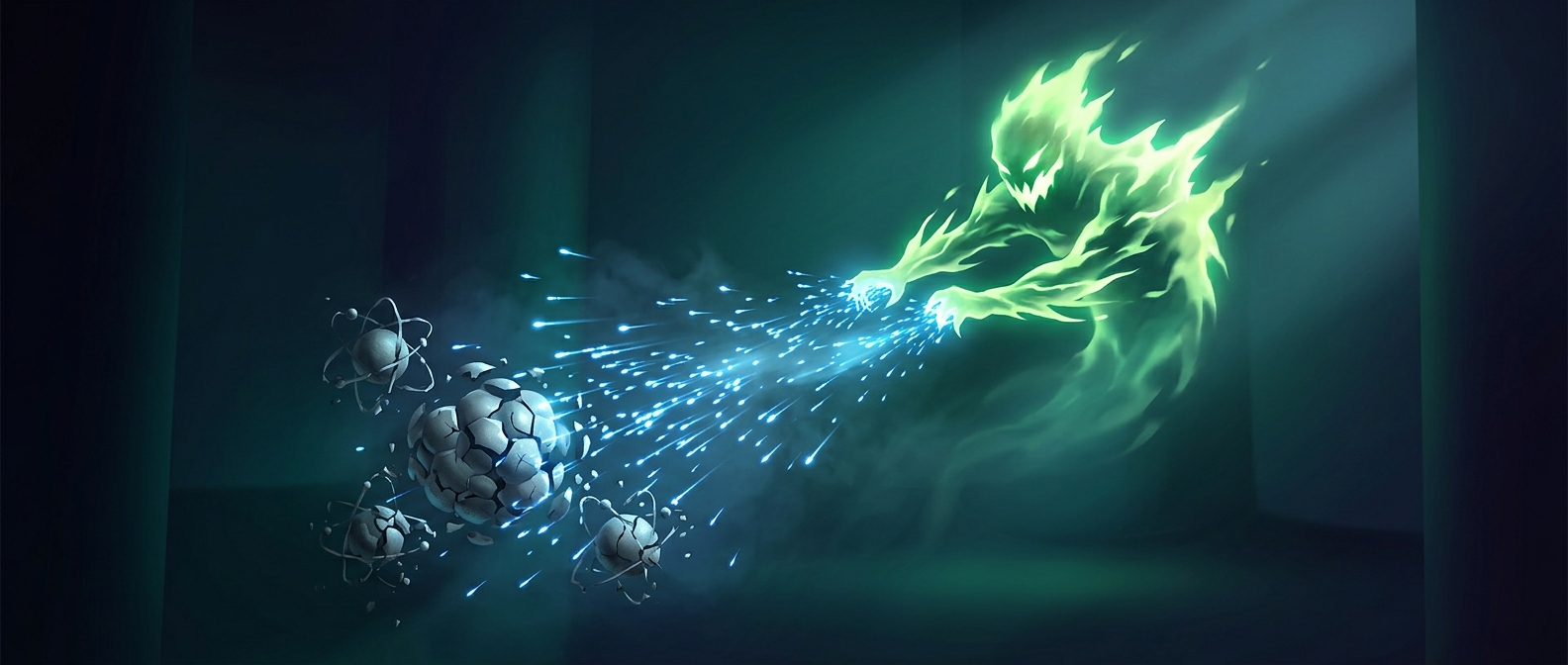
Aluminum is reactive: it readily combines with oxygen. That sounds like a recipe for rapid destruction, but the reaction has an unusual result. Oxygen at the surface binds with aluminum atoms to make aluminum oxide, a solid compound that clings tightly to the metal. The layer forms so quickly in ordinary air that a newly exposed surface is soon covered.
A Barrier That Seals Itself
The oxide does not flake away like rust often does on iron. It is compact and strongly attached, so it blocks much of the oxygen and moisture from reaching the aluminum below. With the supply of fresh metal at the surface cut off, the reaction slows dramatically. The metal has not stopped being chemically reactive; its own reaction product has sealed it off.
A scratch exposes bare aluminum, but only briefly. Oxygen reaches the newly uncovered atoms and forms oxide there as well, restoring the barrier without any paint or treatment. This is why a small scrape generally does not leave aluminum vulnerable in the way a damaged coating might.
Why the Thin Layer Matters
The oxide film is only a few nanometers thick—far too thin to see as a separate shell—but it makes aluminum useful in settings where exposed metal must withstand air and dampness. Its protection is not unlimited: harsh chemical conditions can dissolve or disrupt the film. Under everyday exposure, though, the surface keeps renewing itself, turning aluminum’s tendency to react into the very mechanism that helps it resist further corrosion.