Why iron’s rust fails as armor
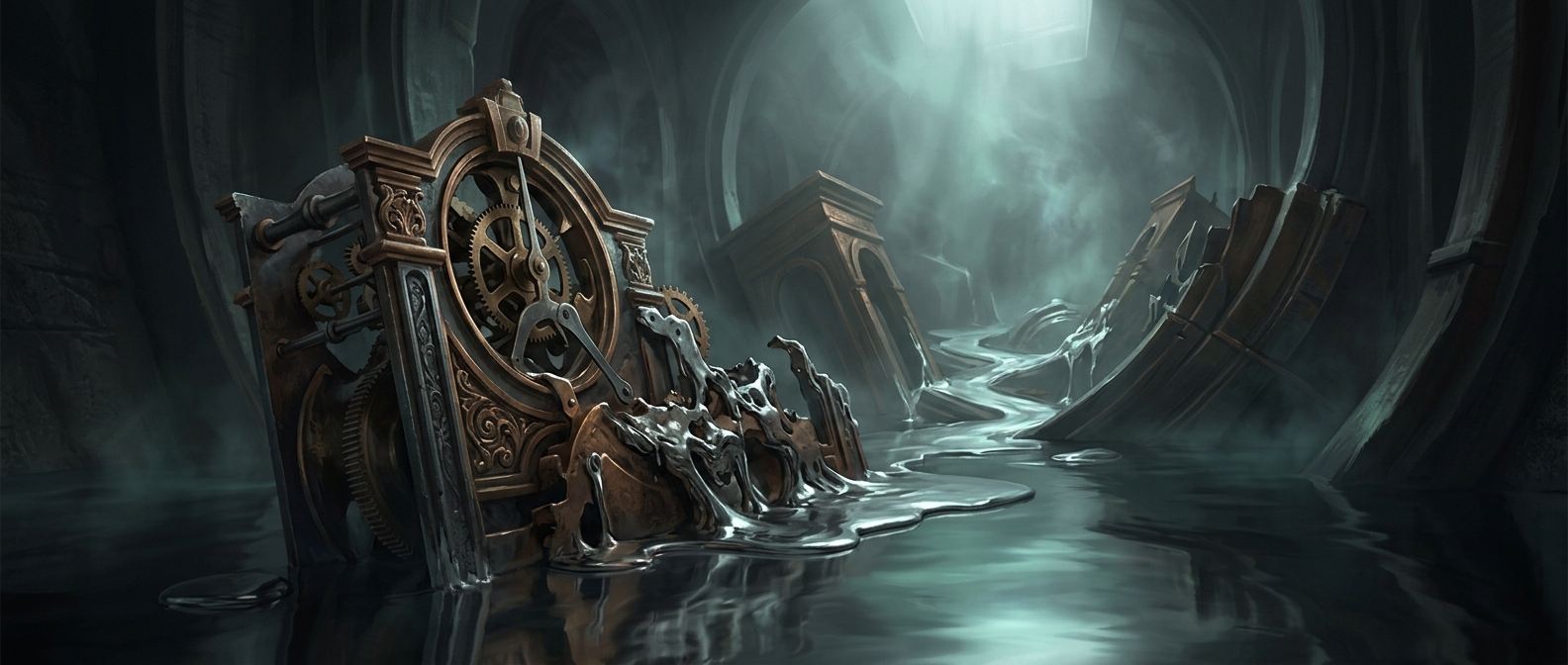
Iron does not simply acquire a new surface and stop reacting. In damp air, water helps oxygen take electrons from iron atoms. The resulting iron compounds—rust—occupy more space than the iron they came from and form an uneven, porous layer rather than a dense seal.
That structure matters: water and oxygen can seep through gaps in the rust and reach the metal below. As more iron reacts, the layer thickens and loosens, then cracks or flakes away. Each lost fragment exposes fresh iron, allowing corrosion to continue inward.
Why aluminum usually fares better
Aluminum also reacts with oxygen, but its oxide forms a very thin, tightly attached film. The layer blocks much of the oxygen and water from reaching the metal, and if the surface is scratched, newly exposed aluminum can form more oxide. This self-sealing film is why aluminum often resists further corrosion in ordinary conditions.
Iron’s rust does not seal the surface in the same way. Its flaky texture keeps reopening the route from the environment to the metal, so a small patch can grow into deeper damage. That is why protecting iron usually means keeping moisture and oxygen away—with paint, oil, or another barrier—rather than relying on the rust itself to shield it.