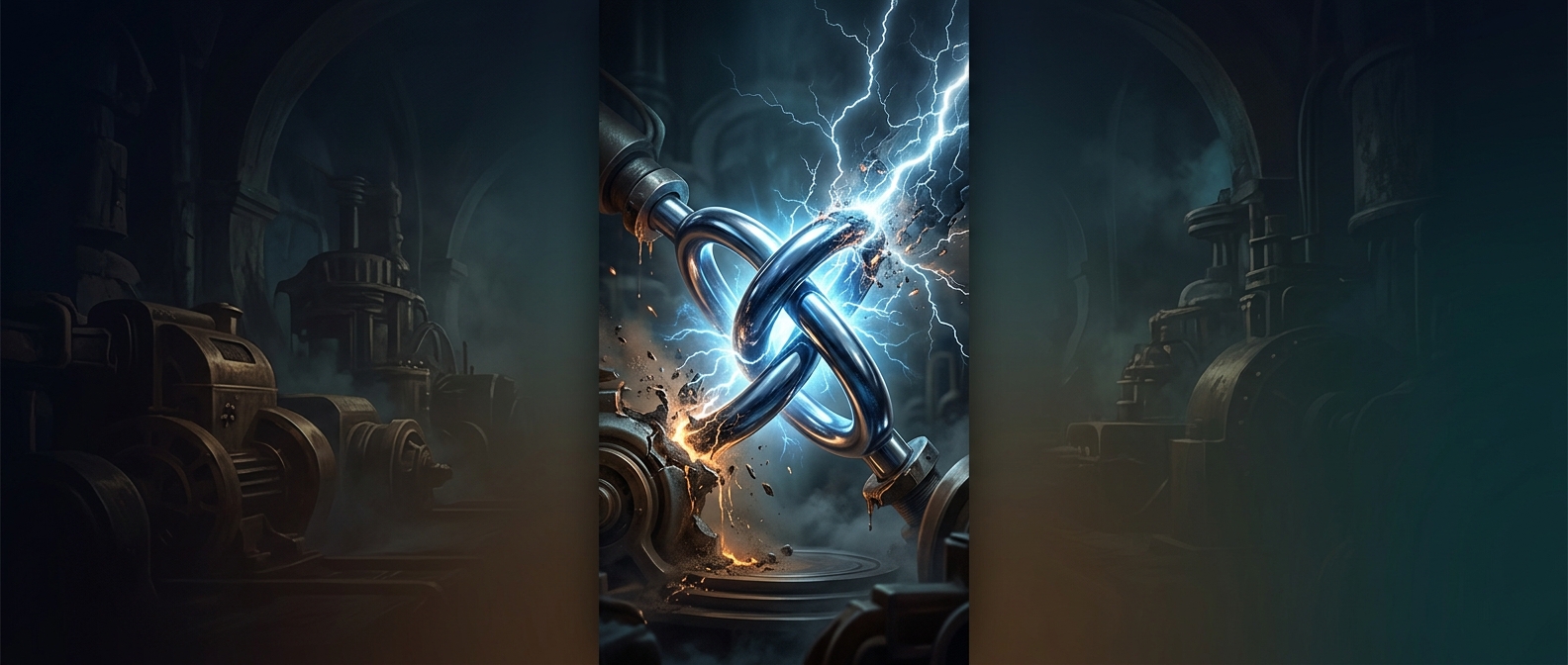
How a tiny spark wears down a switch
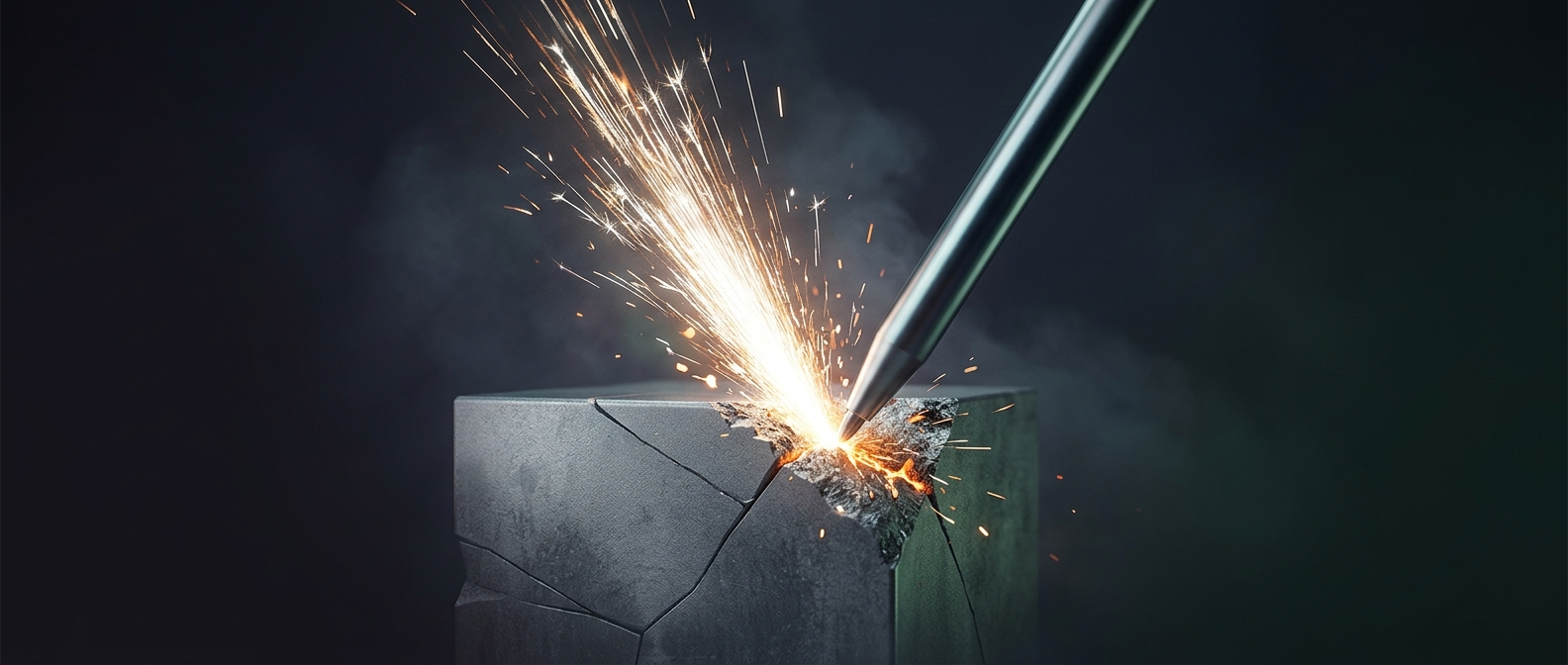
An electrical contact is the metal surface that touches its partner to complete a circuit. When the partners pull apart, current may briefly leap the shrinking gap as an arc—a small, intensely hot discharge. That heat can melt or vaporize microscopic patches of metal. When the contacts meet again, the roughened spots may touch unevenly, and repeated switching can deepen pits or transfer metal from one surface to the other.
A hard surface takes the repeated hits
Ruthenium is a hard, wear-resistant metal. Applied as a thin coating, it gives a contact surface better resistance to scraping and repeated electrical switching than a softer exposed surface might have. The coating does not stop the arc; it helps the surface endure the damage the arc and physical contact can cause.
That distinction matters because the layer is only part of the contact. It must be thin enough to keep the underlying metal useful for carrying current, yet durable enough to remain in place through many cycles. Engineers choose coatings with the contact’s electrical and mechanical demands in mind, rather than treating any one metal as a universal solution.
Longer life, not invulnerability
A ruthenium-coated contact can still wear out. The result depends on factors such as the current being switched, how often the circuit opens and closes, and the contact’s design. But by putting a hard, resilient surface where the damage begins, the coating can slow the gradual deterioration that would otherwise make a switch unreliable. Its advantage is not that sparks become harmless—it is that the metal facing them is harder to wear away.