Why a Ferrocerium Scrape Makes Sparks
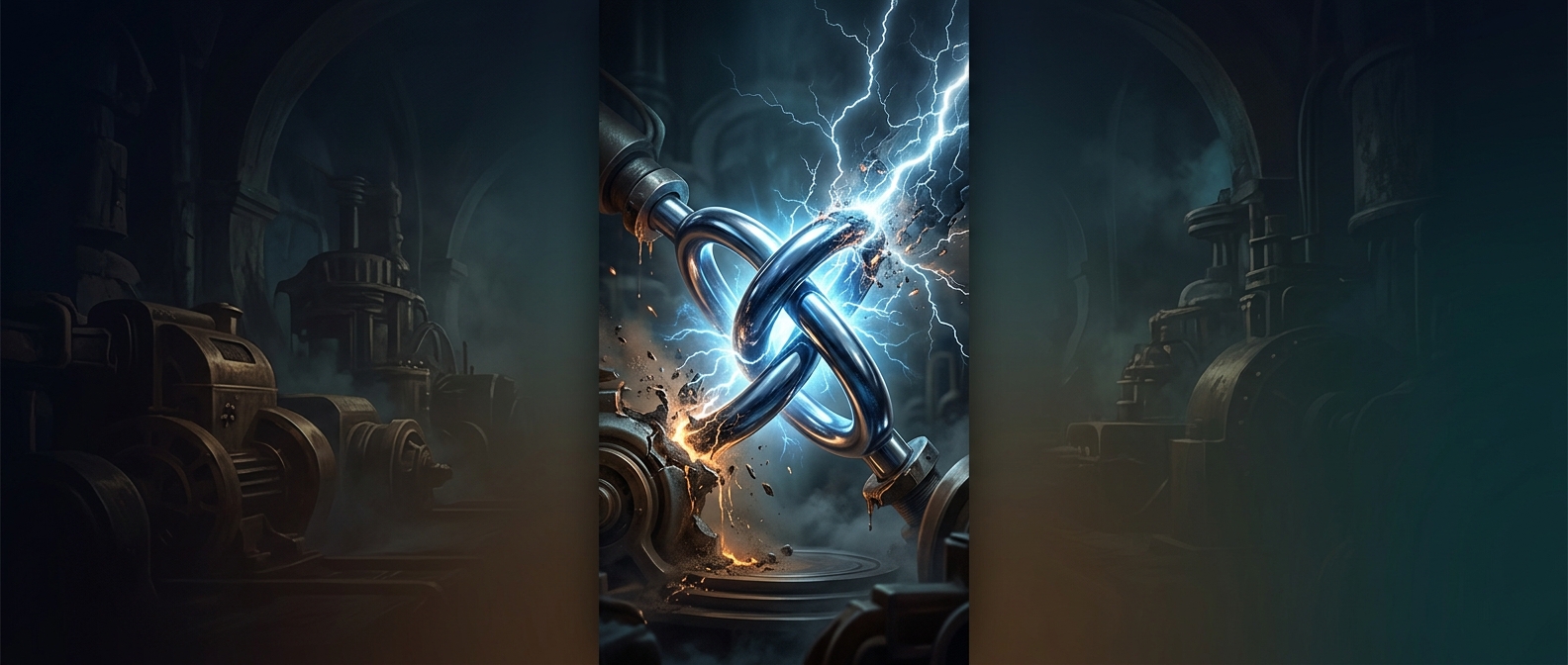
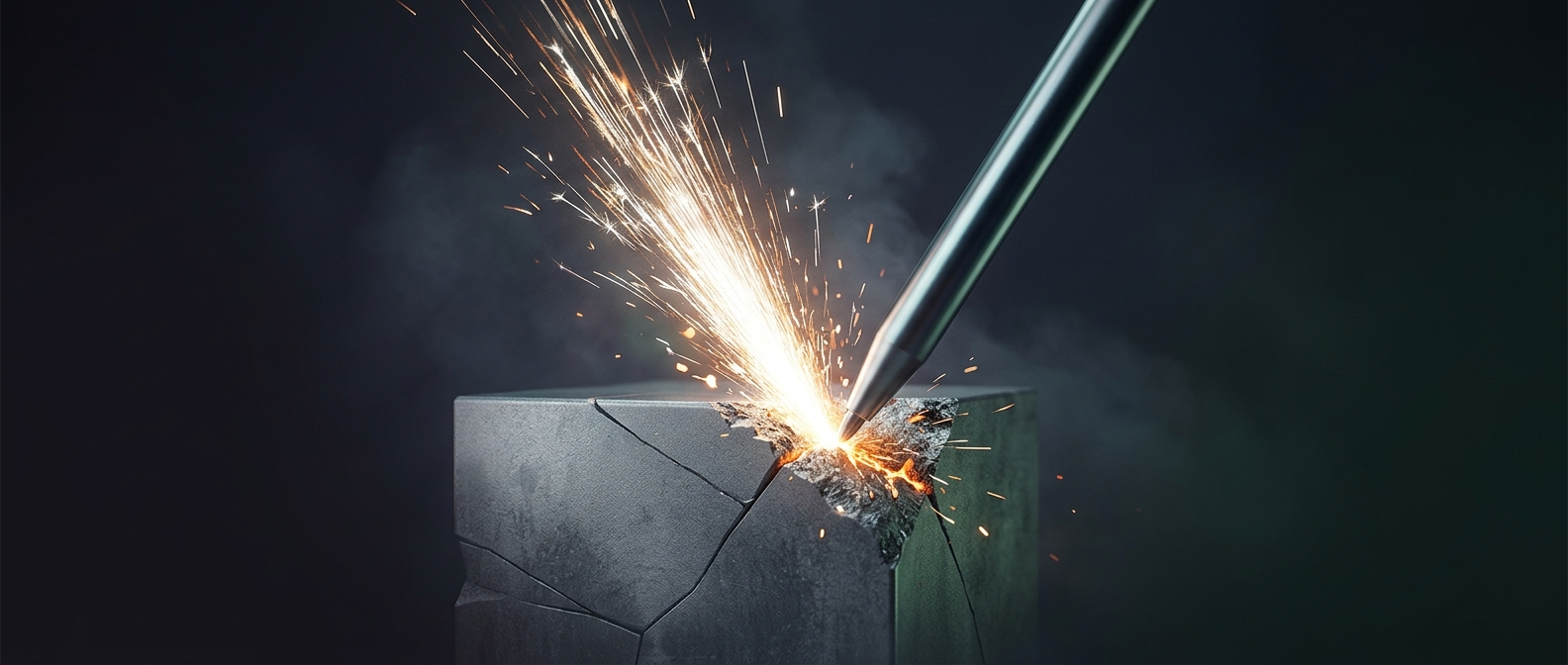
A lighter’s “flint” is often ferrocerium, a man-made alloy rather than natural flint. When a rough surface scrapes it, the surface tears away tiny metal particles. The scrape exposes fresh material and gives the fragments a sudden burst of energy.
The Fragments Burn in Air
Ferrocerium contains iron along with metals that oxidize readily, including cerium. Oxidation is a reaction with oxygen. Because the torn particles are extremely small, they have a large surface area relative to their mass, so they heat quickly and react with oxygen in the air. The bright streaks are these burning fragments—not a solid piece of metal glowing merely because it was rubbed.
The particles cool as they travel and eventually stop reacting. Their brief, intense heat is enough to ignite a nearby fuel, such as the gas released by a lighter or the edge of a dry tinder bundle. The scrape therefore does two jobs: it creates hot particles and throws them toward something combustible.
Why the Alloy Is Useful
Ferrocerium is comparatively soft, so a small wheel or sharp striker can shave off particles without requiring a large impact. That makes it practical in pocket lighters and fire-starting tools: a compact mechanical action produces sparks without a battery or an electrical circuit.
The key is not simply friction. Scraping supplies energy and makes tiny pieces; their rapid reaction with oxygen turns that energy into visible sparks and useful heat.