Why deep cold makes rubber crack
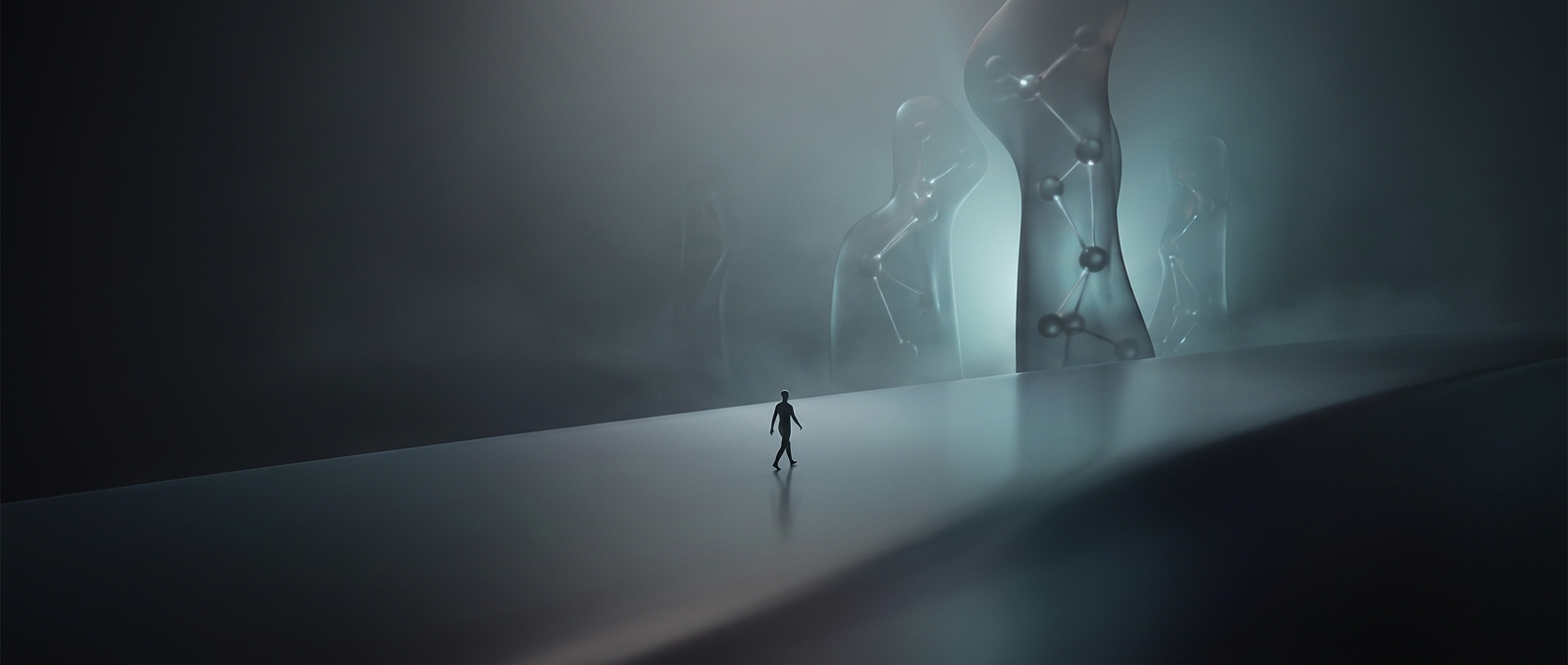
Rubber’s stretchiness comes from its molecular shape. Its long polymer molecules—chains built from repeating chemical units—are normally tangled and coiled. Pulling rubber straightens parts of those chains; releasing it lets them recoil, returning the material toward its original shape.
That motion depends on the chains being able to shift. Cooling removes energy from them, making their rearrangement slower. At sufficiently low temperatures, the rubber cannot respond quickly to a sudden bend or impact. Instead of flexing to spread out the force, it behaves more like a rigid solid, so stress concentrates at weak points and a crack can form.
“Frozen” means glassy, not necessarily icy
Rubber does not have one universal temperature at which it becomes brittle. The threshold depends on its chemical formulation and structure. Below that transition, often called the glass-transition temperature, the polymer chains are so restricted that the material is hard and brittle on the timescale of ordinary use. The term describes a change in how the material moves; it does not mean water has frozen inside the rubber.
Nor does every cold object shatter simply because it is cold. The damage depends on the material, how far below its transition it is, and how it is stressed. A slow, gentle bend may produce a different result from a sharp blow, which gives the chains less time to move.
The bounce depends on motion
A rubber ball rebounds because its shape can recover after impact. When extreme cold locks down that recovery, the ball may fail to spring back and can crack under the same sort of force it would normally absorb. Its familiar resilience is not an extra toughness that survives any condition: it is the result of molecular mobility, and deep cold can take that mobility away.