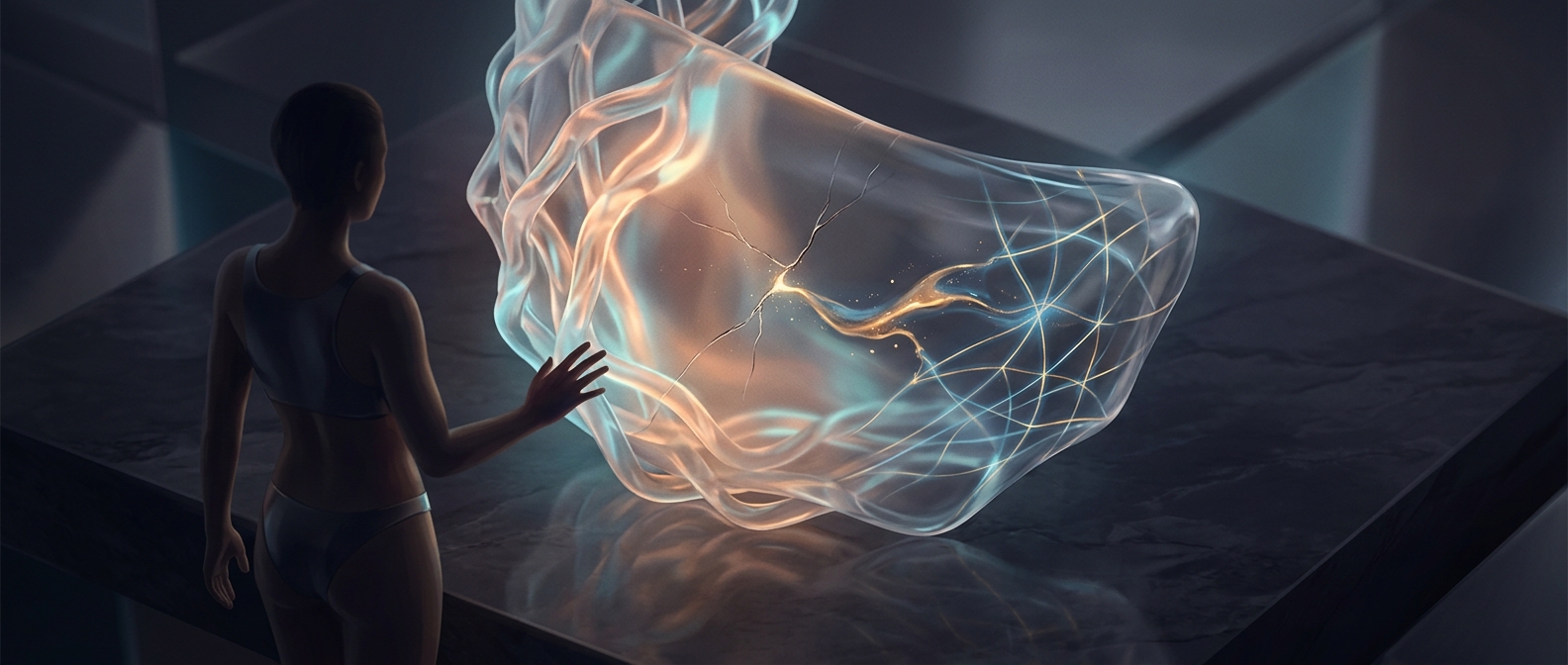
How a polymer can close a scratch
A polymer is made of long molecules built from repeating units. In certain polymers, those molecules are joined by bonds or weaker attractions that can break when a sharp object pulls the material apart. If the two sides of a scratch are brought back into contact, some of those connections can form again, joining the surfaces rather than adding new material to fill the groove.
The key is mobility: the molecules must be able to move close enough to reconnect. Heat can give them extra motion, while light can trigger chemical changes that let links reform. Which method works depends on the polymer’s chemistry. A deeply gouged piece may also have lost material, so reconnection cannot simply replace what is missing.
Repair depends on the material’s design
Some self-healing polymers use reversible links, which can break and re-form repeatedly. Others rely on chemical reactions activated by heat or light. In either case, the material must balance two needs: its connections should hold firm during ordinary use, yet be able to reorganize when damage occurs.
That balance shapes where these materials may be useful. A coating that can reconnect after a fine scratch could retain its protective surface longer; a flexible component might recover from small cuts before they grow. But healing is not the same as restoring every property perfectly. The result depends on the size of the damage, how well the surfaces meet, and whether the repair conditions reach the affected area.
The zipper comparison captures the essential mechanism: the material closes damage by reconnecting existing molecular links, not by supplying a patch.