Hardness does not make diamond fireproof
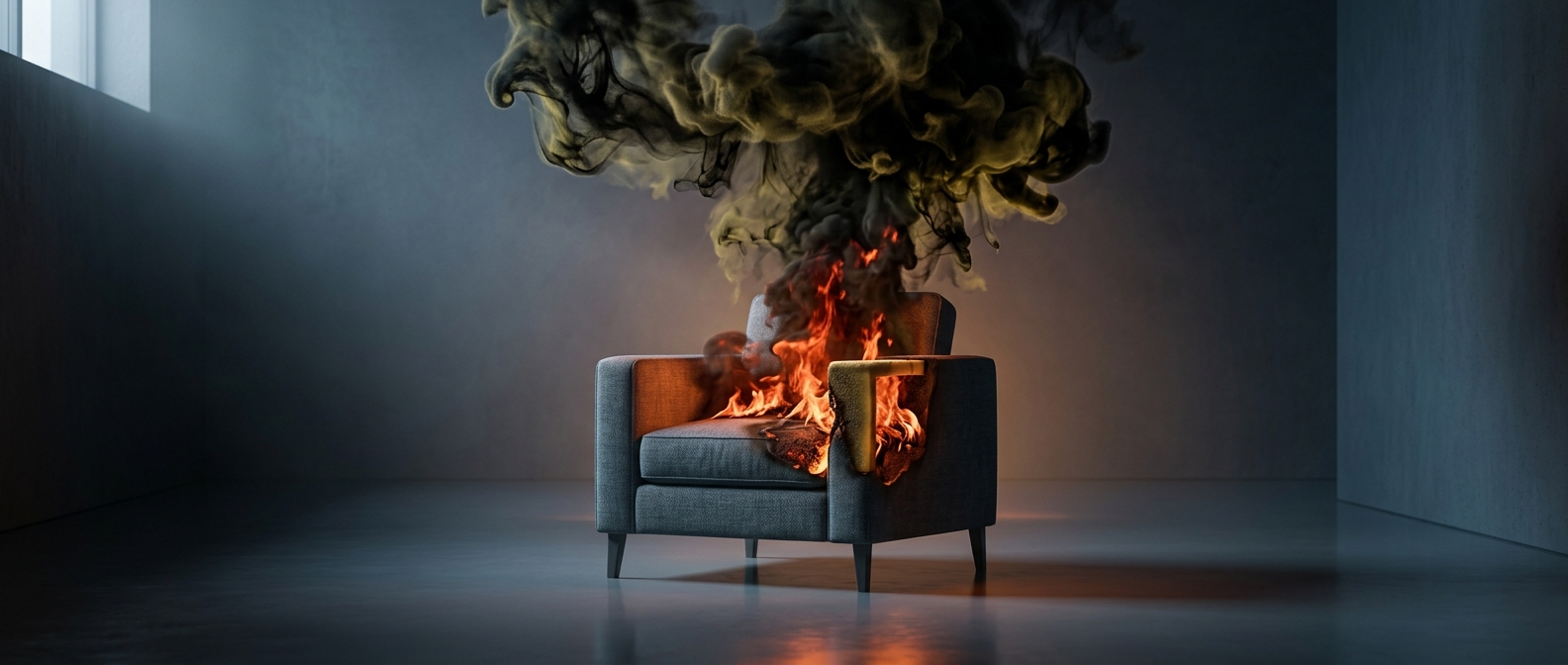
A diamond’s famous hardness describes how difficult it is to scratch—not how it behaves at high temperatures. Diamond is made of carbon, and carbon can react with oxygen. Given enough heat and oxygen, the crystal can be consumed by combustion, much as other forms of carbon are.
A blowtorch first has to heat the diamond’s surface. Diamond conducts heat very efficiently, so warmth spreads into the rest of the stone instead of staying in one tiny spot. That can make it harder to keep a small area hot, especially if the diamond is touching something that draws heat away. But with sustained heating and enough oxygen at the surface, the reaction can continue.
The crystal becomes gas
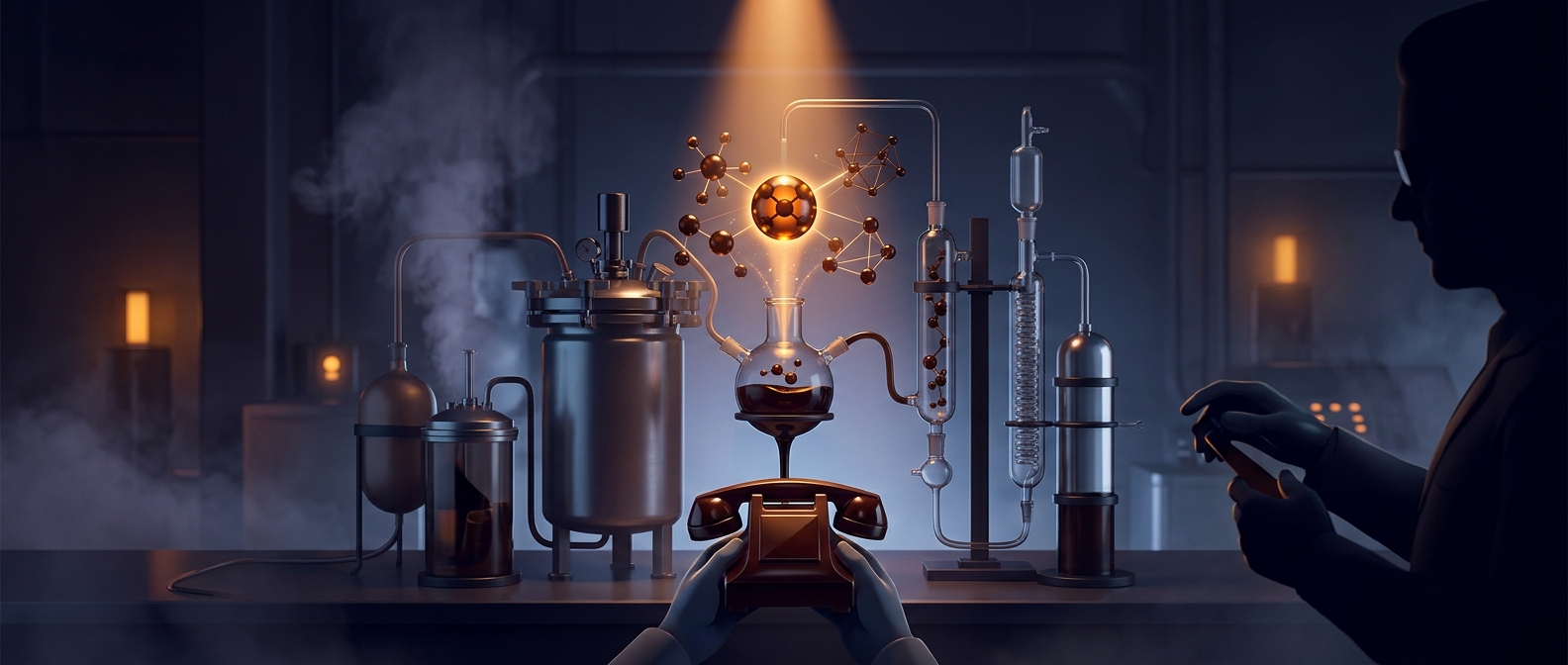
At the hot surface, carbon atoms react with oxygen molecules in the air. The main product is carbon dioxide, a gas that leaves the stone. The diamond does not melt into a puddle or turn into a pile of ash: its carbon is carried away molecule by molecule as combustion proceeds. If oxygen is limited, other carbon-containing products can form as well.
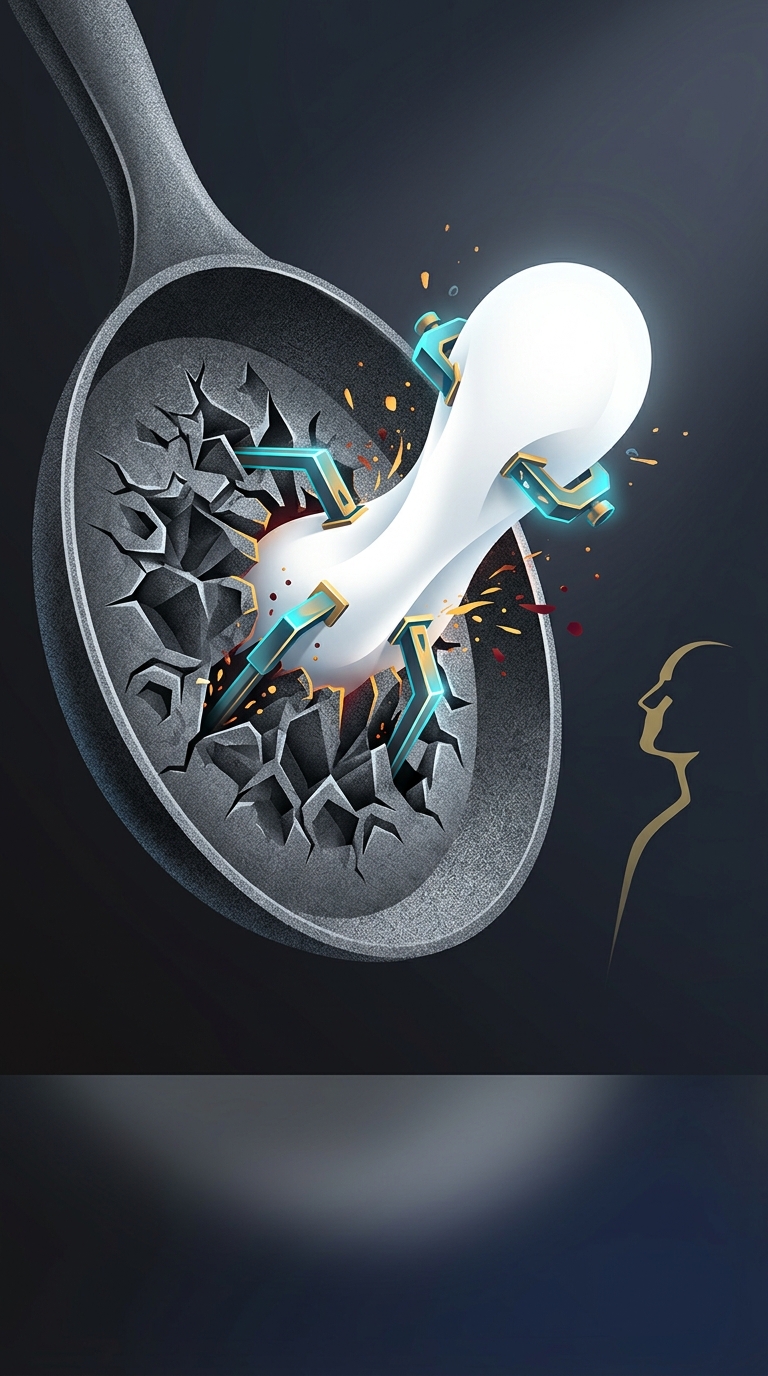
The visible result depends on the setup. A torch’s flame, the flow of air, and whether the stone is resting on a heat-conducting surface all affect how quickly it heats and burns. Uneven heating can also create stress and cracking before the stone is fully consumed. “Flawless” means the diamond lacks visible internal imperfections; it does not mean it is immune to thermal stress or chemical change.
What remains after the flame
If combustion runs to completion, the diamond itself is gone, converted chiefly into carbon dioxide. The striking contrast is that a material exceptionally resistant to scratching can still be destroyed by the right combination of heat and oxygen. Its strength is specific: diamond resists one kind of change, not every kind.