Why foam changes a room’s fire behavior
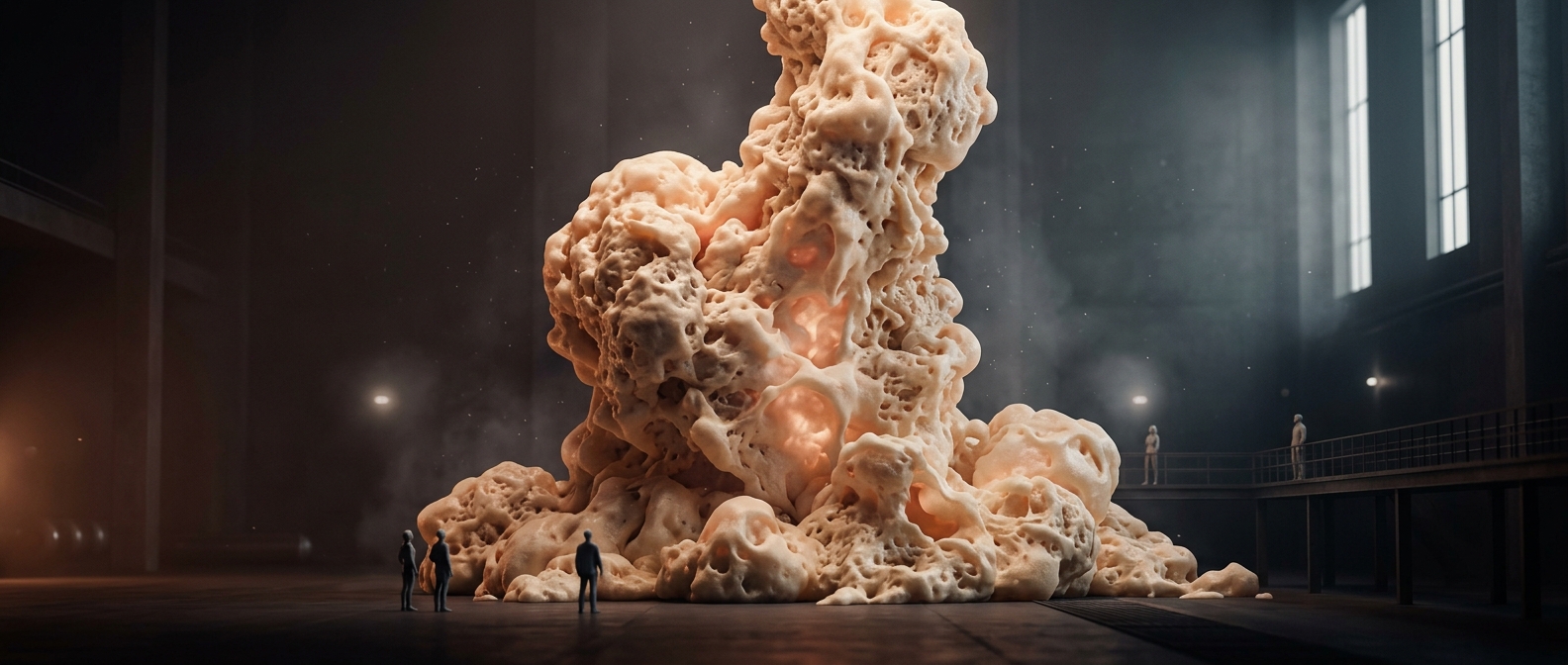
Polyurethane foam is a plastic expanded into a light, porous structure. Its many tiny cells make cushioning possible, but they also leave a large amount of combustible material spread through the interior of a sofa. Once heat breaks the plastic down, its vapors can ignite; the foam may also shrink, soften, or melt as it burns.
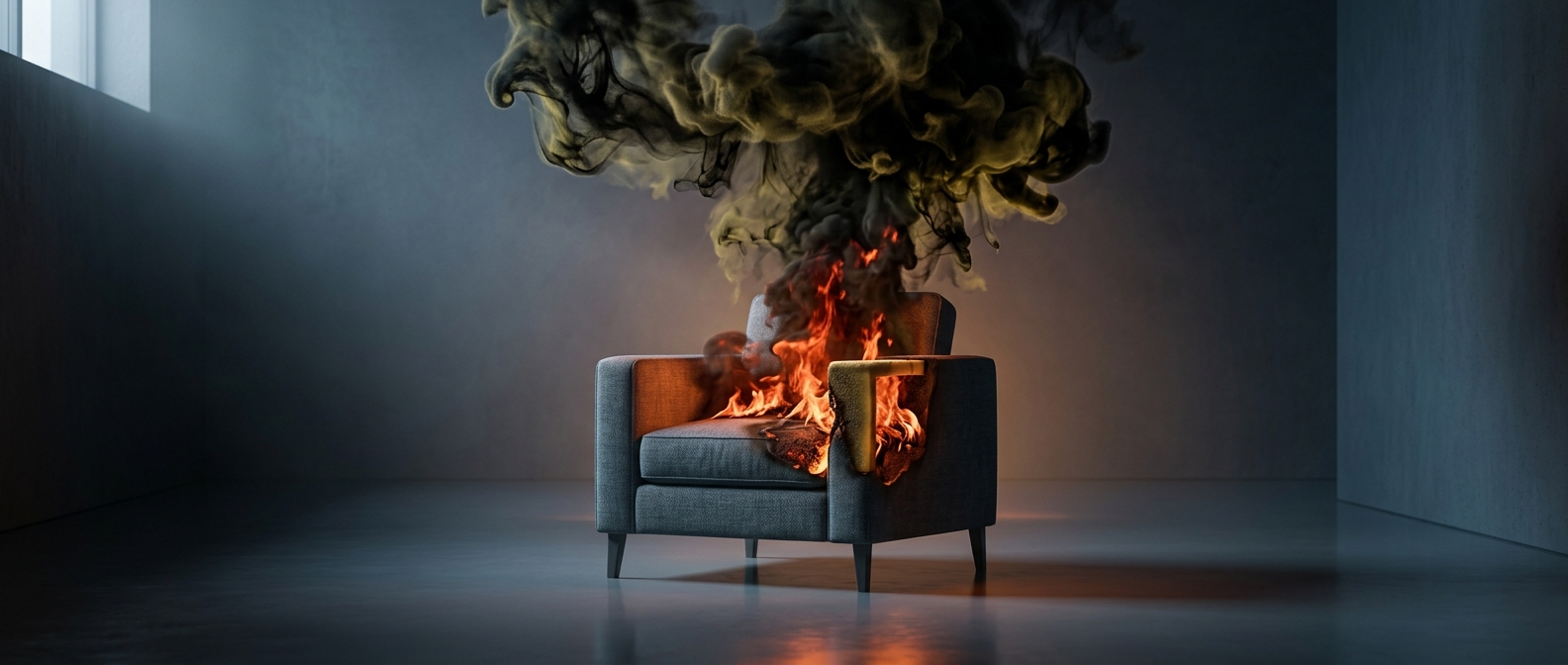
That is not the same as a pool of gasoline suddenly catching fire. The danger is that a large upholstered object can release heat quickly and keep feeding a growing fire, especially when flames reach the foam beneath the cover.
Smoke can become dangerous before flames reach you
Burning upholstery produces a mixture of gases and fine particles. If combustion is incomplete—as it often is in a smoky, oxygen-limited room—carbon monoxide can form. It is dangerous because it interferes with the blood’s ability to carry oxygen, and a person may be exposed before seeing flames nearby. Smoke can also irritate the eyes and lungs and make it harder to see an exit.
A sofa’s neat fabric surface can therefore hide a substantial fuel load. In a fire, the critical risk is not just that the furniture burns, but that heat and smoke can build while the fire spreads through material that was designed to be soft, light, and comfortable.