Why Styrofoam shrinks in acetone
Styrofoam is expanded polystyrene: a rigid-looking network of thin plastic walls surrounding many tiny pockets of air. Its bulk comes mostly from those pockets, while the plastic forms a lightweight scaffold that keeps them in place.
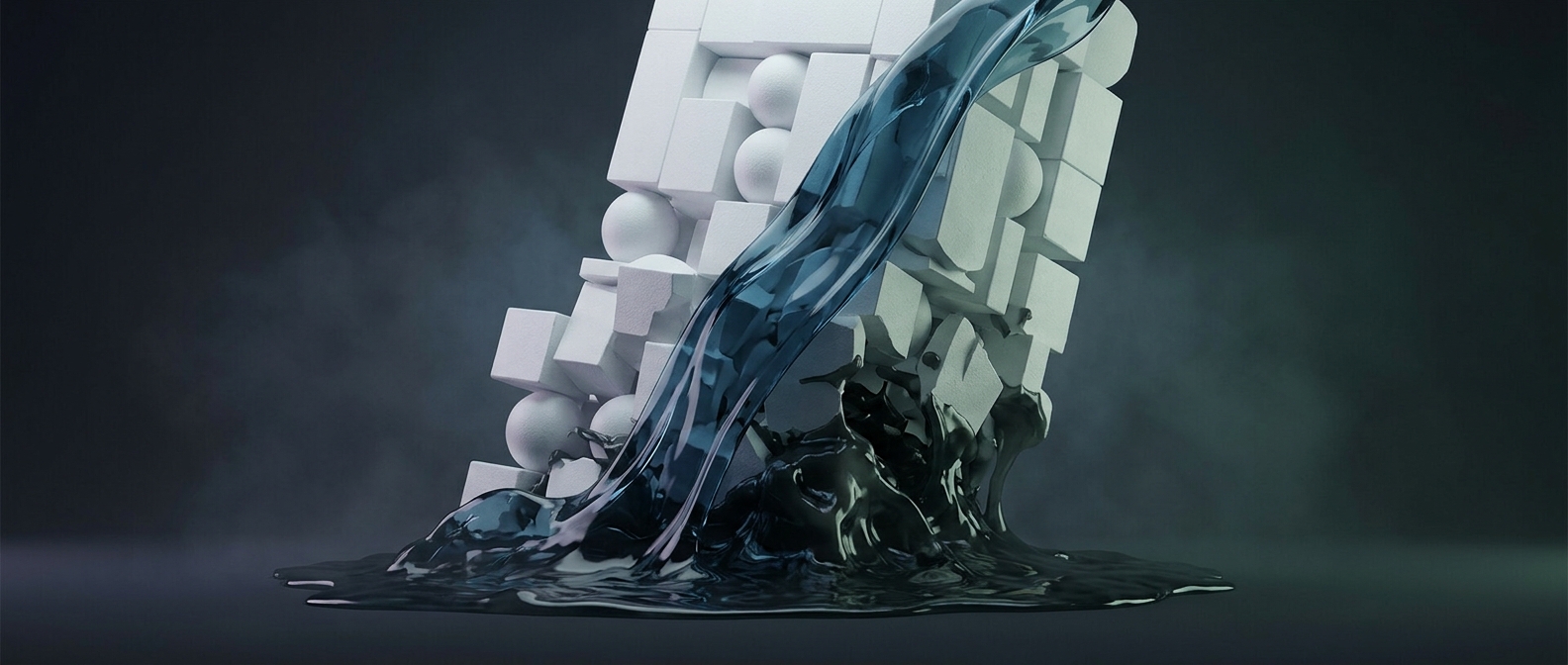
Acetone can mix with polystyrene and soften it. When the liquid reaches the foam, it attacks the thin walls between the air pockets. The scaffold loses its structure, and the trapped air escapes, so the bulky foam slumps into a much smaller lump.
The plastic is still there
The collapse can look like the foam has vanished, but it has not been destroyed. Much of the visible volume was air, not plastic. Once the foam’s structure gives way, the polystyrene remains in the acetone as a softened, concentrated mass. As the acetone evaporates, the plastic can be left behind.
That is why this is different from melting. Heat melts a material by raising its temperature until it changes state; acetone collapses the foam by disrupting the plastic structure that holds its shape. The striking change in size is a reminder that a large object can be mostly empty space, supported by a surprisingly small amount of material.