Science
Discover facts about science. Small discoveries that change the way you see familiar things.
Science

Palindromes read identically in forward and reverse sequence
A palindrome stays the same when its letters are read in reverse. In “racecar,” the outside letters match, then the next pair, all the way to the middle;…
Discover more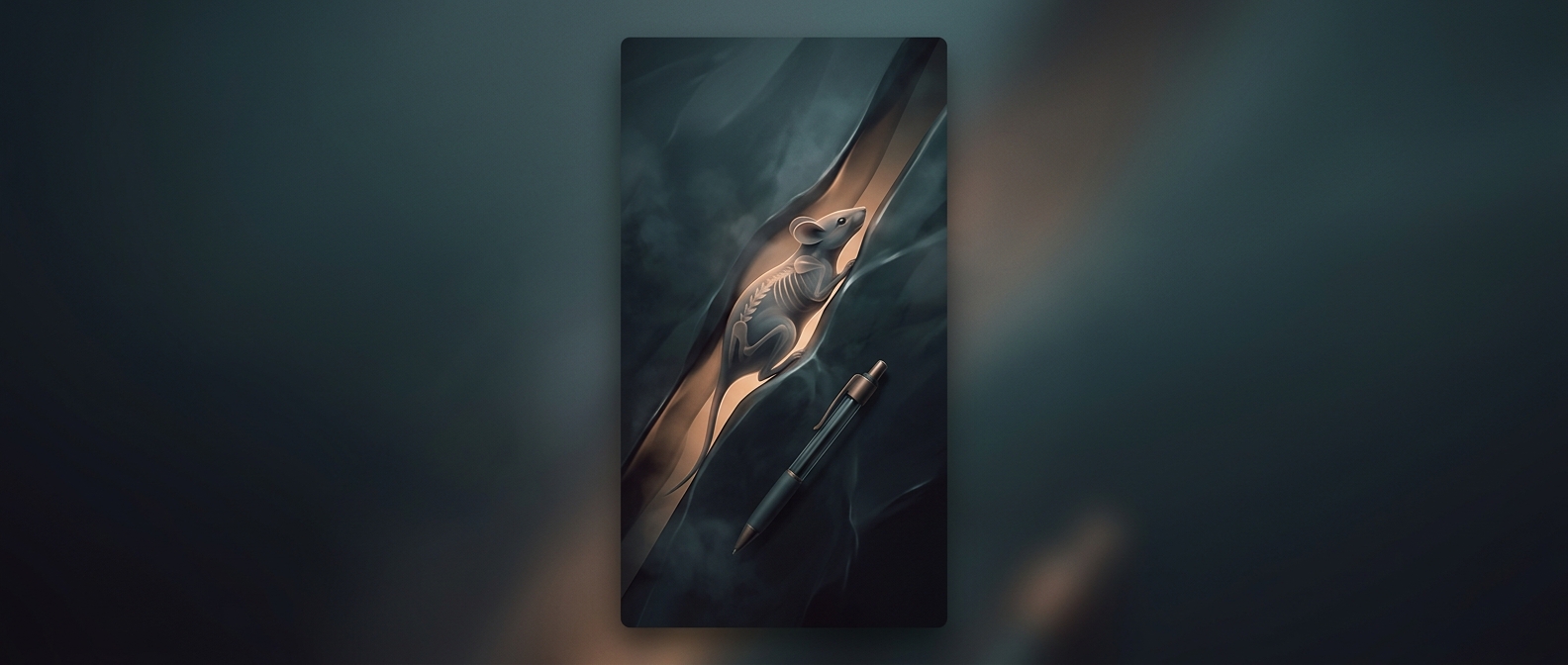
A mouse can squeeze through a tiny hole
A mouse’s head sets the size limit: if its skull fits through a gap, the rest may follow. Its ribs and shoulder area can compress enough to squeeze through…
Discover more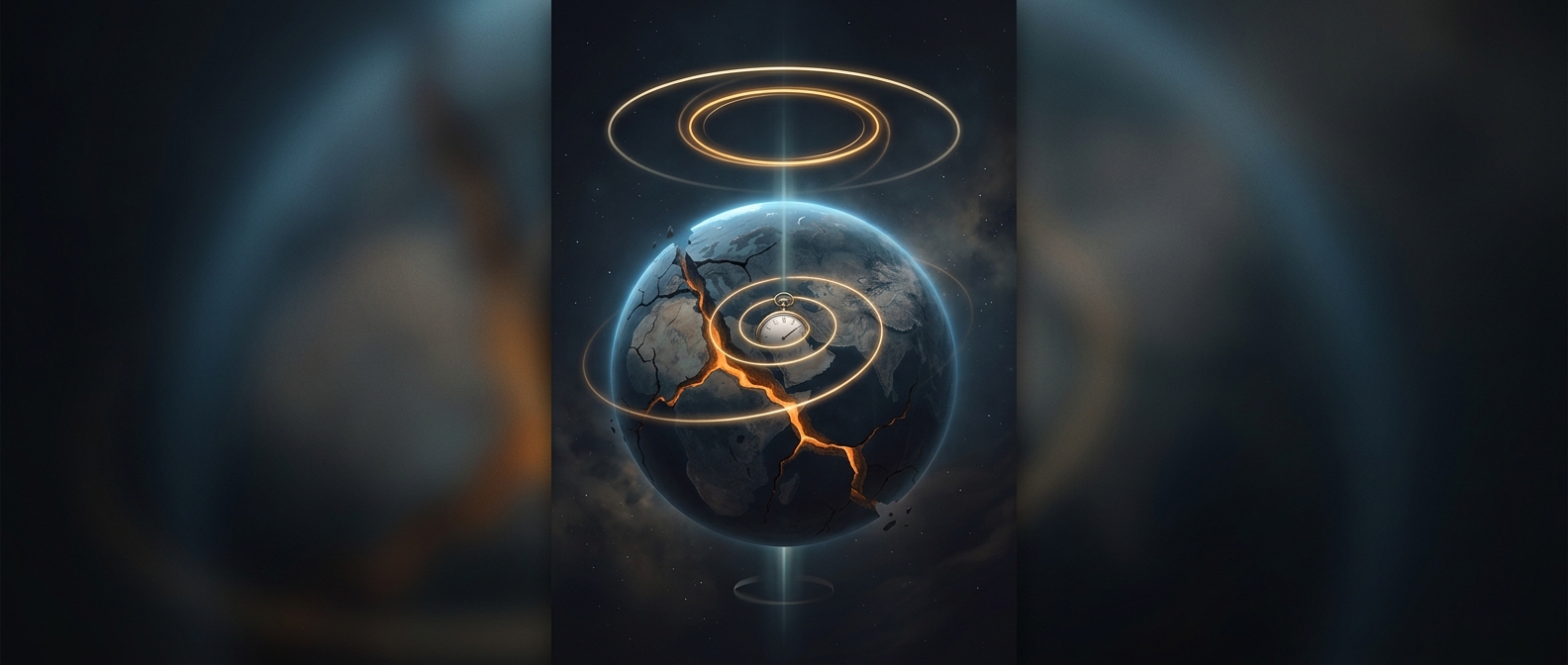
Japan's 2011 earthquake may have shortened the day by microseconds
A NASA calculation estimated a change of about 1.8 microseconds after the earthquake redistributed Earth's mass. Moving mass closer to the rotation axis can…
Discover more
Tardigrades can survive space—but not garden snails
A tardigrade survives many extremes by drying out and curling into a dormant state, like a tiny animal pressing pause. But that pause is not armor for every…
Discover more
Paper can store energy
Paper can help store energy in an engineered device, but the sheet itself isn’t a hidden battery. Its cellulose fibers make a light, bendable framework for…
Discover more
Bread once served as an eraser
A lump of soft bread can pick up loose graphite particles from paper. Before rubber erasers became common, the crumb could do the work of lifting away a…
Discover more STACKY FOR IPHONE
A bigger world.
One discovery
at a time.
Keep discovering with Stacky. Interesting facts in an app that is always within reach.
Why e-readers barely use power while you read
The page stays visible because microscopic black and white particles remain in place after an electric charge moves them. Turning the page takes power to…
Discover more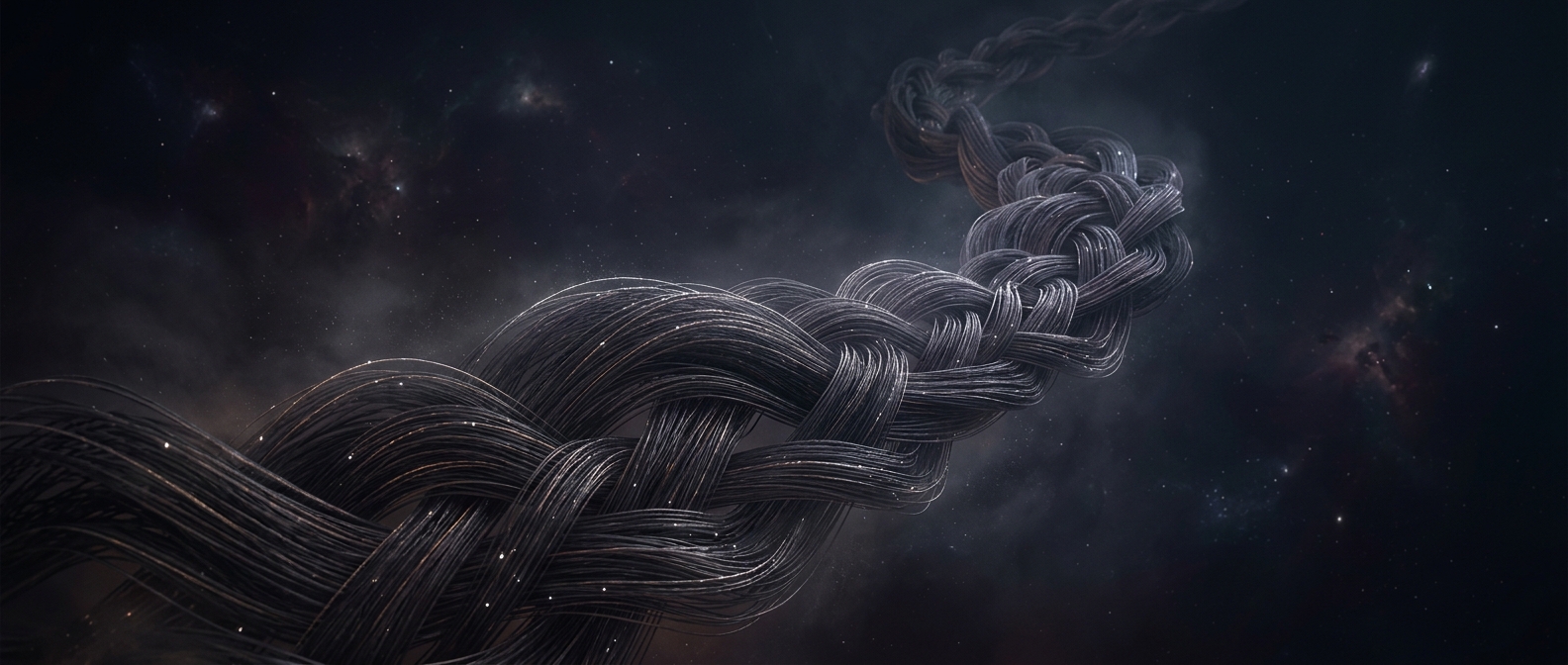
Carbon fiber is composed of interwoven microscopic threads
Carbon fibers are especially good at resisting a pull along their length, but loose strands need help working together. Resin binds the fibers and passes…
Discover more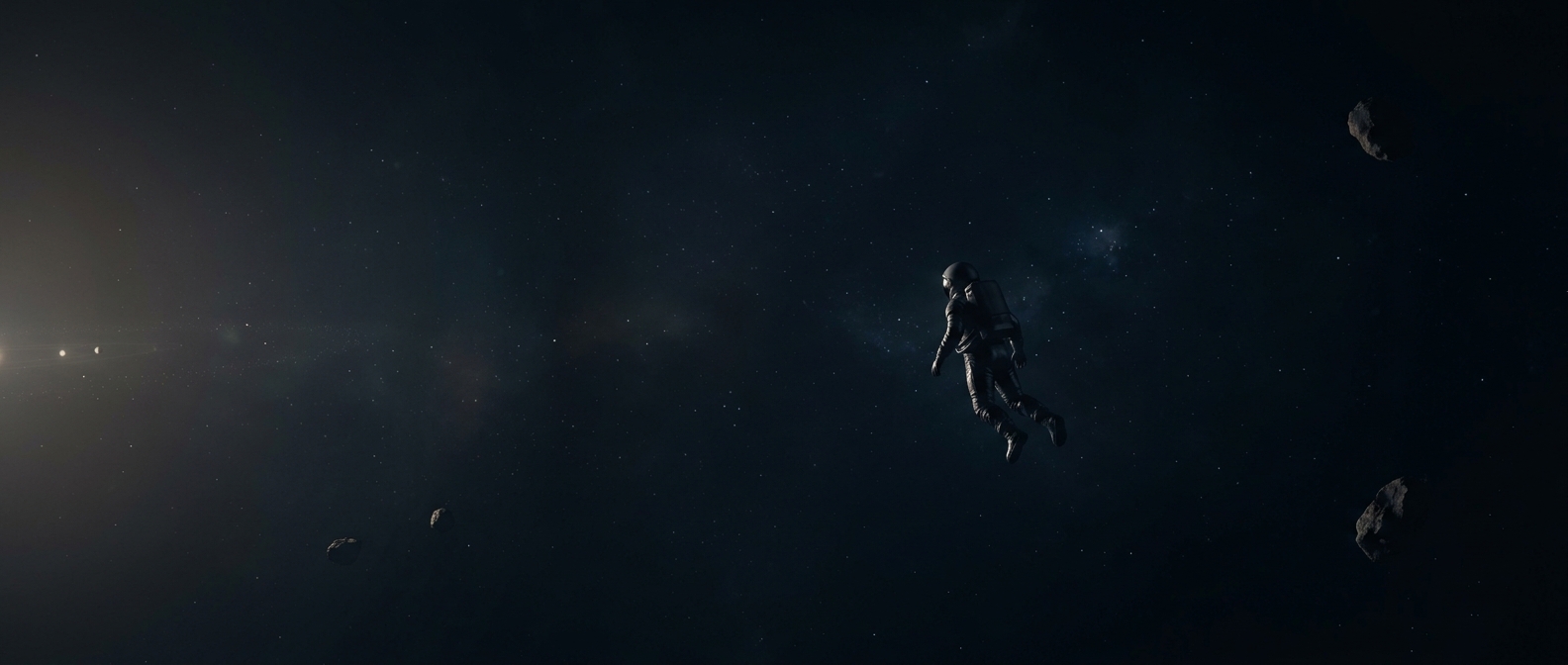
You could fly through the asteroid belt and see nothing
The asteroid belt sounds like a field of rocks, but its asteroids are separated by enormous stretches of space. A spacecraft can cross the region without…
Discover more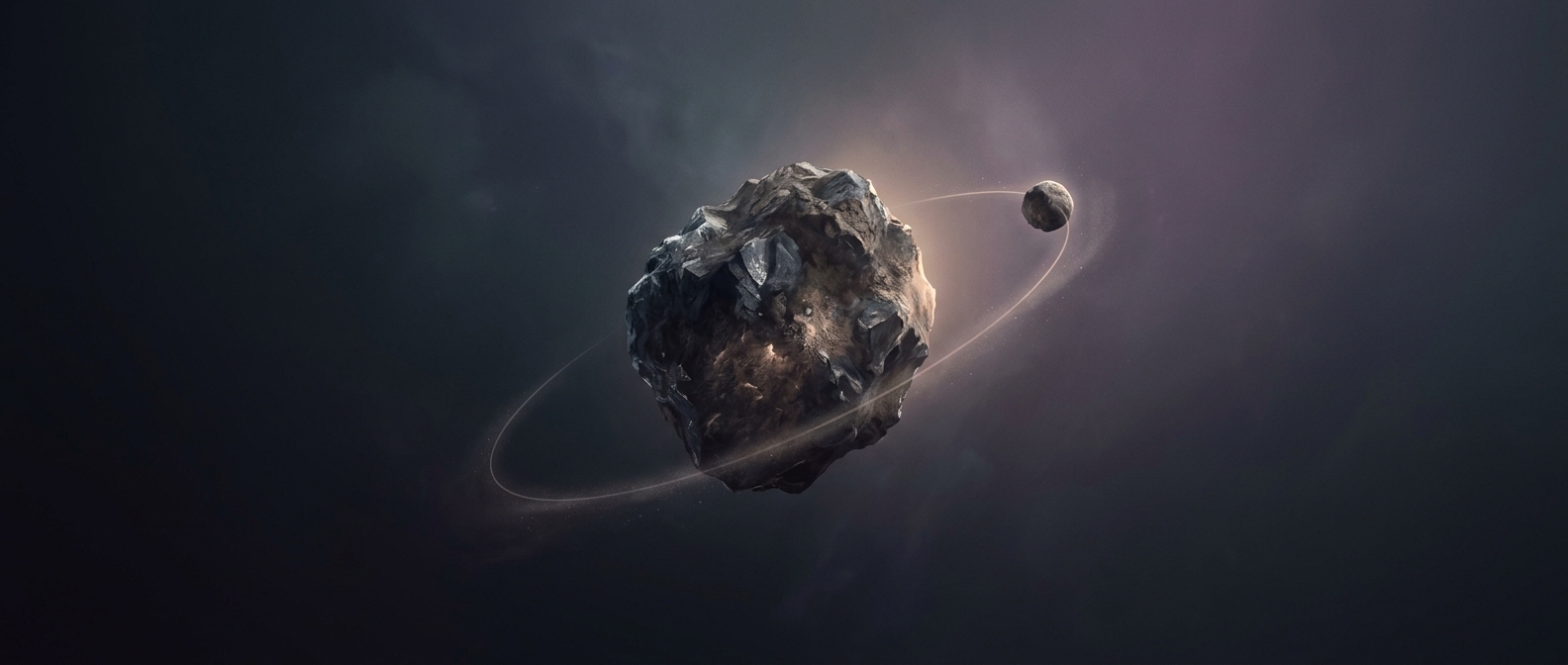
Some asteroids have moons of their own
An asteroid’s gravity is weak, but it can still hold onto a small nearby rock if the rock moves at the right speed. The smaller body then circles the asteroid…
Discover more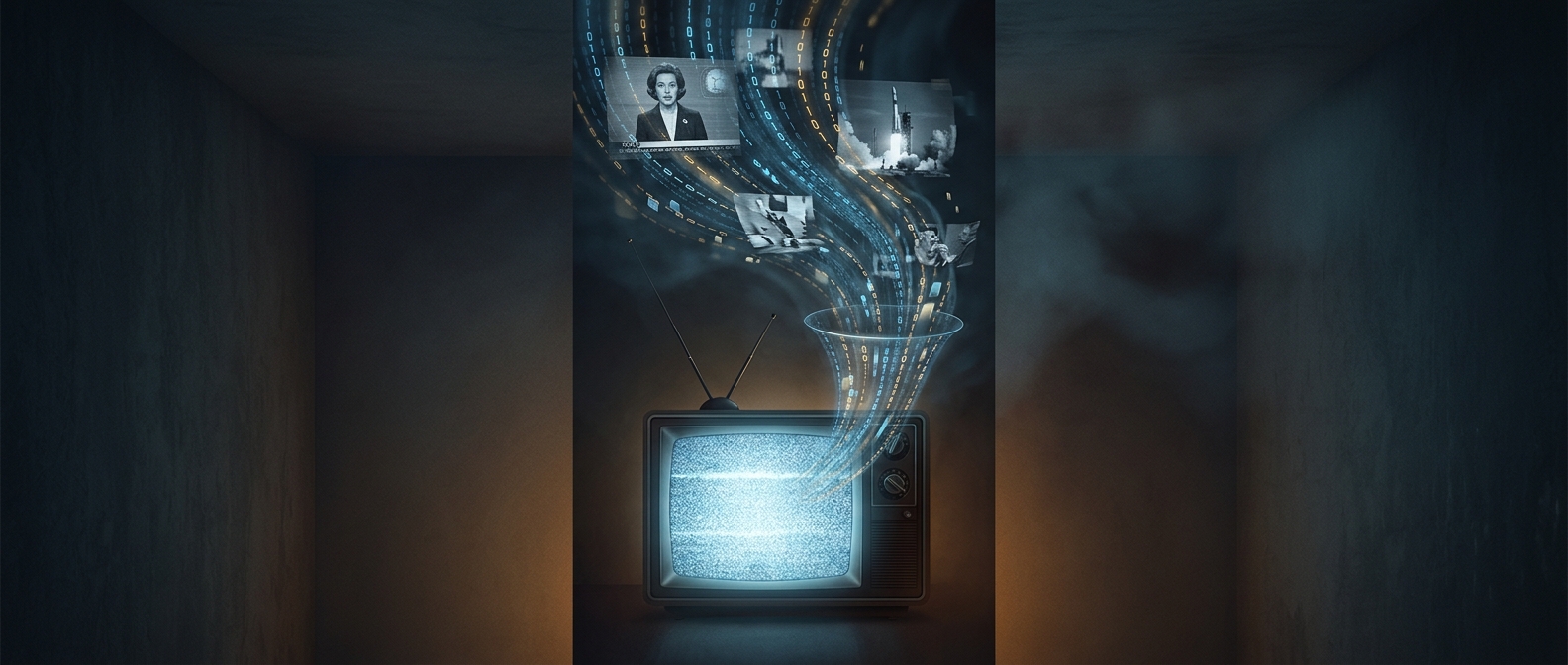
Television broadcasts are merely compressed streams of data
A video file saves space by describing many changes between images instead of listing every pixel in every frame. When details are lost or damaged, the player…
Discover more
Sputnik's beeps could report trouble inside the satellite
Its radio signals included information linked to internal temperature and pressure, not just an announcement that it was overhead. Ground listeners could…
Discover more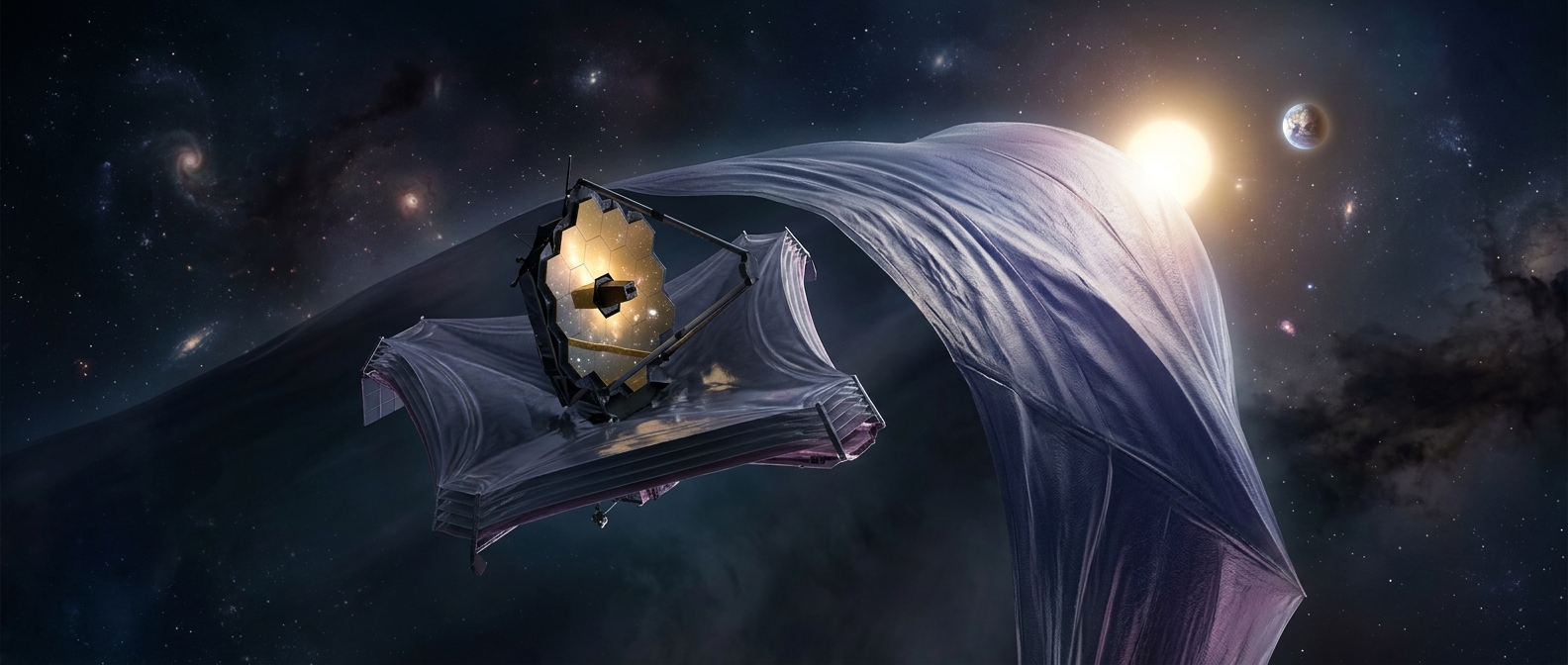
James Webb needs a five-layer sunshield
The sunshield works less like one thick wall and more like five reflective screens with space between them. Each layer bounces away some sunlight, and the…
Discover more
Styrofoam is mostly trapped air
Steam puffs tiny polystyrene beads into a much larger foam, leaving air trapped between the plastic. That makes Styrofoam light and useful for cushioning—but…
Discover more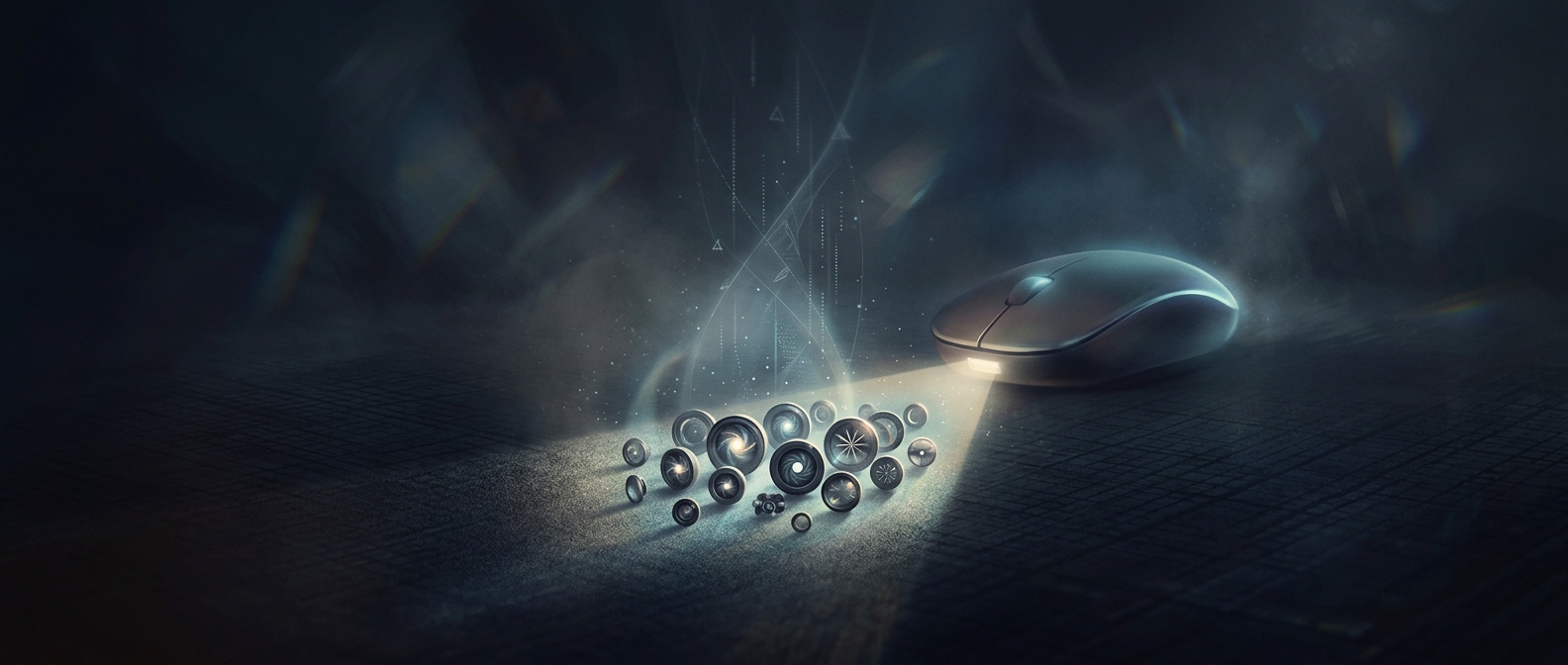
Your computer mouse takes thousands of tiny pictures
An optical mouse repeatedly photographs the surface beneath it and compares each image with the next. When the pattern shifts, the mouse calculates how far…
Discover more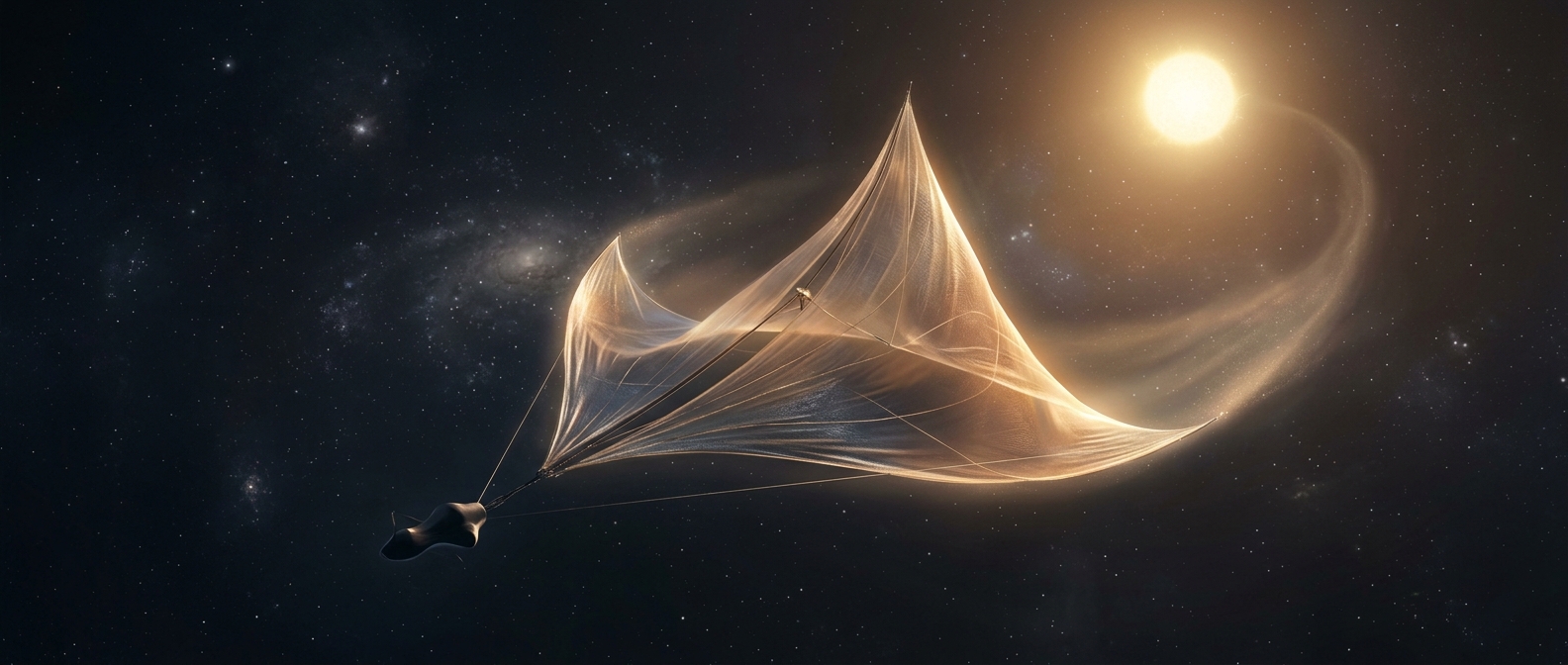
Spacecraft can sail on sunlight
A solar sail moves because sunlight carries momentum. Photons bouncing off the broad sail give it tiny pushes; one nudge is small, but sunlight keeps…
Discover more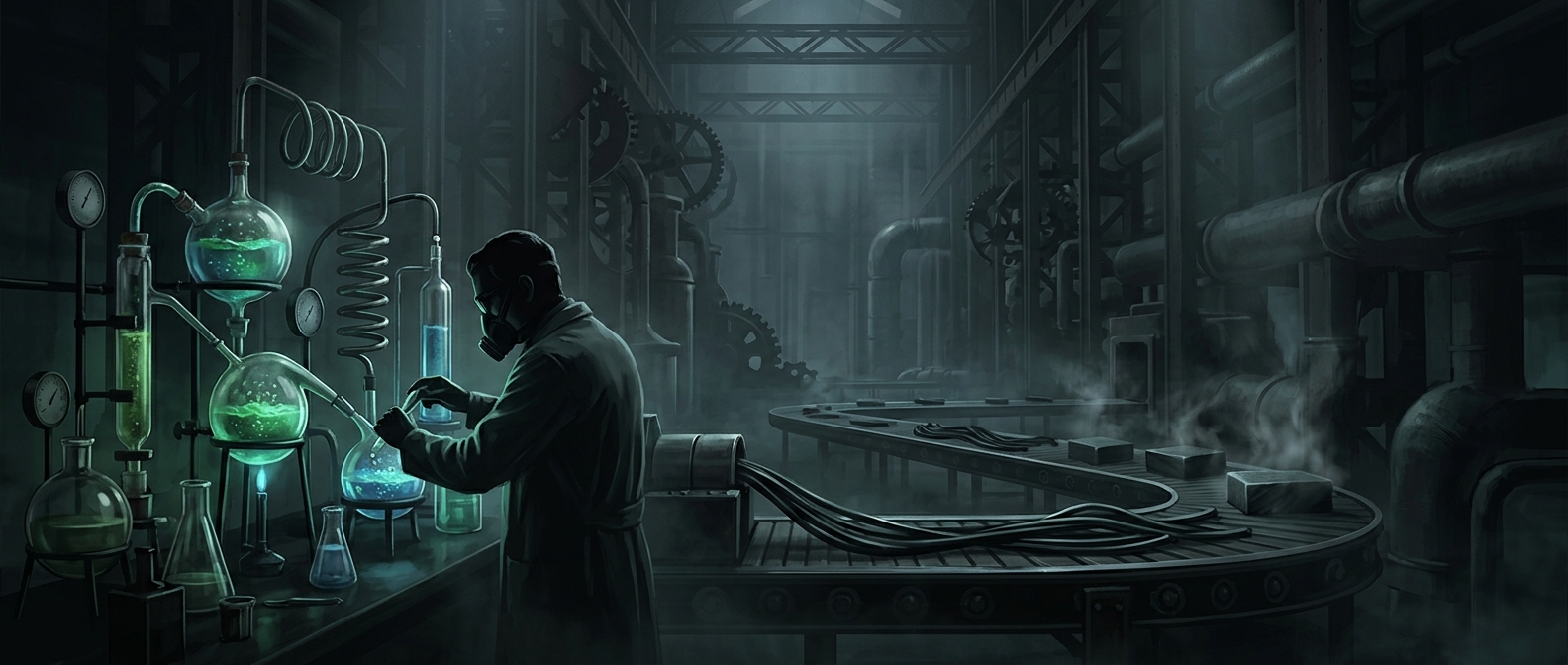
War shortages gave us synthetic rubber
A shortage can turn a laboratory alternative into a material made at scale. Wartime shortages accelerated synthetic rubber’s development and production, while…
Discover more
Why your gym clothes can stretch and snap back
Stretchy workout fabric gets its spring from elastane: its long molecules are coiled like tiny springs. Pull the cloth and the coils unspool; let go and they…
Discover more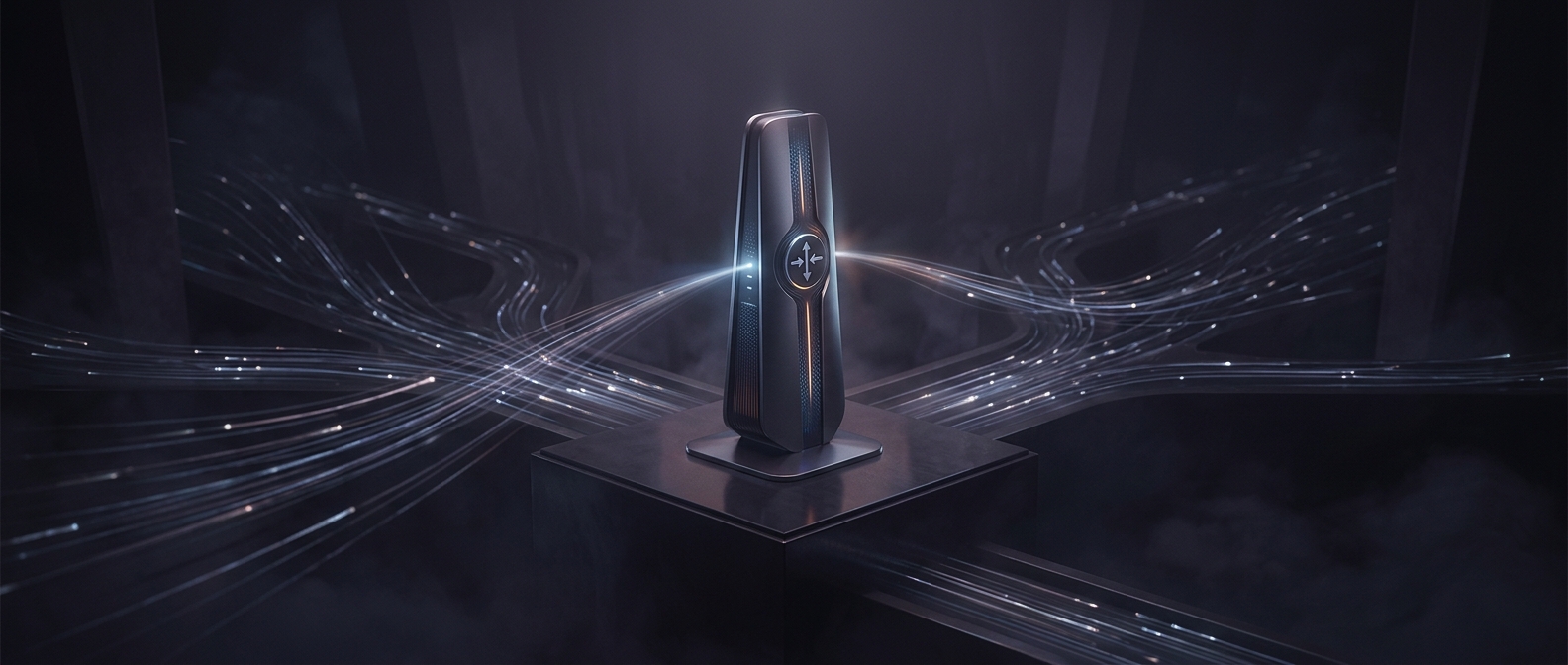
Internet routers act as digital traffic cops for data
A router checks where each data packet is headed and forwards it toward the right network. A message may be split into packets that pass through several…
Discover more
Passwords existed long before computers
An ancient guard could challenge an approaching soldier to say the day’s secret phrase. Get it right and pass; give yesterday’s answer and you’re stopped at…
Discover more
A firewall was once a wall against fire
A firewall is less a solid wall than a rule-checking gate. It examines network traffic and blocks connections it isn’t meant to allow, much as a fire wall can…
Discover more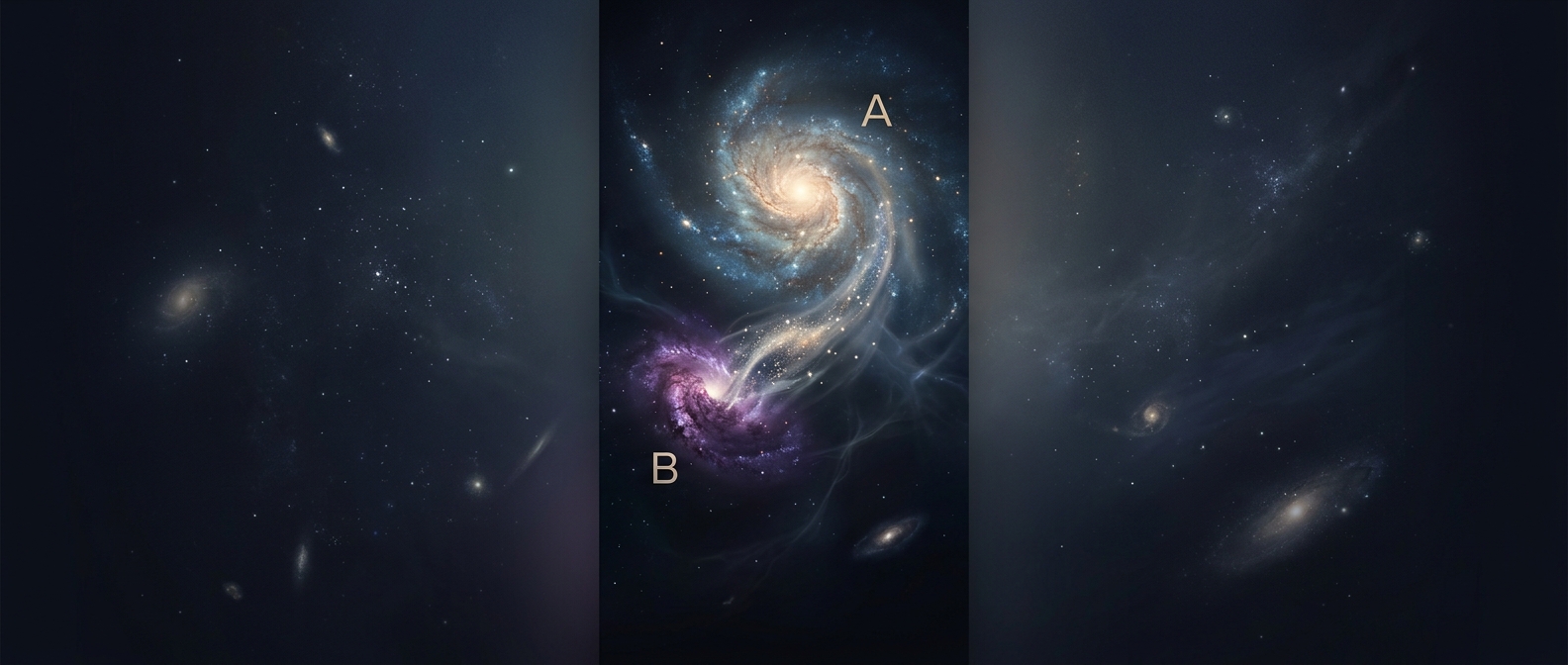
When galaxies collide, stars rarely hit each other
Picture two vast star fields drifting through each other: the stars usually miss because space between them is enormous. Their gas clouds are more likely to…
Discover more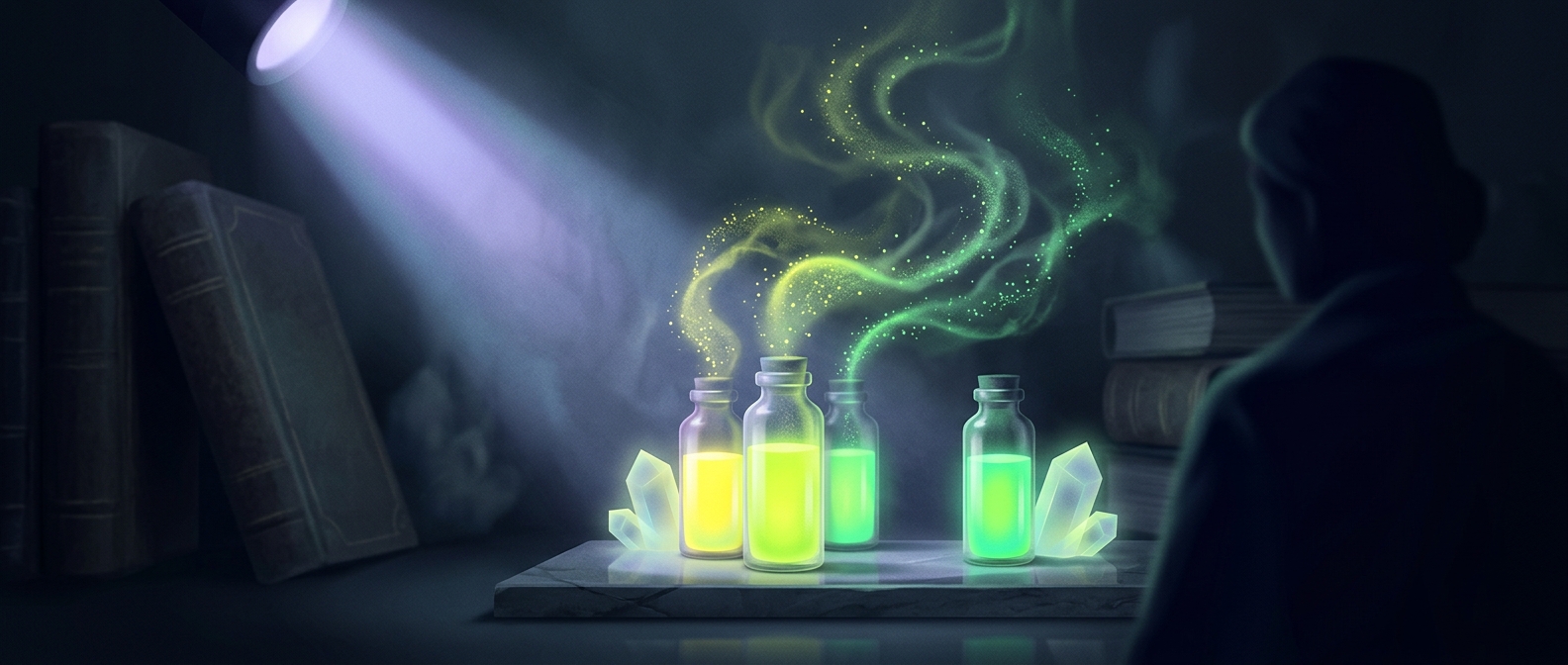
Highlighters rely on specialized fluorescent pigments
Highlighter pigments can absorb ultraviolet light, which our eyes can’t see, and release some of that energy as visible light. That extra glow makes the ink…
Discover more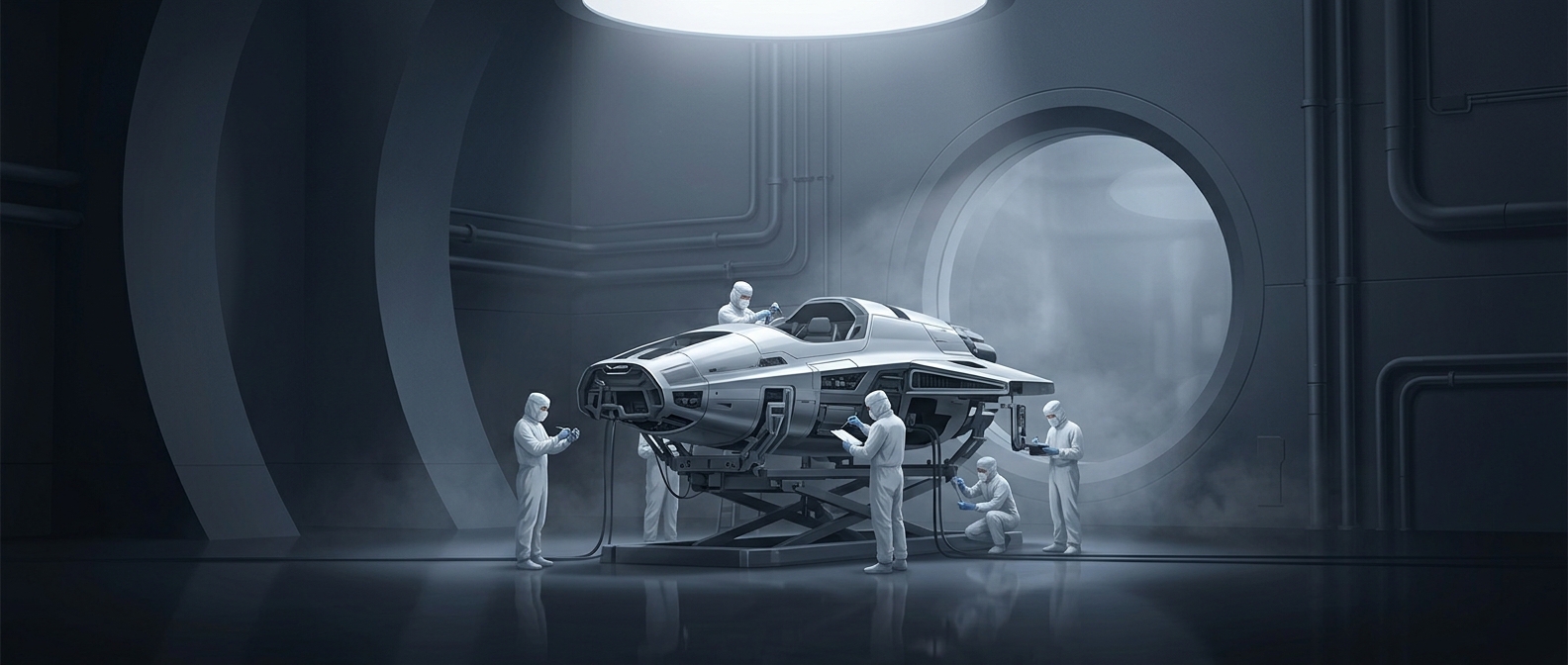
Spacecraft are meticulously assembled in clean rooms
Dust on a lens can scatter light or block it, turning a tiny speck into a big problem for a camera that may be unreachable once the spacecraft is in orbit.…
Discover more