Survival depends on switching states
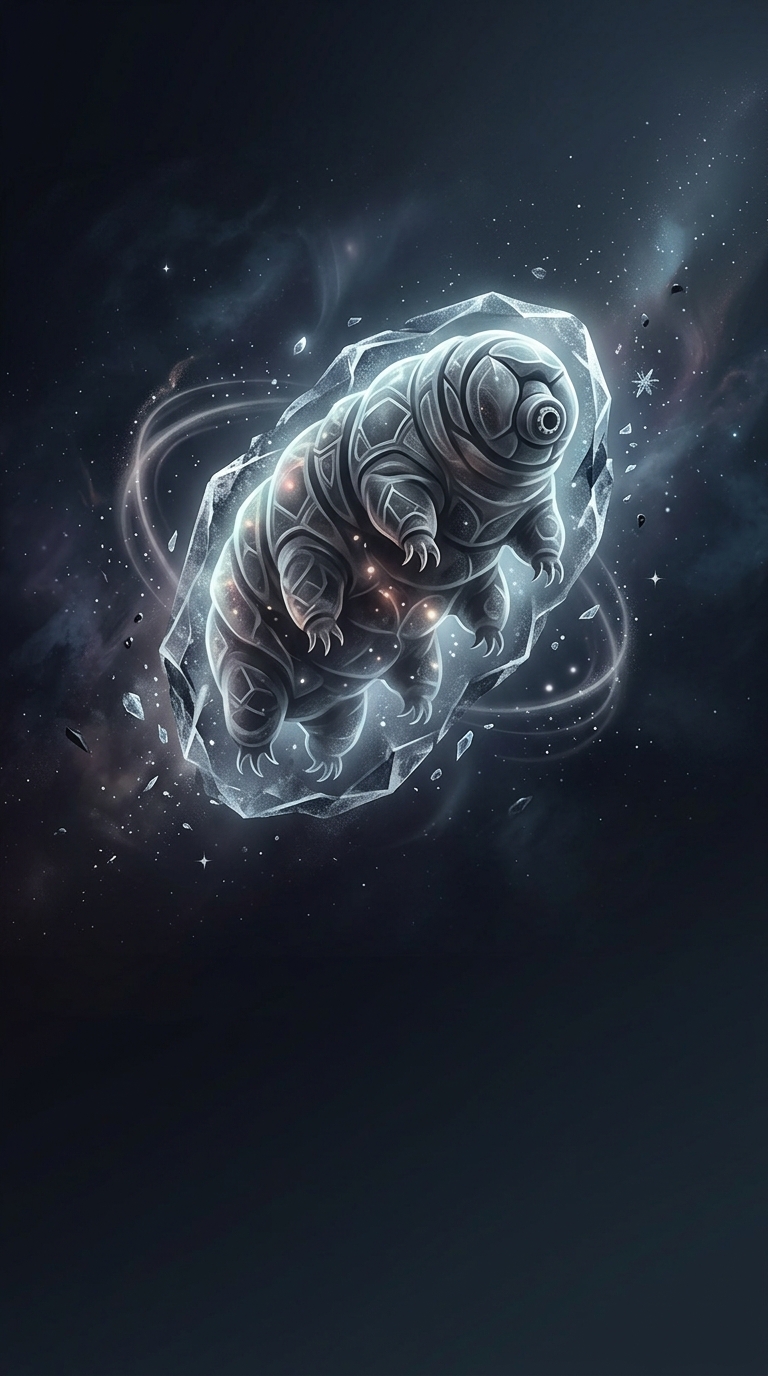
A tardigrade’s headline-grabbing resilience is conditional. When its surroundings dry out, it can draw in its legs and curl into a compact, inactive form called a tun. With almost all its body water gone, its metabolism slows to nearly undetectable levels. That shutdown helps it endure harsh conditions that would overwhelm an active, water-filled animal; when conditions improve, it can rehydrate and resume activity.
This is a survival strategy, not a permanent suit of armor. The animal must reach the dormant state, and it cannot keep functioning normally while it is in it. Space-survival demonstrations likewise depend on the animal being dormant and on the particular exposure. The striking result is not that a tardigrade can live through anything, but that it can wait out some extremes in a state most animals cannot enter.
Back in action, it is still prey
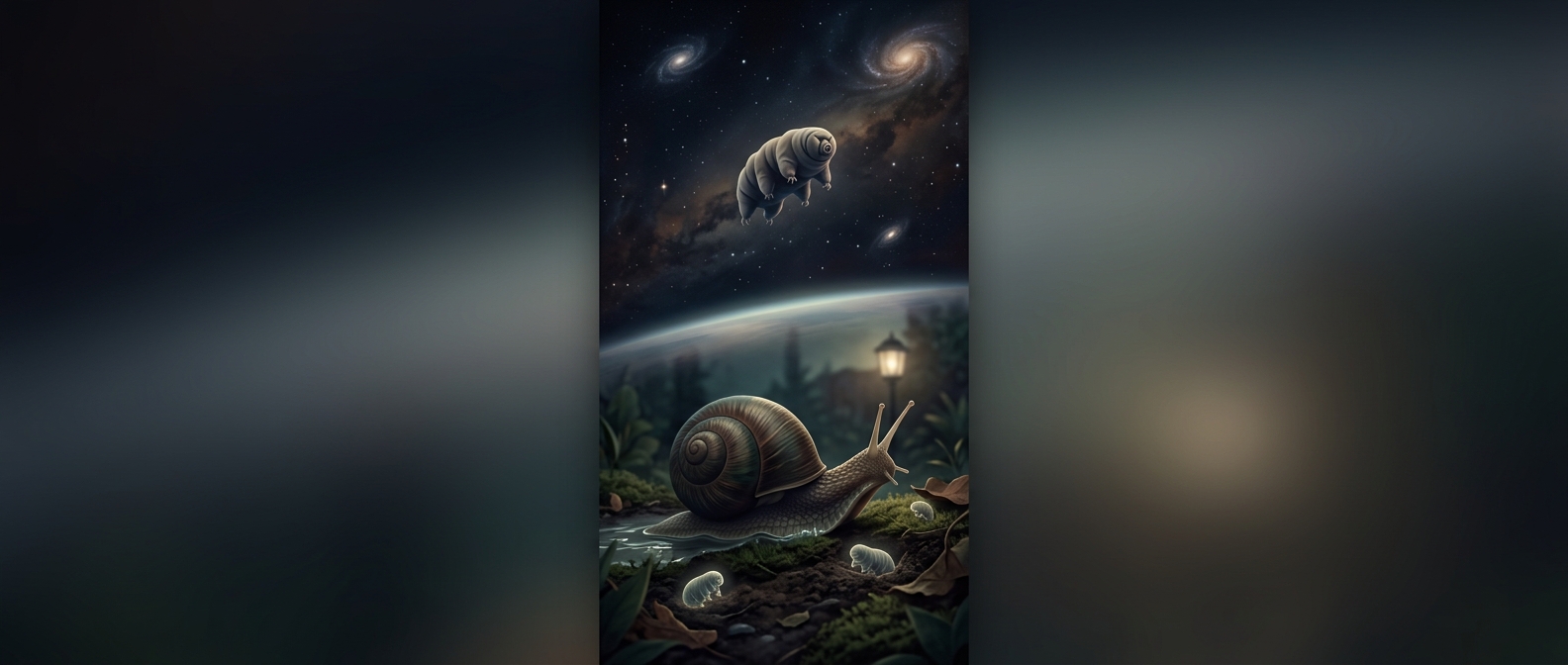
Once hydrated and moving, a tardigrade is a small animal in an ordinary food web. A garden snail can swallow it, and microscopic fungi can infect it. Those threats do not need to defeat the tun’s special protections: they confront the tardigrade as a living, active organism instead.
The contrast is a useful reminder that resilience is always about a specific danger and a specific condition. Drying out can trigger a remarkable pause; it does not protect a tardigrade from being eaten or infected when life starts again.