How a water bear switches life into standby
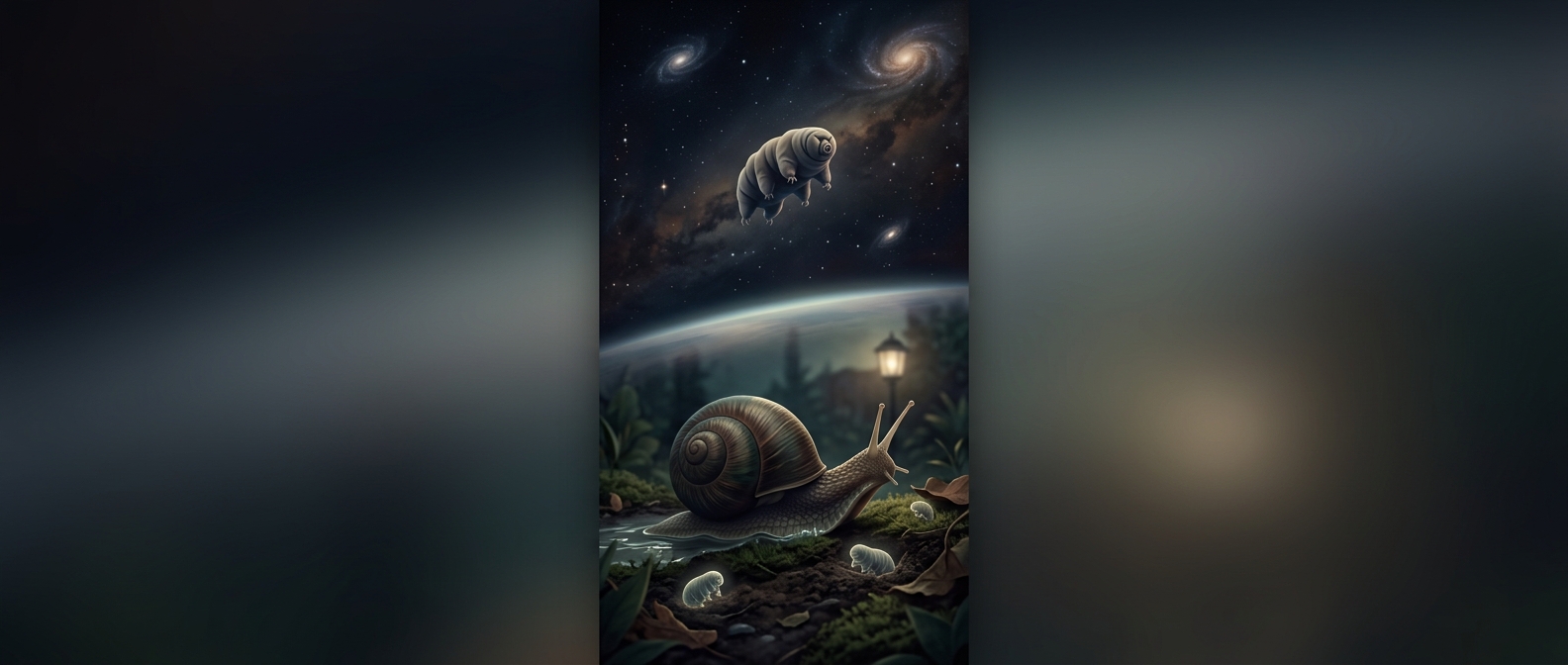
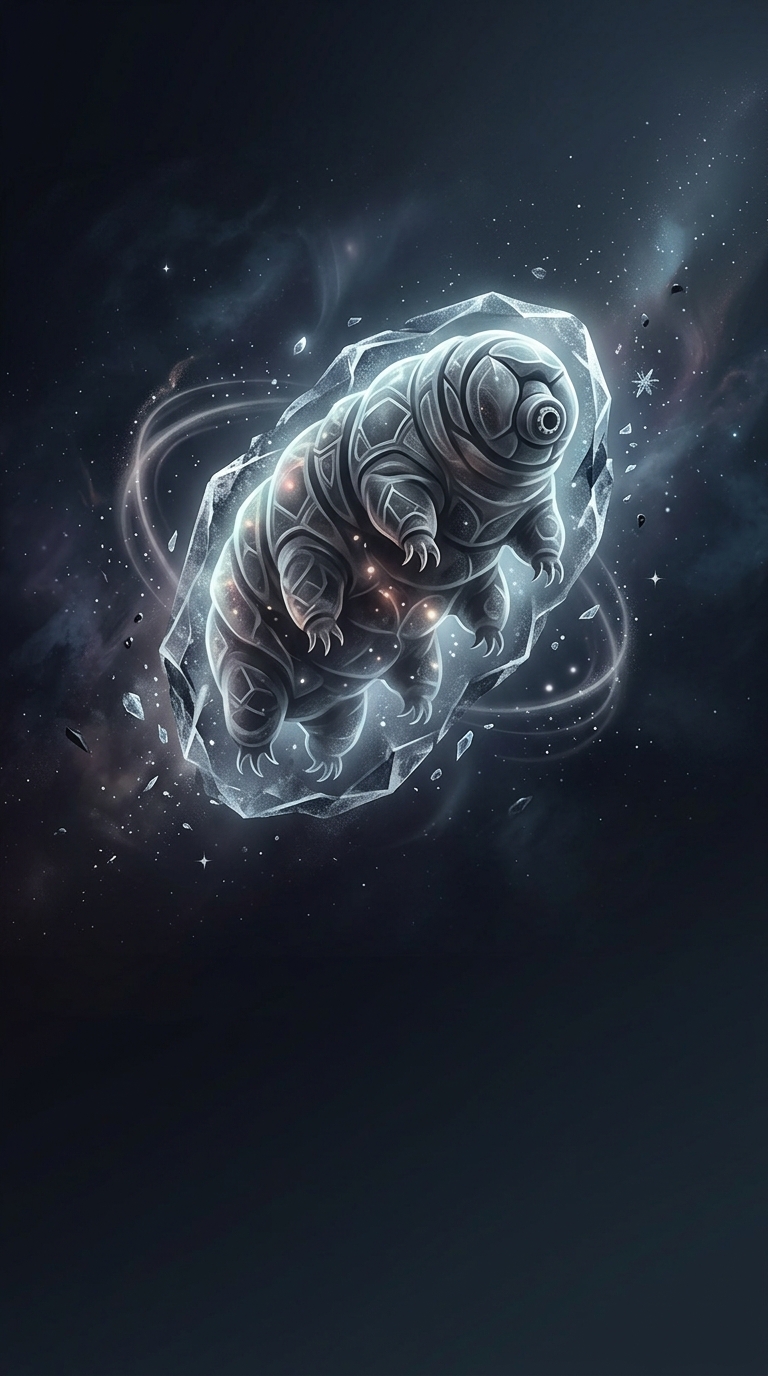
When its surroundings dry out, a tardigrade can draw in its legs and contract into a compact form called a tun. This is not simply sleep: the animal has lost most of its body water, and its metabolism falls to an extremely low level. With so little active chemistry taking place, it can wait out conditions that would quickly damage a hydrated, functioning body.
Drying is also the dangerous part of the process. As water leaves, cell membranes can deform and proteins can lose their working shapes. Tardigrades limit that damage with protective molecules, including specialized proteins that help stabilize cell structures. The exact toolkit varies among species; there is no single universal “armor” responsible for every survival feat.
Survival depends on the state—and the conditions
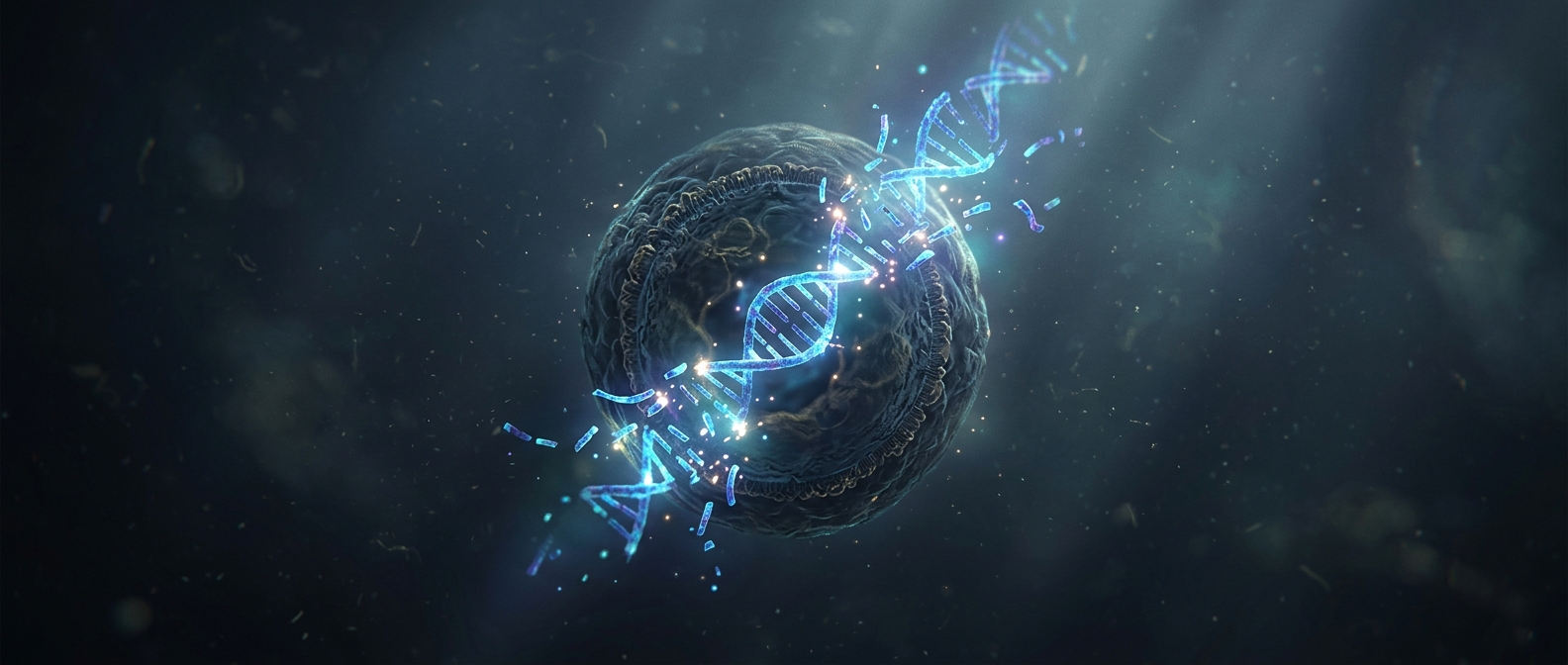
A tun can tolerate stresses such as vacuum or severe cold far better than an active animal can, but cryptobiosis does not make a tardigrade indestructible. The result depends on the species, the stress, and how long it lasts. Radiation, for example, can still damage DNA; surviving exposure does not mean the damage never occurred.
When water becomes available again, the tardigrade gradually rehydrates, its tissues resume normal activity, and it can move and feed. That return is the payoff for shutting down—but it also marks the end of its unusual protection. The remarkable trick is not living normally through extremes; it is becoming inactive enough to endure them, then restarting when conditions improve.