Why the asteroid belt is mostly empty
The main asteroid belt occupies a broad region between Mars and Jupiter, but it is not a ring-shaped wall of debris. Its members orbit the Sun on separate paths, spread across an enormous volume. Even the larger asteroids are small compared with the distances between their orbits; most objects are much smaller still.
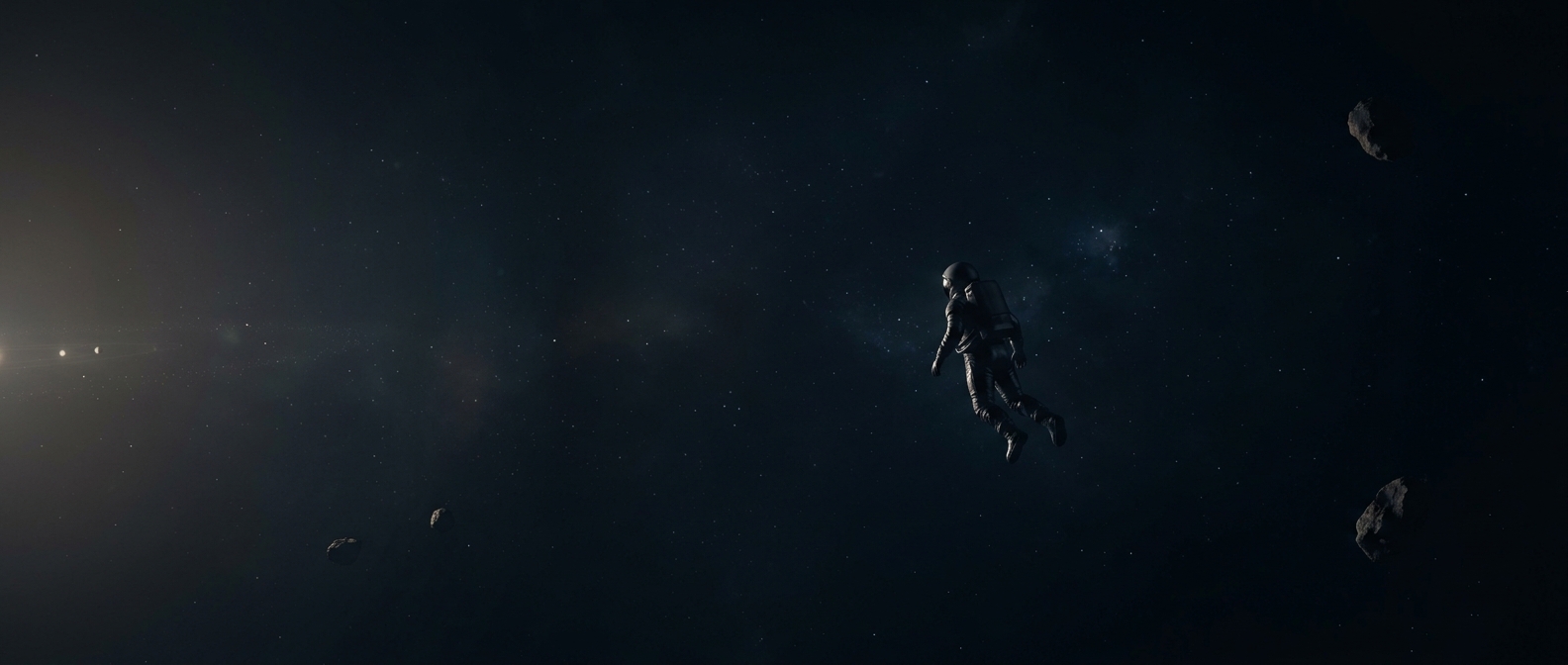
That spacing changes what “crossing the belt” means. A spacecraft travels through the region, not through a packed field of rocks. The odds of encountering an asteroid by chance are low, and a probe generally does not need to dodge boulders as it goes. Mission planners still track known objects and consider collision risk, but the belt is not a dense obstacle course.
Why pictures make it look crowded
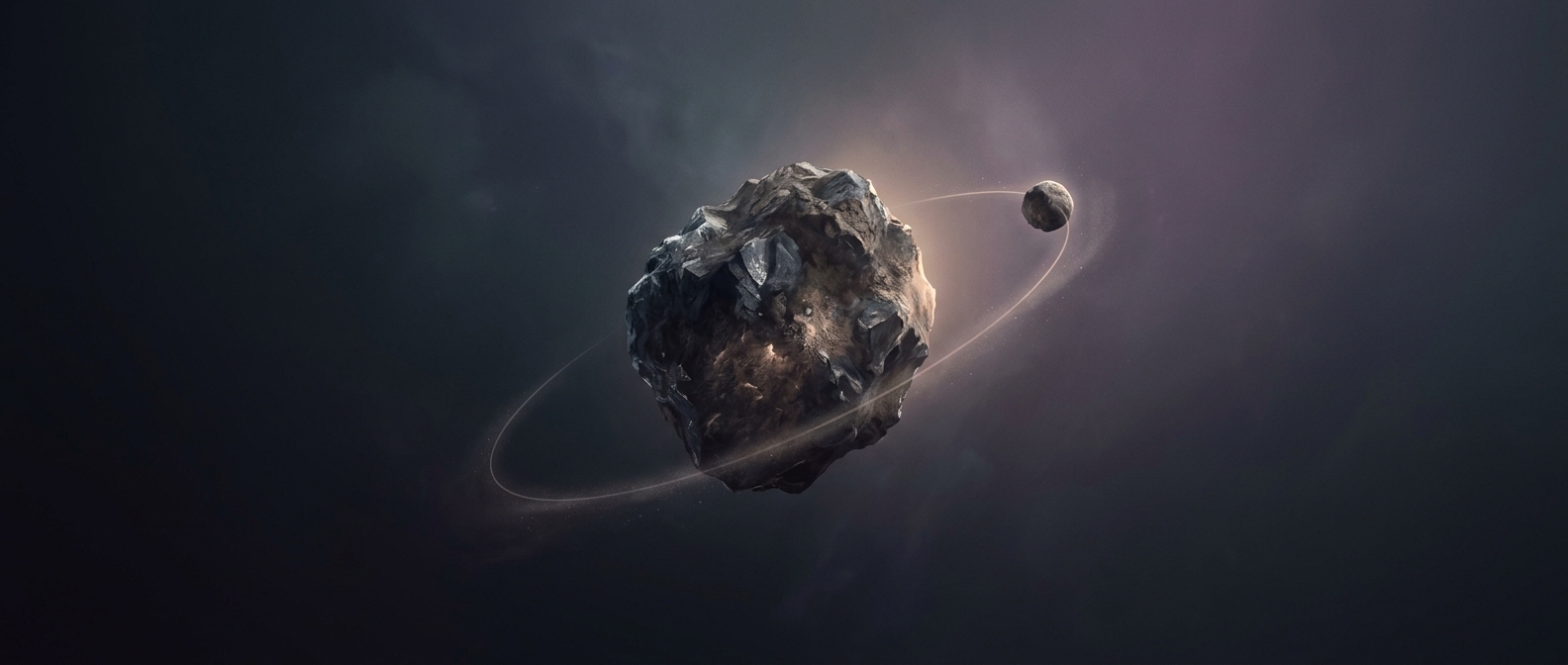
Illustrations often place asteroids close together so viewers can recognize the belt at a glance. In a realistic view, the objects would be too far apart—and many too small—to form a dramatic field around a spacecraft. The belt is easier to understand as a vast orbital neighborhood than as a pile of rocks.
Its name describes where the asteroids are concentrated, not how tightly they are packed. A spacecraft can pass through that neighborhood with nothing visible nearby, even though it is traveling among millions of orbiting objects.