Why Soft Bread Could Erase Pencil
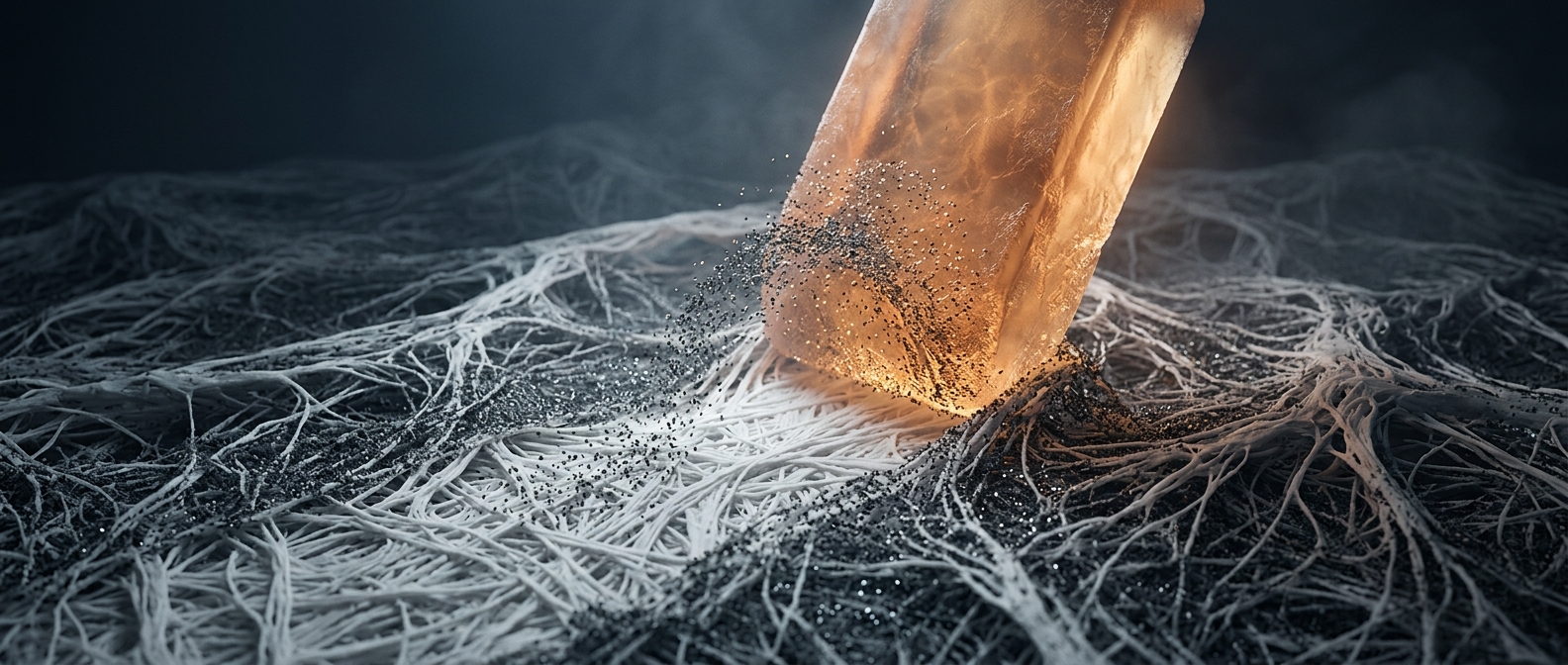
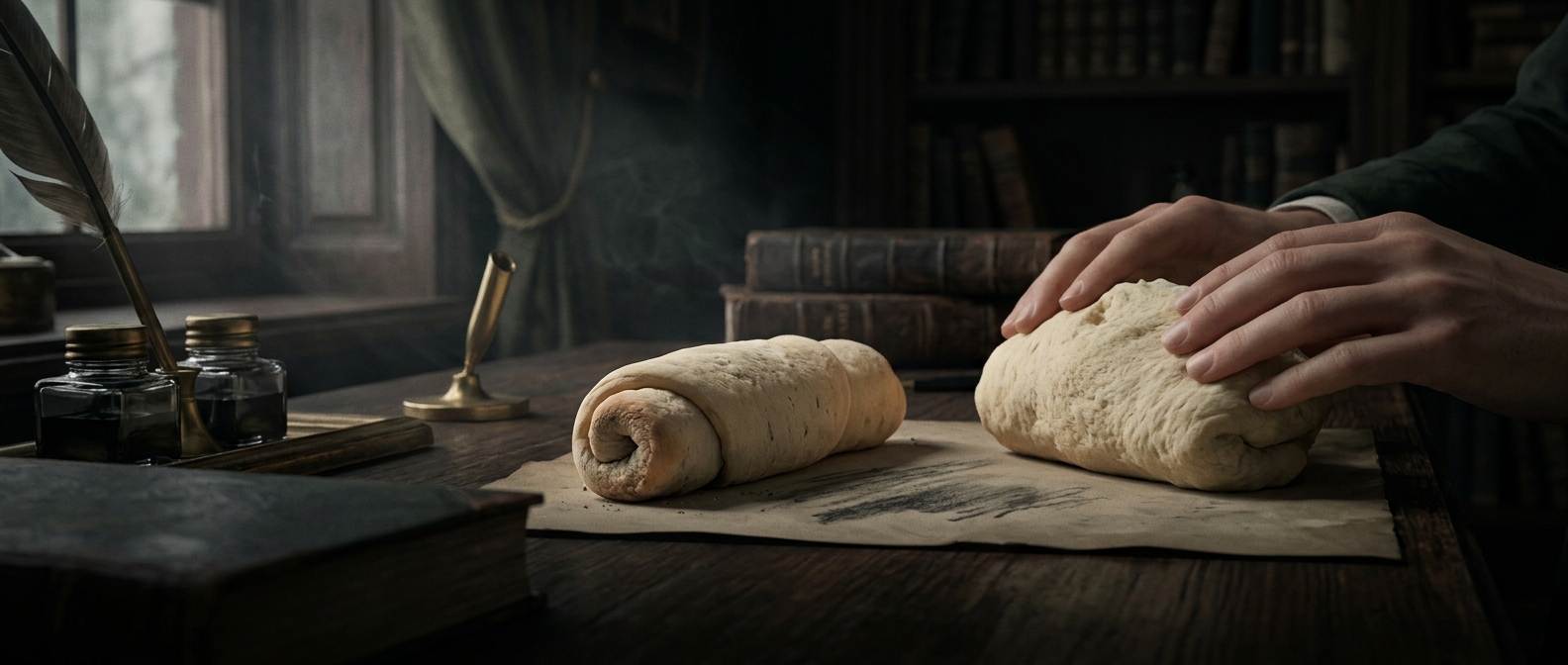
A pencil mark is not ink soaking into paper. The pencil leaves tiny flakes of graphite—a soft form of carbon—on and between the paper’s surface fibers. Rub a soft piece of bread over the mark, and its crumb picks up some of those loose flakes. The graphite transfers to the bread instead of remaining on the page, making the mark lighter.
The bread worked best while it was fresh and pliable. A hard crust or dried-out crumb was less able to gather the particles, and pressing too firmly could rough up the paper rather than cleanly lift the mark.
From Crumb to Rubber
Bread was a handy household substitute, but it was messy and perishable: the graphite-darkened crumb had to be discarded, and leftover bread could go stale or attract pests. Rubber erasers offered a more durable tool. As they rub against graphite, they loosen it from the paper; the resulting eraser crumbs carry the graphite away.
The key change was not that bread somehow dissolved pencil marks. Both bread and an eraser worked by lifting graphite off the paper and carrying it away—one with a soft, temporary crumb, the other with a purpose-made material that could live in a desk.