How a spoken phrase became proof of identity
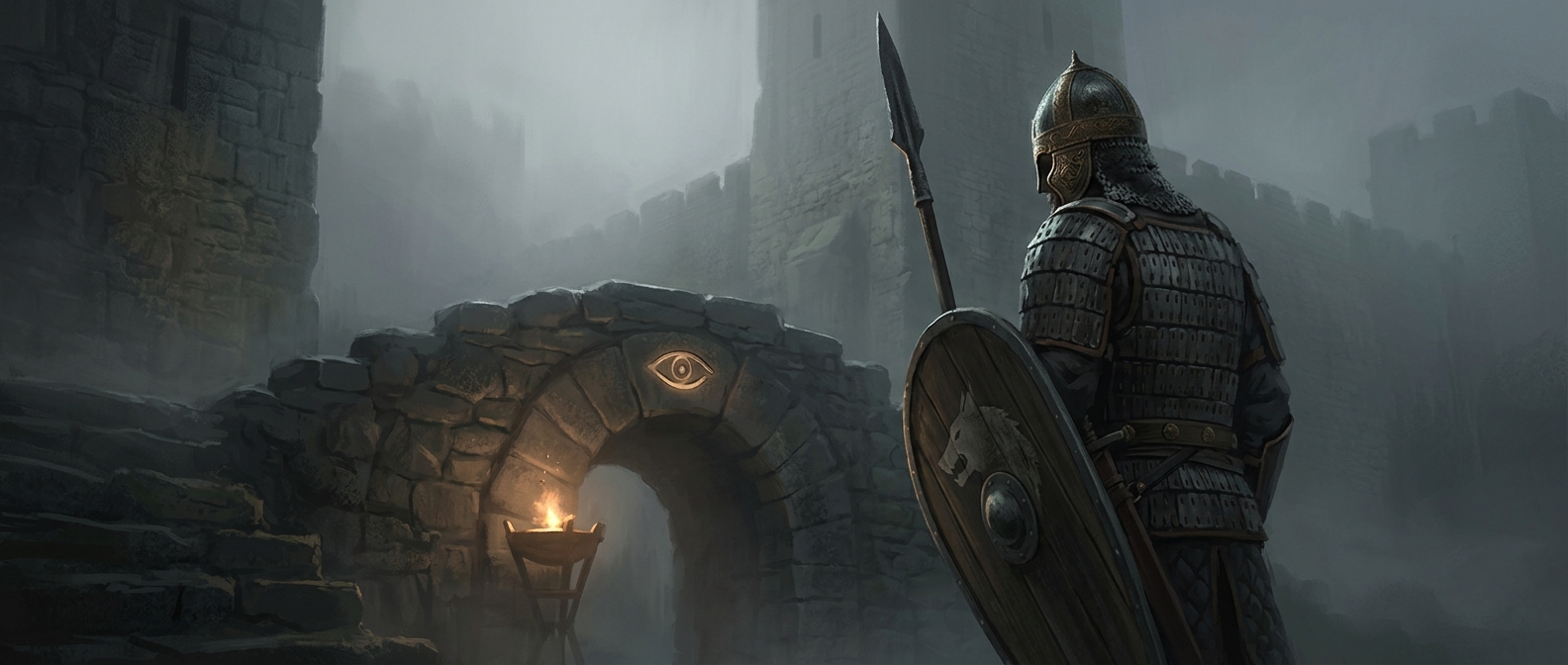
A password works only when two sides share a secret: one asks for it, and the other knows the correct answer. Long before computers, guards could use a spoken phrase this way at a checkpoint. The guard did not need to recognize every soldier personally; knowing the current answer was evidence that the traveler belonged on the friendly side.
This was a simple form of authentication—checking a claimed identity or permission by testing something the person knows. It was especially useful in darkness, confusion, or unfamiliar territory, when faces and uniforms might be hard to distinguish.
Why change the answer every day?
A secret that stays the same can spread. Someone might overhear it, capture a soldier, or pass it to the other side. Changing the phrase regularly limited how long a leaked answer remained useful. A daily reset also gave guards and soldiers a clear boundary: yesterday’s correct response was now a warning sign, not a pass.
That system depended on coordination. The people on duty had to learn the new phrase, and the soldiers who needed to pass had to receive it securely. If the information did not reach someone, the checkpoint could mistake a friendly soldier for an intruder. The safeguard against stolen secrets therefore created a practical risk of confusion.
The same tradeoff survives in digital form
Modern passwords replace spoken words with characters, but the basic test is unchanged: can the person provide a secret that is supposed to be theirs? Computers make it possible to check that answer across great distances, while also creating new ways for secrets to be guessed, copied, or stolen.
The old checkpoint makes the core problem easy to see: a password can open a gate only if the right people know it—and if the guard can tell when it is no longer safe to trust.