Science
Discover facts about science. Small discoveries that change the way you see familiar things.
Science
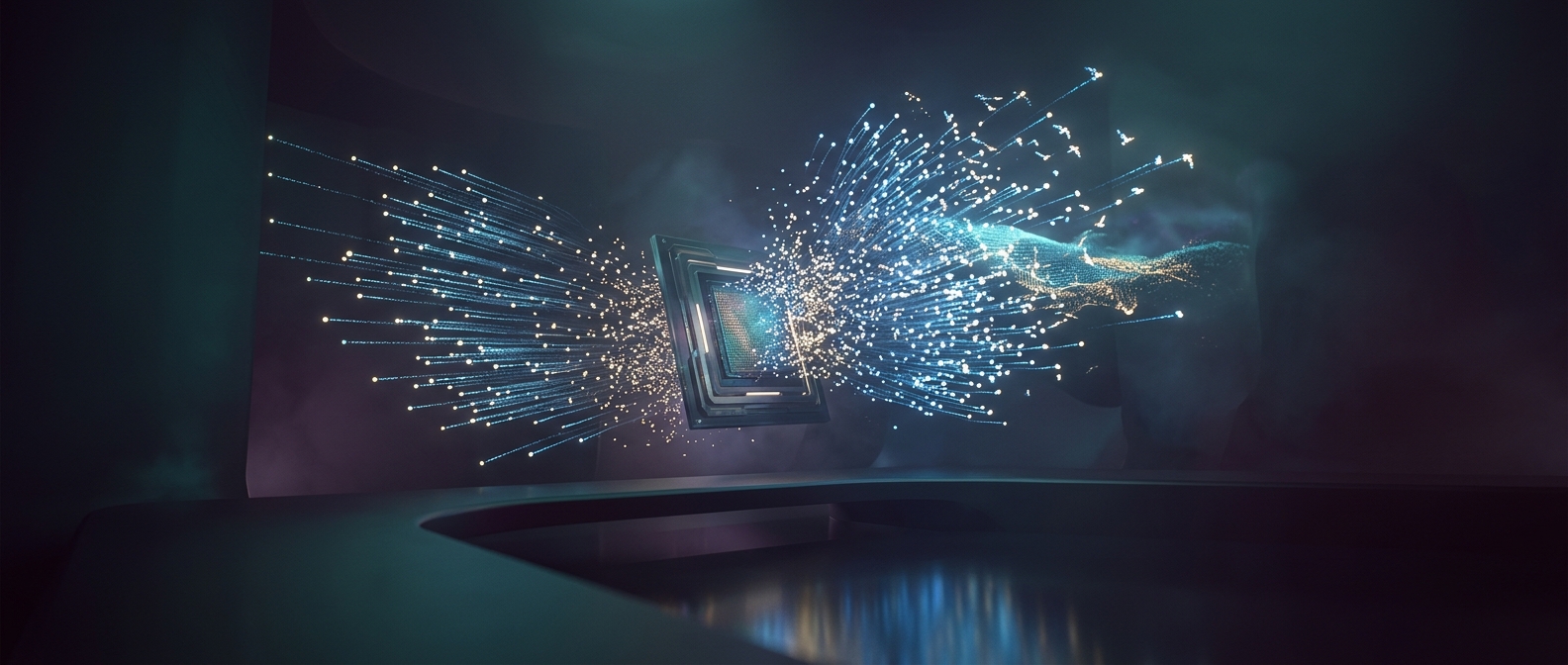
Graphic processing units render thousands of pixels at once
To draw a game scene, a computer must calculate the color of thousands of pixels. A GPU handles many of those calculations simultaneously, turning a job that…
Discover more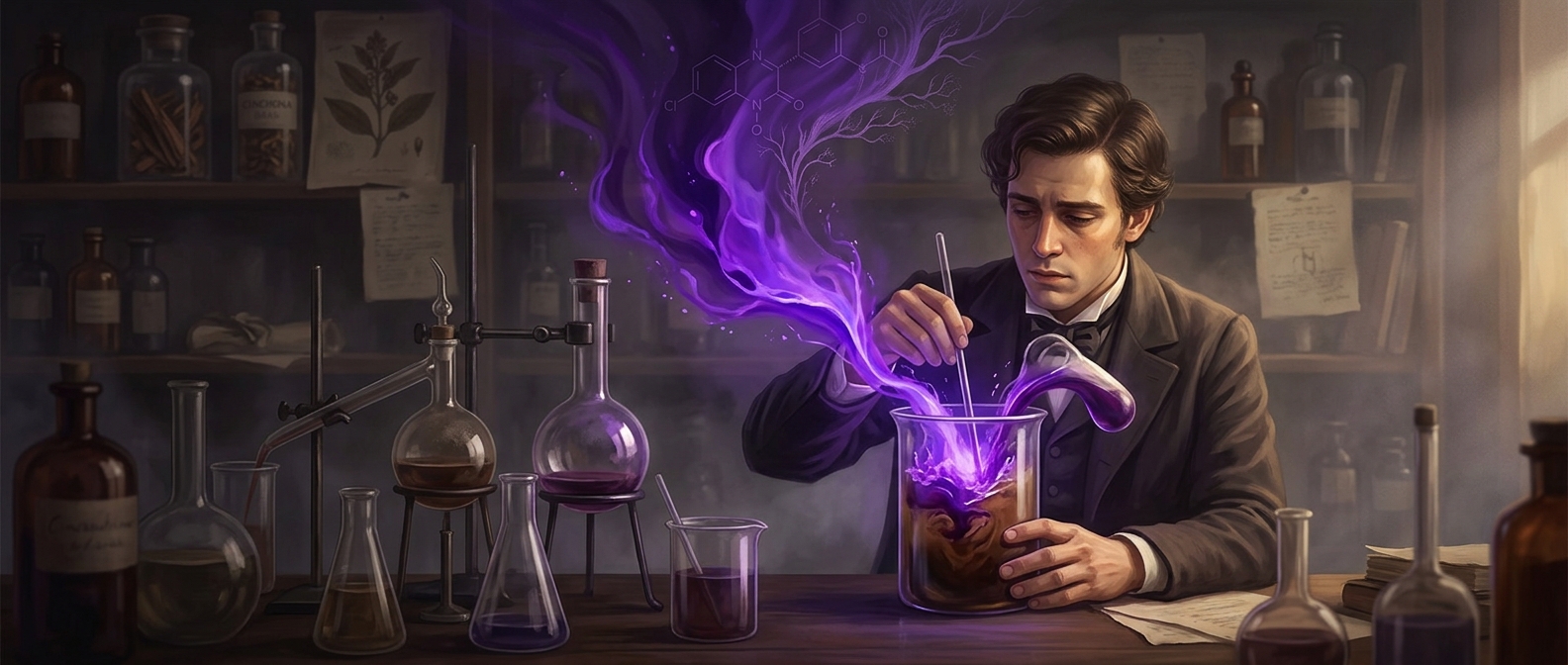
The failed malaria cure that created purple dye
Perkin’s attempt to create quinine went wrong in a colorful direction: the experiment yielded mauveine, a bright purple dye. Before synthetic dyes, producing…
Discover more
TNT research accidentally created synthetic musk
While studying TNT, chemist Albert Baur stumbled on compounds that smelled like musk. Their molecules didn’t need to come from an animal—or even resemble…
Discover more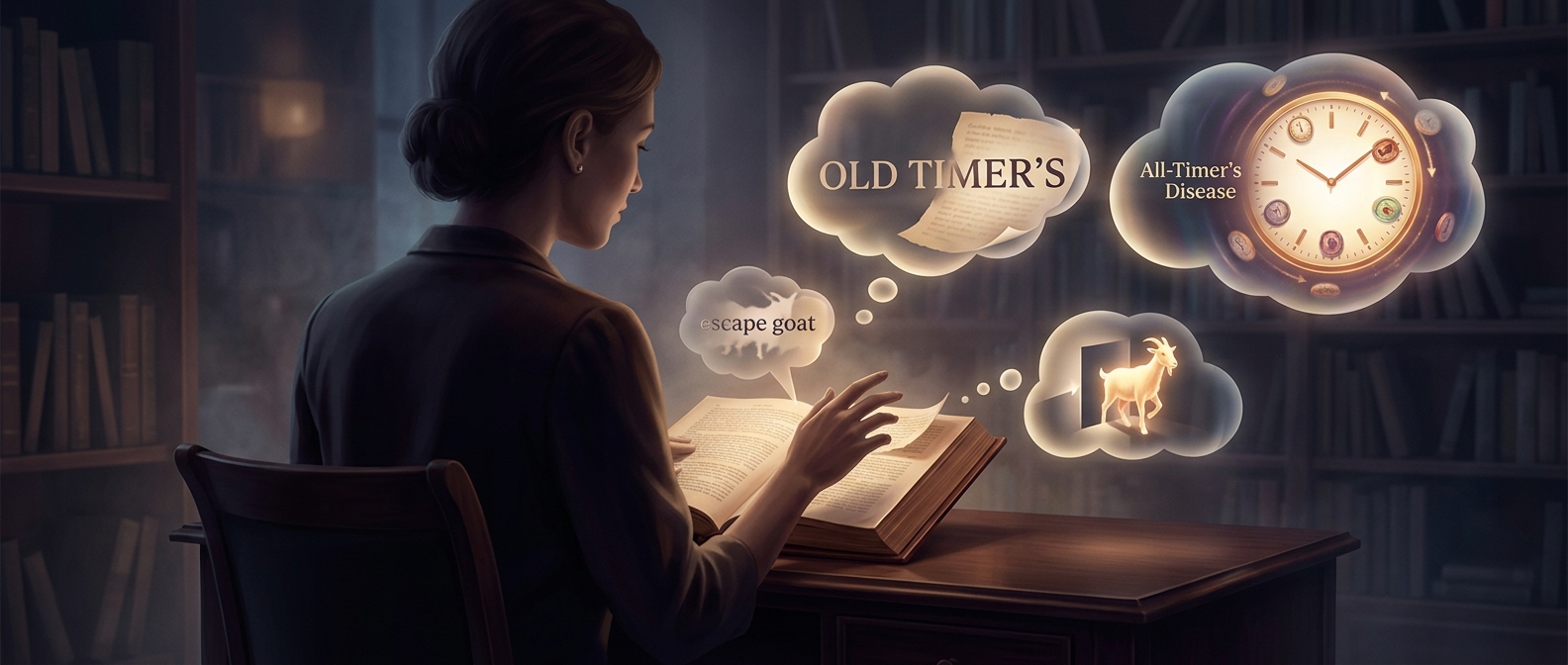
Why misheard phrases can sound perfectly right
When speech is muffled, your brain uses context to fill in what it can’t hear clearly. A familiar phrase may fit so neatly that you’re sure you heard it—even…
Discover more
Hamburger menus visually represent a stacked list of options
Those three stacked lines are a tiny drawing of a list. Tap them and the hidden navigation options appear, saving room on a small screen—but until you open…
Discover more
Rubber became durable after an accidental stove drop
Sulfur links rubber’s long molecules together at many points, keeping them from sliding past one another so easily. The result is rubber that holds up better…
Discover more STACKY FOR IPHONE
A bigger world.
One discovery
at a time.
Keep discovering with Stacky. Interesting facts in an app that is always within reach.
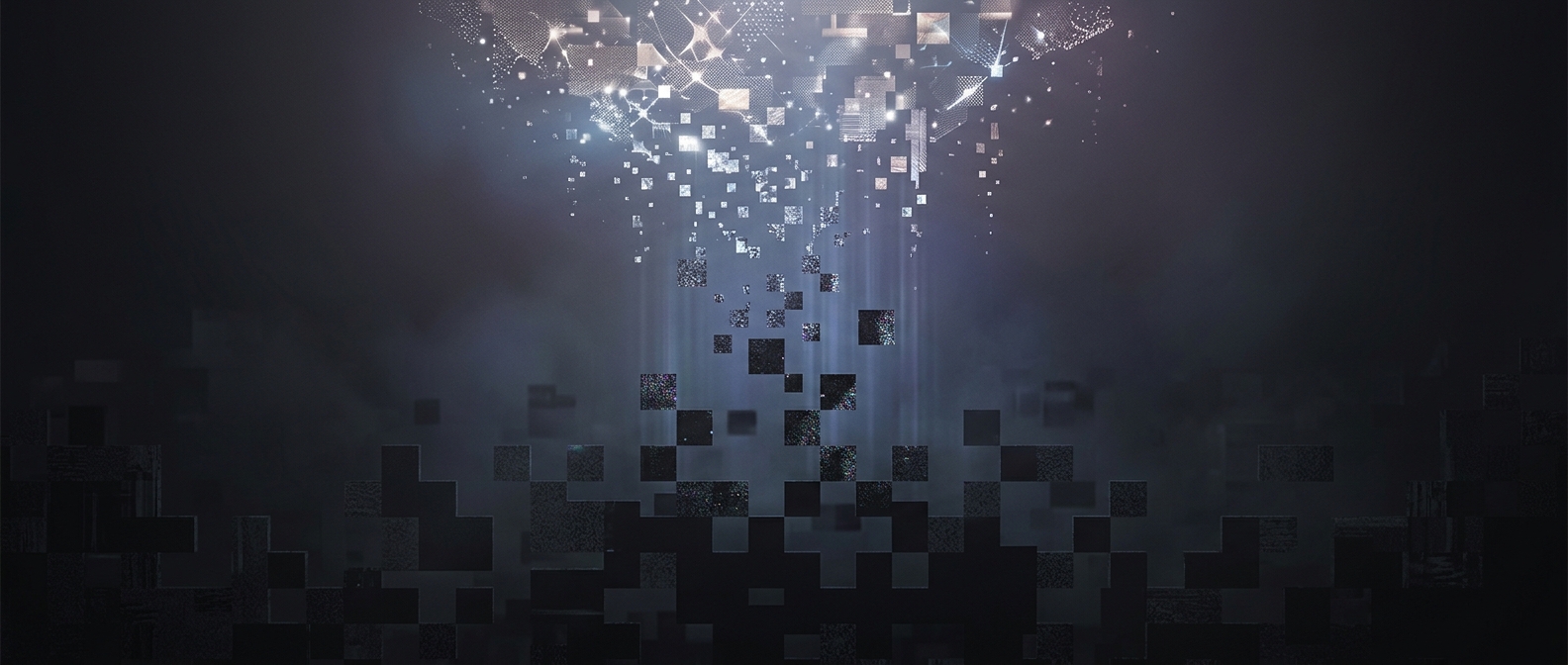
A JPEG can lose detail each time you recompress it
JPEG compression throws away information to make an image smaller. Editing and saving at a lossy setting can repeat that process on an already simplified…
Discover more
Tupperware borrowed a sealing idea from paint cans
Earl Tupper adapted the tight-fitting paint-can lid for flexible polyethylene containers. The resulting seal helped keep food contained and slowed moisture…
Discover more
Edge computing processes data physically closer to the user
Edge computing puts some computing close to the person or device making a request, shortening the data’s trip and the wait for a reply. That helps when a…
Discover more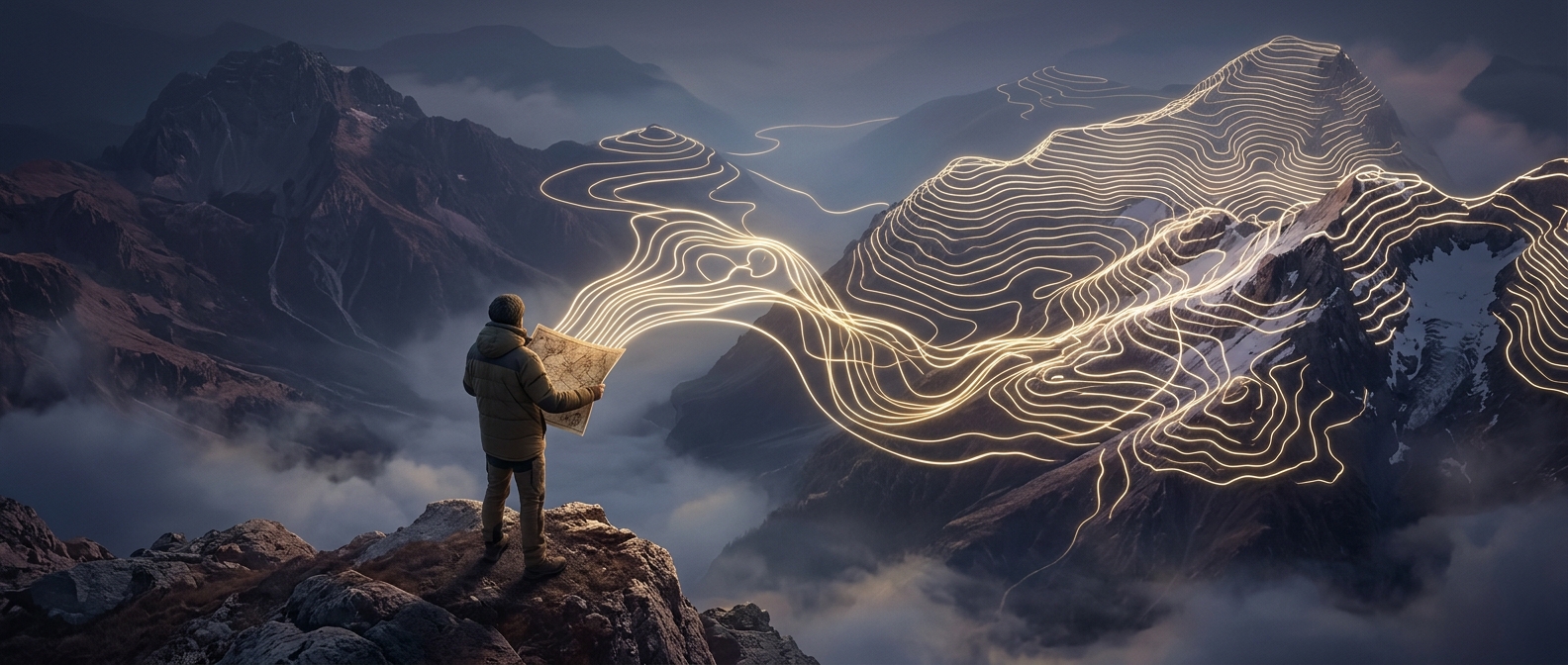
Topographic maps represent 3D terrain with flat lines
A contour line connects points that all sit at the same elevation, like the rim of an invisible slice through a hillside. When those lines bunch together, the…
Discover more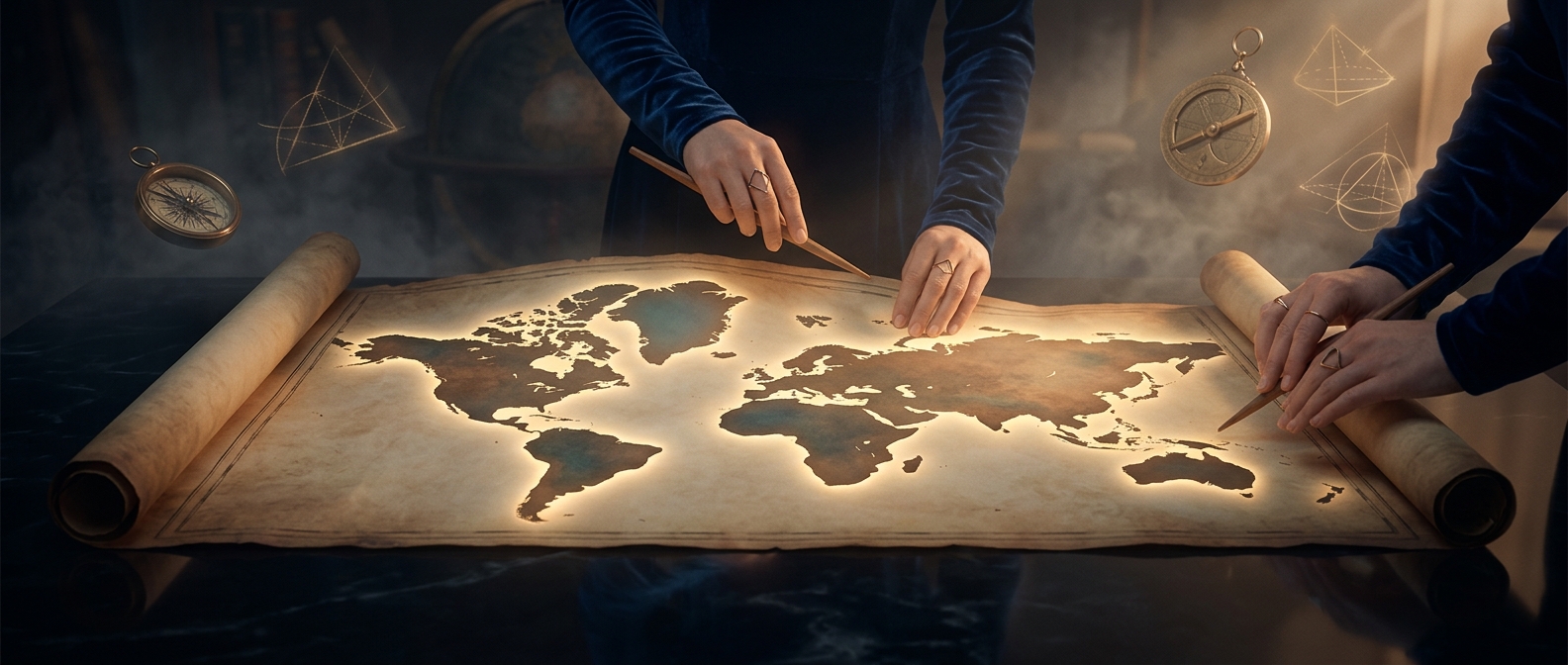
Gall-Peters projections maintain area while stretching shape
On a Gall-Peters map, Africa and other regions keep their relative sizes better than on many familiar maps, but their outlines get pulled out of shape. A…
Discover more
Choropleth maps use color shading to visualize dense data
A choropleth map shades regions according to a rate or percentage, rather than simply coloring places with the most people. That makes a small region and a…
Discover more
Trojan horses masquerade as totally legitimate payloads
A Trojan hides harmful code inside something that looks like a harmless file or program. When you launch it, the hidden code may open a backdoor—letting an…
Discover more
The hydraulic press started with bookbinding
Bramah’s press used water to carry pressure from a small piston to a much larger one. The bigger piston pushed with far more force, enough to flatten damp…
Discover more
Why you hear lyrics that were never sung
When a lyric is muffled, your brain fills the gaps with words that fit what you expect to hear. That’s how “kiss the sky” can become “kiss this guy.” The…
Discover more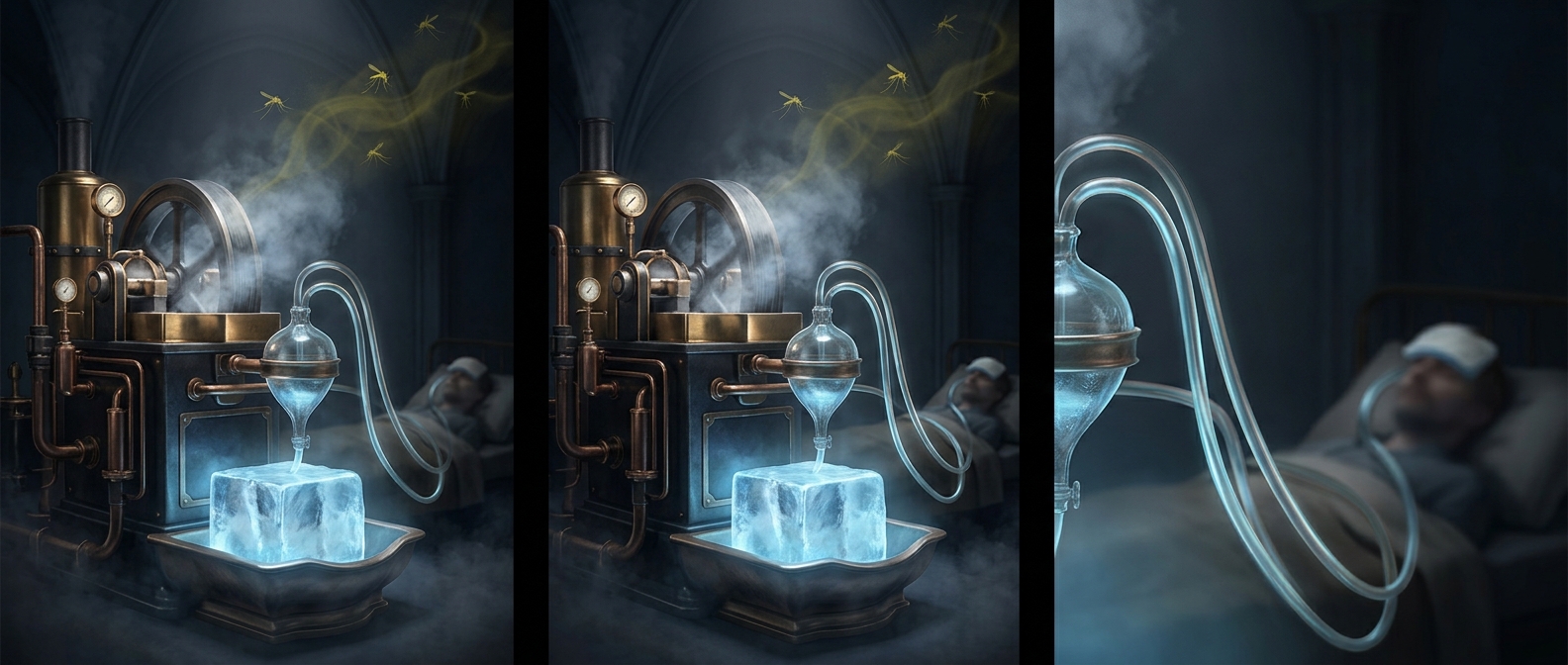
The ice machine invented to fight yellow fever
Florida physician John Gorrie wanted to cool rooms for fever patients and developed a machine that made ice using compressed air. When the air expanded, it…
Discover more
English words that mean their own opposites
The same verb can reverse direction depending on what comes after it. You dust a cake by adding a fine layer of sugar, but dust a shelf by removing dirt.…
Discover more
Geocoding translates physical addresses into digital points
Geocoding turns a written address into latitude and longitude, giving a navigation system a point to aim for. But an address may identify a whole building…
Discover more
Interrobangs combine exclamation points with questions
The ‽ packs a question mark and an exclamation point into one symbol: a question asked with extra astonishment. It was proposed in the 20th century, but most…
Discover more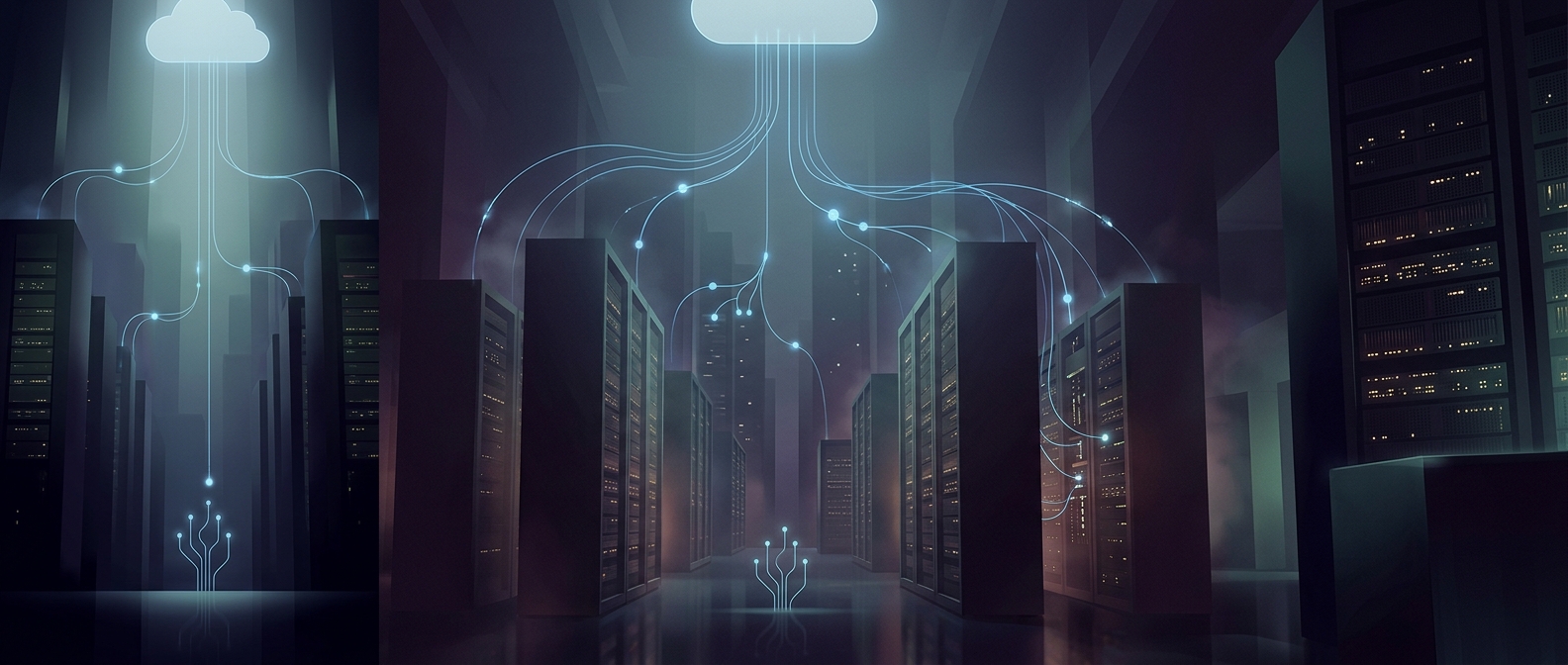
Serverless computing still needs servers
“Serverless” means the cloud provider handles the servers so developers don’t have to. When code is needed, the provider runs it on physical machines behind…
Discover more
Hexadecimal color codes translate colors into alphanumerics
Each color on a screen is a three-light recipe: red, green, and blue. In #RRGGBB, each pair is a dimmer for one light, running from 00 (off) to FF (full);…
Discover more
Domain name systems function as internet directories
When you type a website name, DNS looks up the numerical IP address computers use to find it. Your device or network may save that answer and reuse it until…
Discover more
Portmanteaus violently smash two different words into one
Blend the start of one word with part of another, and you get a portmanteau. “Smog” squeezes smoke and fog into a single label; “brunch” does the same with…
Discover more
Stainless steel was born from a search for better gun barrels
Chromium helps stainless steel resist rust by forming a very thin protective layer when it meets oxygen. That layer blocks water and air from reaching the…
Discover more