Science
Discover facts about science. Small discoveries that change the way you see familiar things.
Science

Horsetails turn themselves into living sandpaper
Horsetails pull silica from their surroundings and leave tiny abrasive deposits in their outer tissues. That gritty coating can scour a pot or polish wood,…
Discover more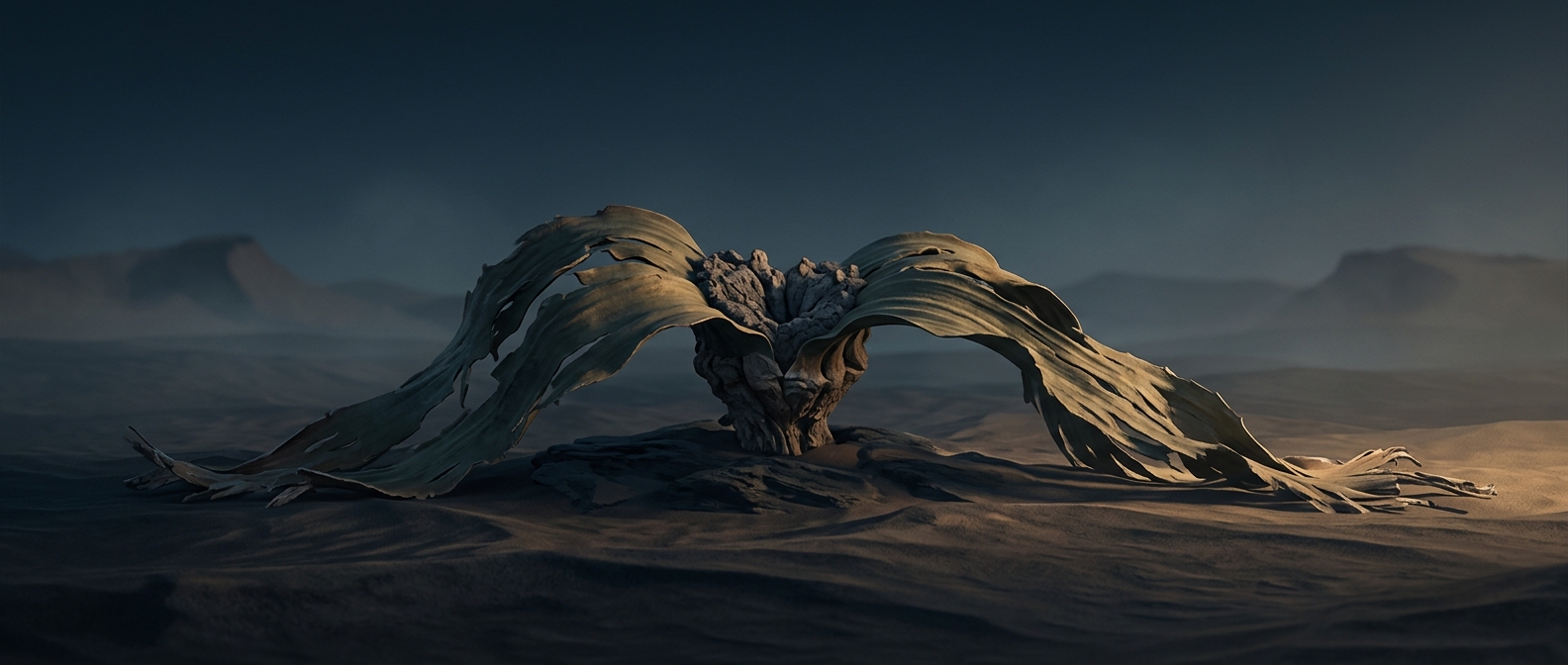
Welwitschia grows just two leaves for its entire life
Both leaves keep growing from the base while their older ends split, fray, and curl. An old plant can therefore resemble a tangled heap of separate ribbons.…
Discover more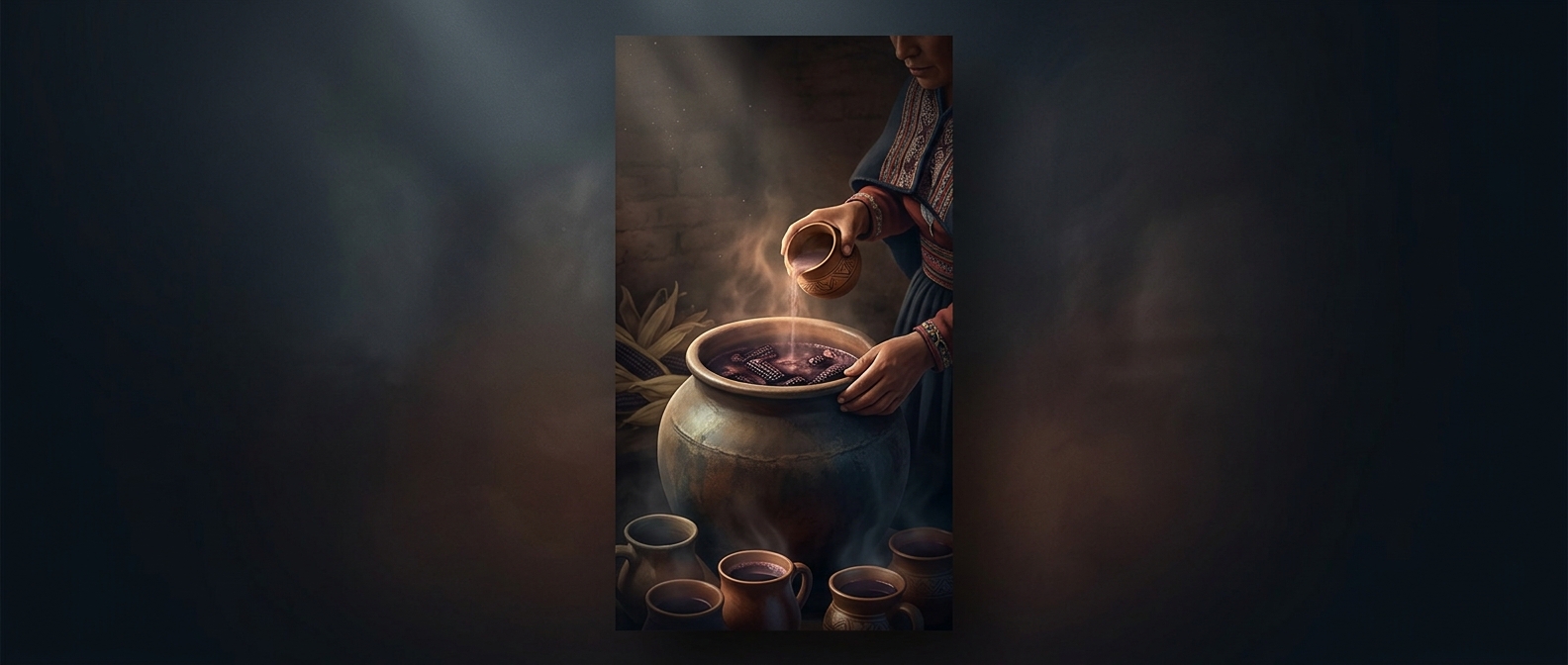
The beer brewed with chewed corn
Corn is mostly starch, which yeast cannot readily ferment. Chewing adds saliva enzymes that break some starch into sugars; yeast then turns those sugars into…
Discover more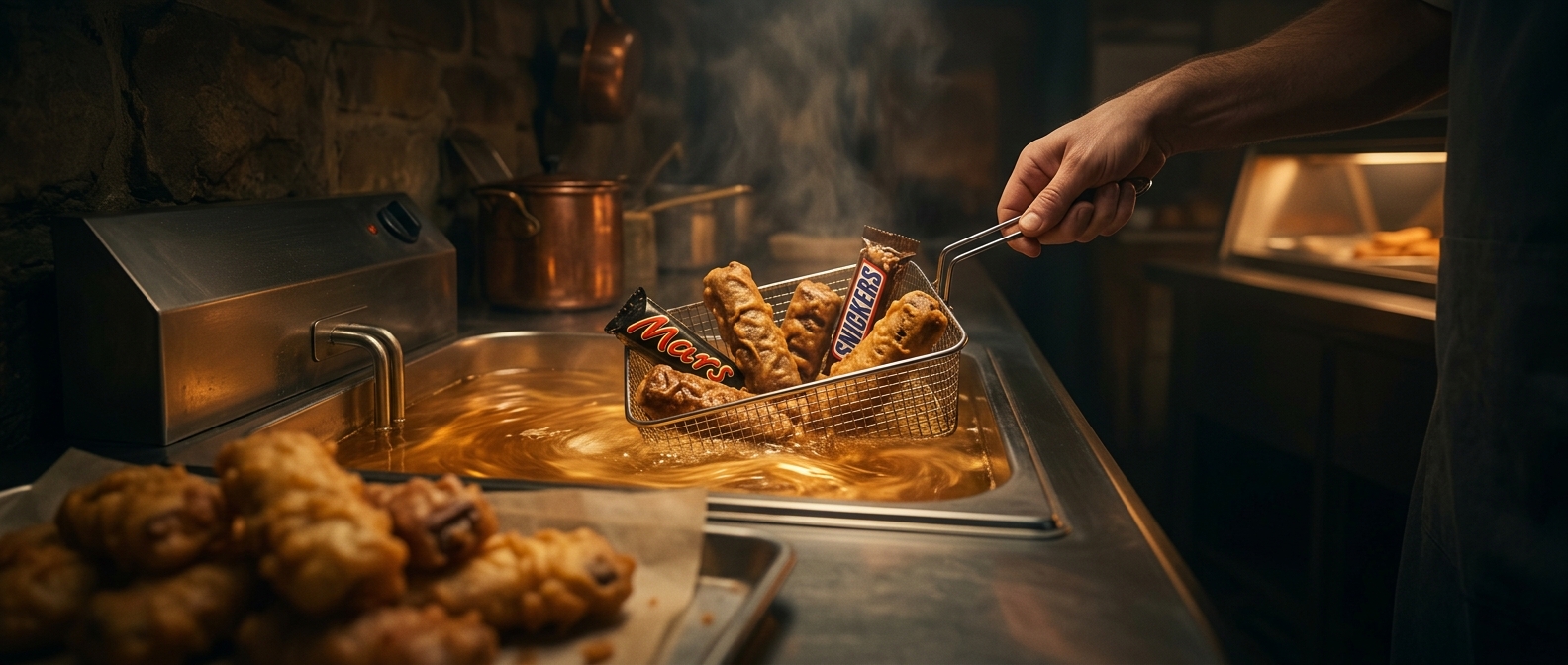
A fried Mars bar survives inside a crisp shell
The batter cooks first while heat travels inward, giving the chocolate and caramel time to soften inside. That creates the contrast between a crunchy outside…
Discover more
A lotus flower can keep its center warm in cool air
During part of its bloom, the sacred lotus can hold its flower near 30–35°C while the surrounding air varies much more. It generates heat by rapidly using…
Discover more
Scientists want fungi to patch concrete
Researchers found that Trichoderma reesei could grow in concrete's harsh alkaline environment and deposit calcite crystals on its threads. Their proposal:…
Discover more STACKY FOR IPHONE
A bigger world.
One discovery
at a time.
Keep discovering with Stacky. Interesting facts in an app that is always within reach.

Rocky Mountain oysters are not oysters at all
The name is a seafood joke: Rocky Mountain oysters are usually sliced livestock testicles, often from cattle, then breaded and fried. There’s no oyster…
Discover more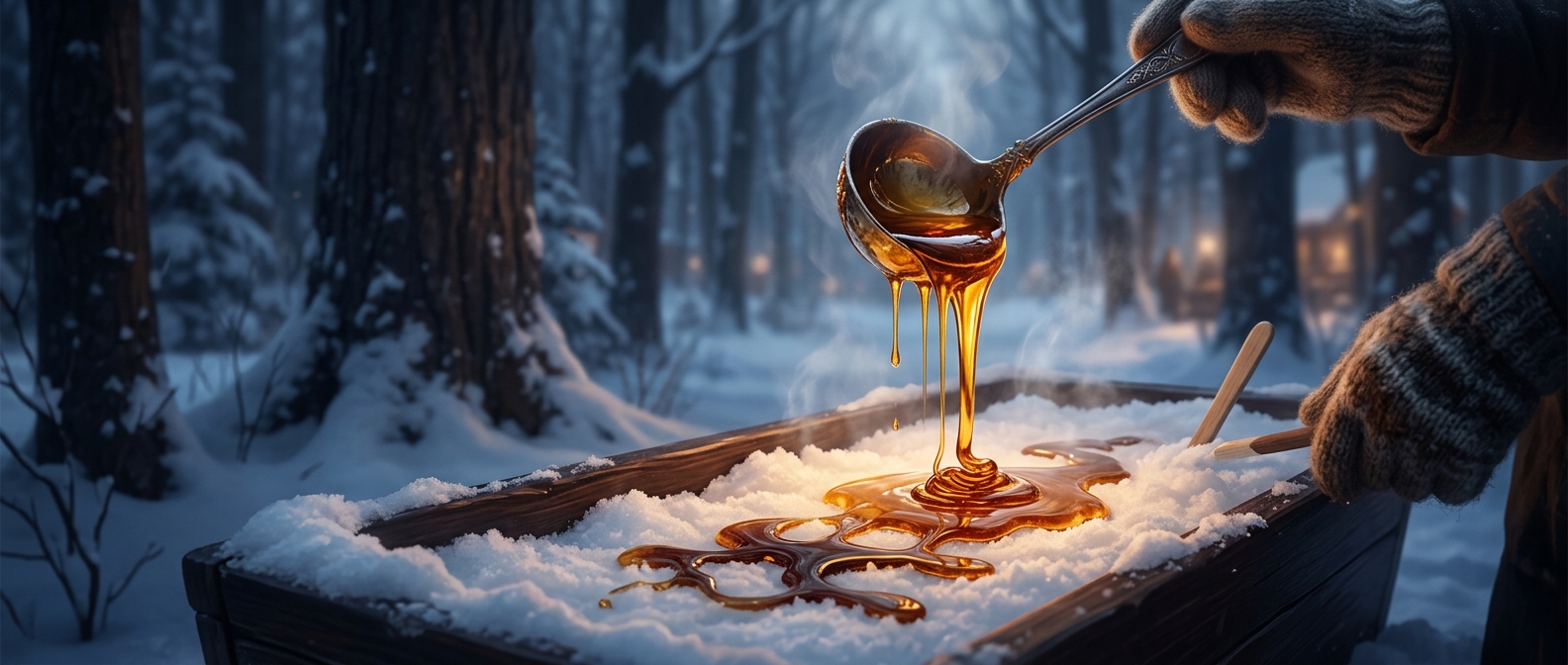
Why Canadians pour hot maple syrup on snow
Hot, concentrated maple syrup hits the snow and cools quickly, thickening into soft candy instead of running off. That lets you wind it around a stick like…
Discover more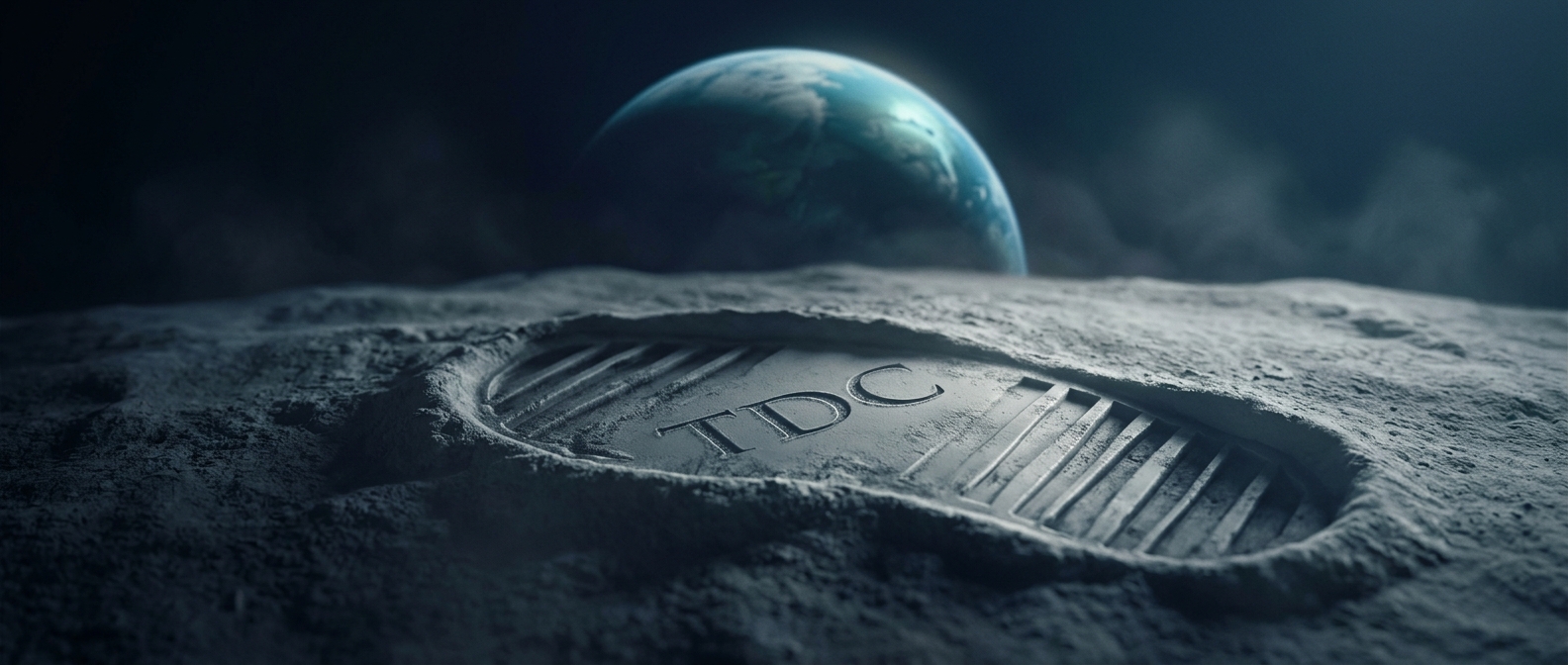
The astronaut who wrote his daughter's initials on the Moon
During Apollo 17, Gene Cernan wrote his daughter Tracy's initials in the lunar dust. With no rain or wind to erase them, such marks can last far longer than a…
Discover more
Trees can keep growing after their cores rot
Rot can eat away a tree’s center without stopping growth, because the growth happens in a thin living layer beneath the bark. As long as that layer remains…
Discover more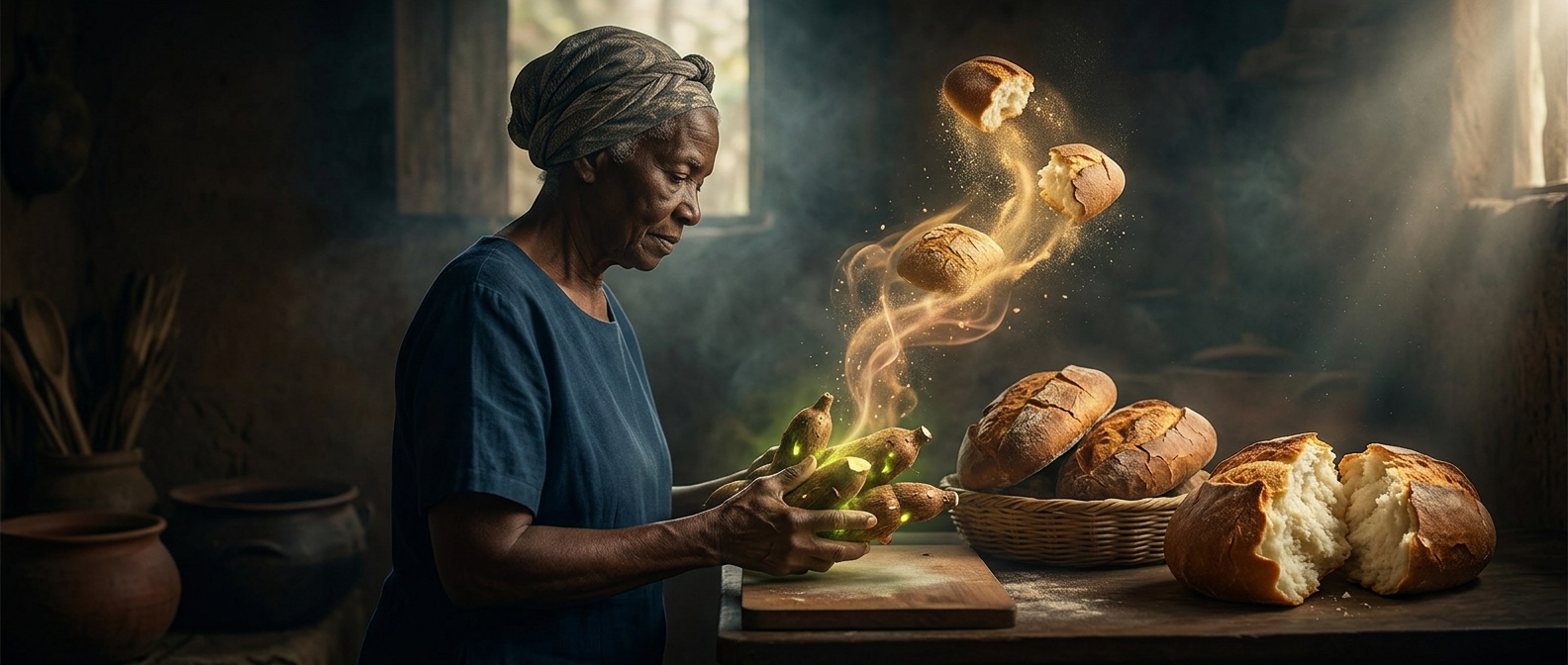
Cassava’s value as food depends on processing its defenses
The plant contains compounds that can release cyanide when its tissues are damaged. Established processing methods reduce these compounds through combinations…
Discover more
Archaea colonize habitats completely toxic to normal life
Some archaea thrive in extreme salt or acidity because unusual parts of their cell membranes help them endure conditions that damage many other microbes. They…
Discover more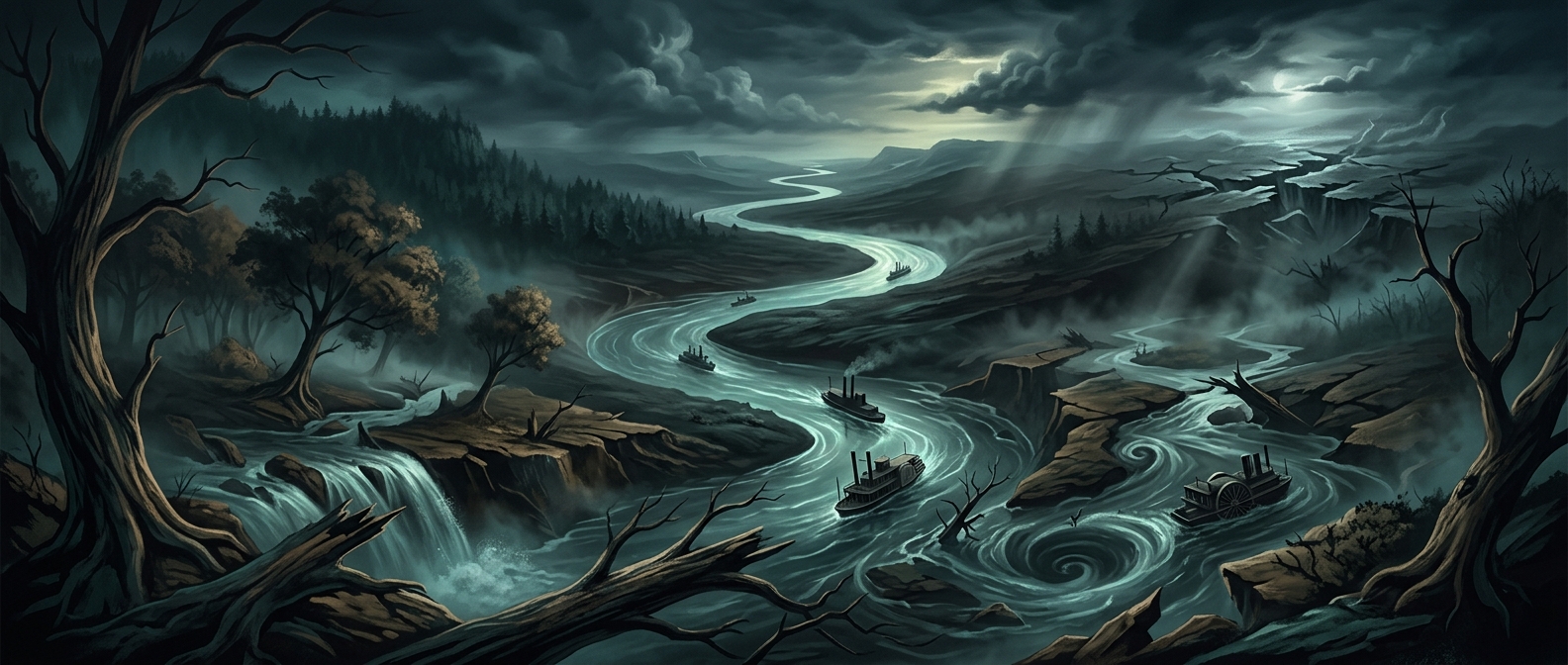
When an earthquake made the Mississippi flow backward
The New Madrid earthquakes shook parts of the Mississippi so violently that water briefly surged upstream. Shaking and quake-driven waves shoved the river…
Discover more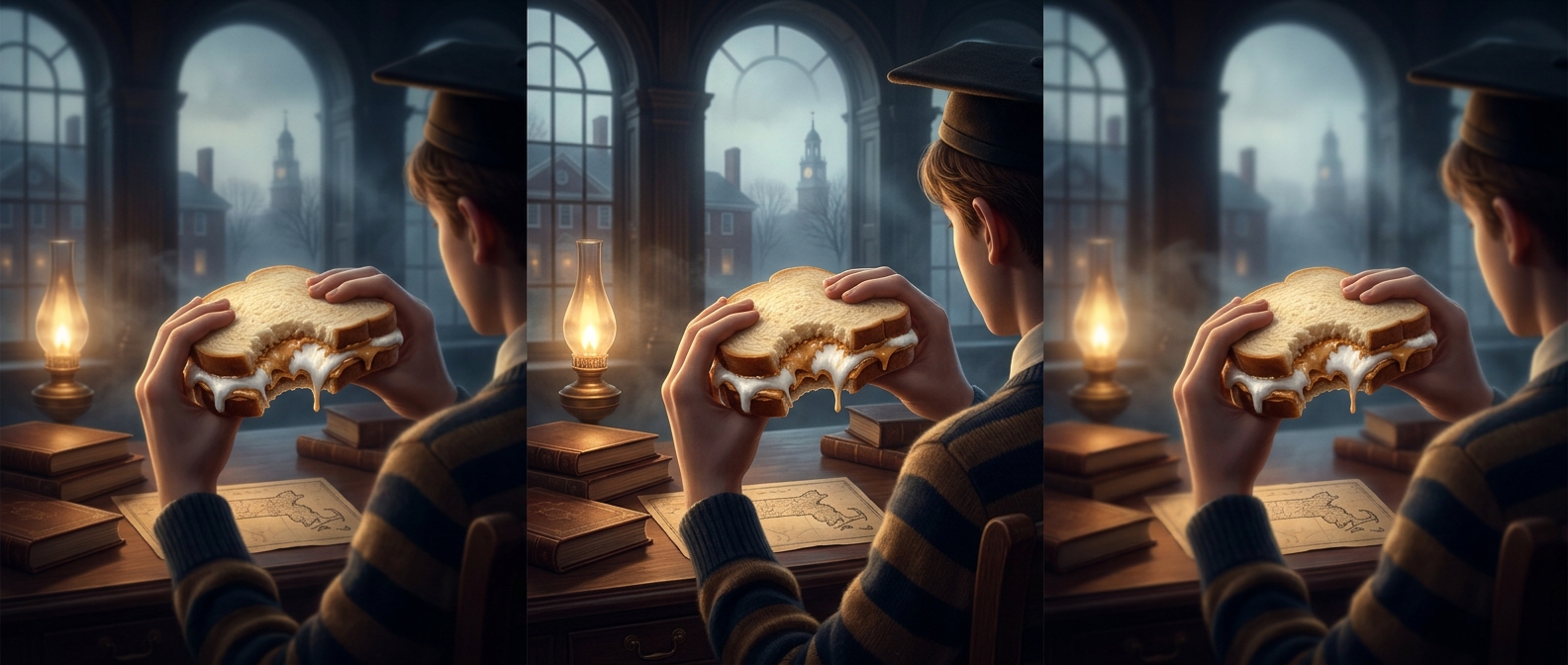
The peanut butter sandwich that fights back
Marshmallow fluff brings sugary syrup, and peanut butter adds a thick paste. Together they coat your mouth instead of sliding away, making your jaws feel as…
Discover more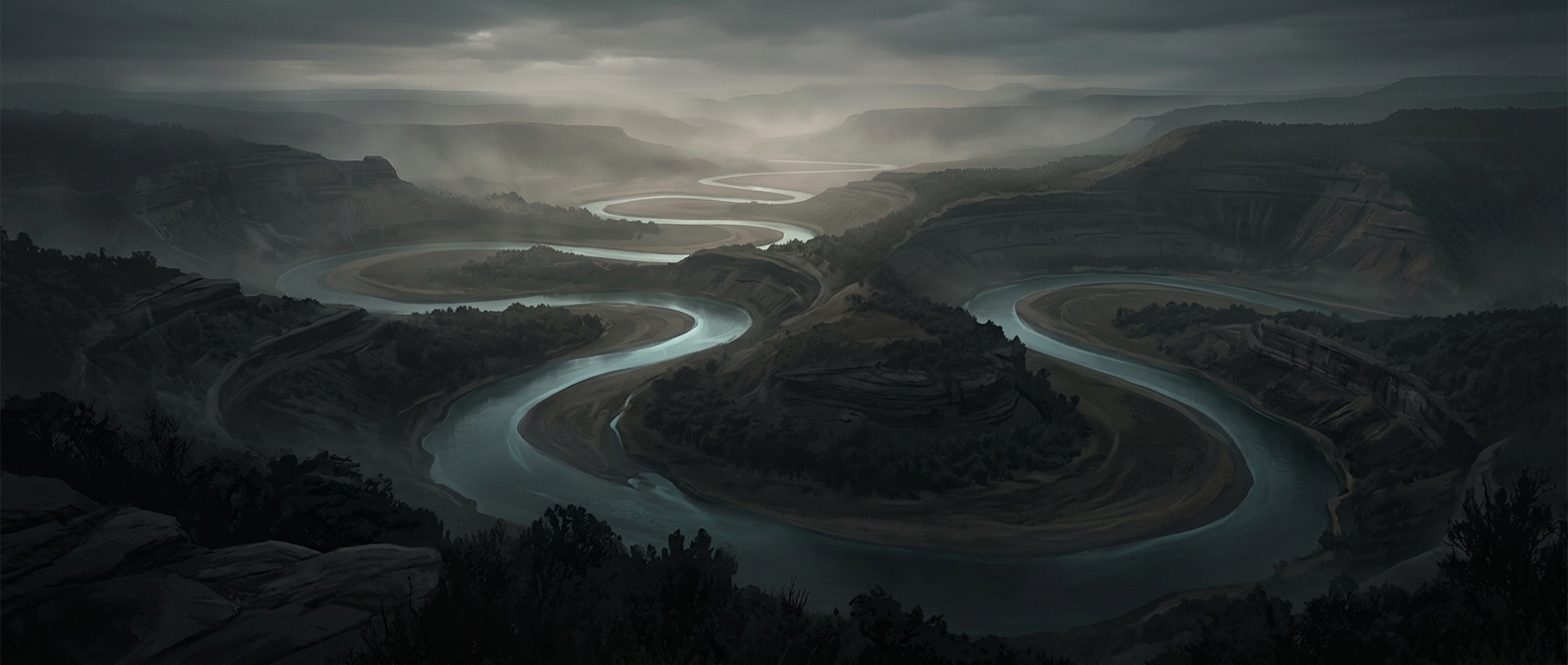
Why rivers twist into giant loops
As water sweeps around a bend, it erodes the outer bank while dropping sand and mud along the inner bank. That makes the loop shift and grow until the river…
Discover more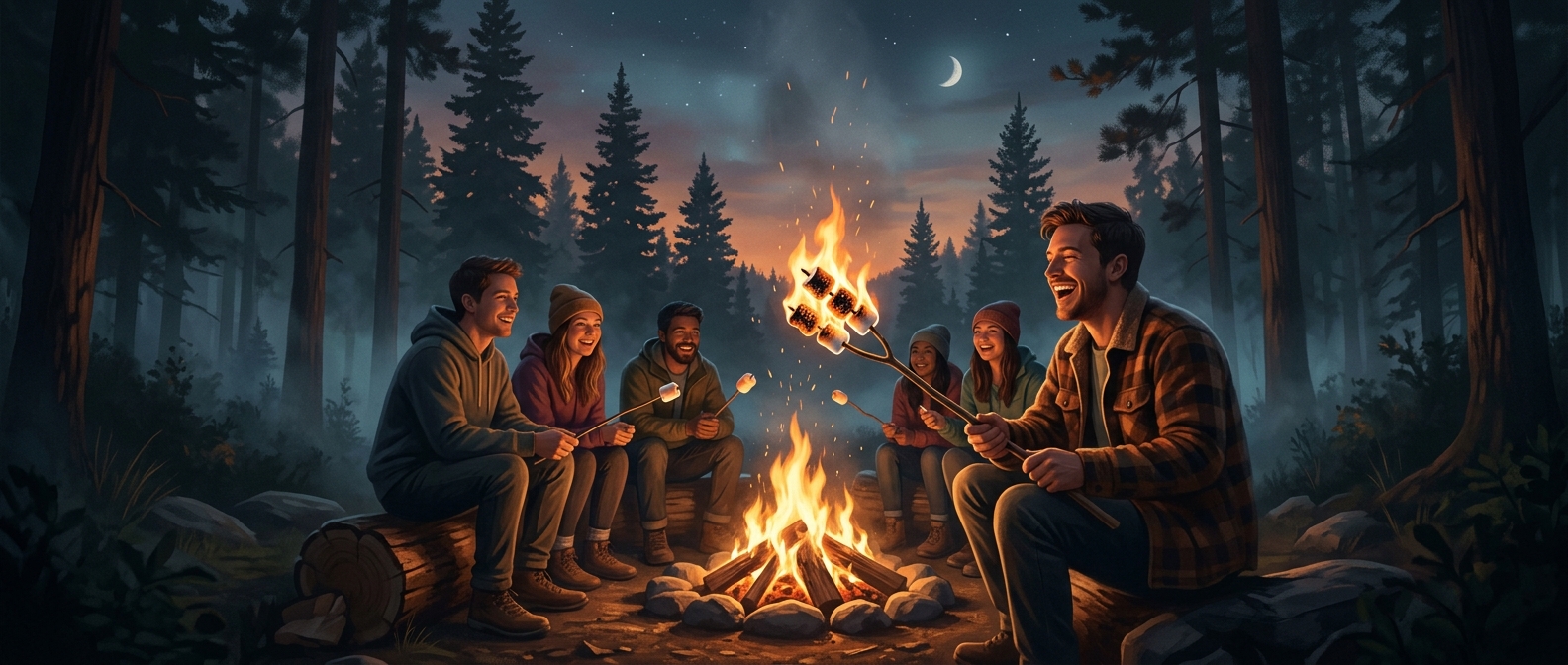
American campers enthusiastically set marshmallows on fire
A marshmallow’s outside heats and chars before its center has time to catch up. The sugary surface browns and may burn while the middle softens into goo, so…
Discover more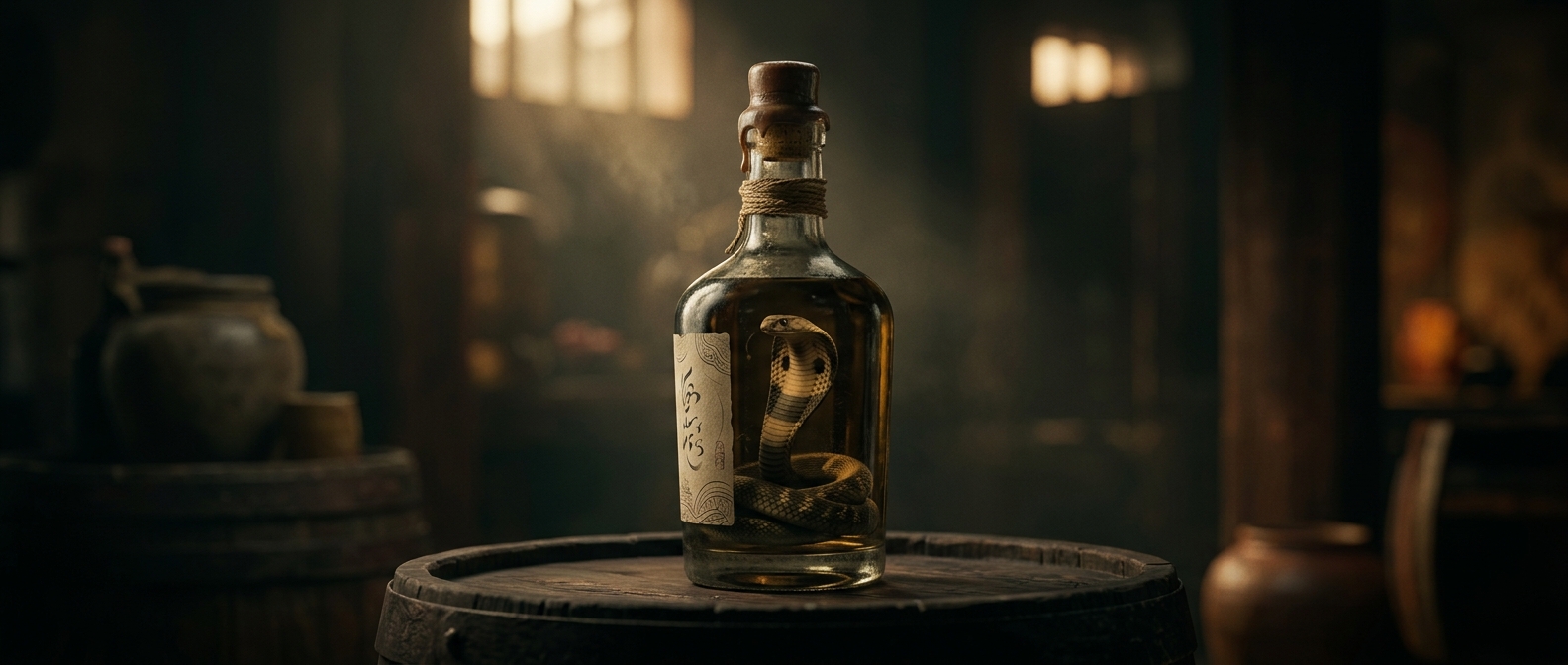
Snake wine puts the animal inside the bottle
Some traditional preparations steep whole snakes in rice wine or other spirits. The striking display links the animal to claimed medicinal benefits, but those…
Discover more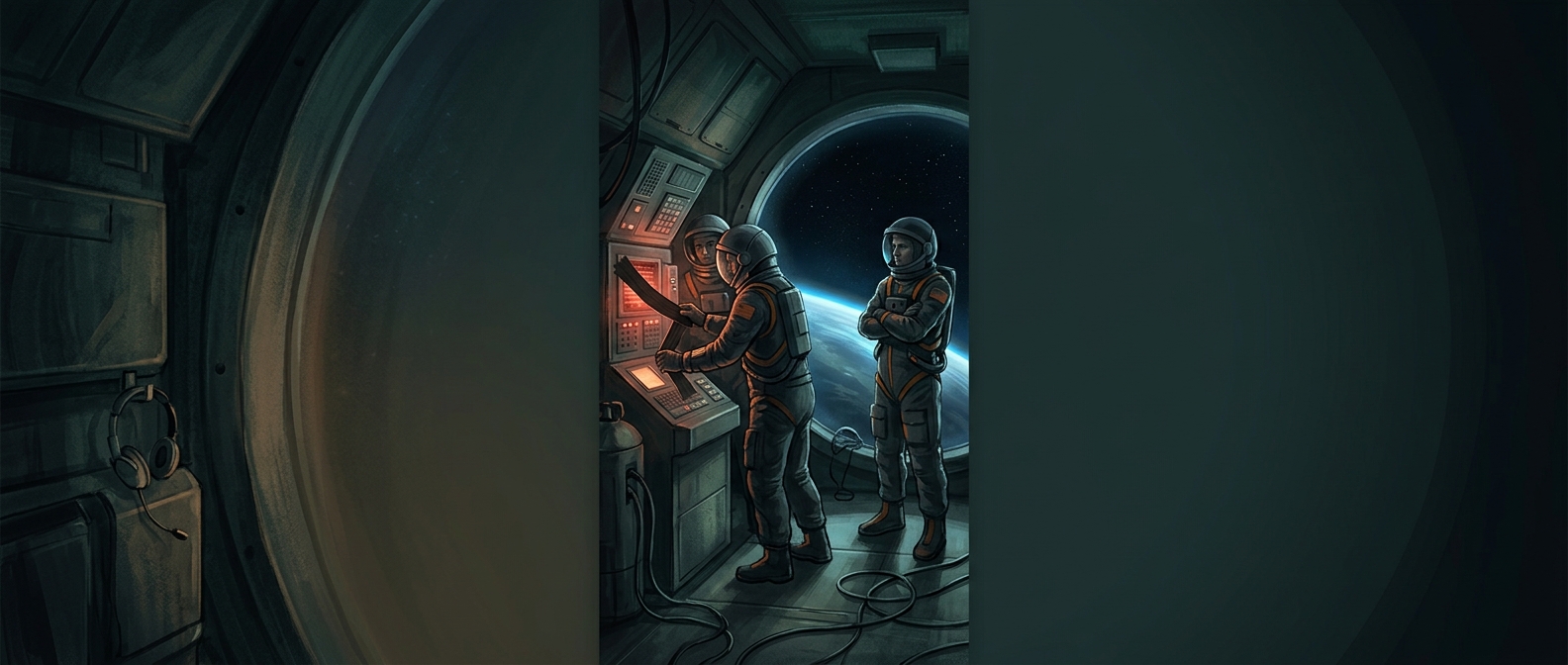
Skylab astronauts pushed back against an overloaded schedule
During Skylab 4, the crew and mission control negotiated how to handle a packed workload over an 84-day mission. Giving astronauts more control over their…
Discover more
Why evaporation makes surfaces feel cold
Evaporation cools a surface because the molecules most likely to escape are the fastest-moving ones. They carry energy into the air, leaving the liquid and…
Discover more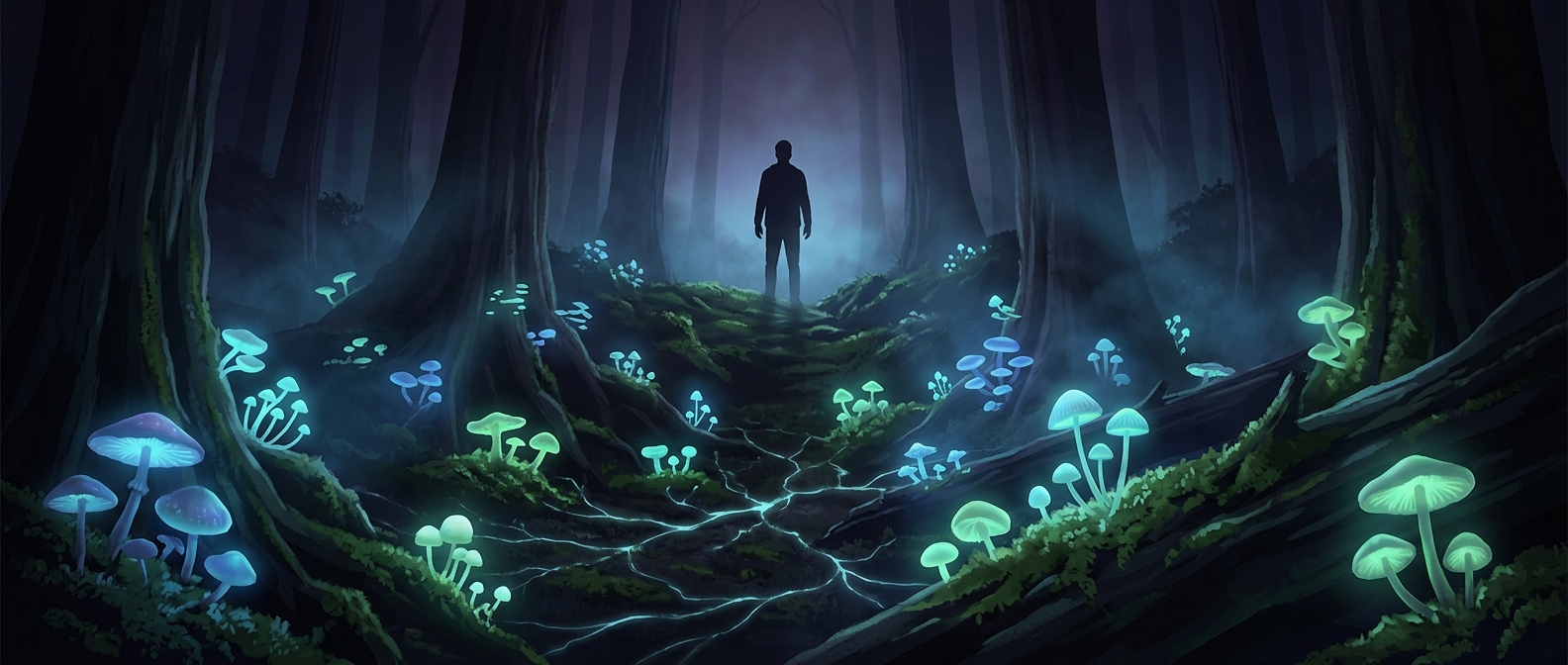
The fungi that glow in completely dark forests
A chemical reaction inside the fungus releases light without producing the heat of a flame. In some fungi, that glow may attract insects that carry spores…
Discover more
Why some springs bubble without boiling
Some spring bubbles are gas escaping from the water, not steam from boiling. As pressurized water rises, the pressure drops and dissolved gas comes out—much…
Discover more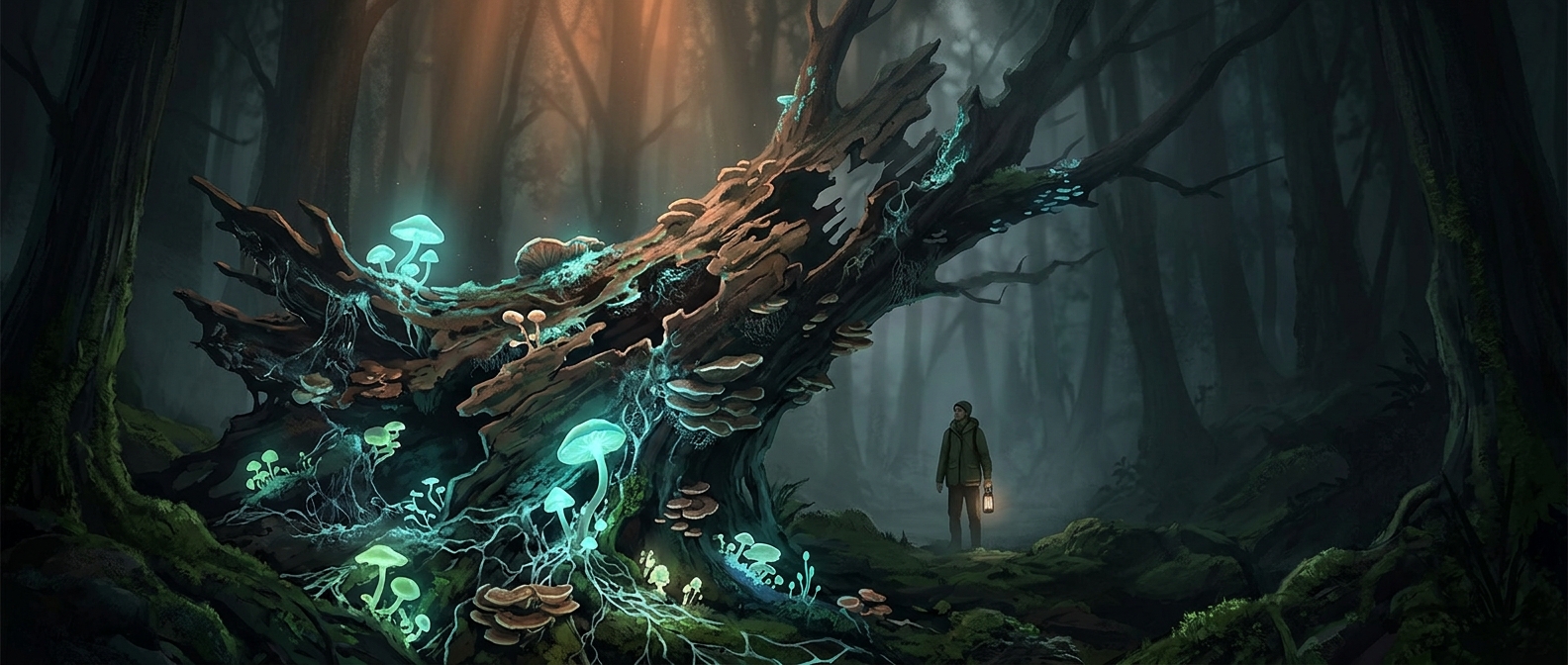
The fungi that make fallen trees disappear
Fungi release enzymes that break apart lignin, the tough material that helps wood resist decay. Once that barrier is loosened, other organisms can get at the…
Discover more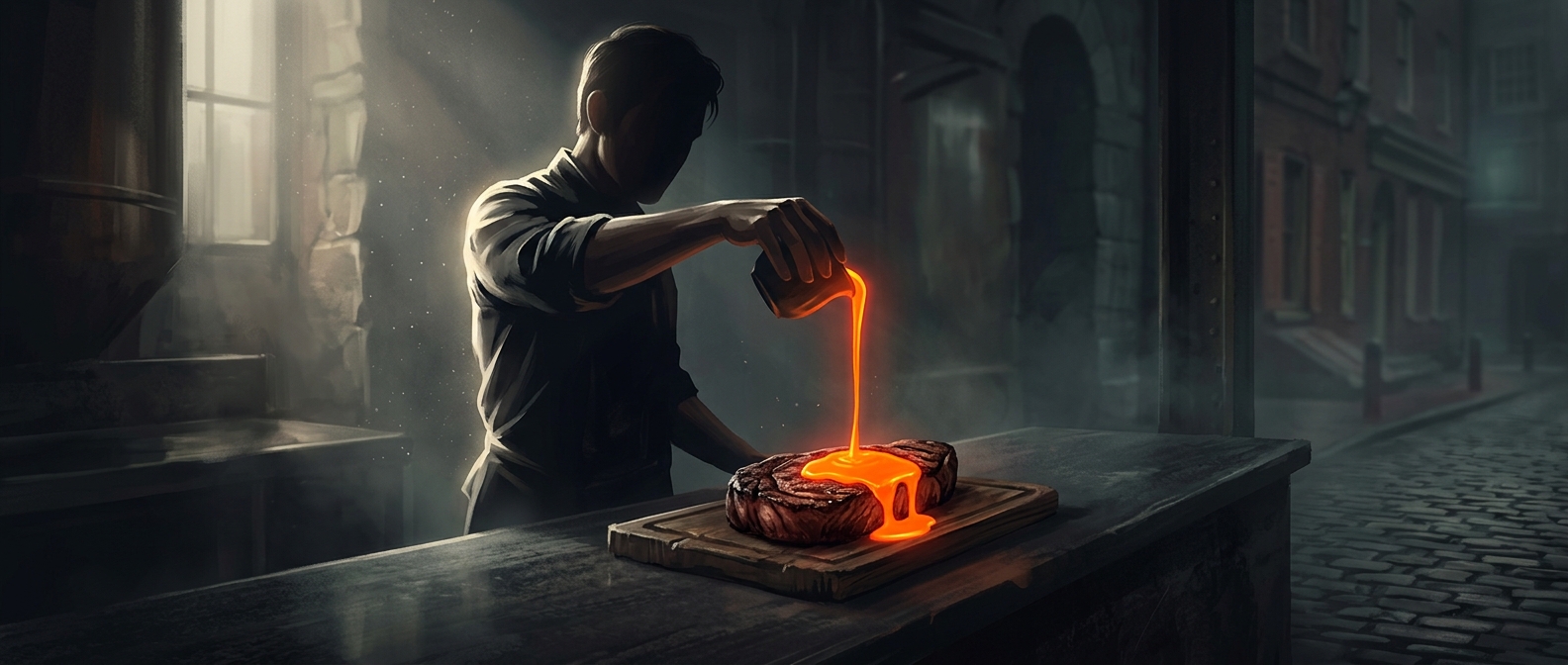
Why Philly cheesesteaks come drenched in neon cheese
Cheese sauce stays smooth because emulsifying salts help fat and water remain mixed instead of separating into an oily slick. Heat loosens the cheese into a…
Discover more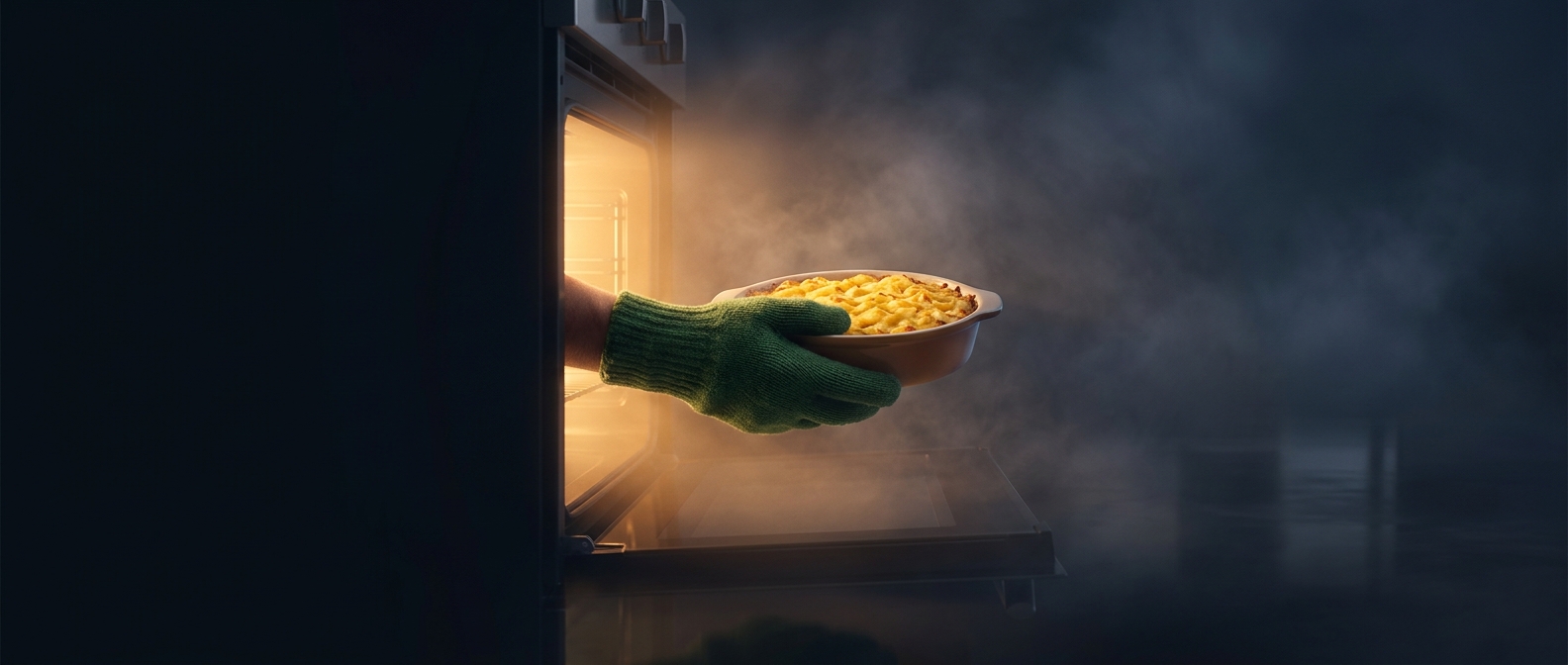
Midwesterners heavily bake frozen potatoes into casseroles
In Midwestern tater tot hotdish, frozen potato nuggets bake into a crisp top while canned mushroom soup keeps the filling soft and hearty. One oven gives the…
Discover more