How an astronaut left initials in lunar dust
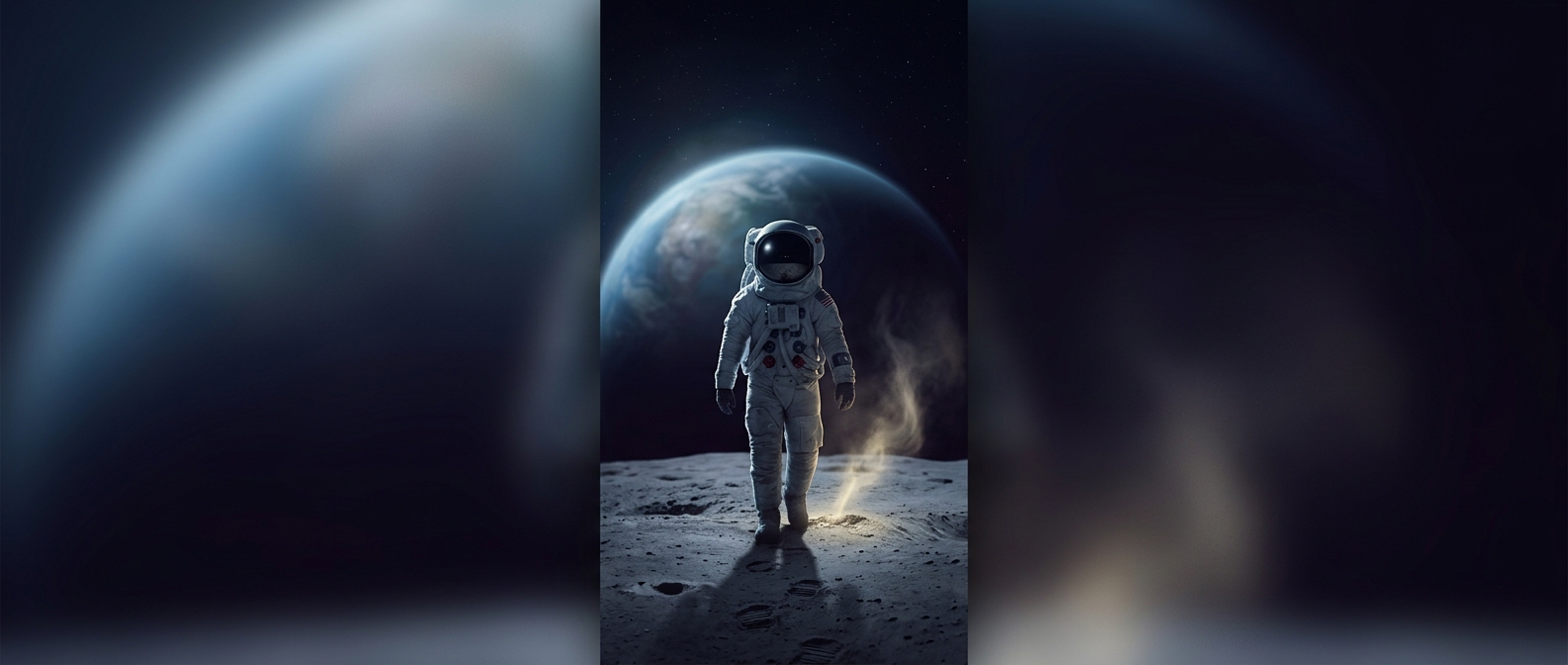
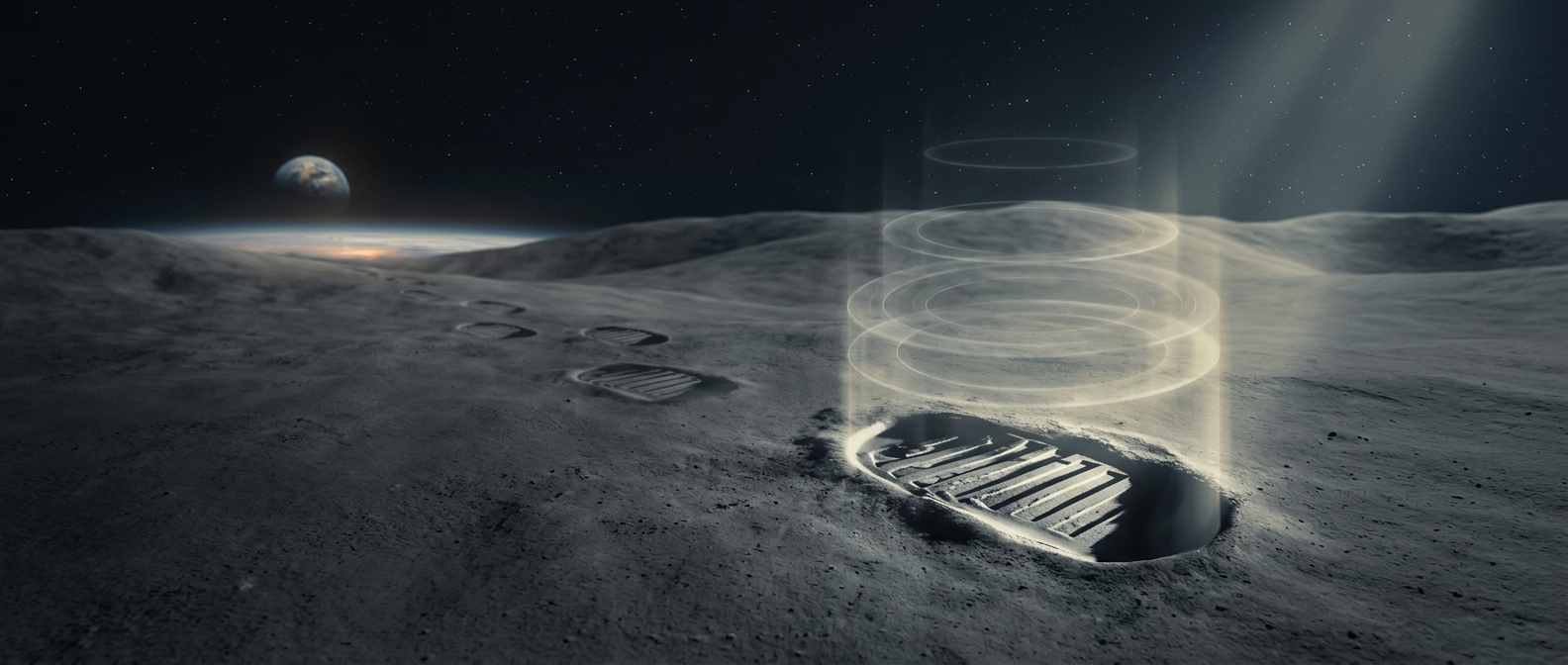
During Apollo 17 in 1972, commander Eugene Cernan traced his daughter’s initials into the Moon’s surface dust. It was a small gesture made possible by the lunar ground itself: the upper layer is a loose, powdery material called regolith, formed as impacts gradually break rock into fragments. A mark pressed into it can remain visible because the Moon has no rain or wind to quickly erase it.
Why the marks fade so slowly
On Earth, wind and water continually move grains, fill depressions, and wear down surface details. The Moon lacks that kind of weather, so its surface changes much more slowly. But it is not frozen in place. Tiny particles and larger space rocks strike the ground, kicking dust outward and gradually rearranging the regolith. Repeated impacts can blur a shallow groove, even without a storm or a flowing stream.
The process is especially slow at the scale of an astronaut’s footprint or handwritten line. An impact may alter a small patch at a time; it does not sweep across the surface and erase every trace at once. The result is gradual softening rather than sudden disappearance.
A message on a slowly changing page
Cernan’s initials are therefore not permanent in the sense of being carved into solid rock. Their survival depends on how deeply they were traced and on the chance impacts the surrounding dust receives. They may last far longer than marks made in ordinary Earth soil, while becoming less distinct over time.
That slow change is what makes the gesture striking: the Moon preserves human traces not because its surface never moves, but because the agents that reshape it work so patiently.