Why lunar dust is rougher than it looks
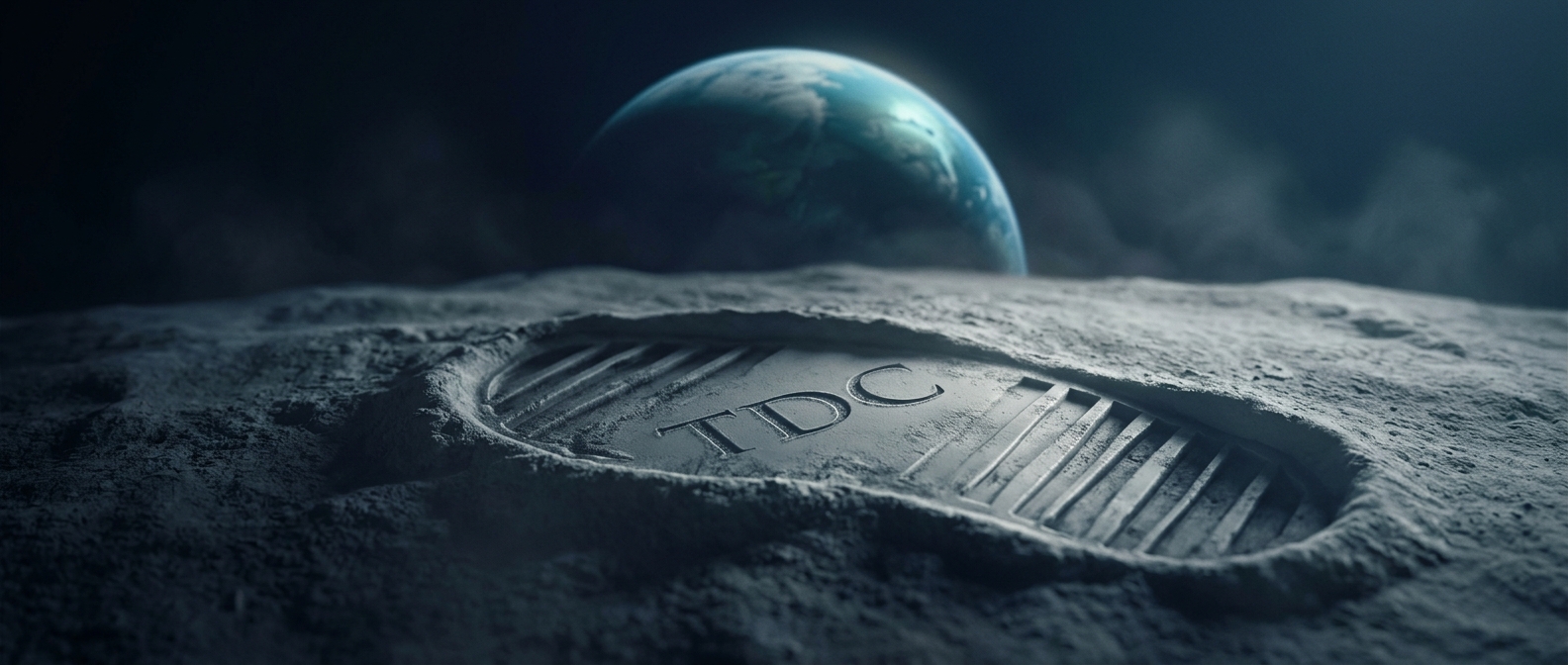
Moon dust is not simply ordinary sand in a thinner atmosphere. It is made largely from rock broken apart by countless impacts. On Earth, wind and water gradually wear grains down, rounding their edges. The Moon has no rain or flowing rivers, and its nearly airless surface offers little weathering, so many grains remain jagged and irregular.
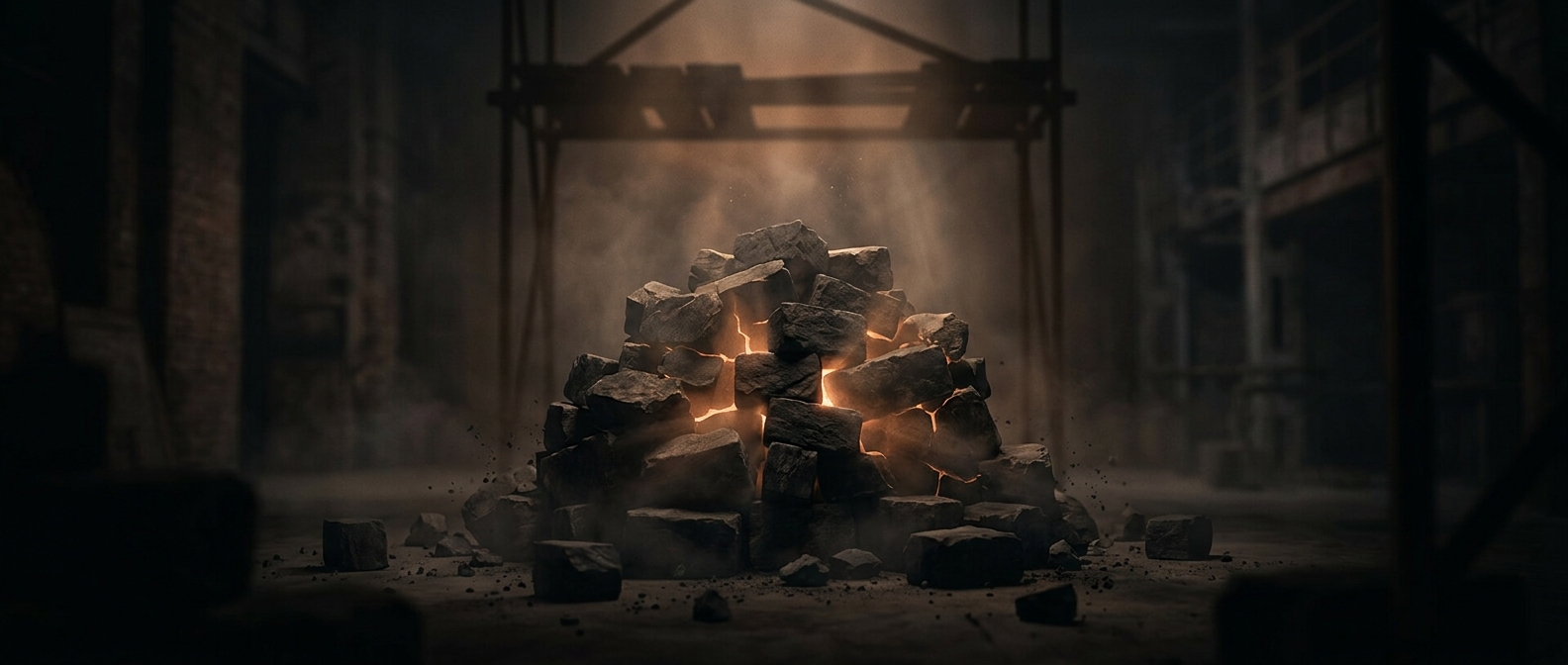
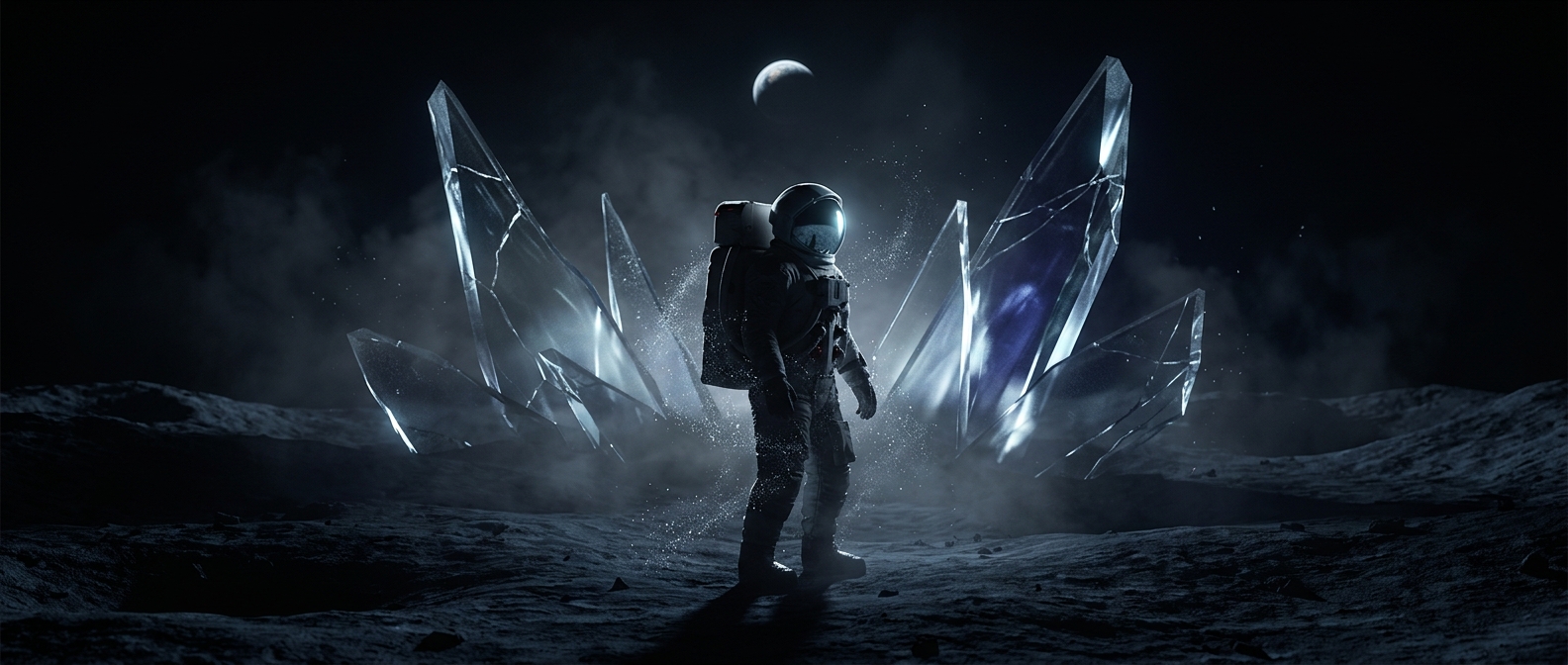
That shape matters when dust gets onto a spacesuit. Fine particles can lodge against the suit’s outer fabric, where sharp points press into fibers rather than sliding smoothly across them. As an astronaut moves, the suit bends and rubs against itself and nearby equipment. Trapped grains can then act like tiny abrasives, gradually scuffing or weakening the material.
Why the dust clings
The same particles are difficult to brush off because lunar dust can become electrically charged. Sunlight and the flow of charged particles from the Sun can leave grains with an electrical charge; in the Moon’s airless environment, that charge can help dust stick to surfaces. So the hazard combines two awkward properties: particles cling when astronauts want to remove them, then scrape against fabric during movement and cleaning.
This is more than a nuisance. A spacesuit is a protective barrier against vacuum, extreme temperatures, and other hazards, so damage to its outer layers can matter even before a tear is visible. Dust brought into a habitat can also settle on equipment and be stirred back into the air, making containment and cleanup part of suit design.
The engineering challenge is therefore not just to keep dust out, but to limit how much reaches a suit and remove it without grinding it into the fabric. On the Moon, a grain that would wash away on Earth can remain sharp, cling stubbornly, and turn an ordinary bend of the knee into repeated abrasion.