Why a Passing Siren Changes Pitch
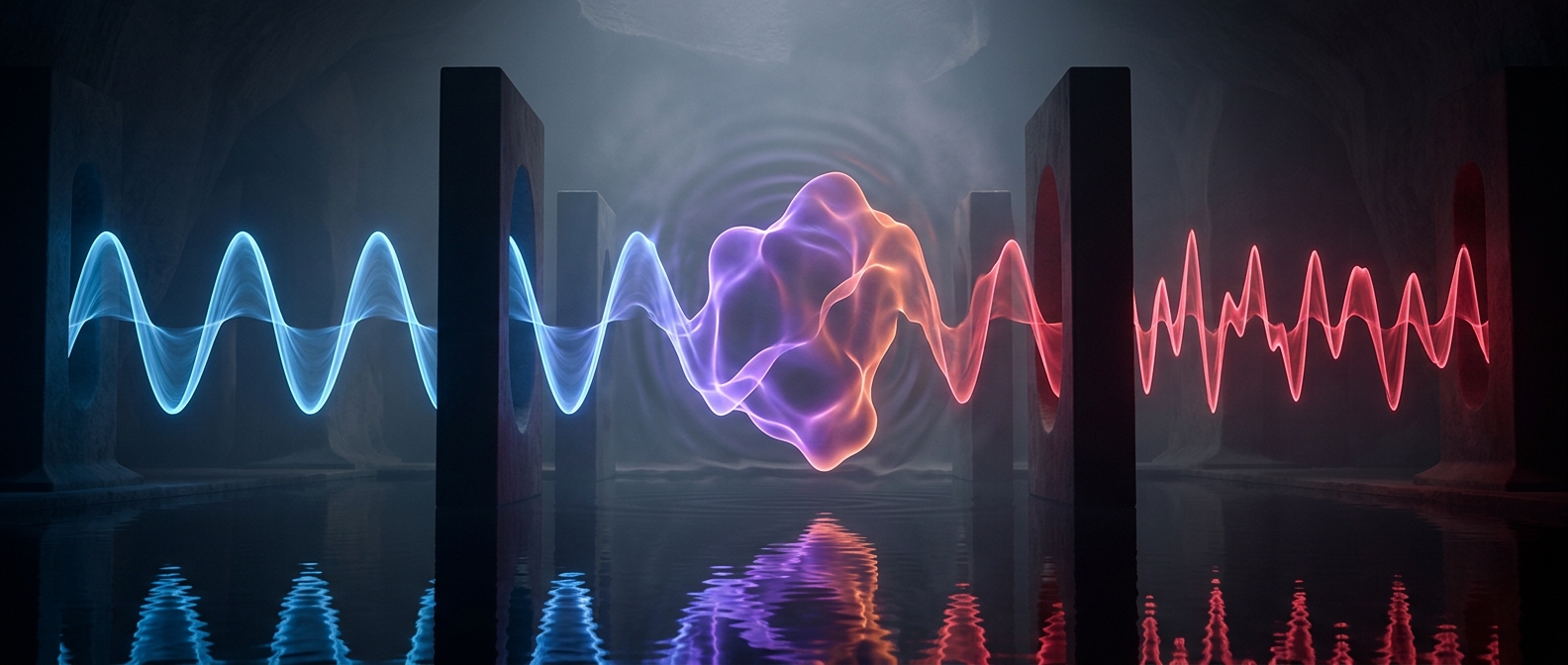
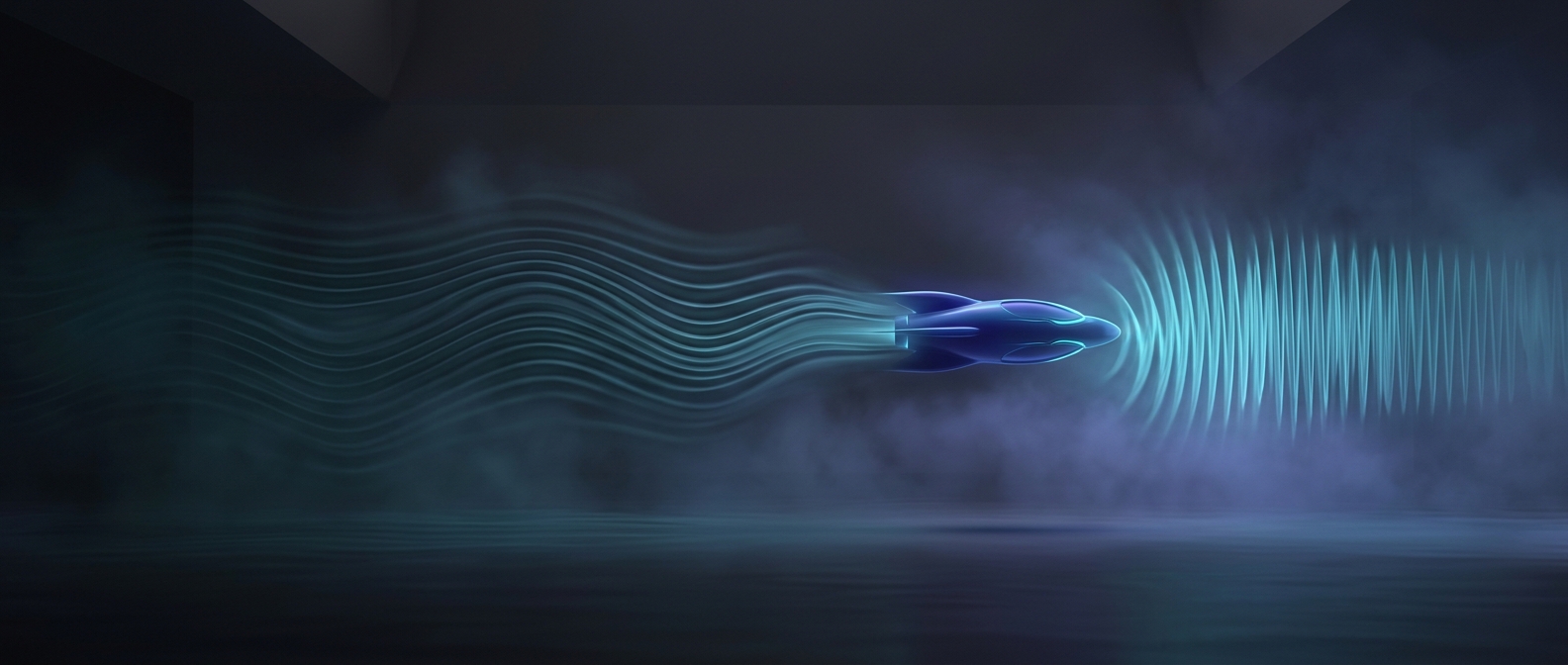
The shift is caused by the Doppler effect: motion changes how frequently sound waves reach a listener. A siren creates wavefronts—successive ripples of pressure moving through the air. If the siren travels toward you, it moves closer to each wave it sends out. The wavefronts ahead of it are therefore packed more closely than they would be if the siren were still.
Your ears register those arrivals as a higher frequency, which we hear as a higher pitch. The siren does not need to change its note; the spacing of its waves at your location has changed.
Why the Drop Happens at the Pass
Once the siren passes and moves away, each new wave starts farther from you than the one before it. The wavefronts reaching you are spread farther apart, so fewer arrive in a given span of time. That lower frequency sounds like a lower pitch—the abrupt “nee-yow” familiar from an emergency vehicle passing on the street.
The transition is especially noticeable because the source’s direction of motion relative to you changes from approaching to receding. The sound itself continues across that moment, but the rate at which its waves reach your ears shifts from higher to lower.
The Same Effect Beyond Sirens
The Doppler effect applies to any moving sound source, not just emergency vehicles. A vehicle’s engine or a train horn can seem to change pitch as it passes for the same reason. What matters is not that the sound is being stretched after it leaves the source, but that the source’s motion changes the spacing of the waves that arrive at the listener.