Science
Discover facts about science. Small discoveries that change the way you see familiar things.
Science

Kiviak preserves birds inside a sealed skin
The Greenlandic food is made by packing little auks into a seal skin and allowing them to ferment. It preserves a seasonal supply for later eating, including…
Discover more
Can low-frequency sound put out a fire
A flame needs a steady supply of air to keep burning. Strong low-frequency sound can jostle that airflow enough to break the flame’s connection to its…
Discover more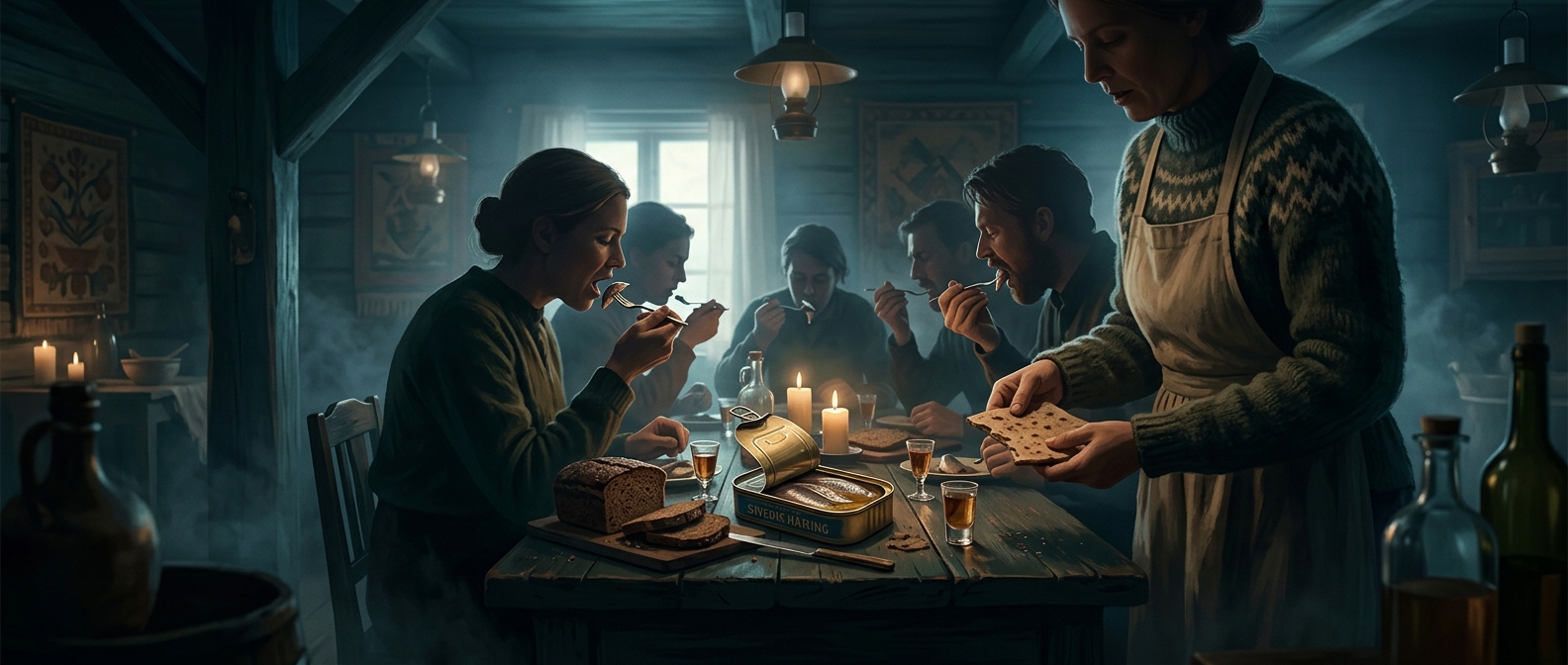
Why Surströmming cans are opened underwater
Fermentation makes gas inside the sealed can, and that gas can build pressure. Open it underwater and the brine spills into the water instead of spraying…
Discover more
The tortoises that went around the Moon
In 1968, Zond 5 looped around the Moon and returned to Earth carrying tortoises, wine flies, and mealworms. The animals were part of a test of whether living…
Discover more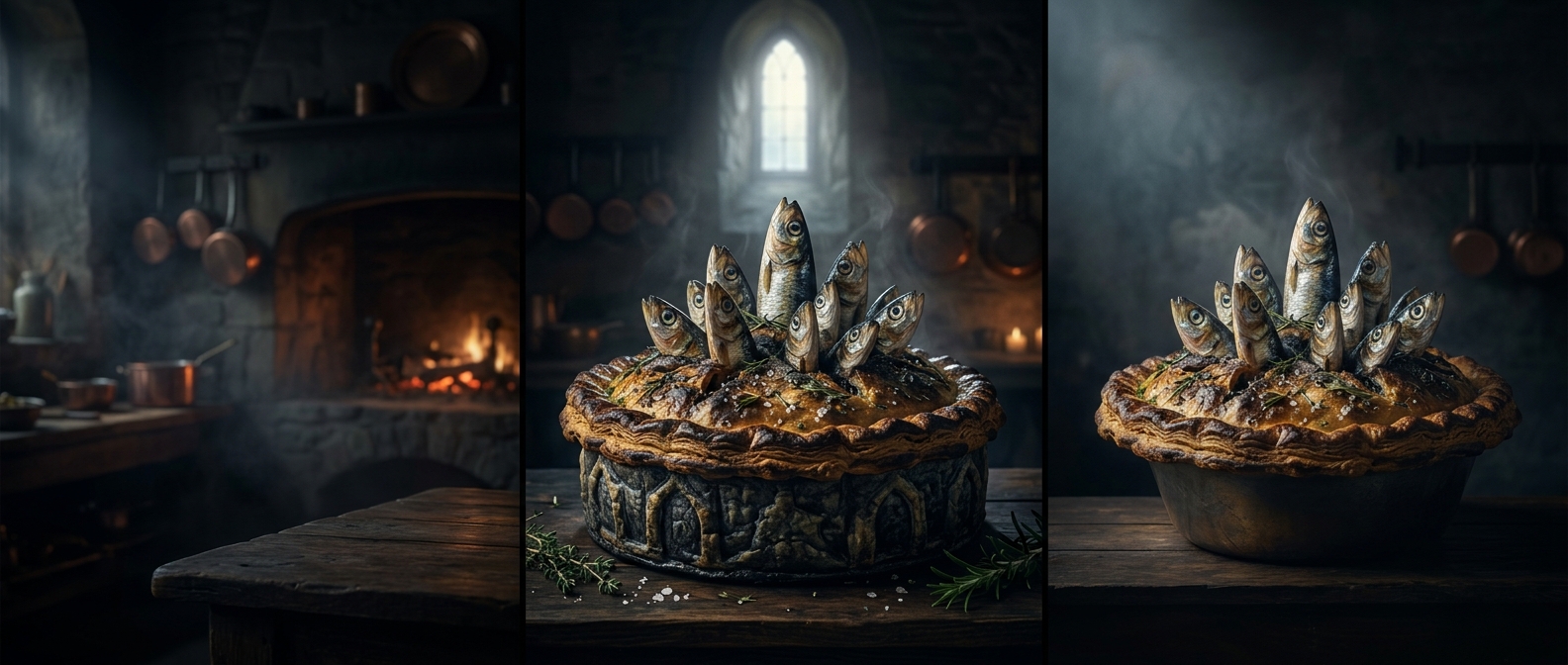
The pie with fish heads poking through
In stargazy pie, sardine heads poke through the crust so their oils can drip back into the filling as it bakes. The odd-looking arrangement adds flavor, not…
Discover more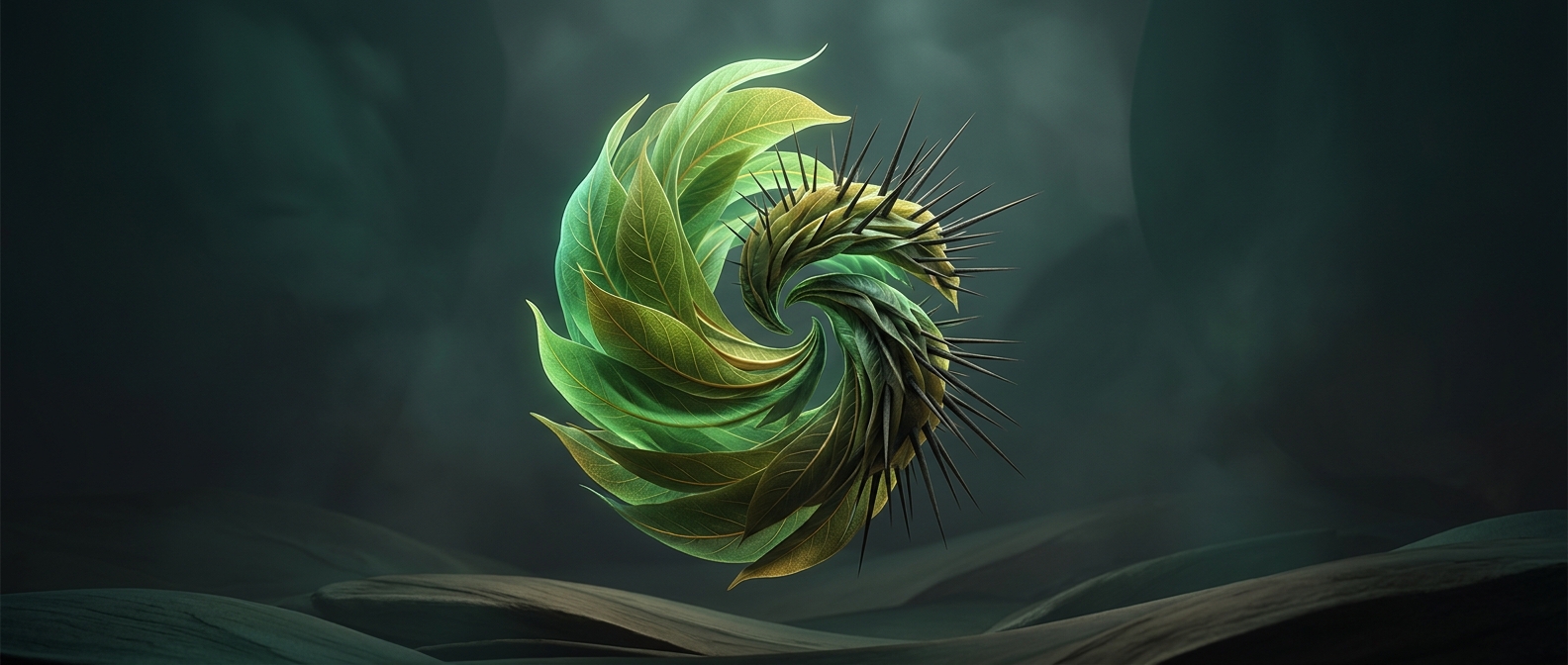
Why cactus leaves turned into spines
A cactus saves water by shrinking its leaves into spines. Broad leaves expose lots of surface to dry air, where water can escape; spines expose far less,…
Discover more STACKY FOR IPHONE
A bigger world.
One discovery
at a time.
Keep discovering with Stacky. Interesting facts in an app that is always within reach.

Why giant lily pads can hold so much weight
A giant lily pad spreads weight across a network of ribs beneath its broad, thin leaf, much like beams supporting a roof. Air spaces help it float at the…
Discover more
Why mezcal bottles sometimes contain a larva
That larva is usually a moth caterpillar that feeds on agave, and it isn’t needed to make mezcal. Some producers put one in the bottle as a marketing gimmick.…
Discover more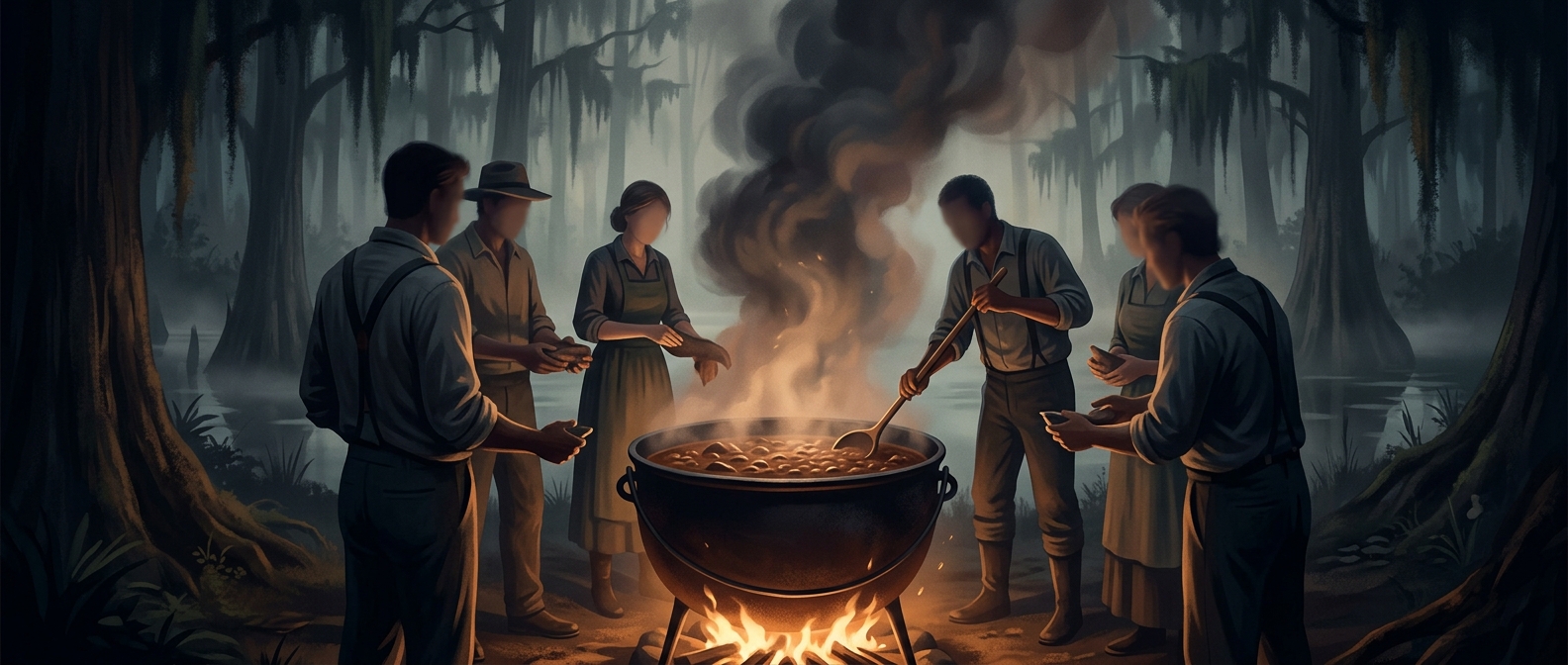
Why gumbo is such a chaotic mix
Gumbo gets its body from whichever thickener the cook puts to work. A roux—flour browned in fat—adds a nutty taste; okra or ground sassafras leaves called…
Discover more
British yeast extract spread tastes like salty beef sludge
Marmite's deep savory flavor comes partly from glutamate, a molecule also found in tomatoes and aged cheese. Breaking down brewing yeast releases glutamate,…
Discover more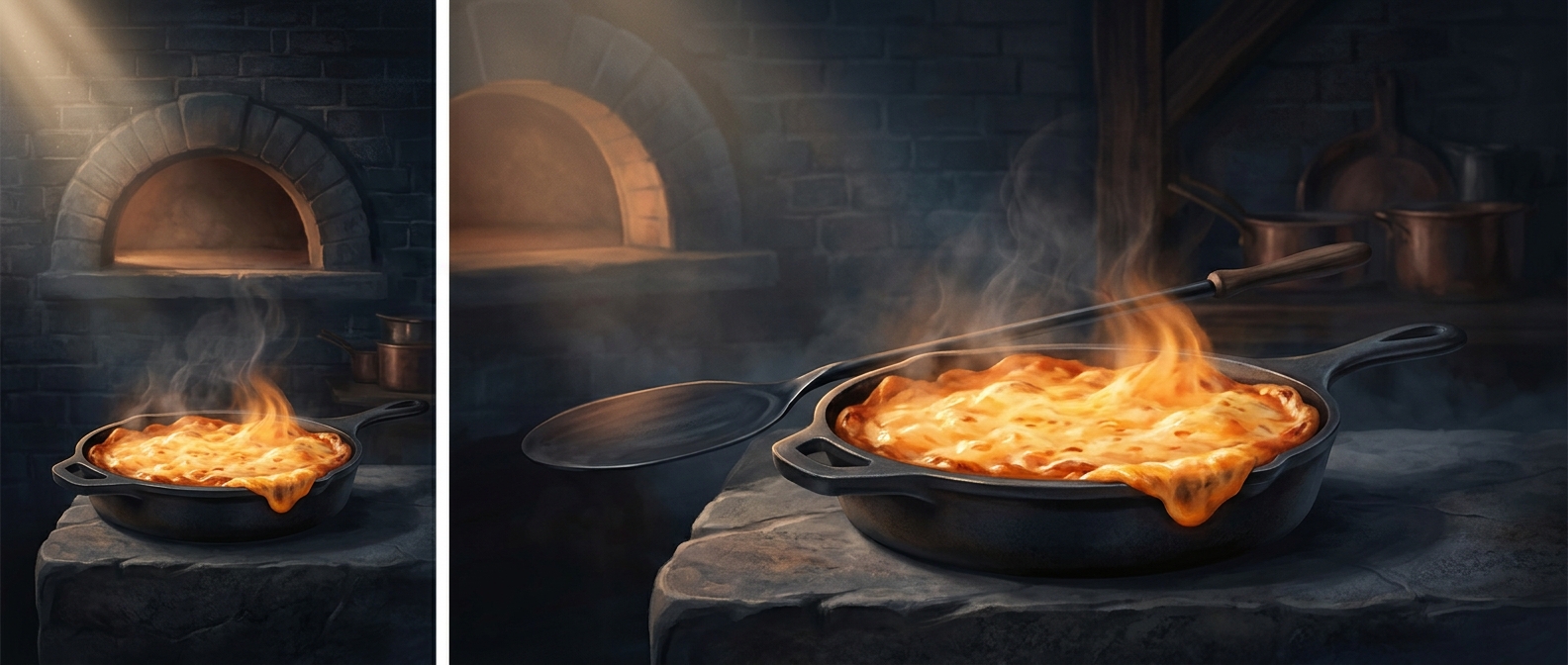
Why Chicago deep-dish is eaten with a knife and fork
The thick crust of deep-dish pizza works like a pie shell, holding deep layers of cheese and toppings. A knife cuts through that stack, and a fork carries it…
Discover more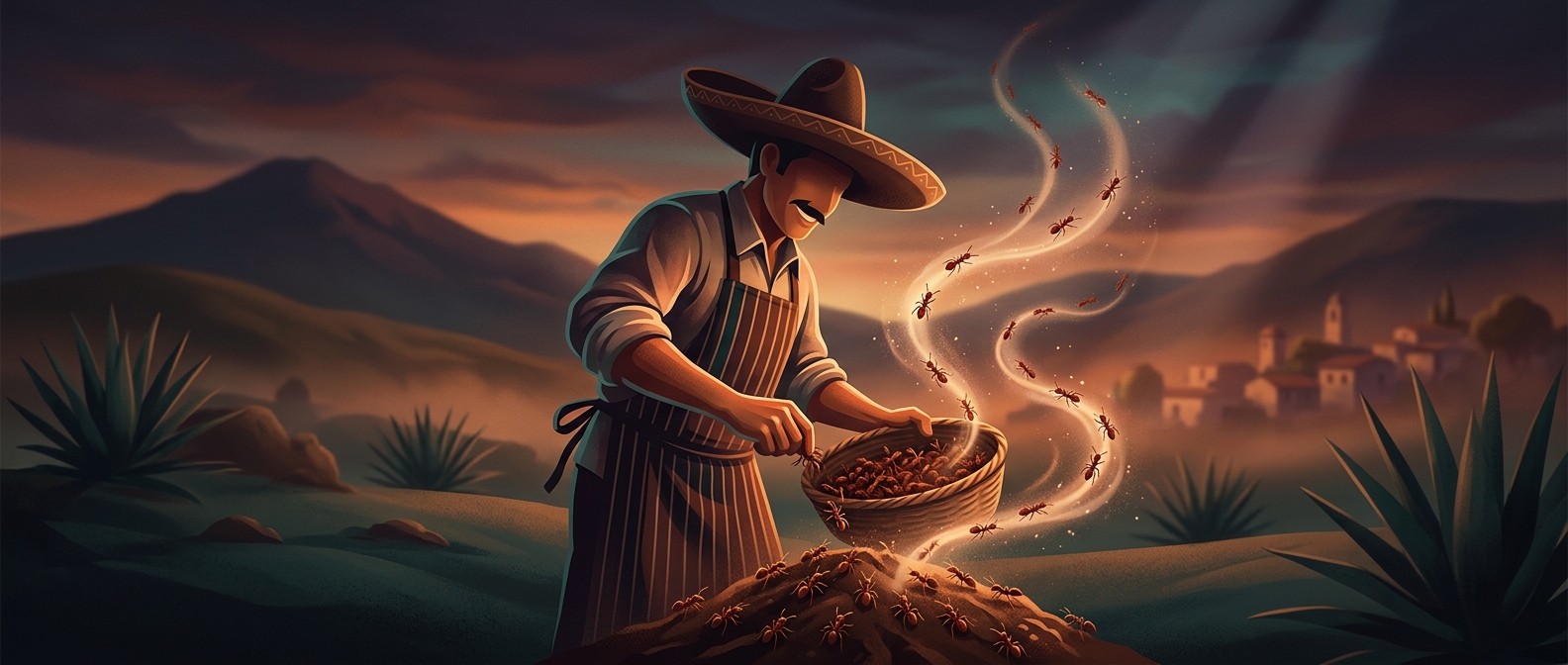
Mexican chefs harvest biting ants for meals
To harvest escamoles, people collect ant larvae from underground nests in Mexico. Worker ants defend their young with painful bites, so gathering the larvae…
Discover more
Wuppertal's train hangs beneath its track
The wheels run on an overhead rail while the carriage hangs below, with passengers sitting normally inside. Much of the route follows the River Wupper, using…
Discover more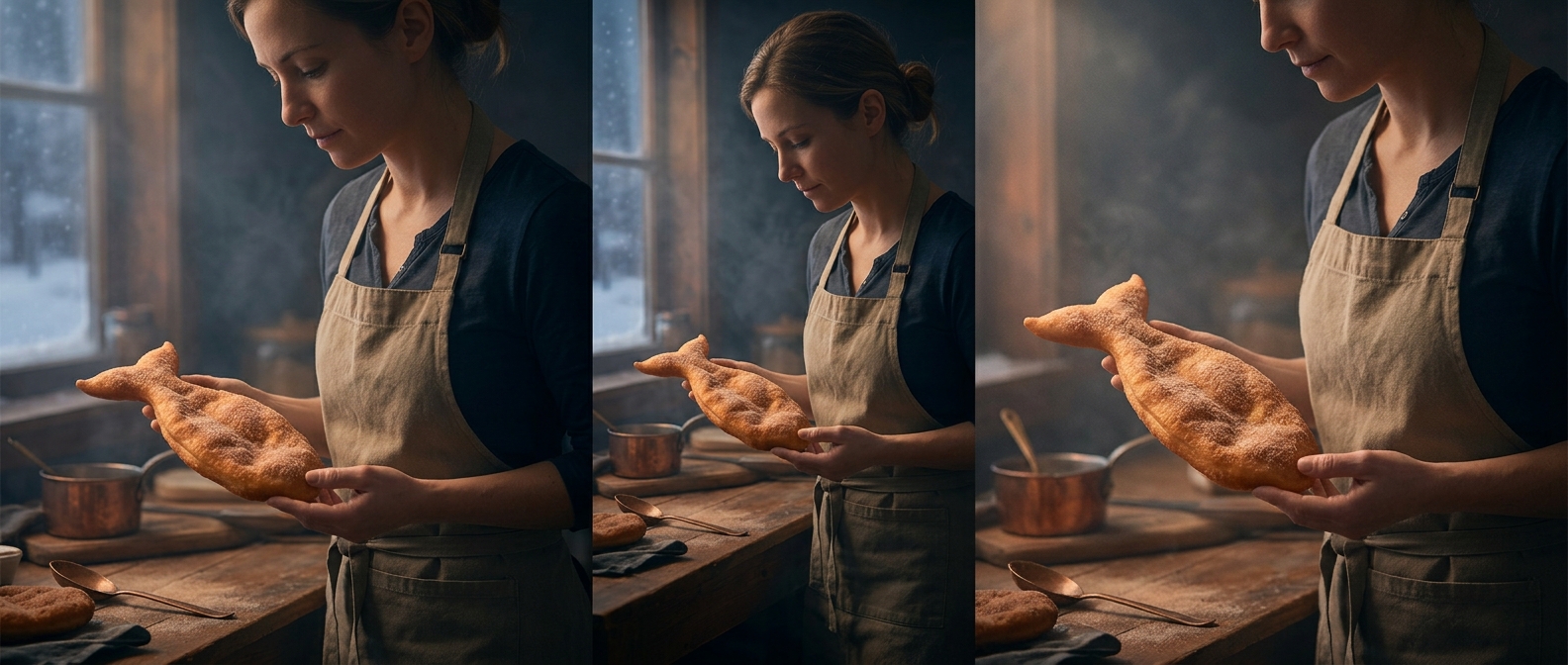
The Canadian treat named after a beaver
BeaverTails get their name from their shape, not from anything beavers put in them. The pastries are stretched into broad, flat ovals, then deep-fried and…
Discover more
Solar storm of 1859 woke up sleeping miners
At 1 a.m. during the 1859 solar storm, the aurora was bright enough to fool Rocky Mountain miners into thinking it was morning. They got up and made coffee,…
Discover more
Brigadeiros start as a saucepan of condensed milk
Condensed milk, cocoa, and butter simmer into a thick paste that can be rolled once it cools. Evaporation does the structural work: remove enough water and a…
Discover more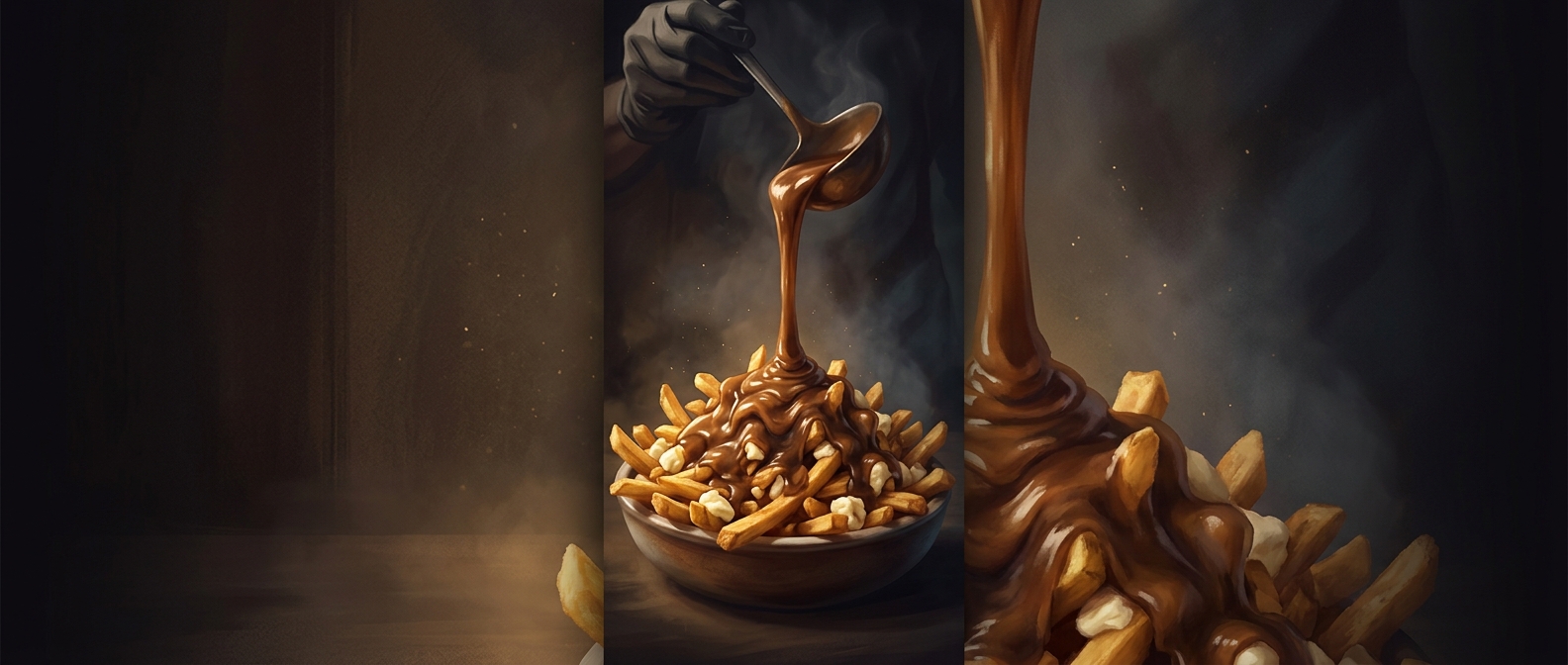
Why Canadians pour gravy over fries
Hot gravy warms poutine’s cheese curds without fully melting them into a smooth sauce. They soften but keep some spring, so each bite pairs chewy curds with…
Discover more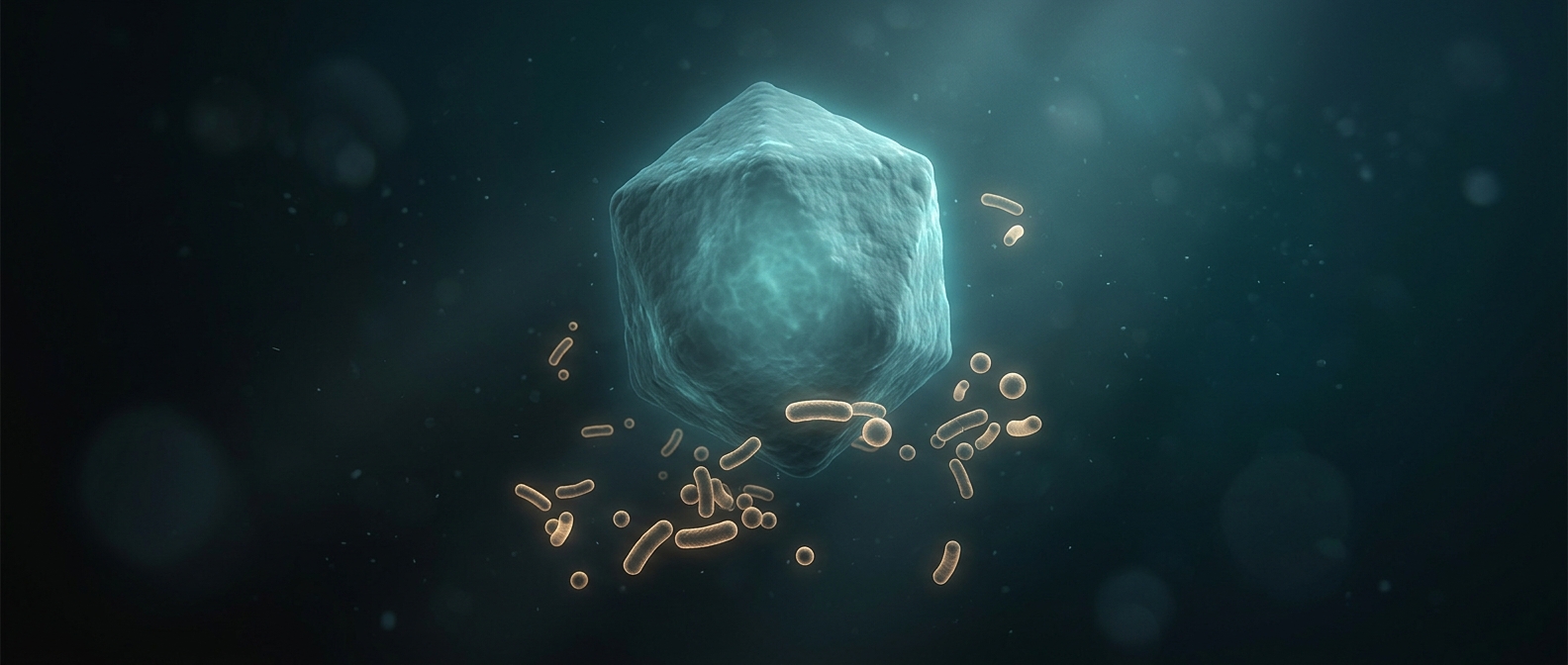
Some viruses are bigger than bacteria
Some giant viruses are big enough to see with a light microscope and can even outsize the smallest bacteria. Their genomes—their genetic instruction…
Discover more
Finland's Easter pudding gets its sweetness from malt
Mämmi combines rye and malt into a dark, dense pudding whose appearance surprises newcomers. During preparation, enzymes help turn starch into sugars; it is…
Discover more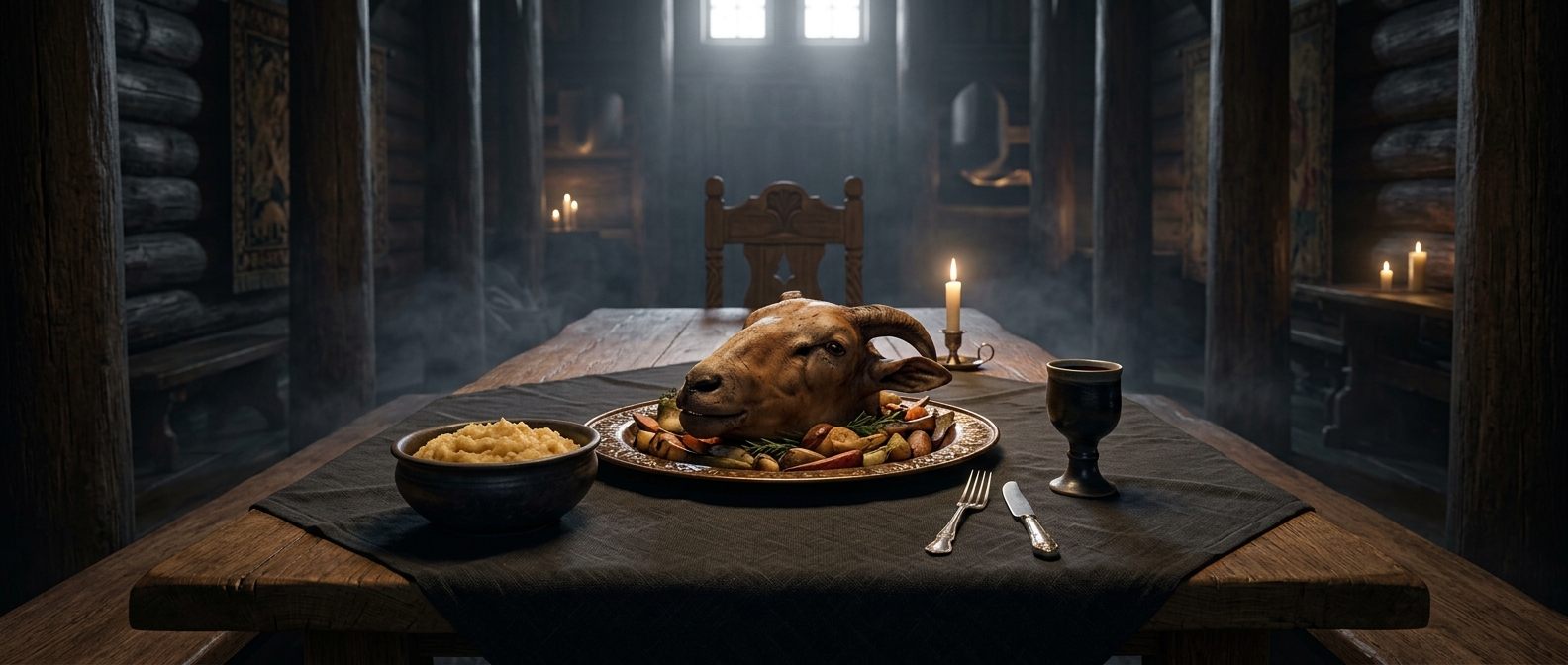
Western Norway serves Christmas dinner with a face
Smalahove is a sheep's head prepared by methods including salting, drying or smoking, and cooking. It survives as a regional festive meal rather than a…
Discover more
Are viruses alive or just hostile biological code
A virus brings genetic instructions but lacks the cell’s equipment to read and copy them. It has to get inside a living cell, borrow that machinery to build…
Discover more
Ukraine's salo makes pork fat the main ingredient
Salo is the layer of fat beneath a pig's skin, commonly salted or cured and served in thin slices with bread and garlic. Keeping that tissue intact gives it a…
Discover more
One fern packs around 1,260 chromosomes into a cell
Ophioglossum reticulatum has a reported chromosome count roughly 27 times the human count of 46. Chromosomes are packages of genetic material, so more…
Discover more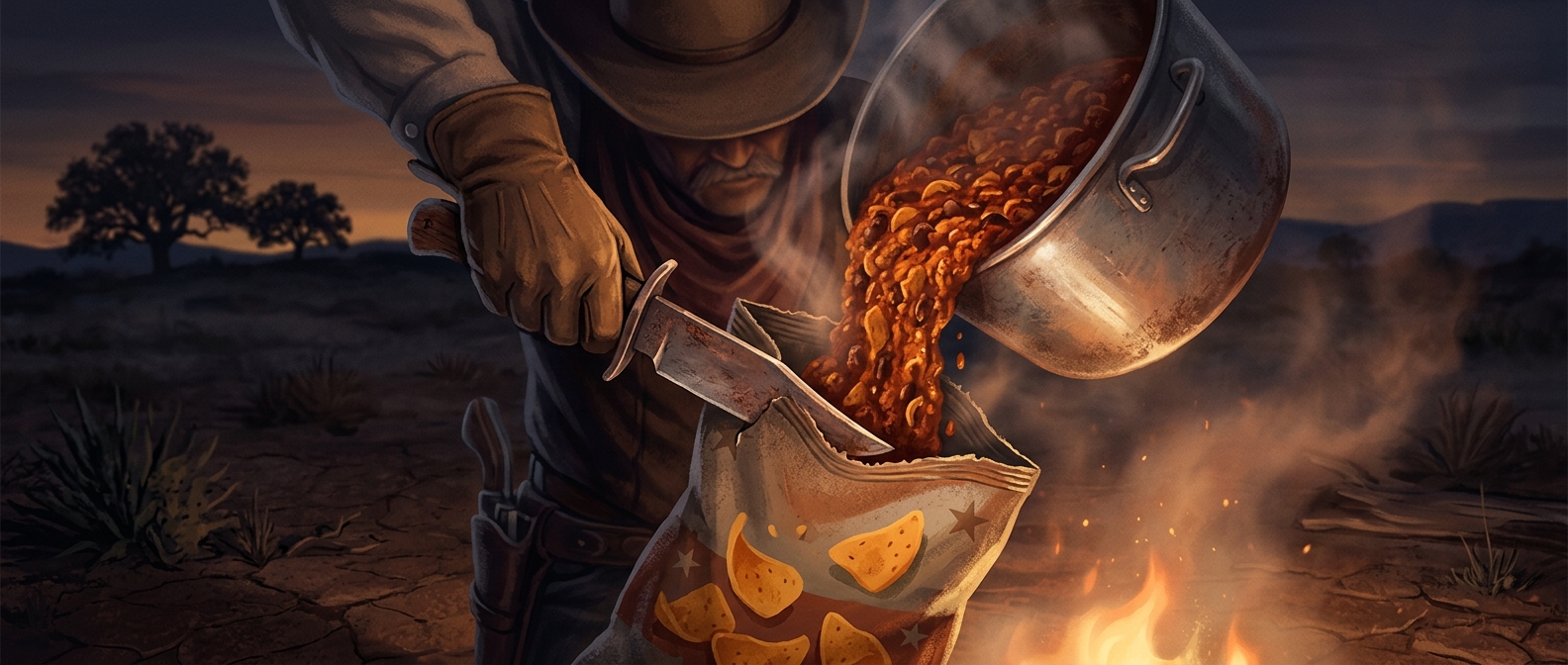
Why some Texans eat chili from a chip bag
Frito pie turns the chip bag into a serving dish: open it, spoon in chili, and eat. The bag keeps the meal easy to carry and saves you from bringing a bowl.…
Discover more