How rye gives mämmi its dark color
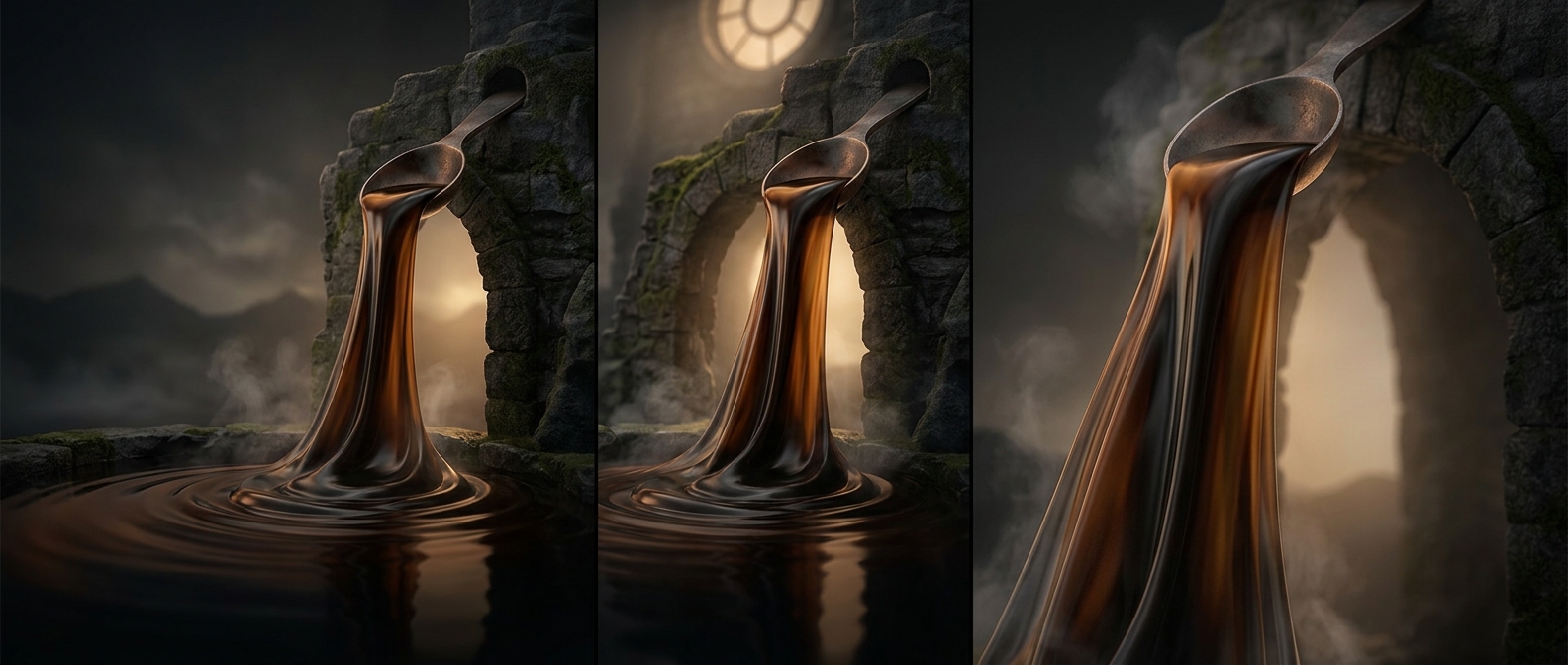
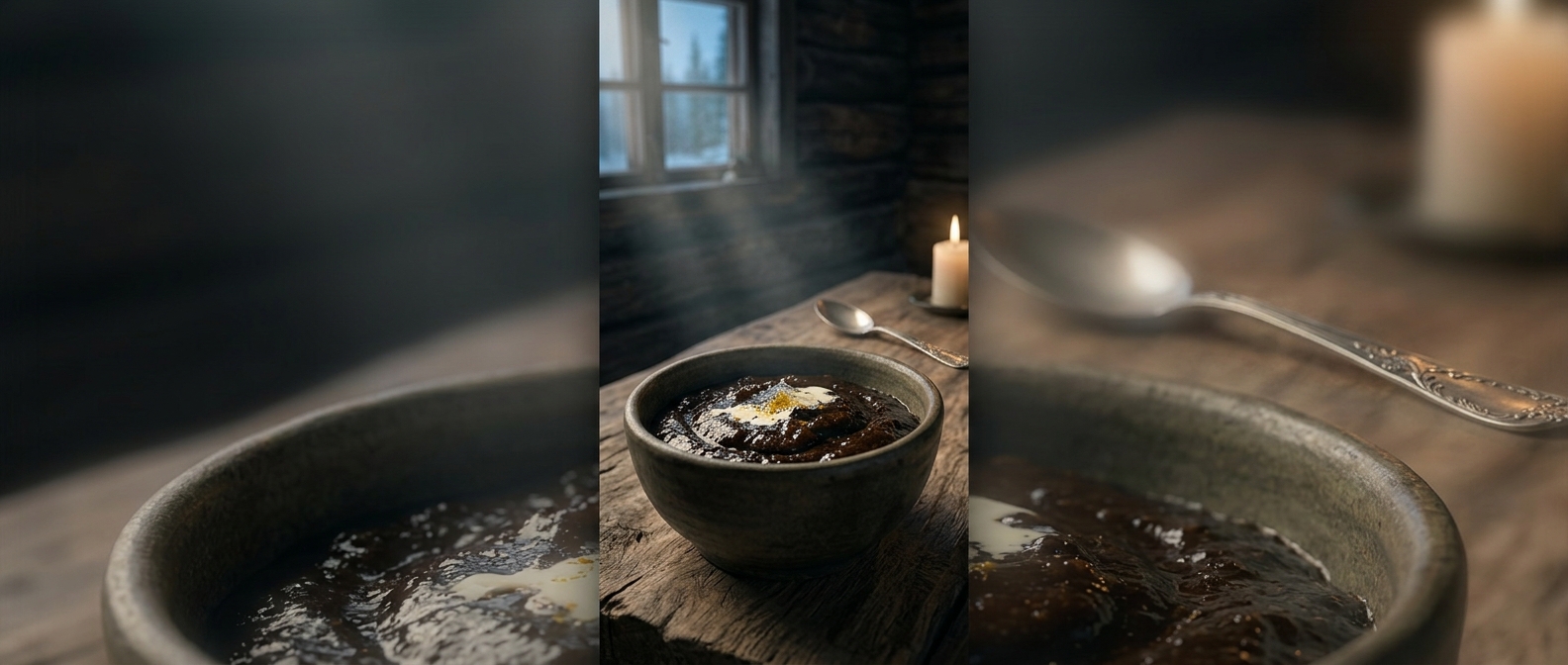
Mämmi’s muddy appearance comes from ingredients that change as they are heated together. Rye flour supplies much of the mixture’s color and earthy flavor; malted rye adds enzymes that help break some of the grain’s starch into sugars. Molasses deepens the brown shade and contributes sweetness.
That process is called mashing: grain is mixed with warm water so its enzymes can turn starch into sugar. In mämmi, the mixture is heated in stages, giving the rye time to soften and the sugars time to develop. The result is thick and dark, with a flavor shaped by grain and malt rather than by chocolate or cocoa.
Why it is served cold
After cooking, mämmi is cooled and typically eaten chilled. Cooling firms the dense mixture, so it can be spooned like a pudding, even though its color and grainy texture may suggest something quite different. Cream or sugar on top adds a cool, rich or extra-sweet contrast to its malty taste.
The contrast is part of the experience: a dessert that looks like a joke about mud is actually the product of rye’s slow transformation. Its appearance may startle a first-time diner, but the dark color is a record of how grain, malt, heat, and time shaped the food.