A virus carries a recipe, not a workshop
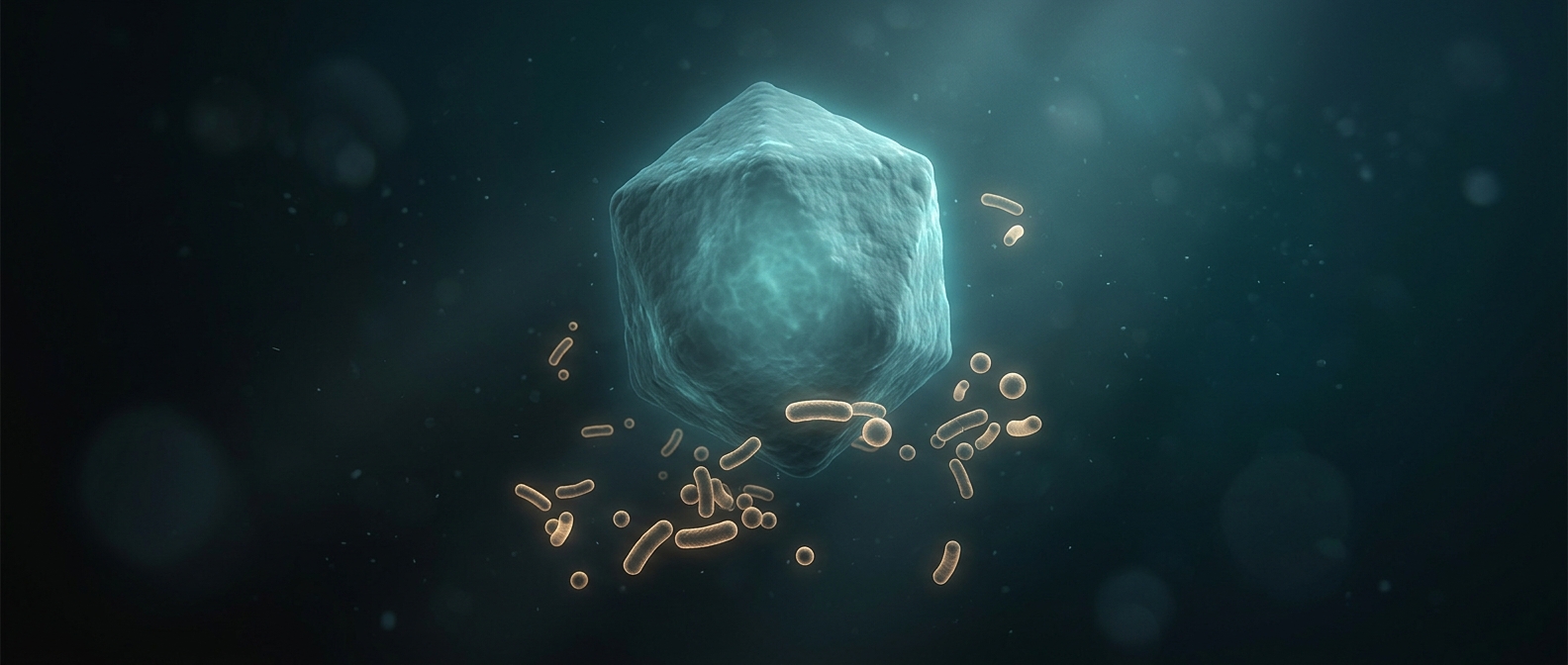
A virus is built around genetic material—DNA or RNA—wrapped in a protective coat. That genetic material contains instructions for making more viruses, but a virus does not have the cellular machinery needed to read those instructions and manufacture the parts on its own. It cannot grow or reproduce independently the way a cell can.
That gap is why viruses depend on living cells. Their genetic material is more than a blueprint: it is a set of directions that must be read by molecular machinery. A virus brings the directions into a cell, where the cell’s systems can make viral proteins and copy viral genetic material.
How the takeover makes new viruses
The exact steps vary among viruses, but the basic sequence is similar. A virus attaches to a suitable cell and gets its genetic material inside. The cell then makes viral components, using its own supplies and machinery. Those components are assembled into new virus particles, which can leave the cell and reach others.
The virus does not usually need to take control of every part of the cell. It needs to redirect enough of the cell’s production systems to make copies of its own instructions and the proteins that package them. The cell, in effect, becomes a temporary manufacturing site for something that cannot manufacture itself.
Why the question of “alive” is difficult
This dependence places viruses near the boundary of familiar definitions of life. They evolve, and they carry genetic information, but outside a host cell they are not carrying out the self-sustaining activity that cells use to grow and reproduce. Whether to call them alive depends partly on which features a definition treats as essential.
The practical consequence is clear either way: a virus can spread only by linking its genetic instructions to the machinery of living cells. Its apparent simplicity is not independence; it is dependence on a host.